MINERAL ACCRETION FACTORY @ FRAC RÉUNION
[2025]
LOW /SLOW
Design et alterproduction situés
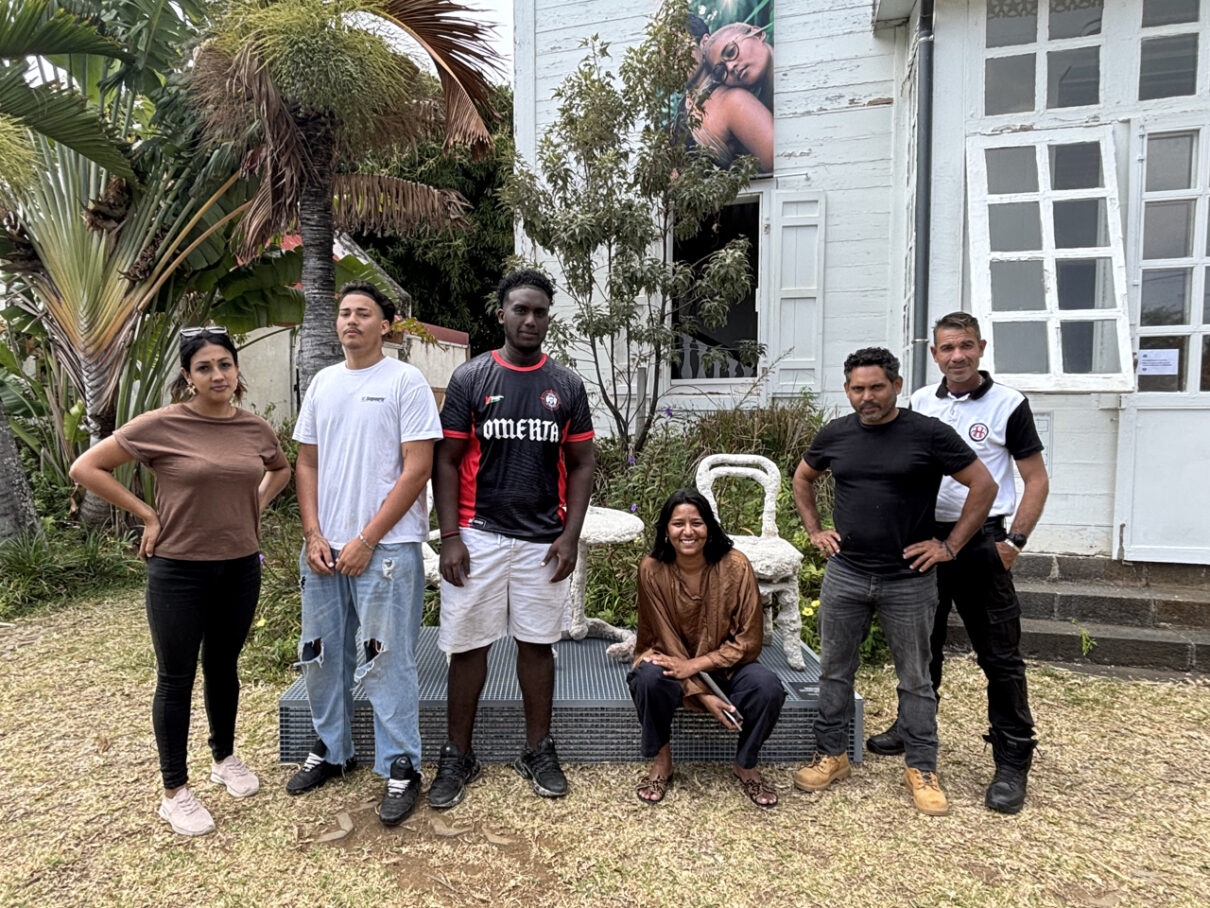
Cet évènement s’est tenu au FRAC Réunion le samedi 13 septembre 2025.
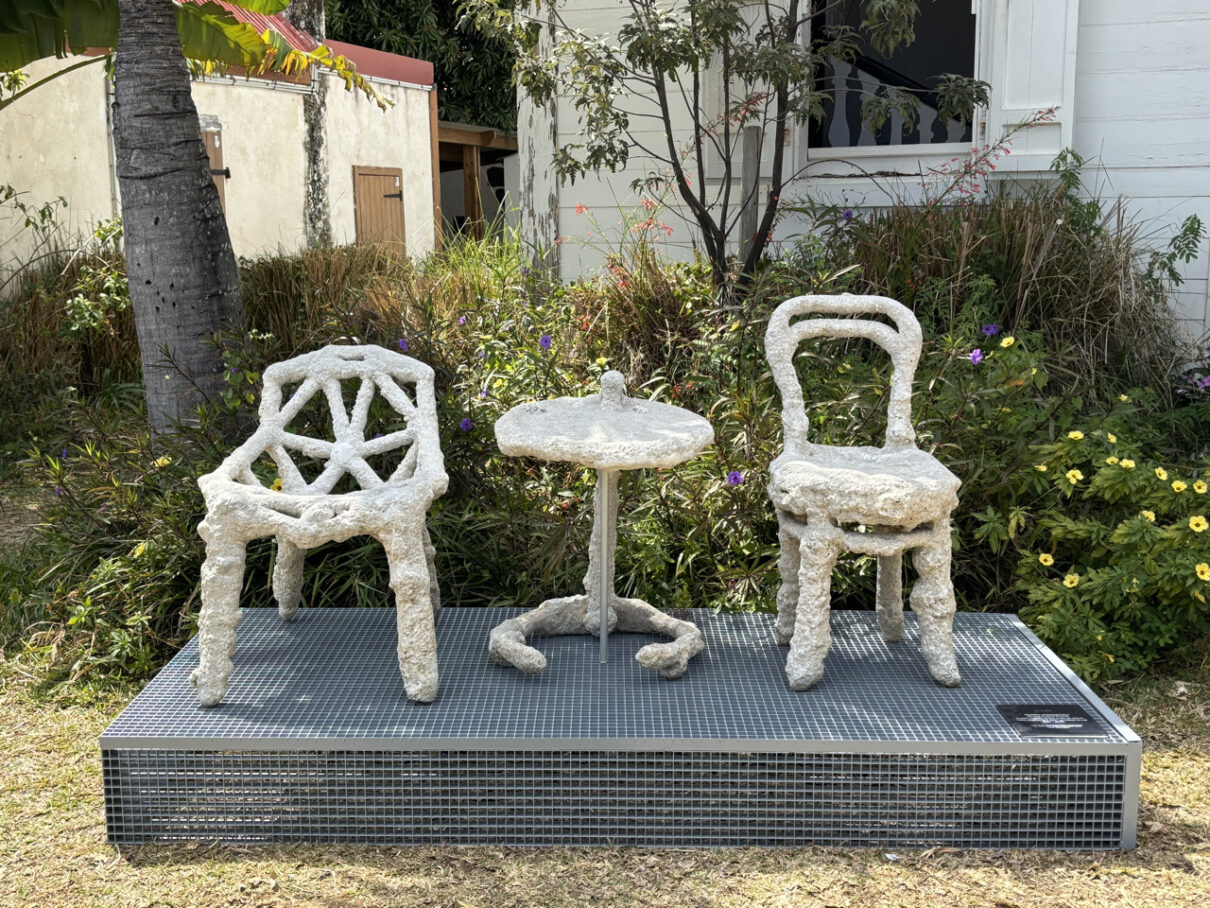
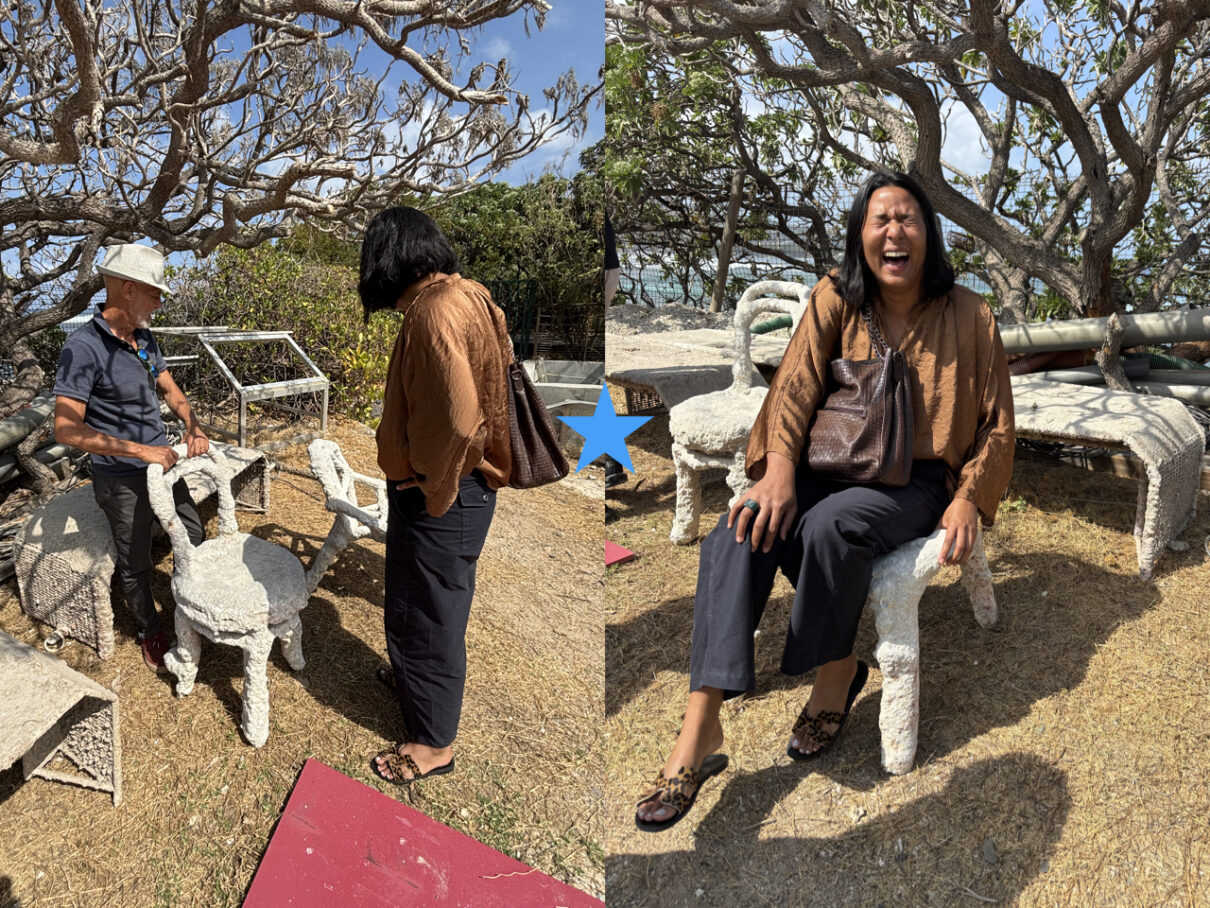
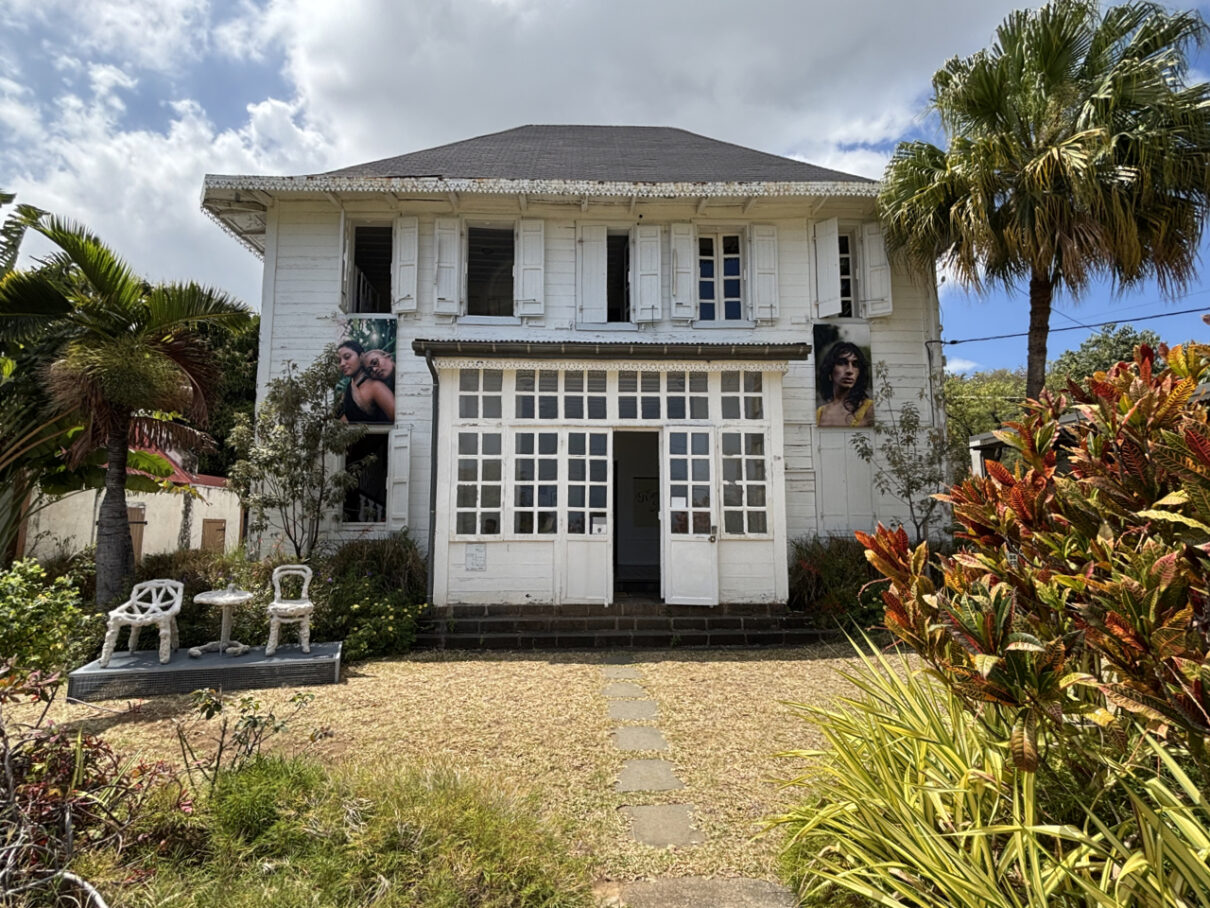
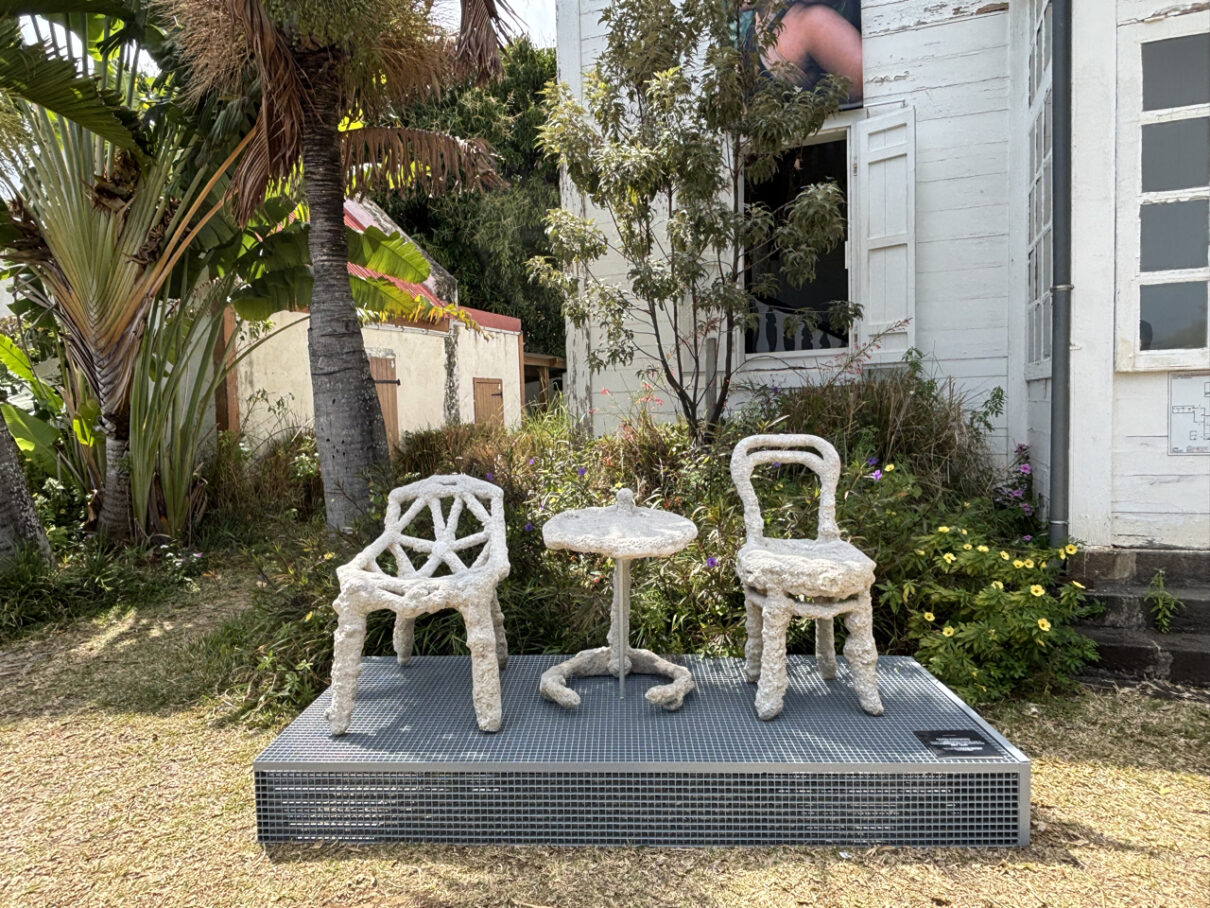
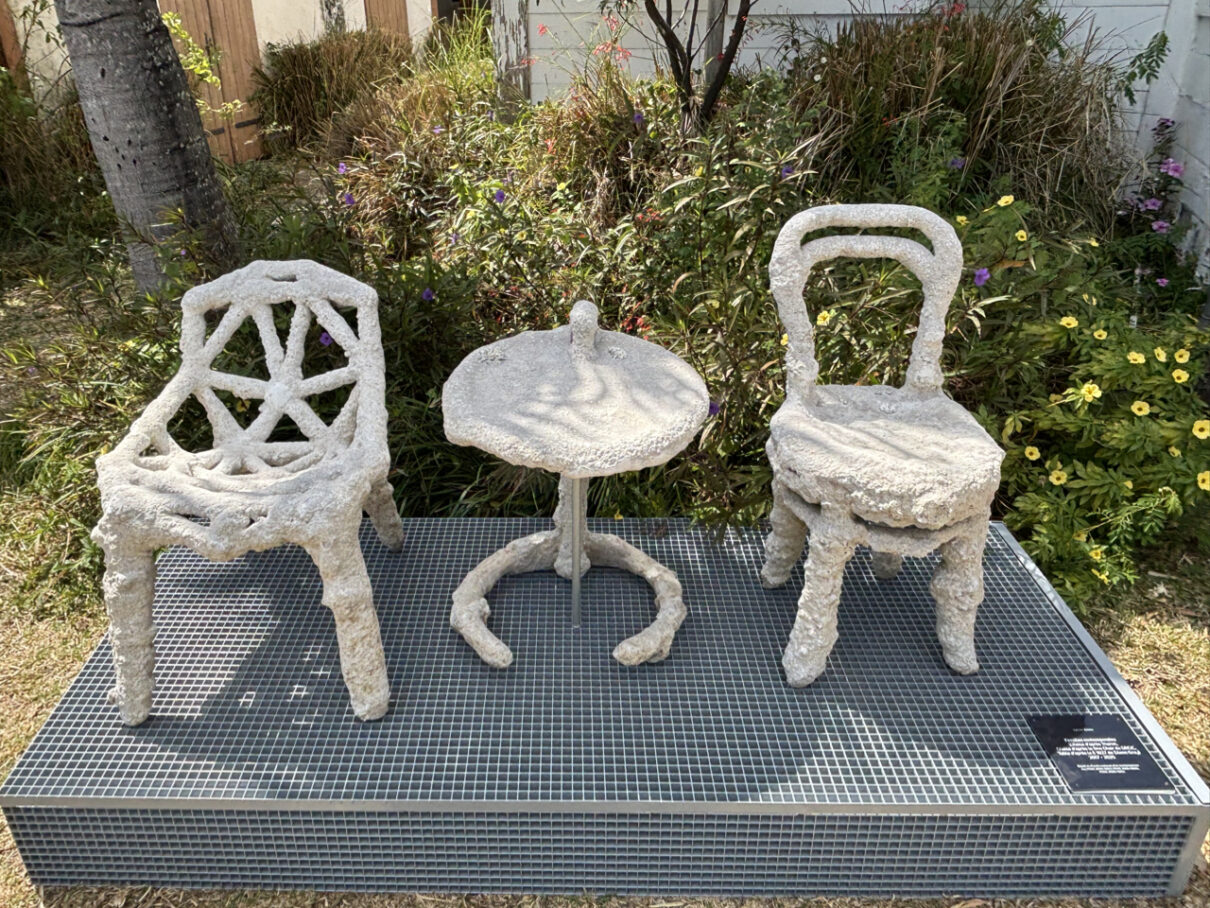
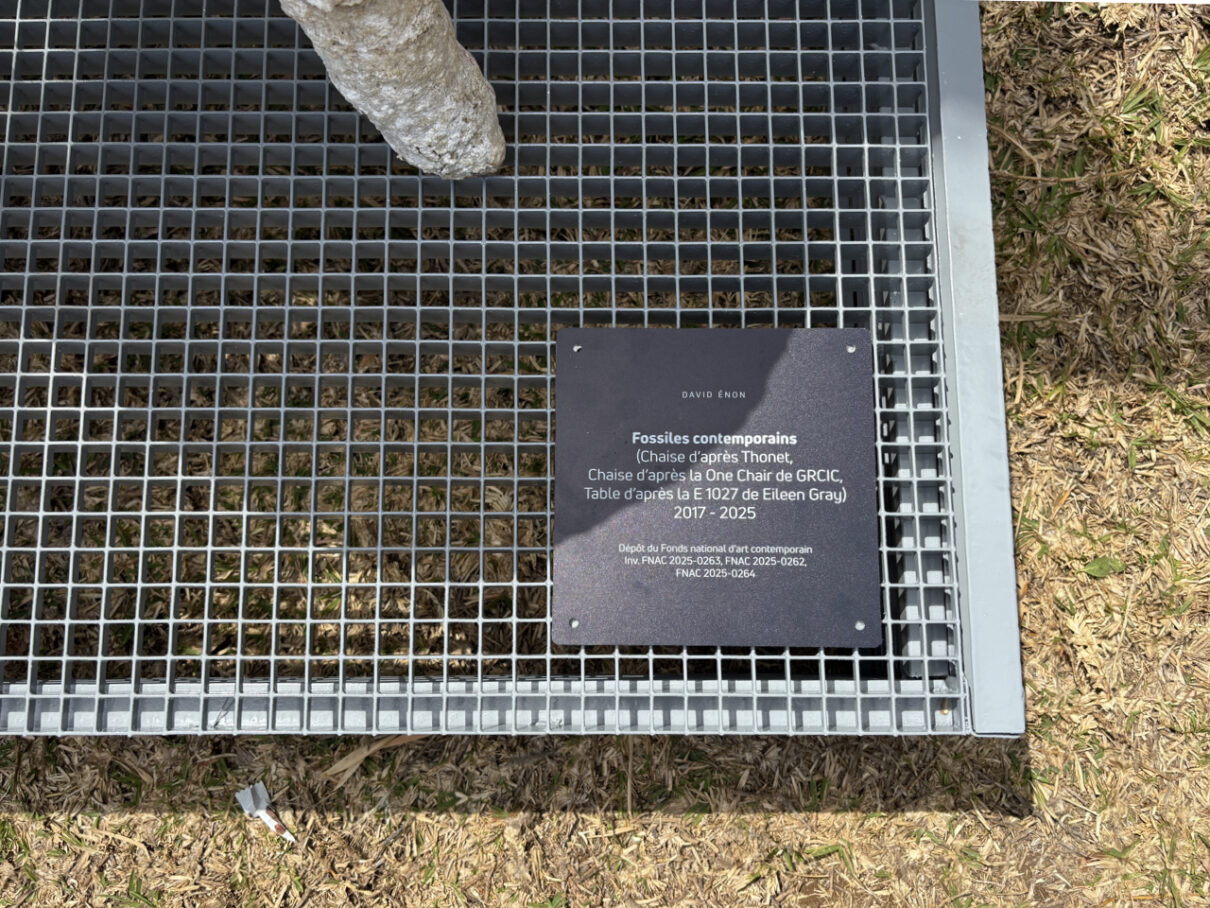
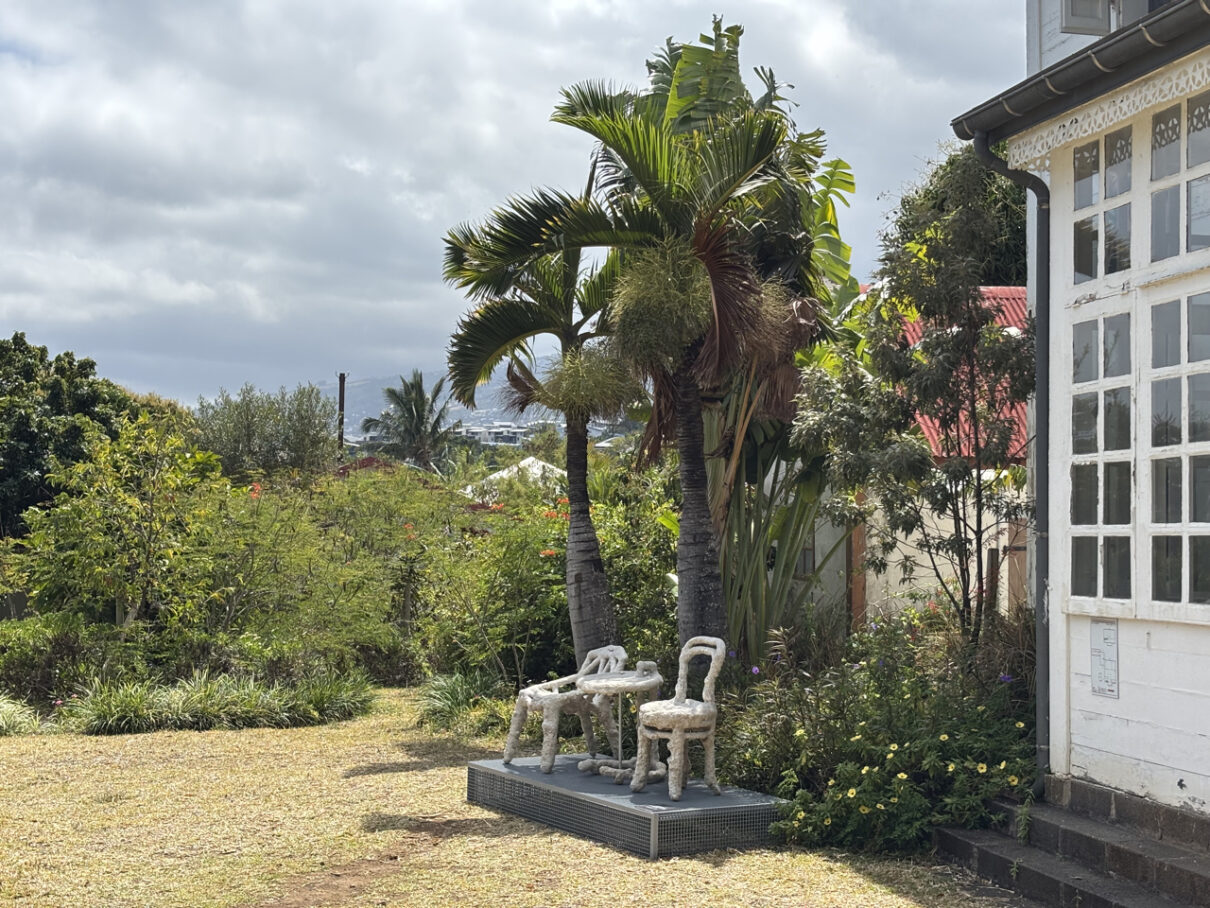
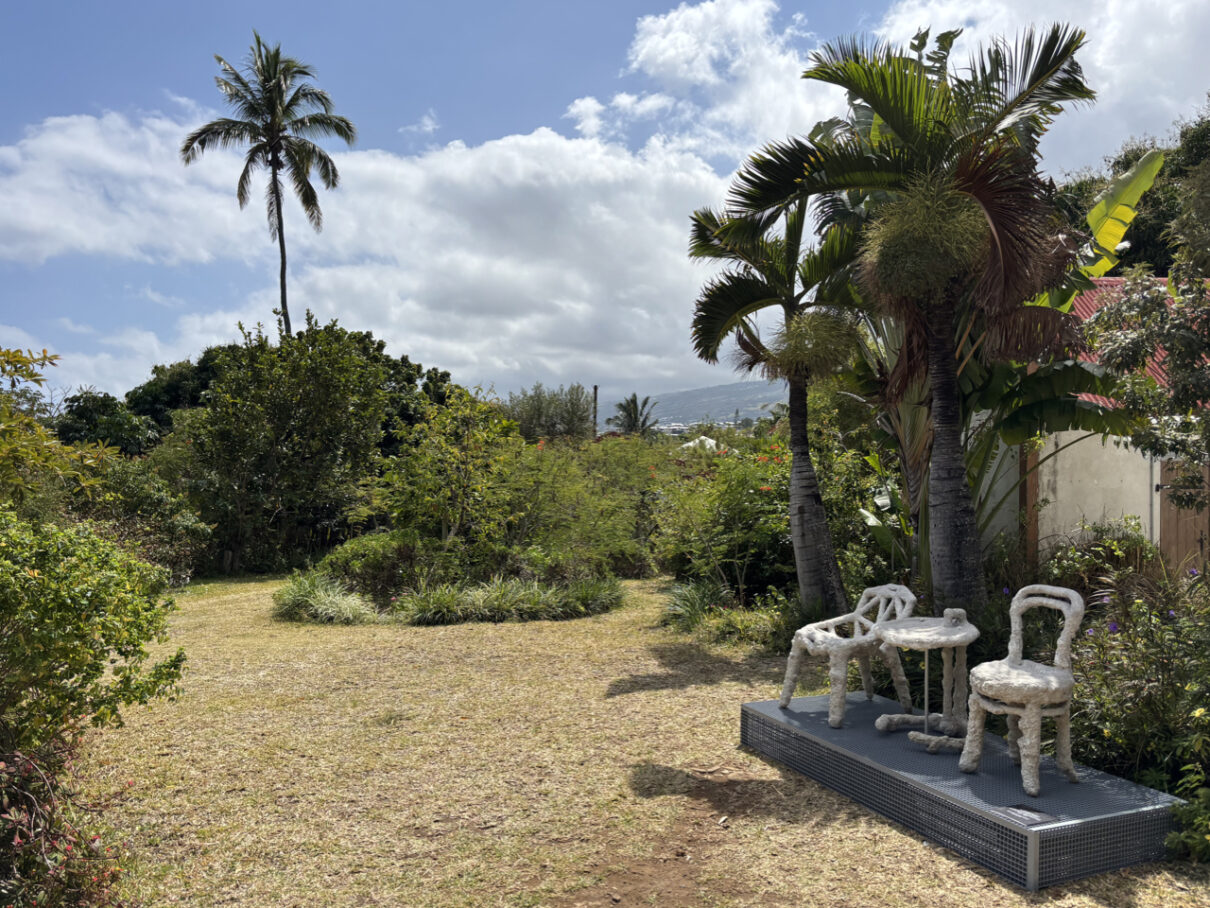
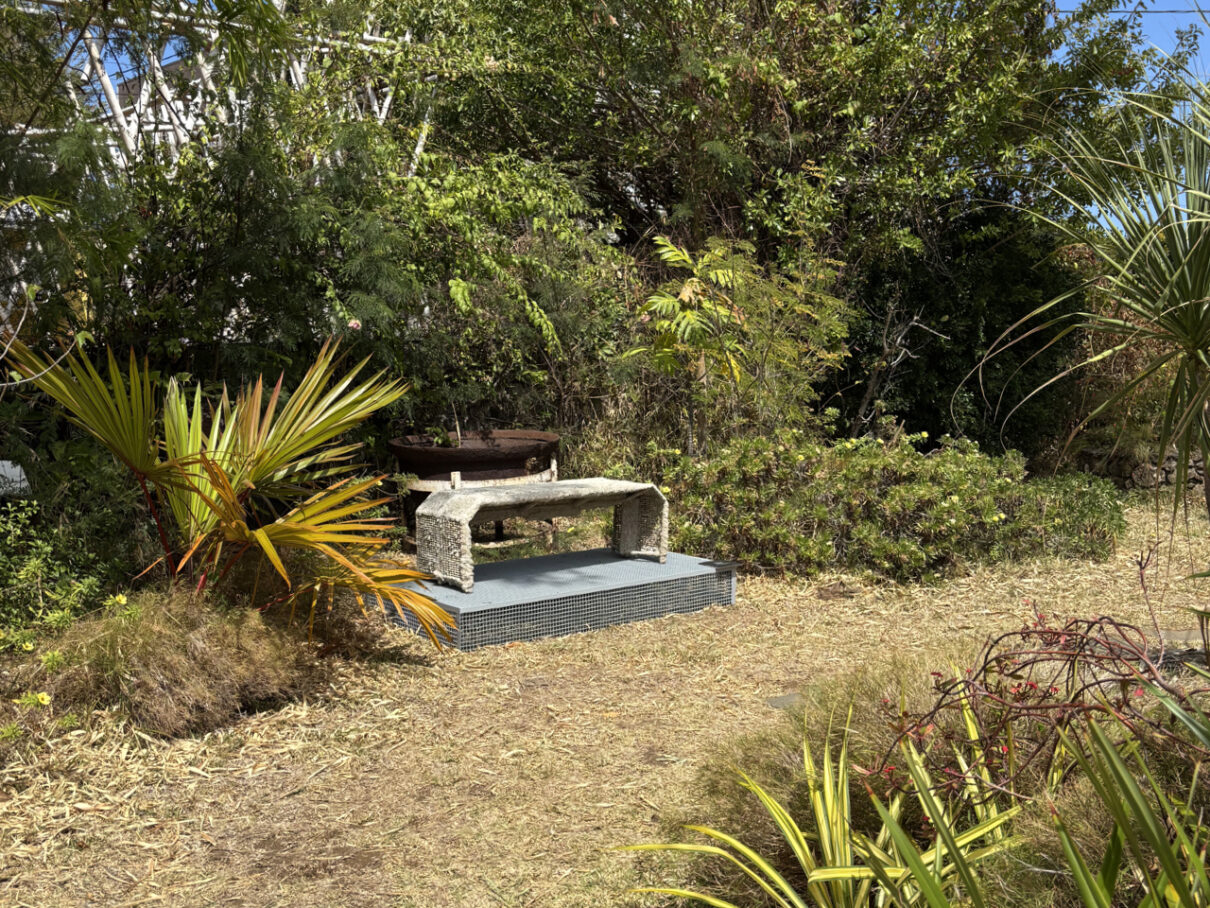
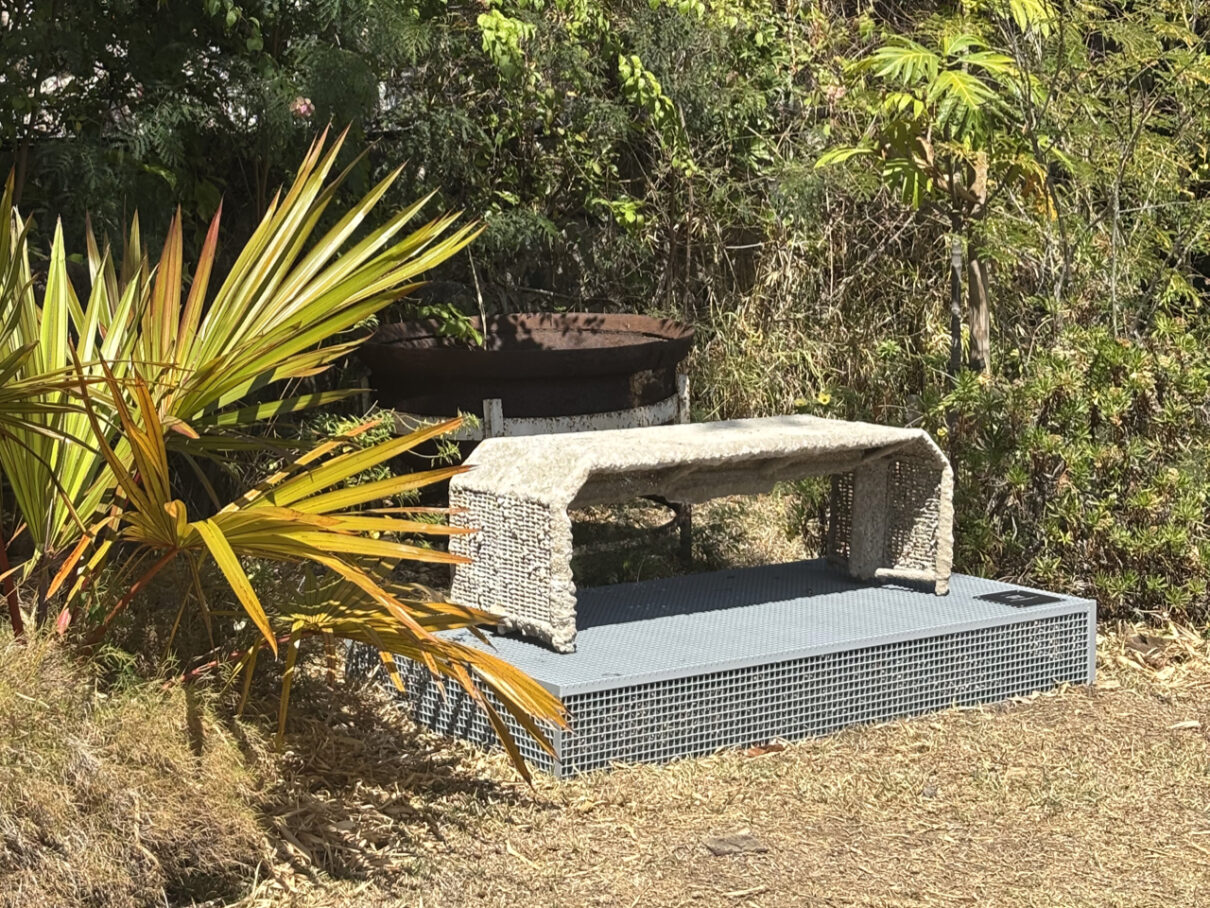
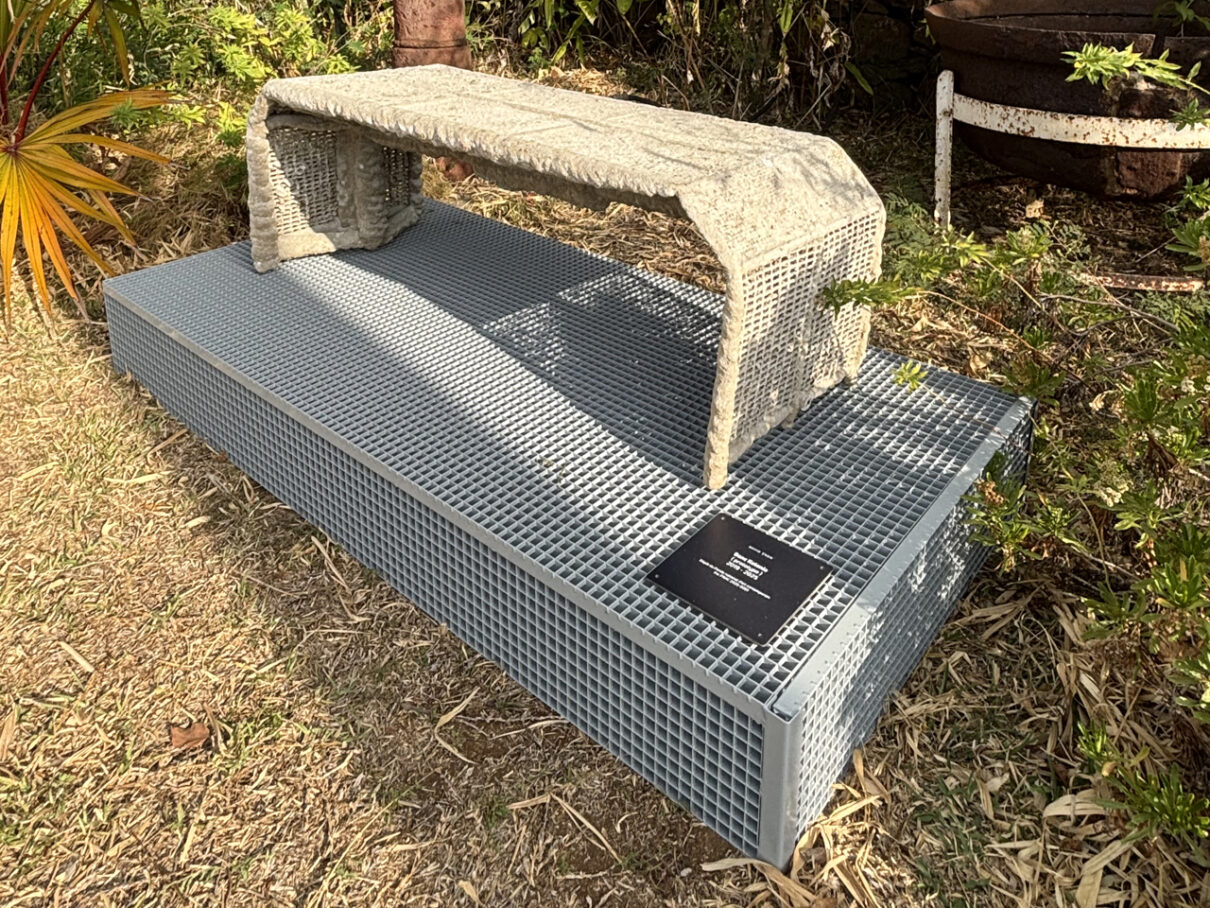
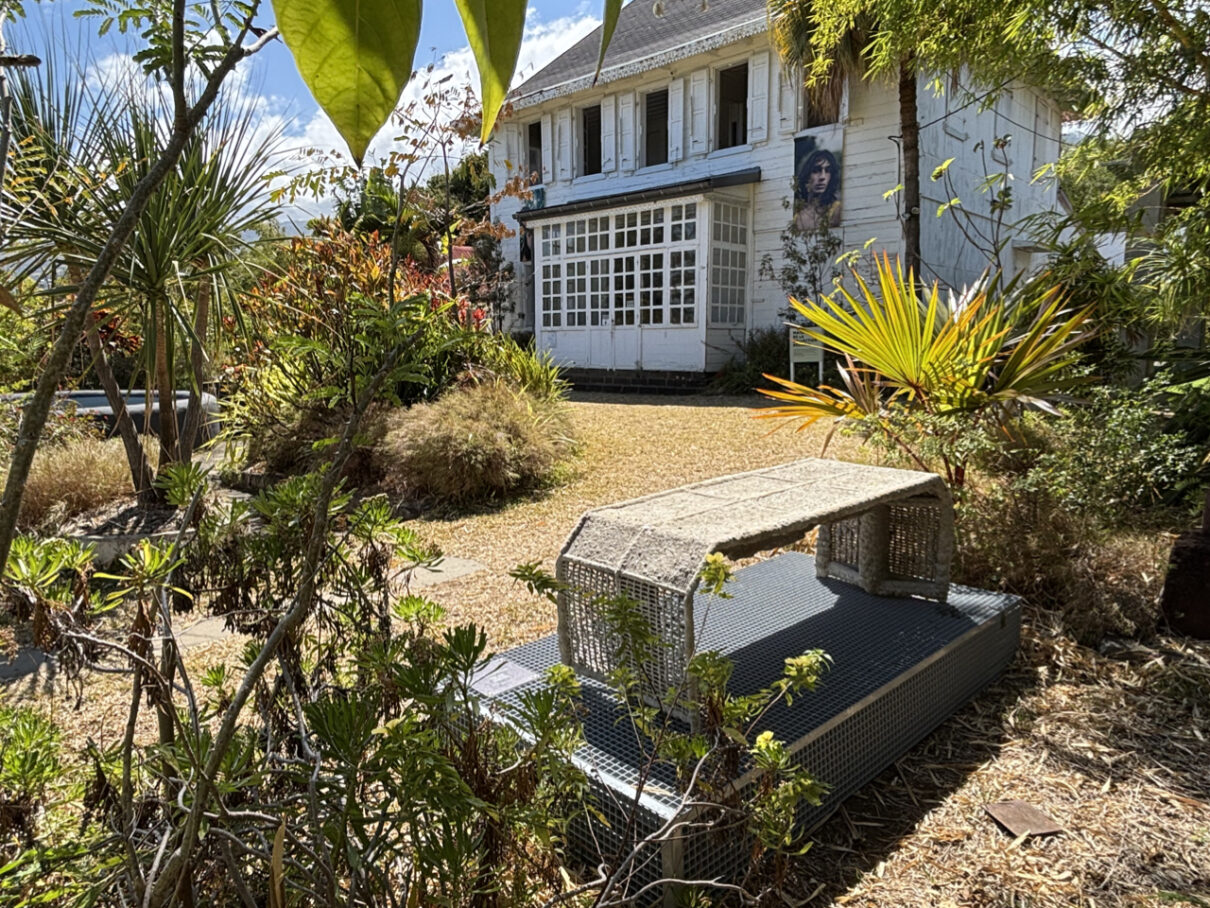
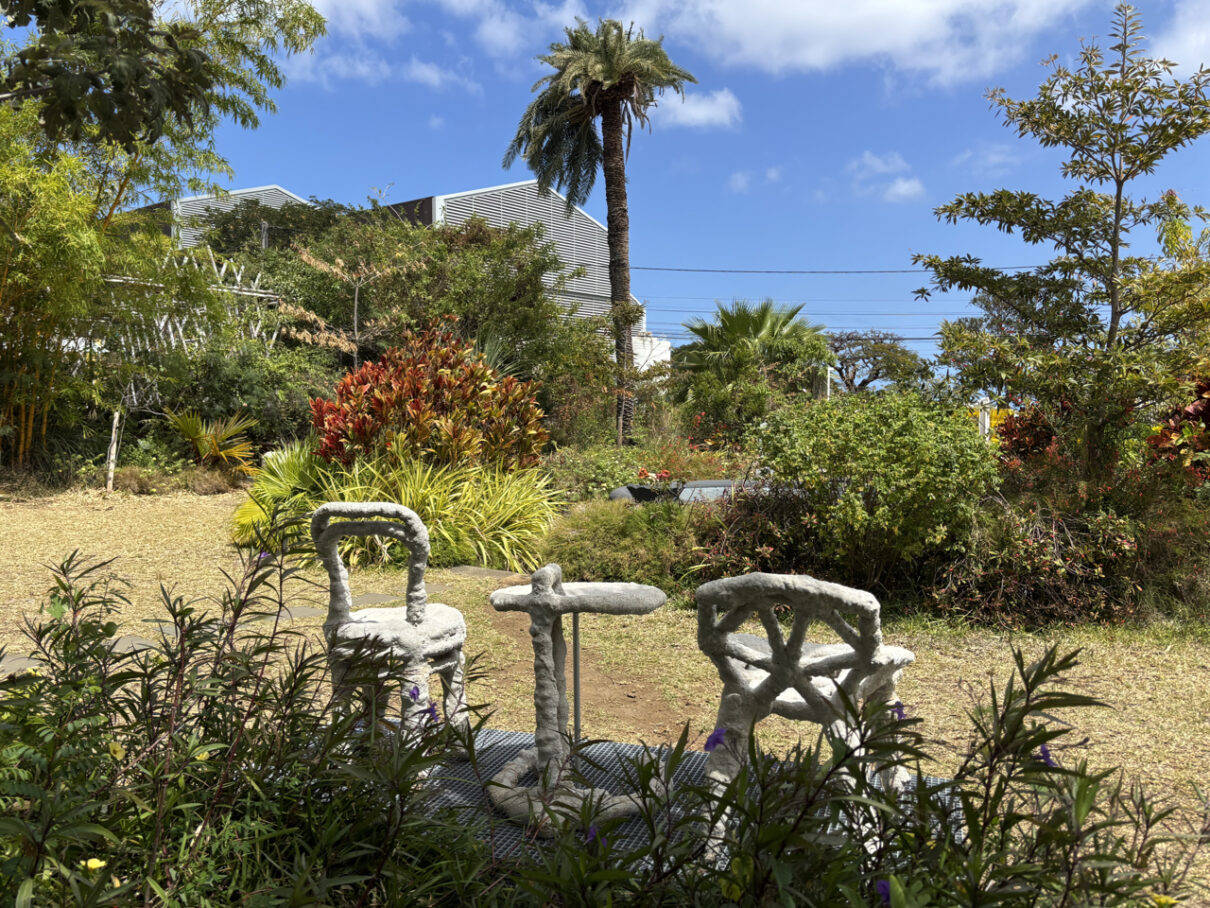
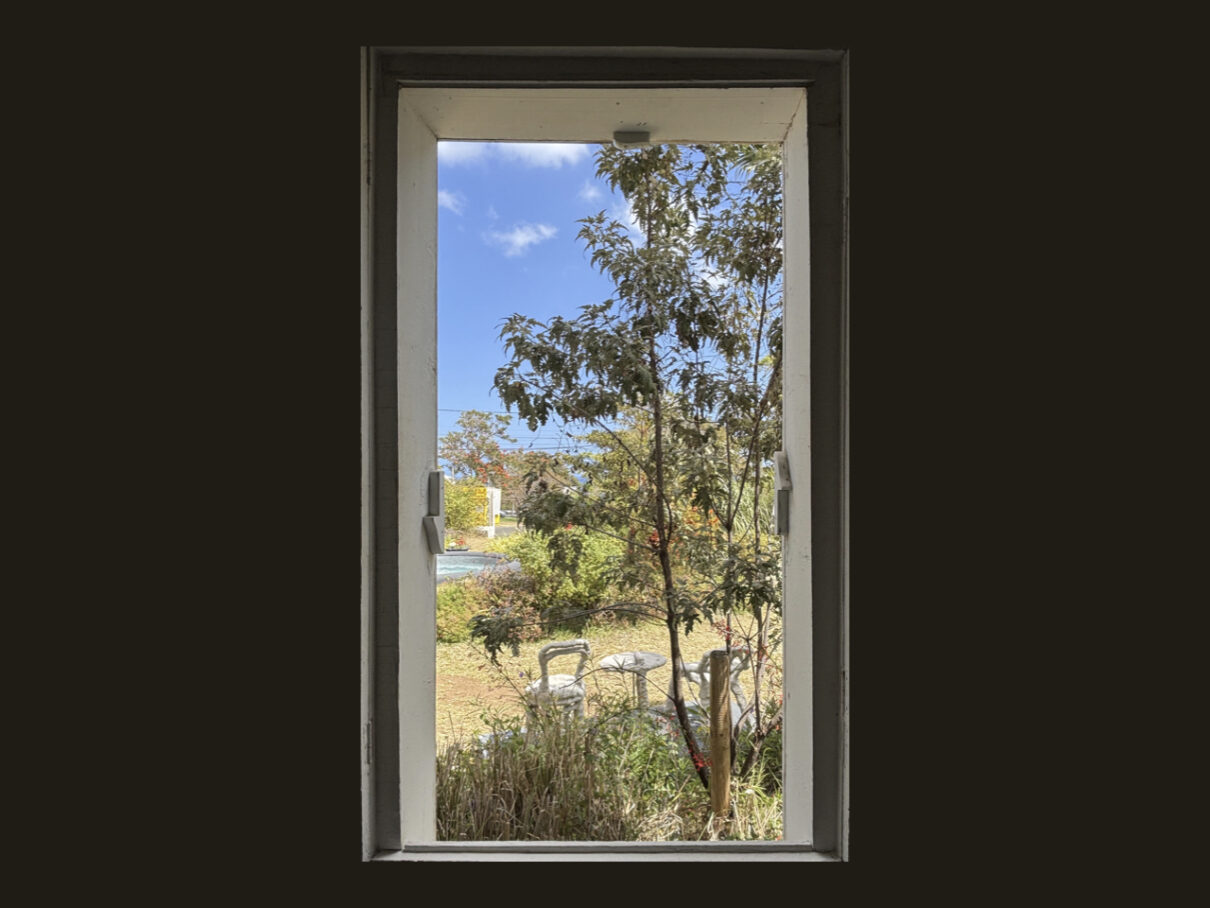
Il actait a remise officielle des fossiles contemporains et du prototype de banc Kélonia, série de pièces de la Mineral Accretion Factory, au CNAP, leur mise en dépôt permanent au FRAC Réunion et leur exposition dans le Jardin Créole de la Maison Dussac qui abrite le FRAC. Il était également l’occasion du lancement de l’édition LOW /SLOW, Design et alterproduction situés.
« Sur une île où chaque ressource compte, et où les produits manufacturés sont intimement liés à la valse des conteneurs, comment inventer d’autres manières de produire ici et maintenant ? À La Réunion, David Énon esquisse une écologie de l’objet, située et durable.
À l’occasion de France Design Week 2025, le Frac Réunion inaugure la mise en place dans ses jardins des pièces du designer David Énon. Issues du projet de recherche Mineral Accretion Factory, produites à Saint-Leu dans les bassins de Kelonia, elles sont récemment acquises par le CNAP (Centre national des arts plastiques) et en dépôt permanent à La Réunion.
Cette journée, conçue en étroite collaboration avec la curatrice indépendante Anna Vrinat, constitue aussi la sortie officielle de l’ouvrage LOW/SLOW, Design et alterproduction situés (T&P Publishing, 2025), soutenu par le CNAP et cofinancé par l’ESA Réunion, l’ESAD TALM Angers et le FRAC Réunion. Conçu par David Énon et mis en récit par le graphiste Jean-Marc Ballée, ce livre de 336 pages explore un mode de production alternatif où design et écologie s’entrelacent.
Mineral Accretion Factory : du corail au design
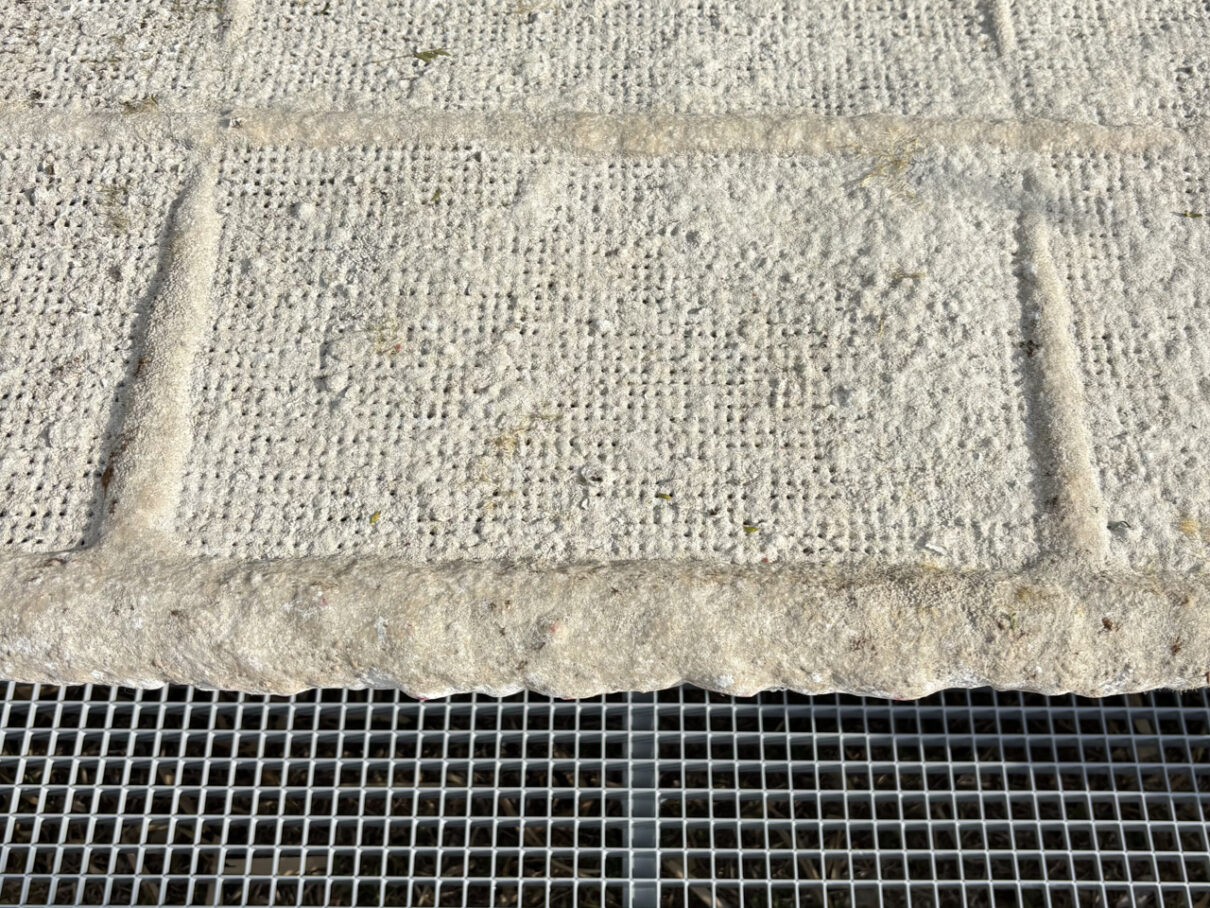
Depuis plus de dix ans, David Énon détourne un procédé scientifique initialement destiné à la régénération des récifs coralliens — l’accrétion minérale — pour inventer un mode de fabrication d’objets inédit. Des structures métalliques immergées deviennent supports à la croissance minérale et corallienne, générant chaises, bancs ou tables dont la matière se constitue au rythme de la mer. Ces formes hybrides, entre nature et industrie, posent un regard critique sur nos modèles de production et esquissent une écologie de l’objet.
Design situé & ressources insulaires
Dans un monde saturé par la surproduction, Mineral Accretion Factory ouvre une réflexion radicale sur la gestion des ressources en contexte insulaire. À La Réunion, territoire marqué par l’importation massive de biens manufacturés et la vulnérabilité des écosystèmes marins, le projet propose une alternative locale, low-tech et slow-tech, respectueuse des rythmes naturels. Il esquisse une économie de la lenteur où l’environnement n’est plus une ressource à exploiter mais un partenaire de création. »
Anna Vrinat
(extrait du communiqué de presse)
Cet évènement est organisé avec le soutien du CNAP et du programme
Mieux produire, mieux diffuser du ministère de la Culture.
—
LOW /SLOW
(Design and alternative site-specific production)
This event took place at FRAC Réunion on Saturday, September 13, 2025.
It marked the official handover of the contemporary fossils and the Kélonia bench prototype—a series of pieces from the Mineral Accretion Factory—to the CNAP, their permanent deposit at FRAC Réunion, and their exhibition in the Jardin Créole of the Maison Dussac, which houses the FRAC. It also served as the launch of the book LOW /SLOW, Design et alterproduction situés.
“On an island where every resource counts, and where manufactured goods are intimately linked to the constant flow of shipping containers, how can we invent other ways of producing here and now? In Réunion, David Énon sketches out a situated and sustainable ecology of the object.
On the occasion of France Design Week 2025, the Frac Réunion is inaugurating the installation in its gardens of pieces by designer David Énon. Stemming from the Mineral Accretion Factory research project and produced in Saint-Leu in the Kelonia basins, they were recently acquired by the CNAP (National Center for Visual Arts) and are on permanent loan to Réunion.
This event, organized in close collaboration with independent curator Anna Vrinat, also marks the official launch of the book LOW /SLOW, Design et alterproduction situés (T&P Publishing, 2025), supported by the CNAP and co-funded by ESA Réunion, ESAD TALM Angers, and FRAC Réunion. Conceived by David Énon and narrated by graphic designer Jean-Marc Ballée, this 336-page book explores an alternative mode of production where design and ecology intertwine.
Mineral Accretion Factory: From Coral to Design
For over a decade, David Énon has been repurposing a scientific process originally intended for the regeneration of coral reefs—mineral accretion—to invent a novel method of creating objects. Submerged metal structures serve as supports for mineral and coral growth, generating chairs, benches, or tables whose material forms in time with the rhythm of the sea. These hybrid forms, straddling nature and industry, offer a critical perspective on our production models and sketch out an ecology of the object.
Site-Specific Design & Island Resources
In a world saturated by overproduction, Mineral Accretion Factory initiates a radical reflection on resource management in an island context. In Réunion, a territory marked by the massive importation of manufactured goods and the vulnerability of marine ecosystems, the project proposes a local, low-tech, and slow-tech alternative that respects natural rhythms. It sketches out an economy of slowness where the environment is no longer a resource to be exploited but a partner in creation.”
Anna Vrinat
(excerpt from the press release)
This event is organized with the support of the CNAP
and the Produce Better, Distribute Better program of the Ministry of Culture.
> Vers le projet Mineral Accretion Factory
> Vers Le banc Kelonia / Kelonia Bench
> Vers les fossiles contemporains / The contemporary fossils