MINERAL ACCRETION FACTORY
[2011 > on progress ]
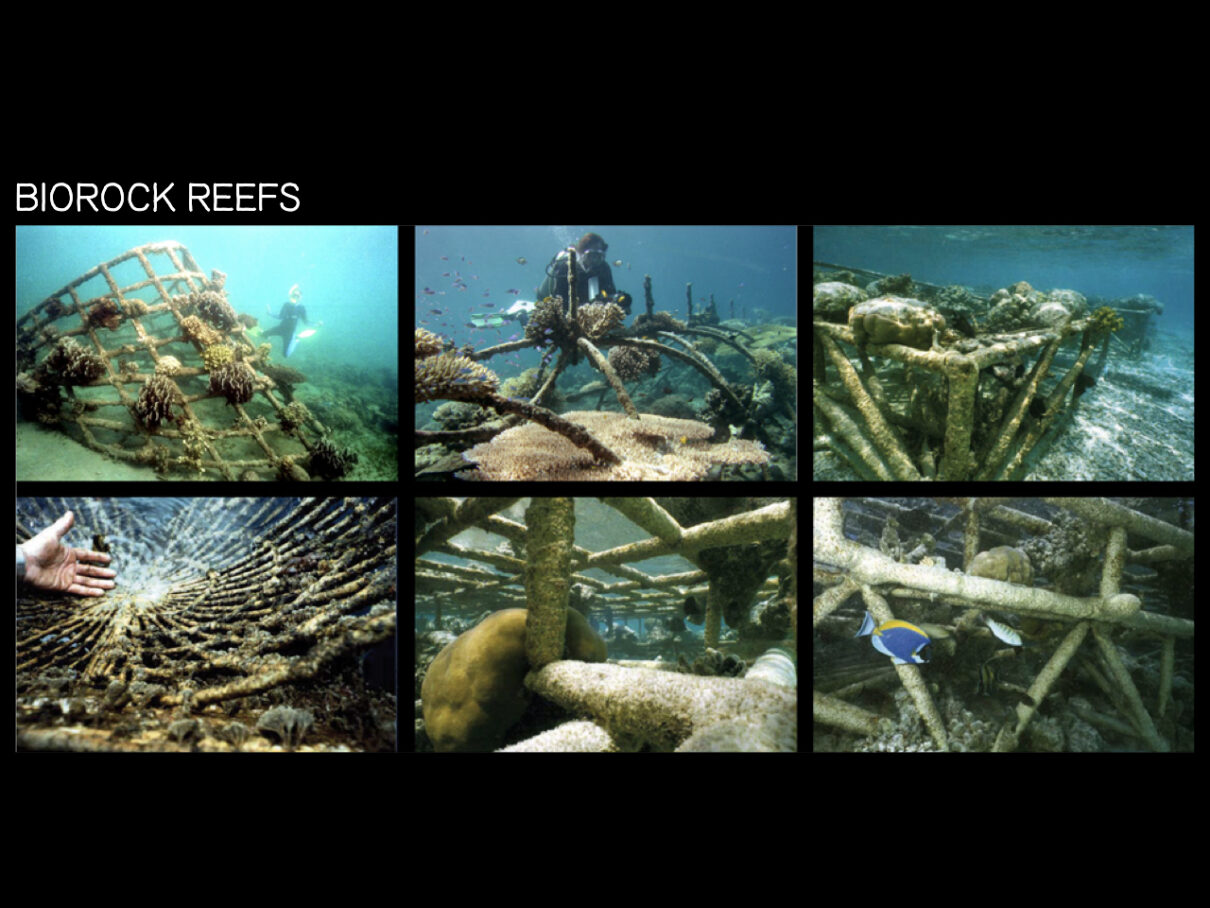
Mineral Accretion Factory est un système de production de mobilier et d’objets qui utilise le procédé de production de récifs artificiels “Biorock” développé par l’architecte/biologiste Pr. Wolf Hilbertz et le Biologiste Pr. Thomas J. Goreau pour la restauration des récifs coralliens et des fonds marins en général (faune, flore).
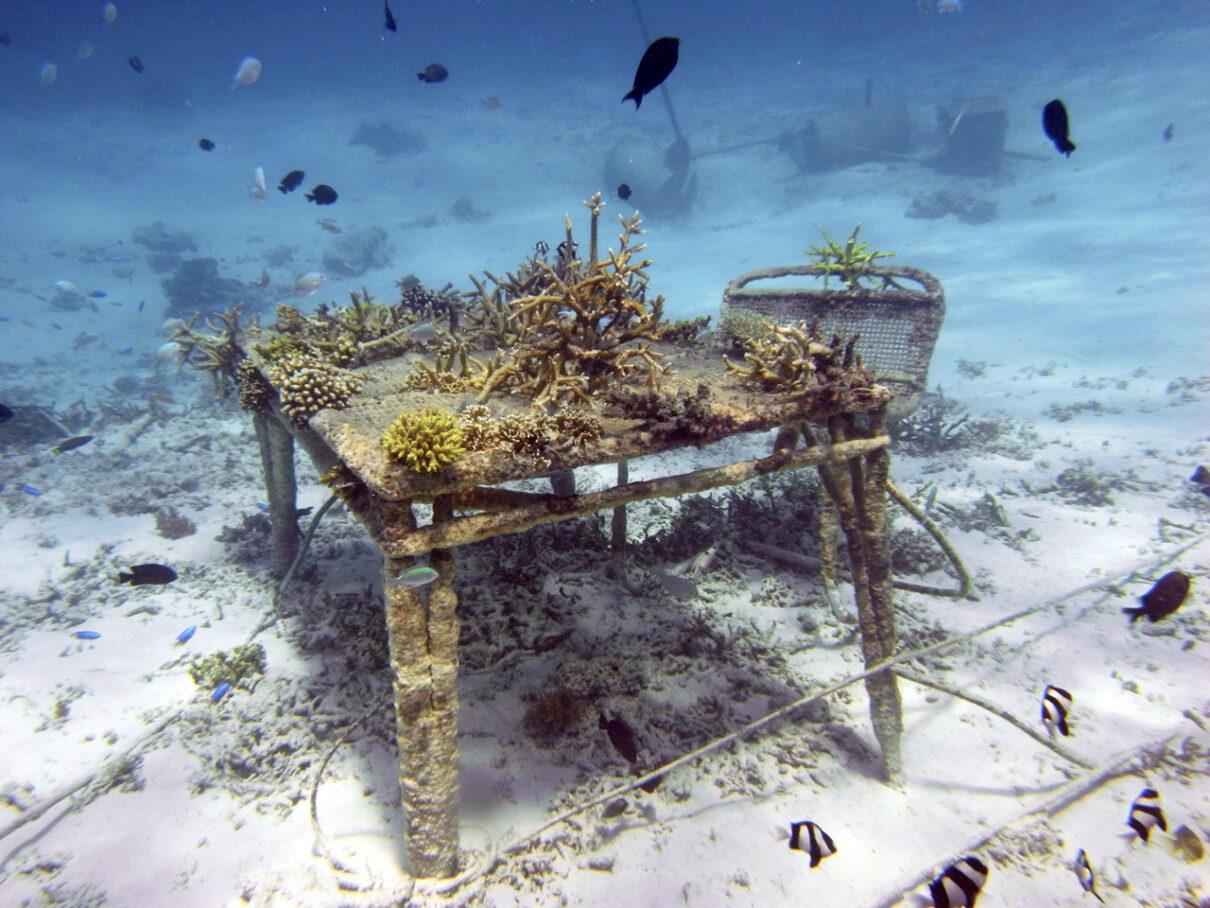
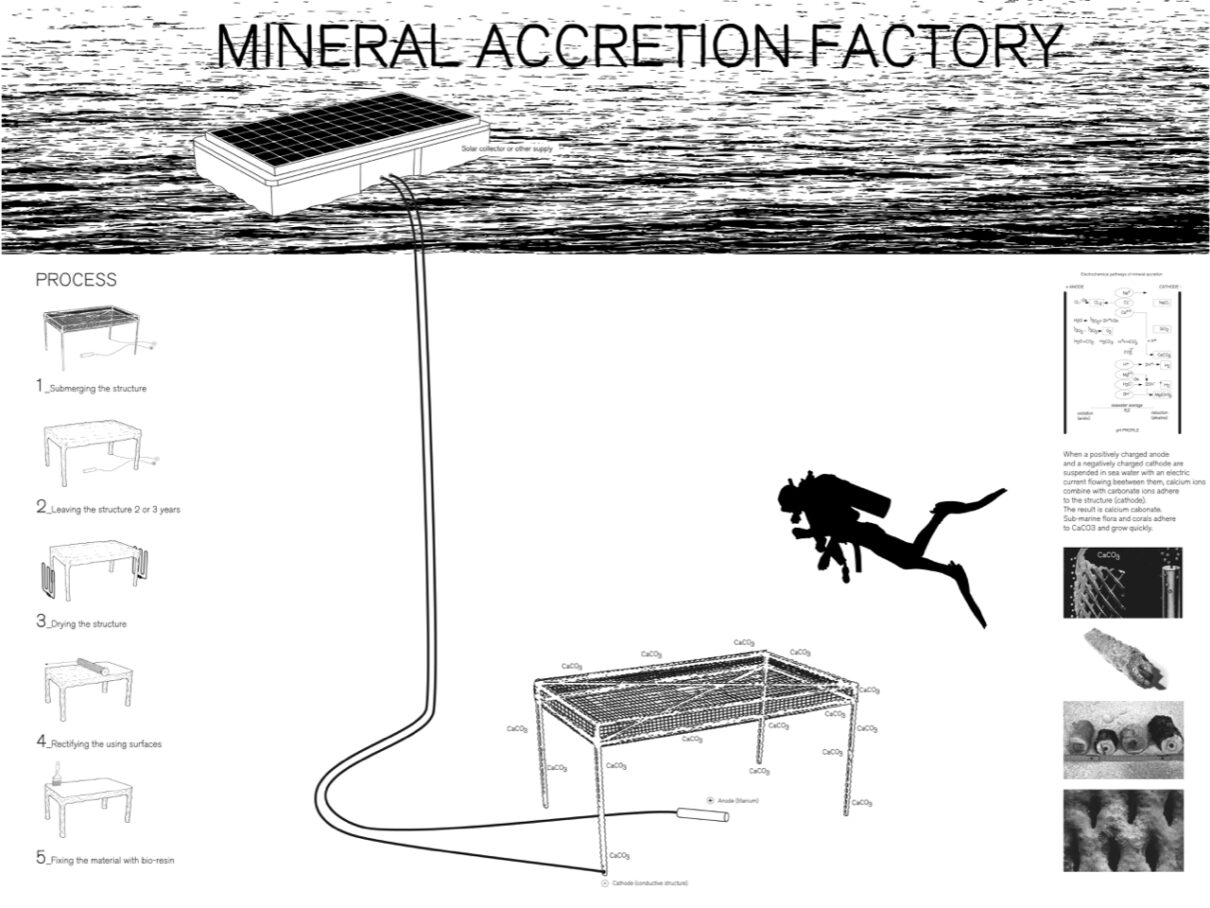
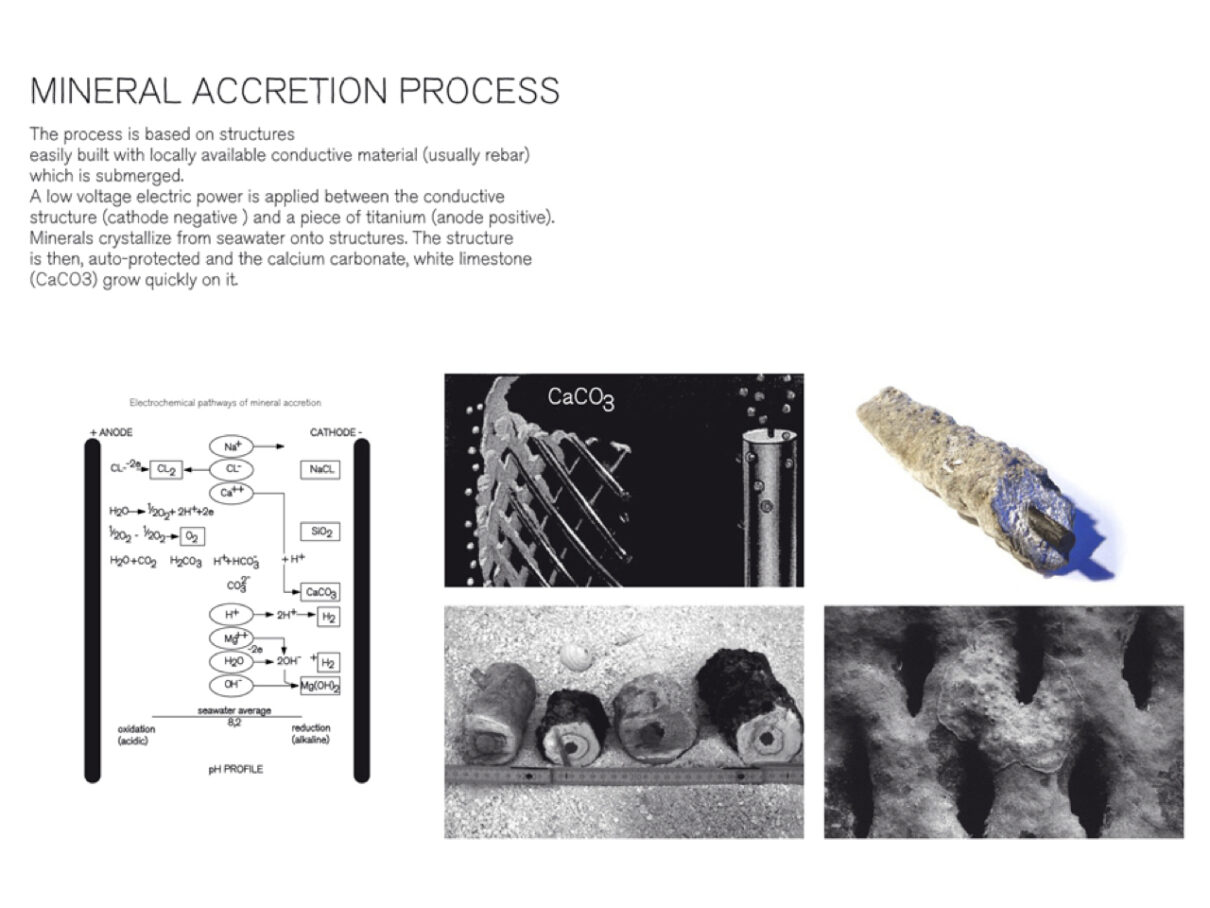
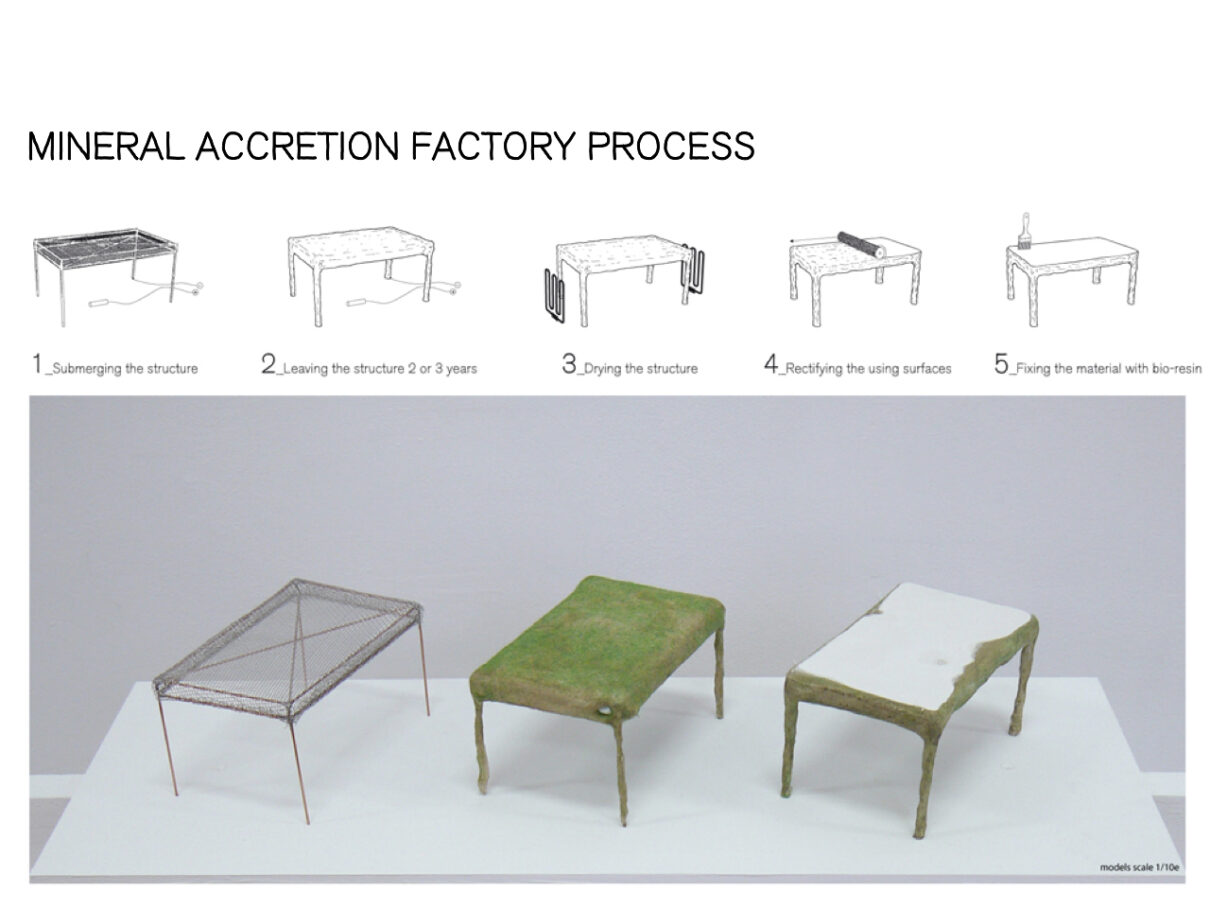
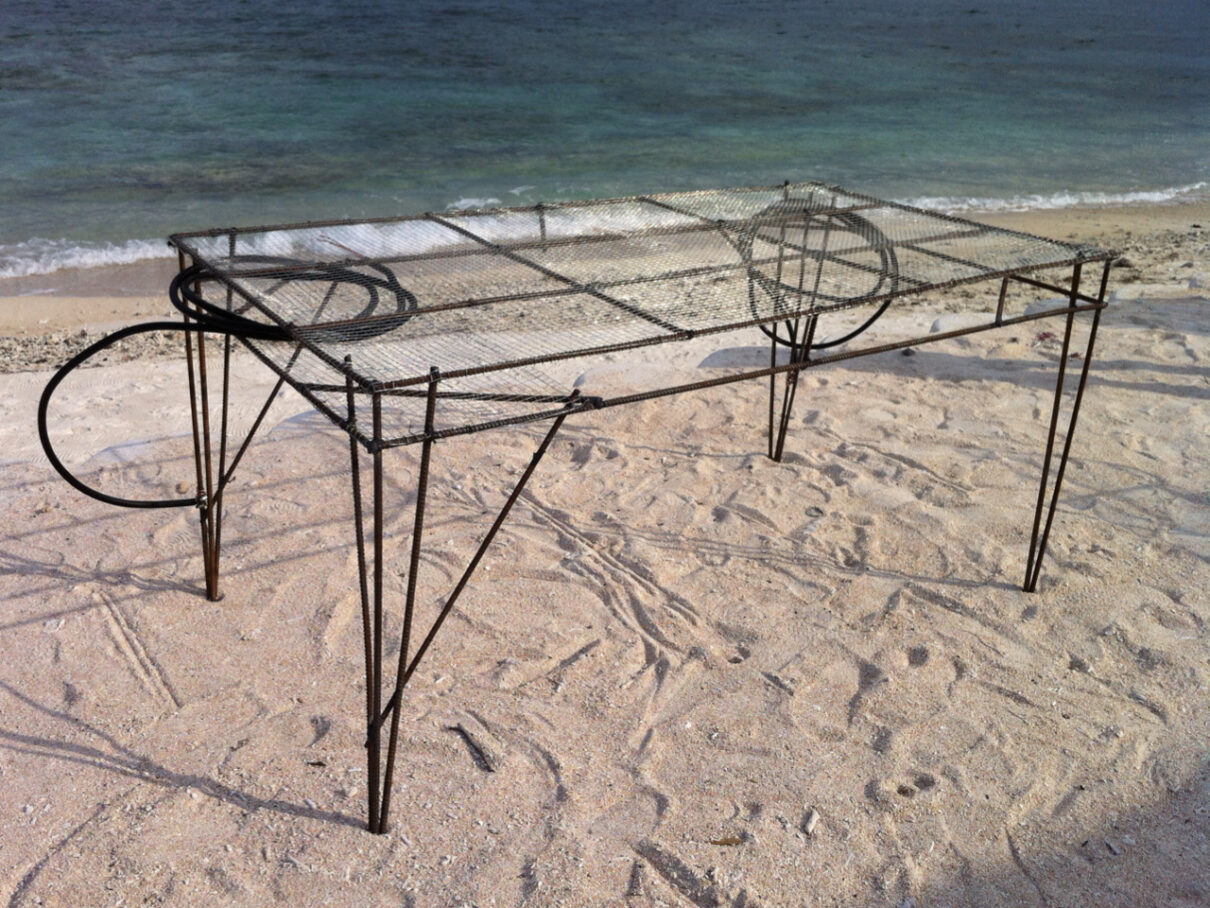
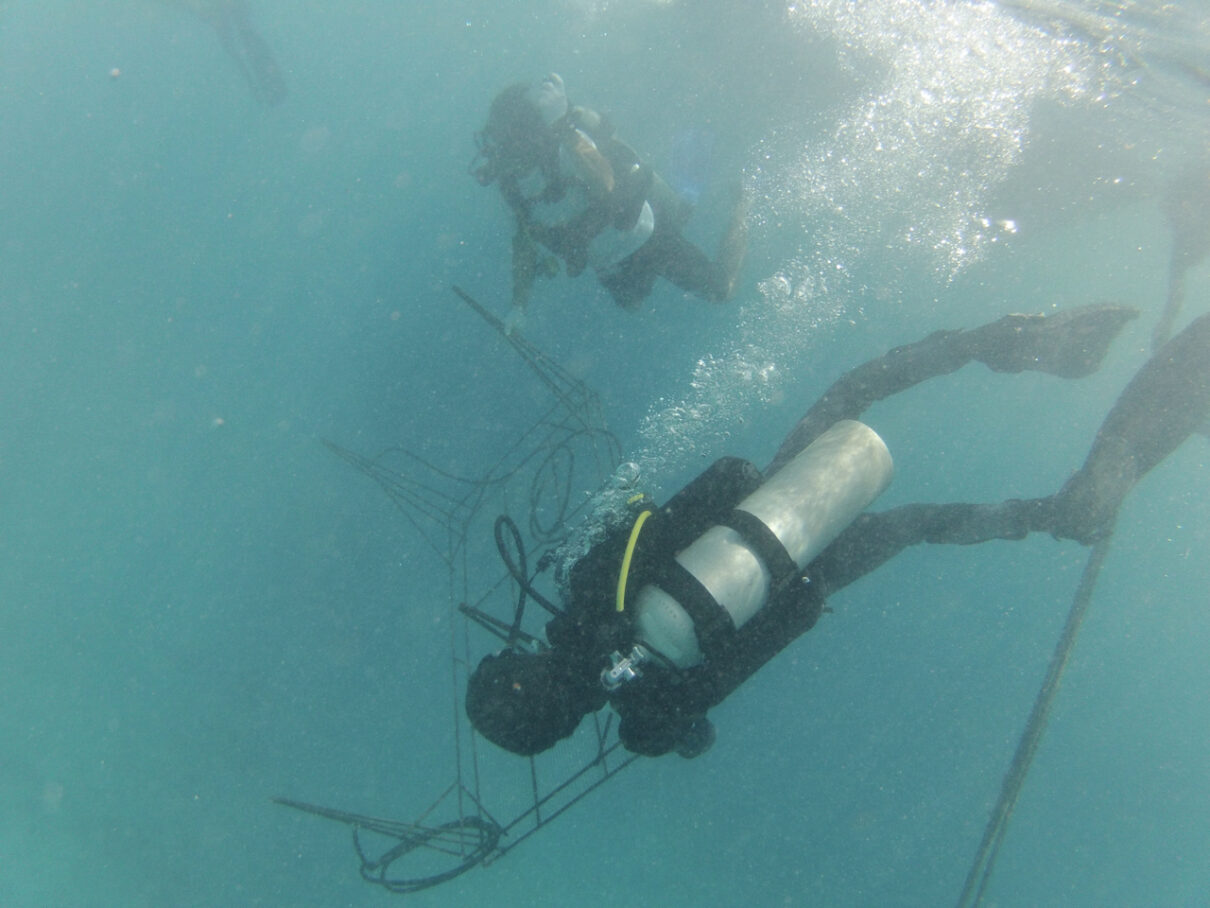
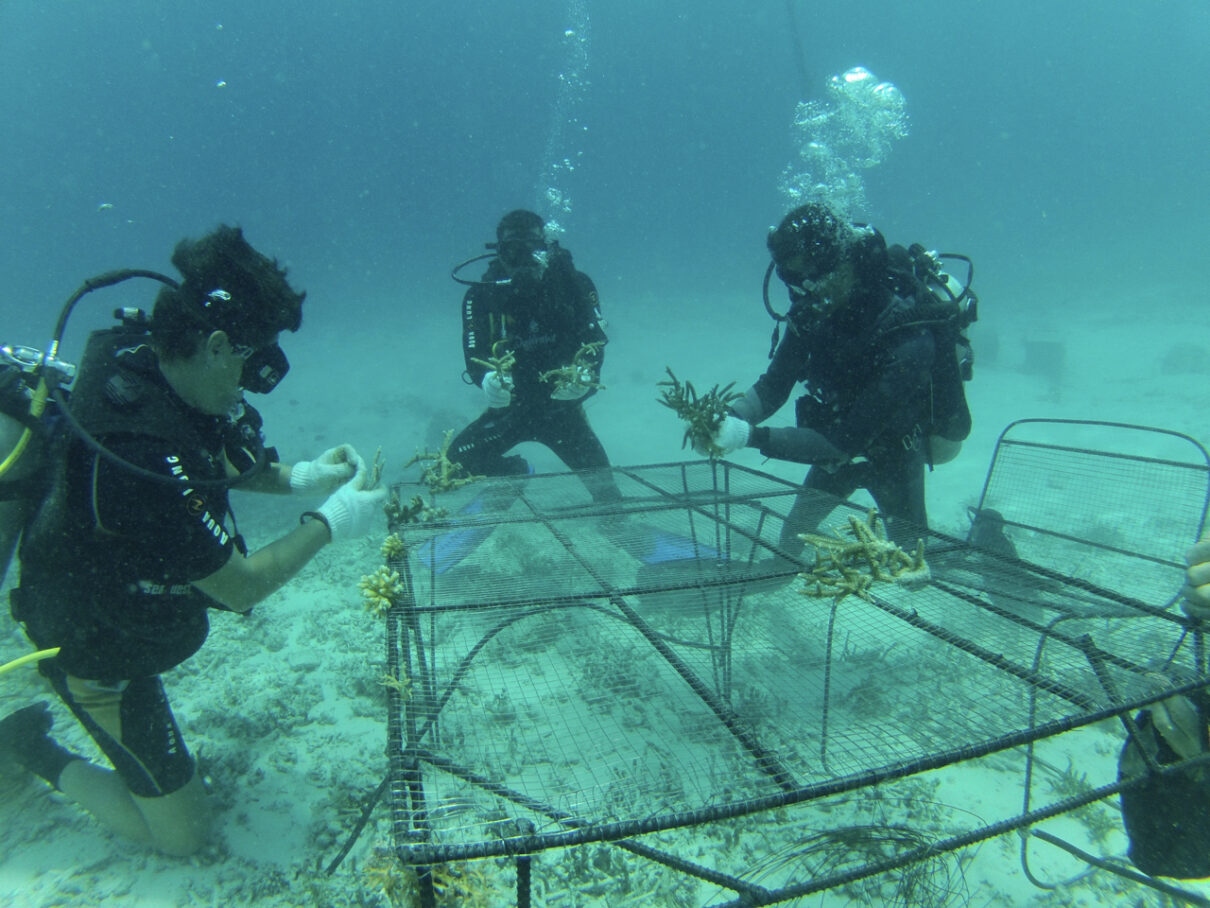
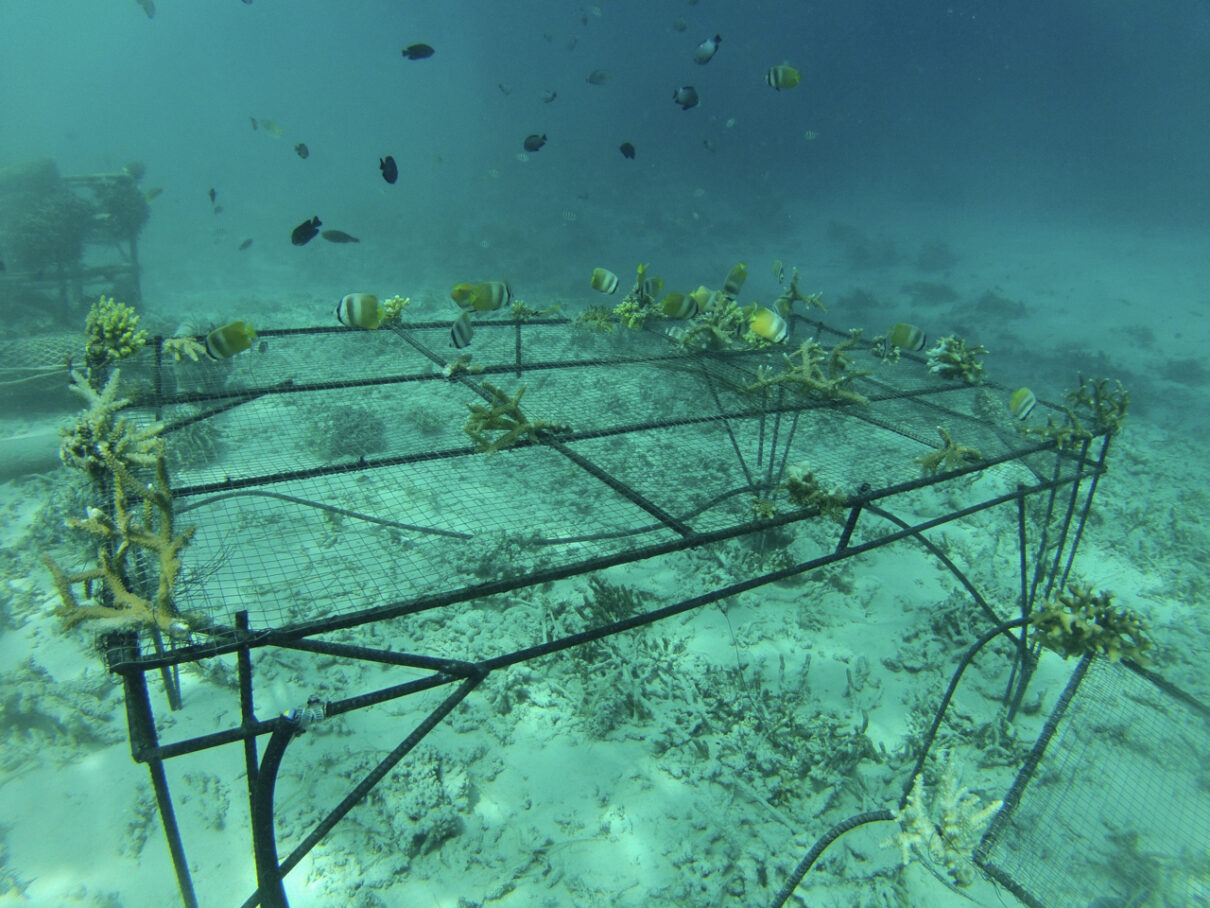
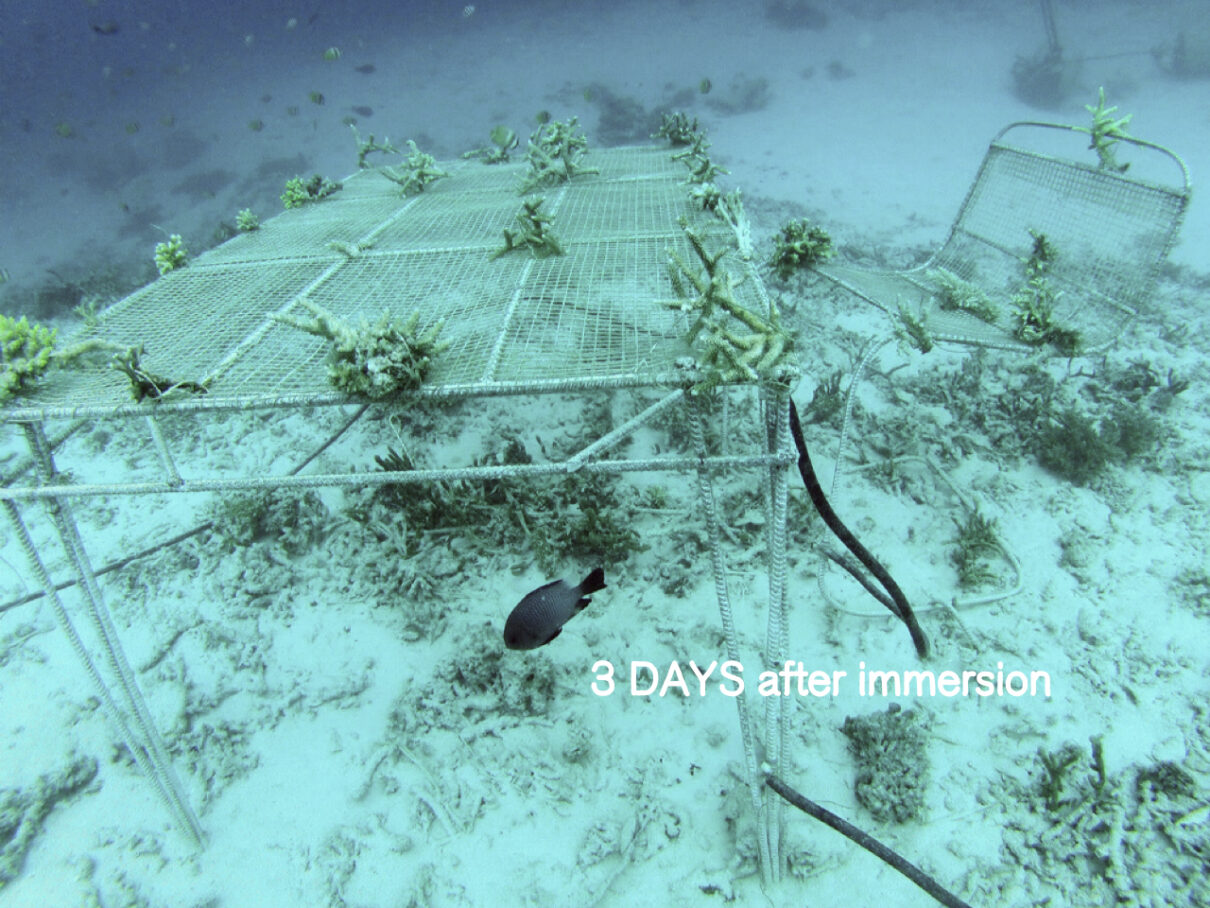
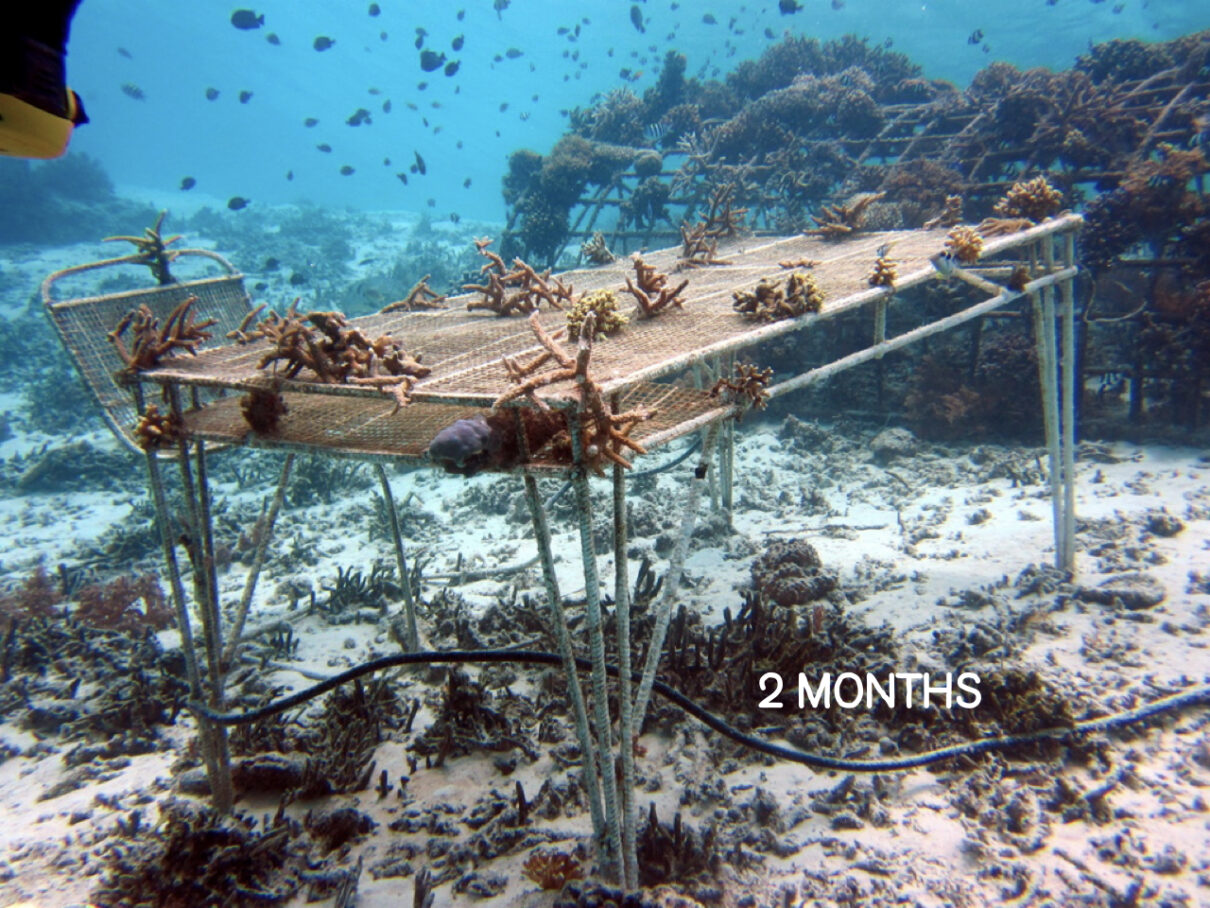
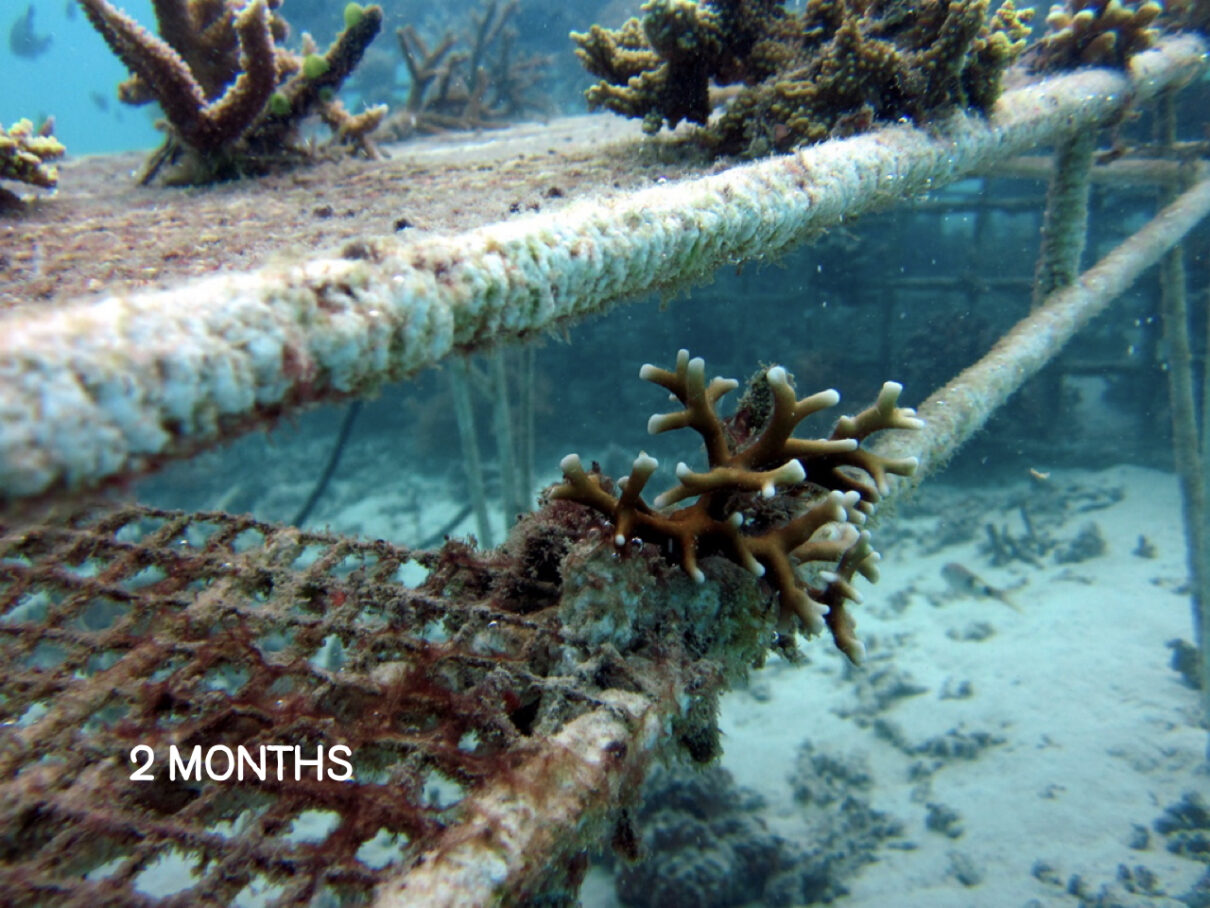
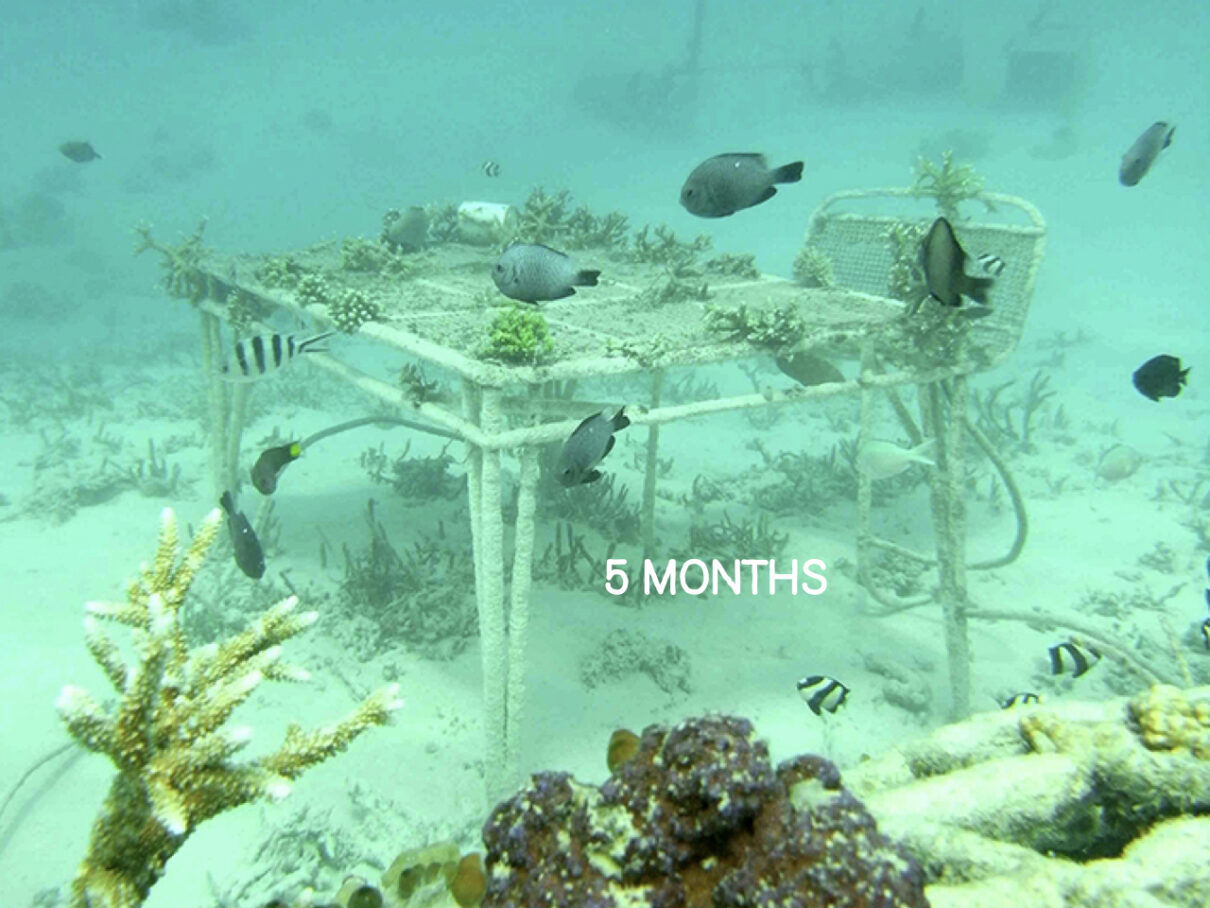
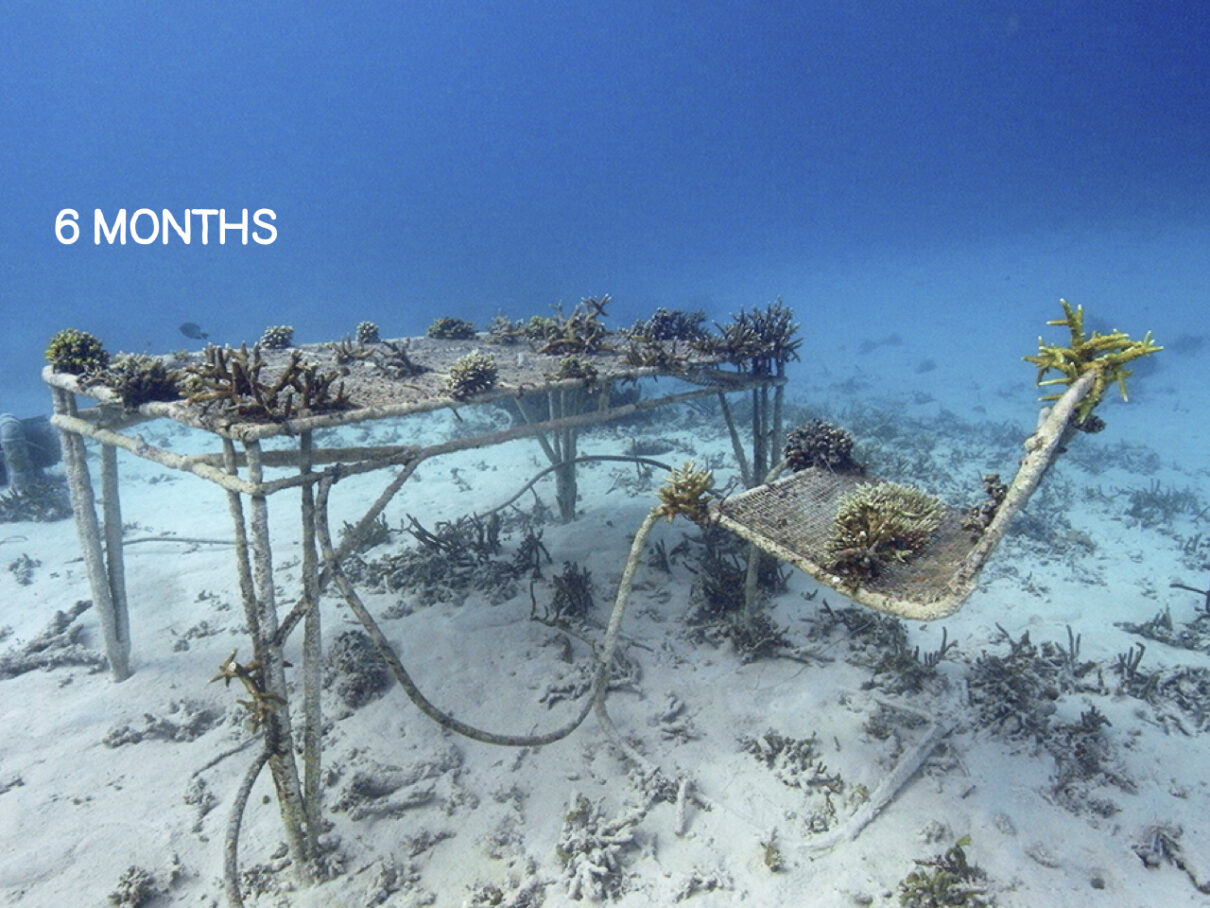
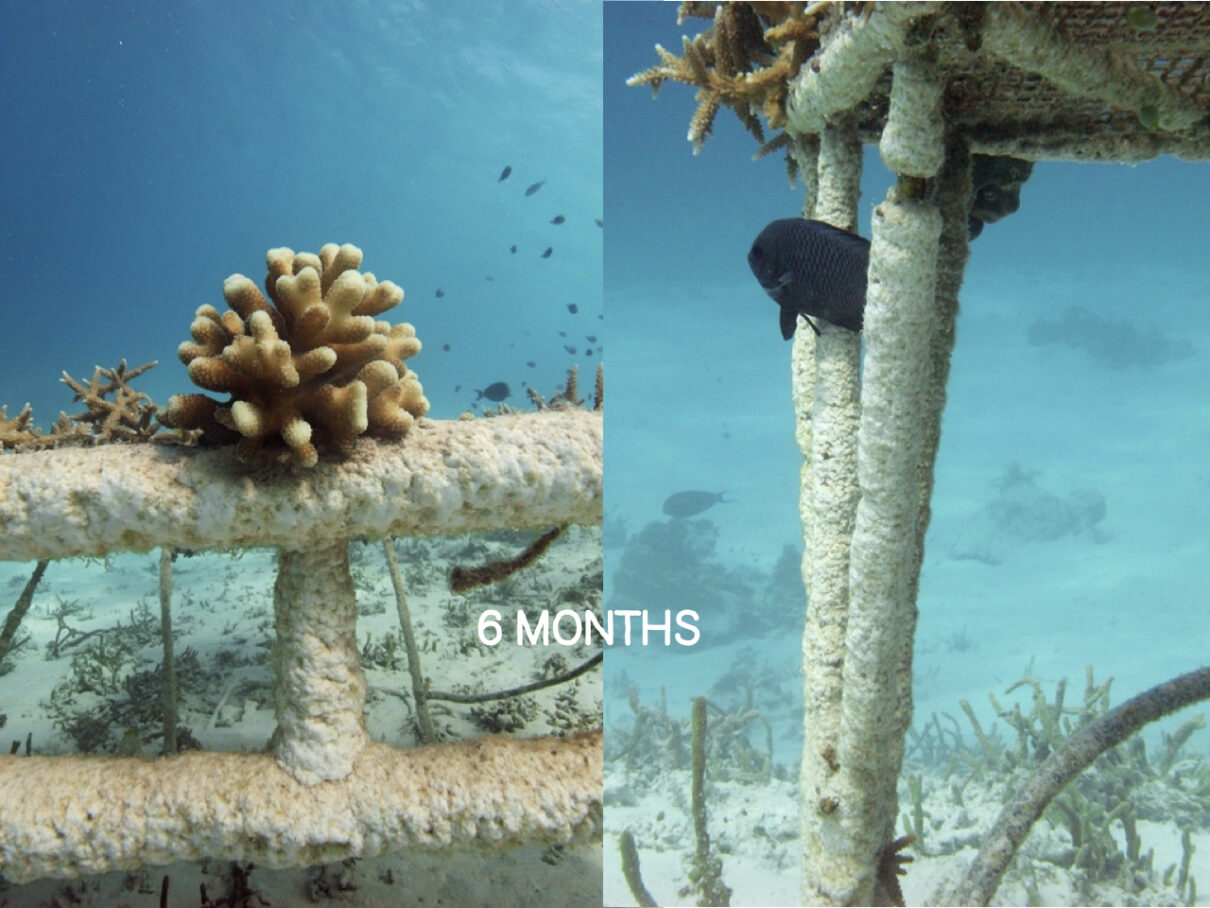
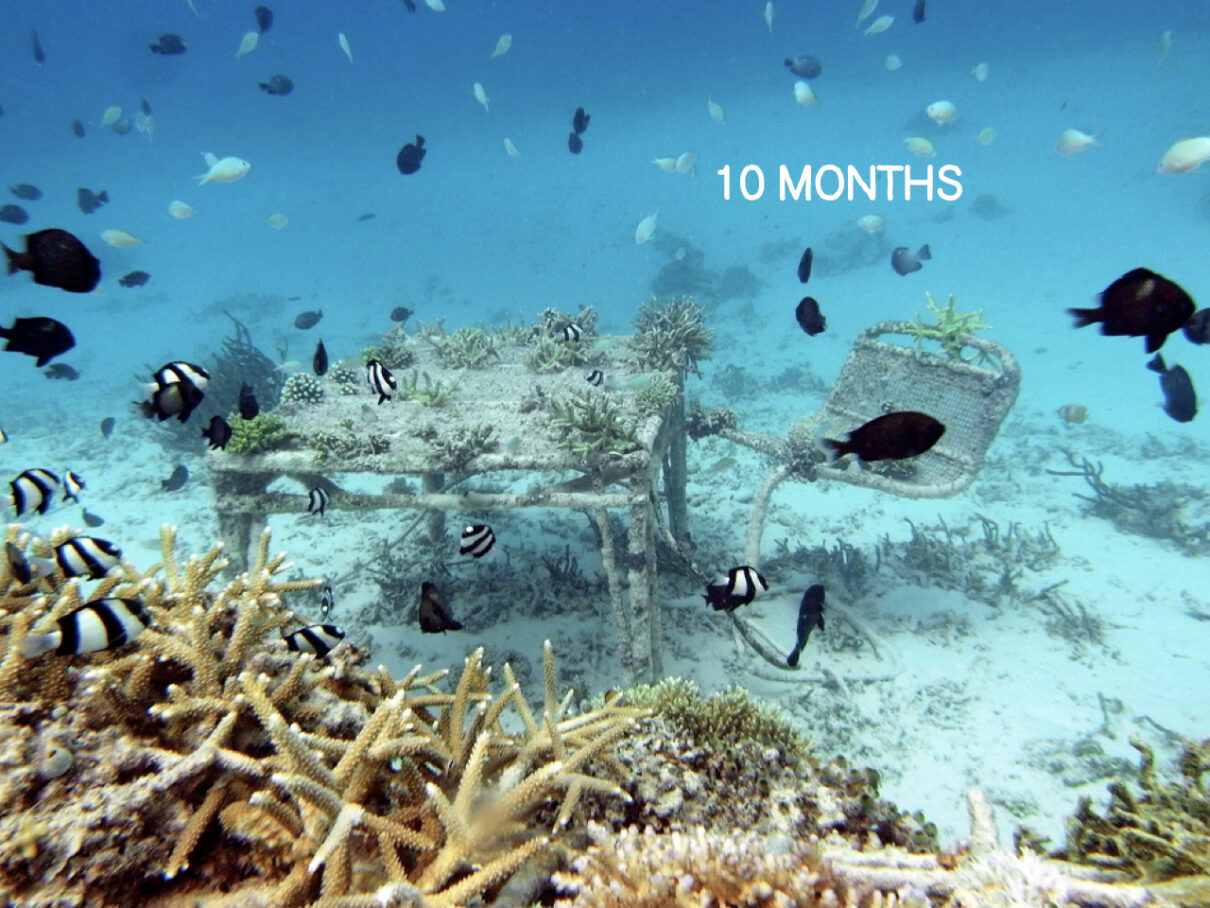
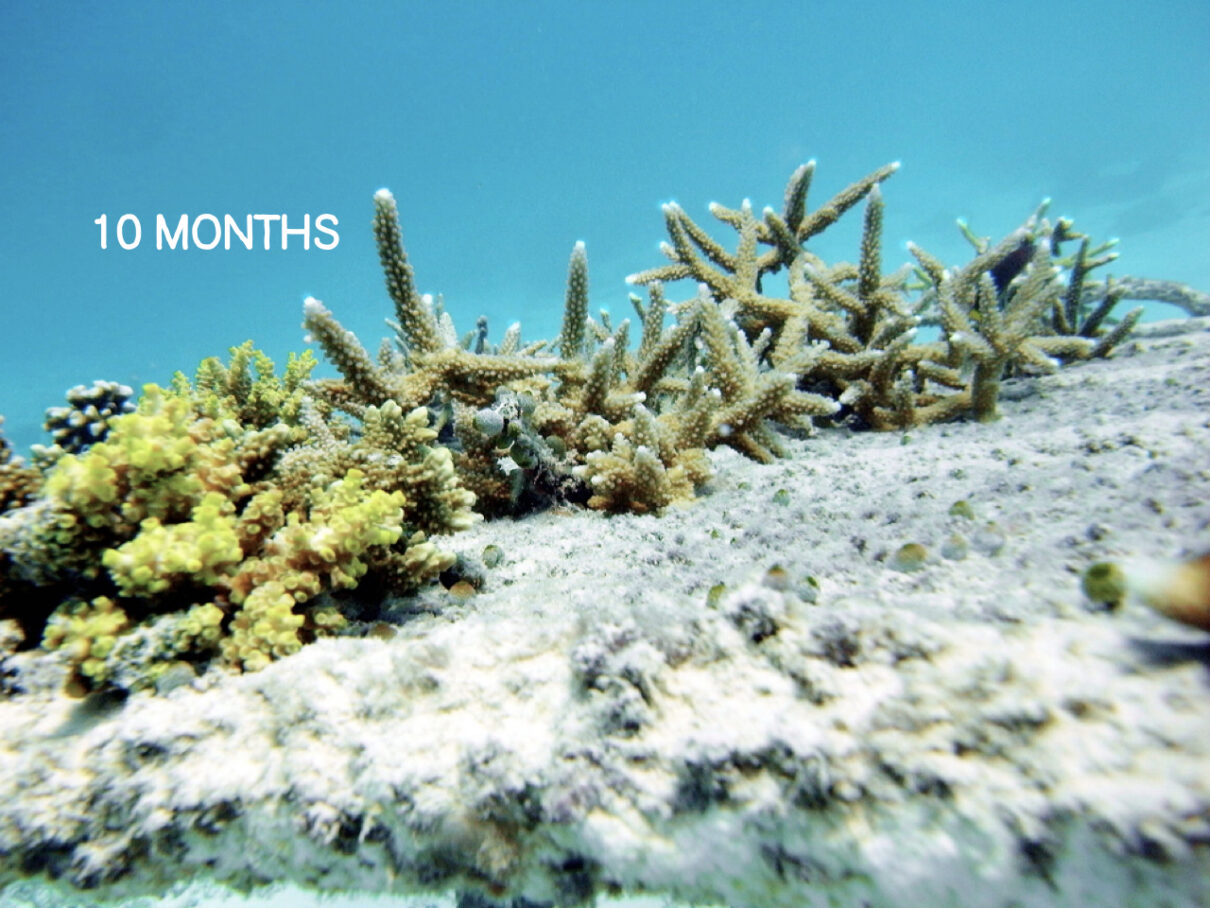
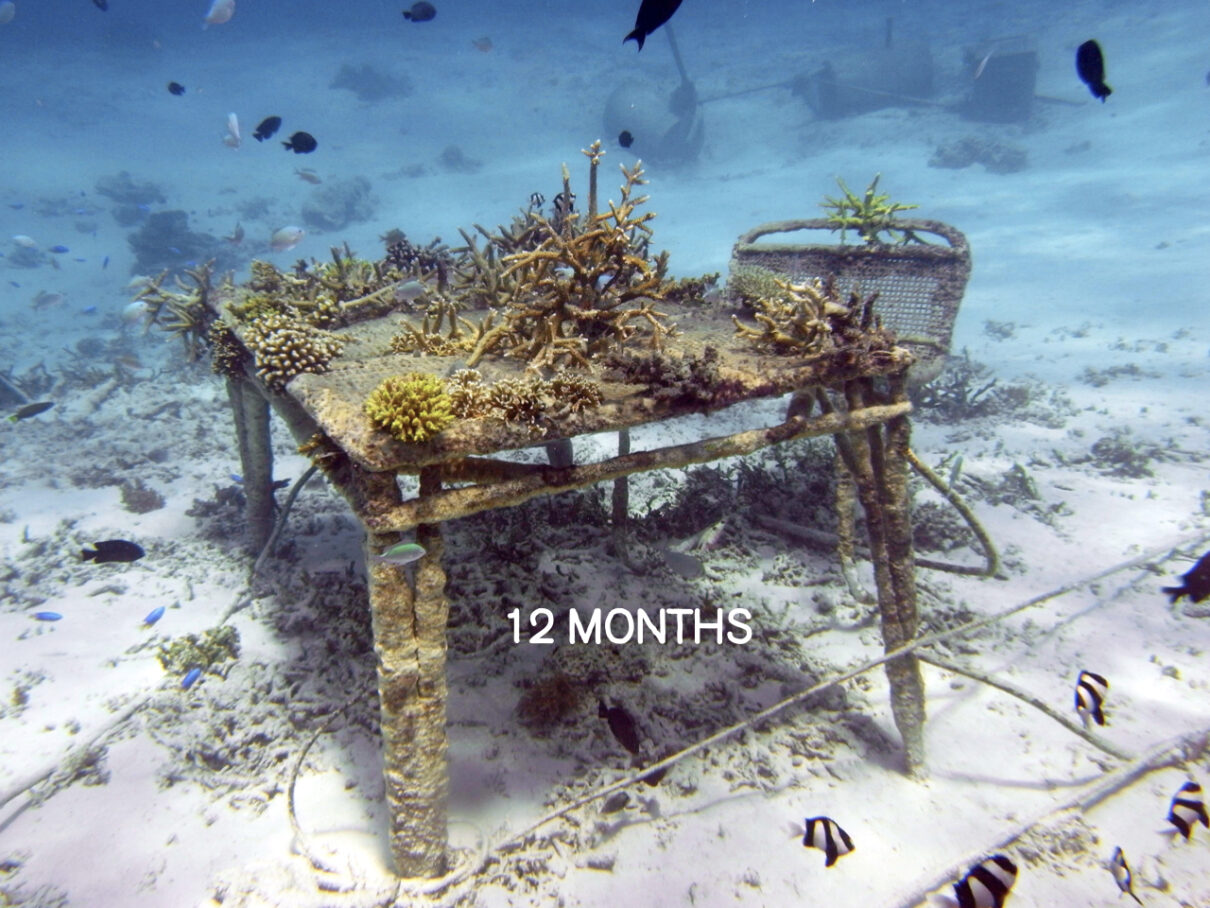
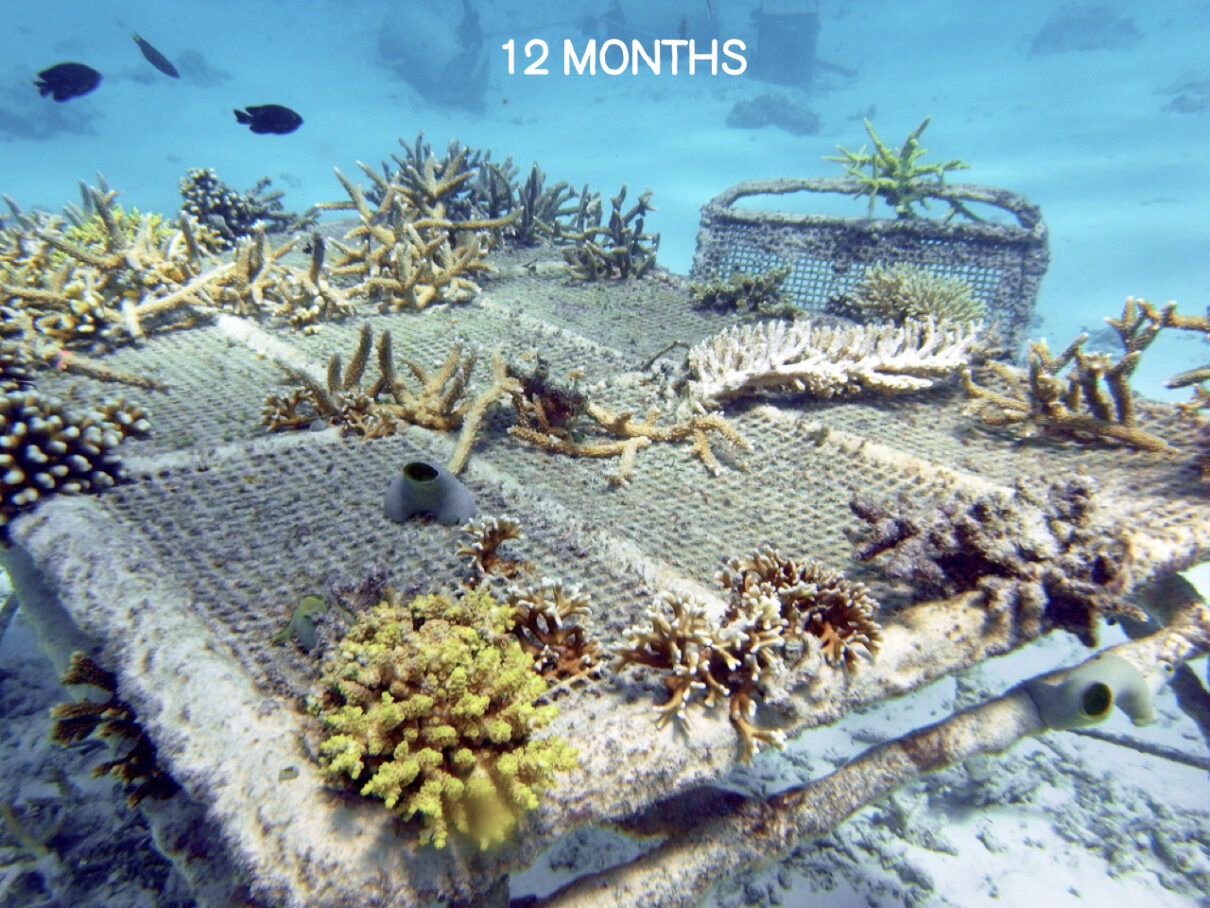
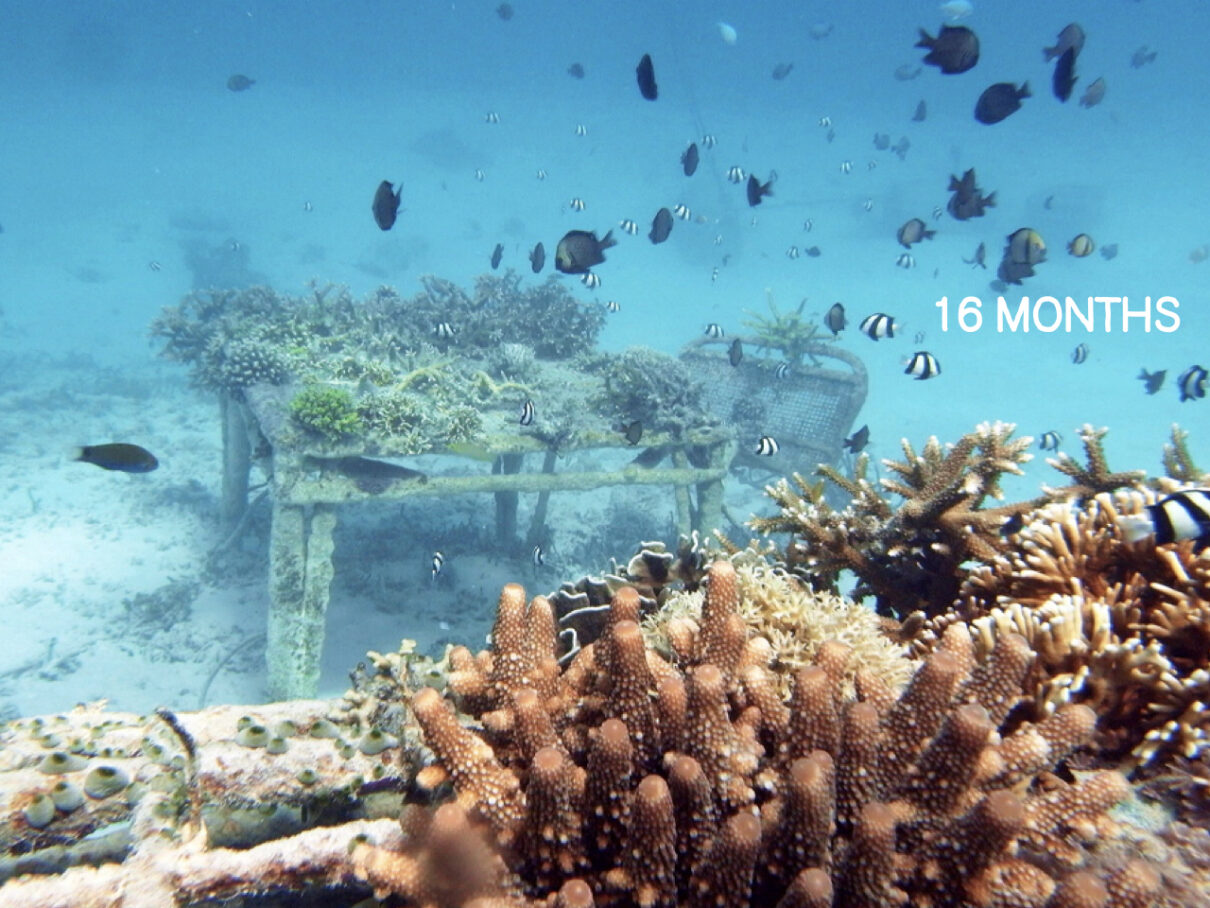
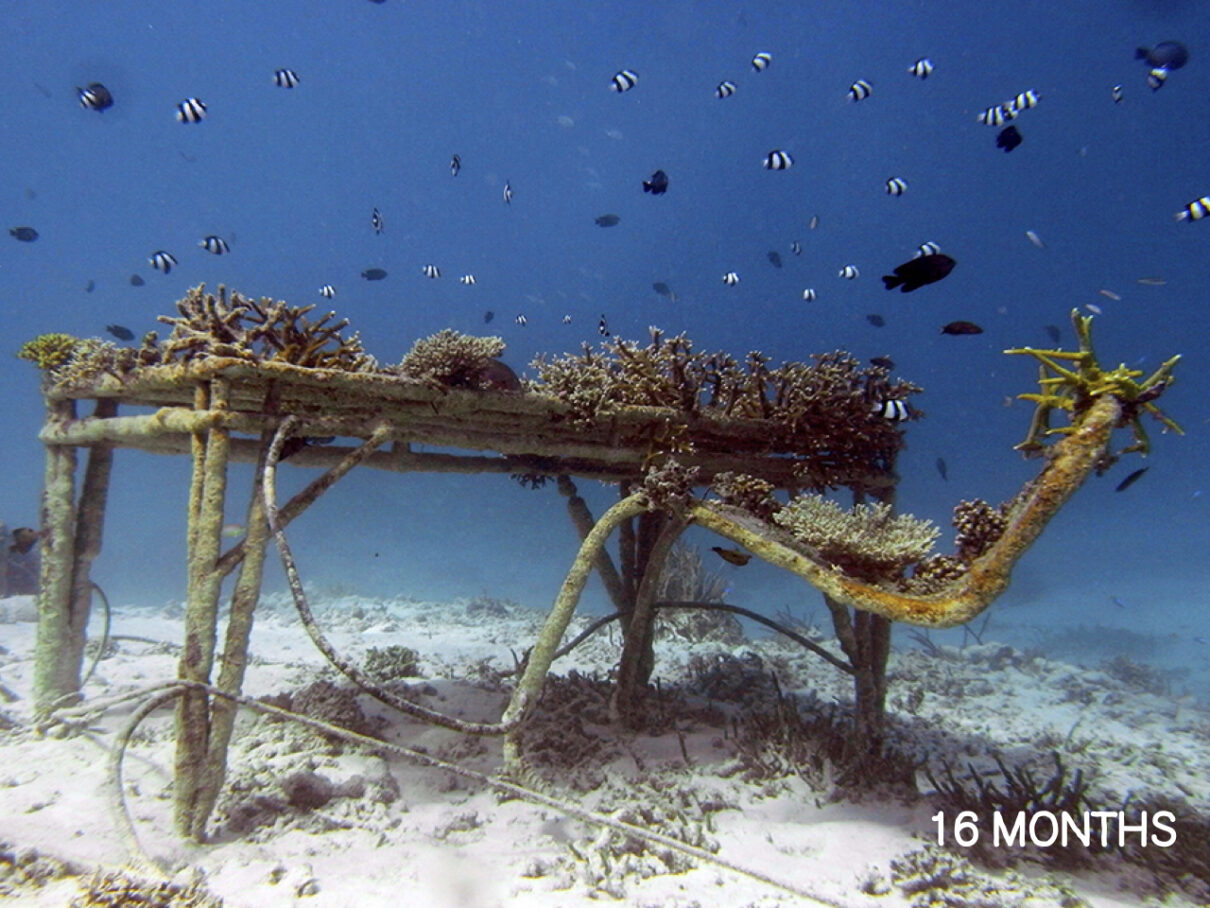
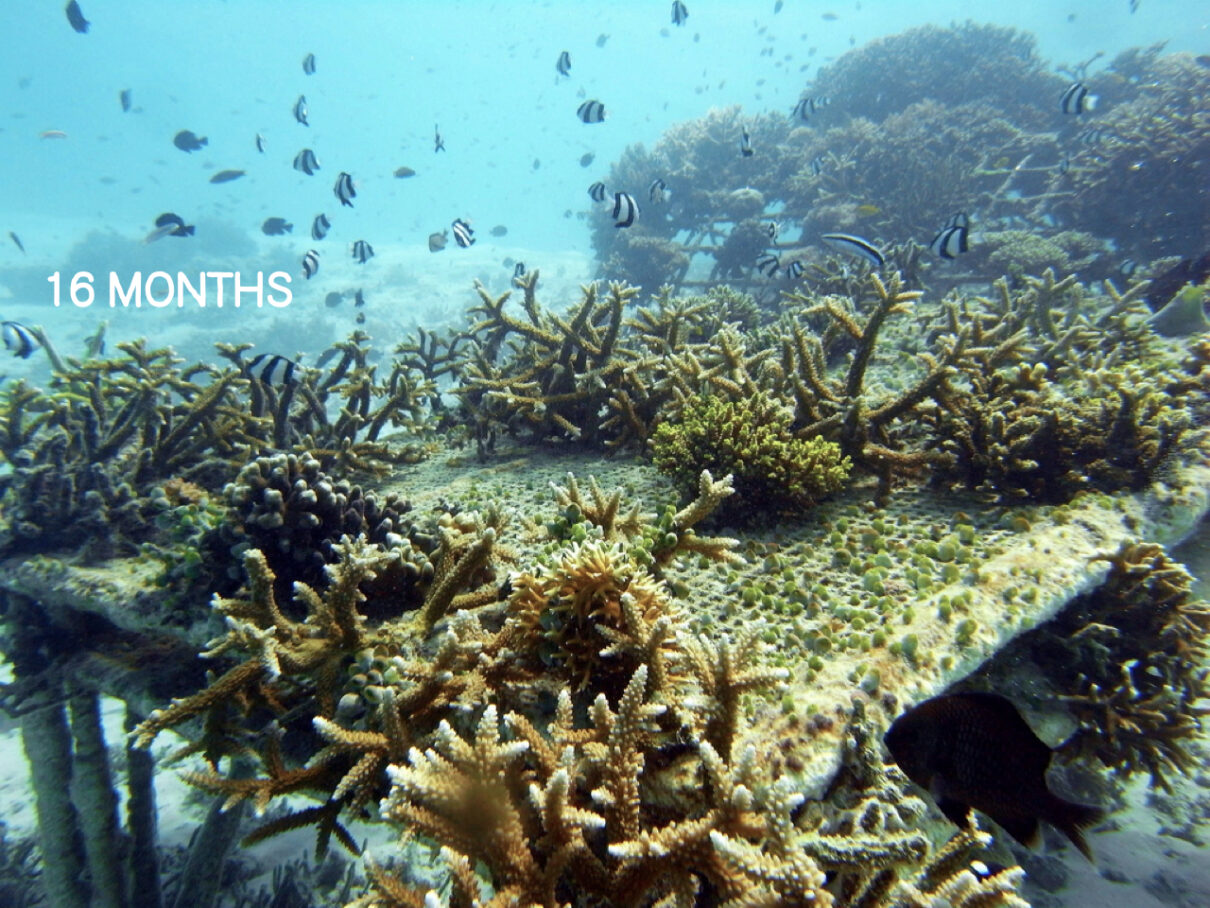
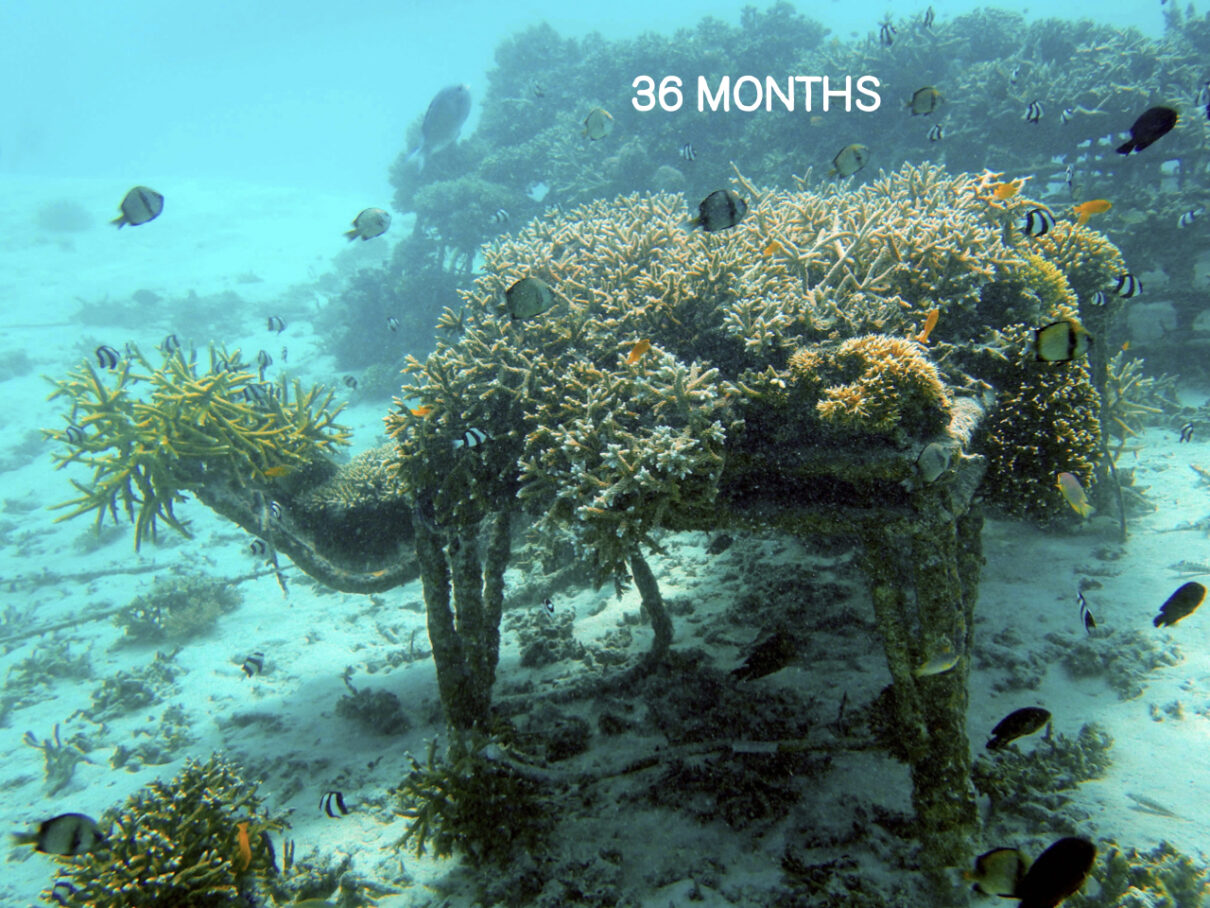
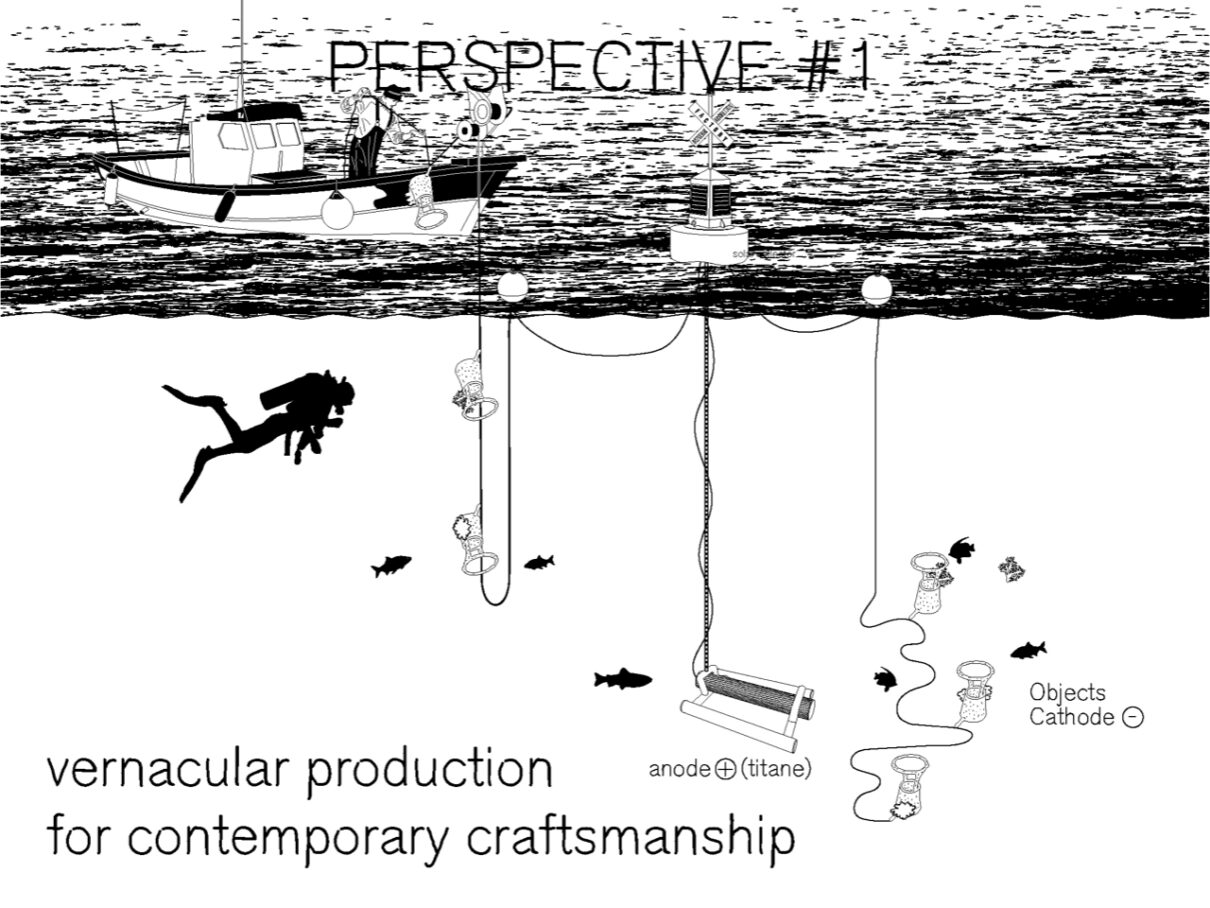
M.A.F. consiste en l’immersion d’une structure en acier (squelette d’objet) dans la mer, reliée à une source électrique basse tension (panneau solaire / éolienne). Une réaction d’oxydoréduction s’enclenche, le squelette s’auto protège puis l’objet s’auto génère. La matière principale de l’objet est un matériau issu des minéraux de l’océan.
M.A.F. permet de montrer qu’il est possible de produire autrement :
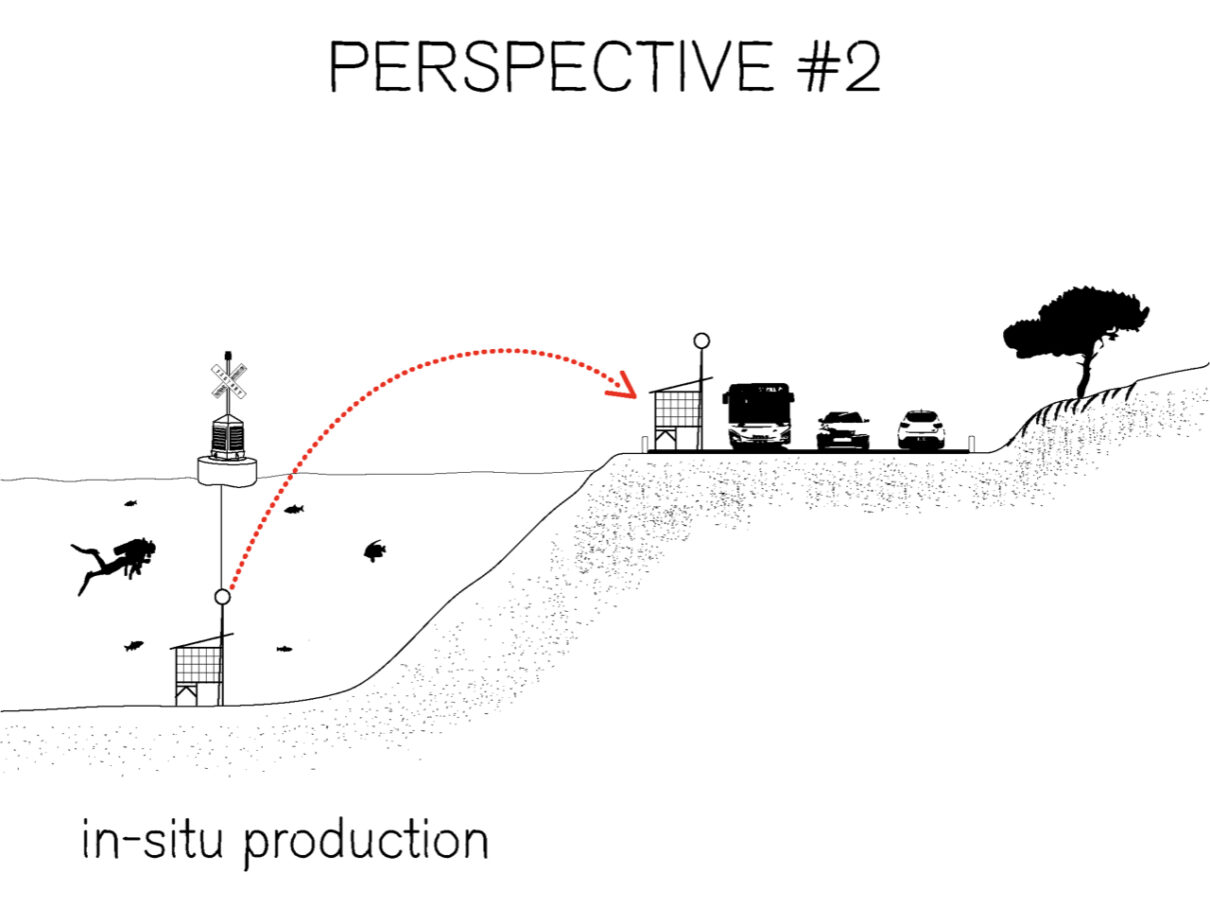
– au sein d’un dispositif naturel (sans usine)
– dans un rapport fort et direct au contexte
– avec un dispositif technique simple (low tech)
– en accord avec un rythme de production biologique (slow tech)
– dans une économie de gestes et de moyens.
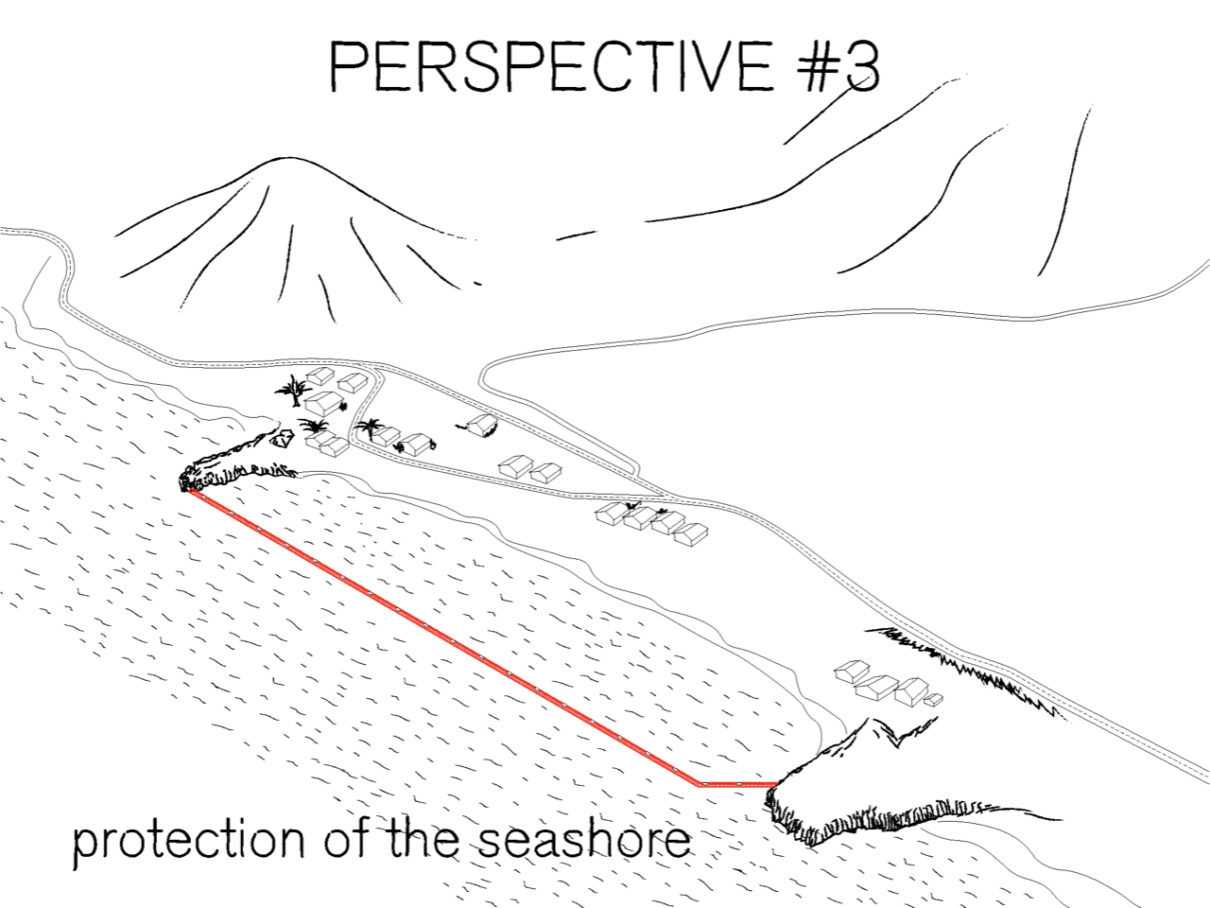
– avec un impact positif sur l’environnement
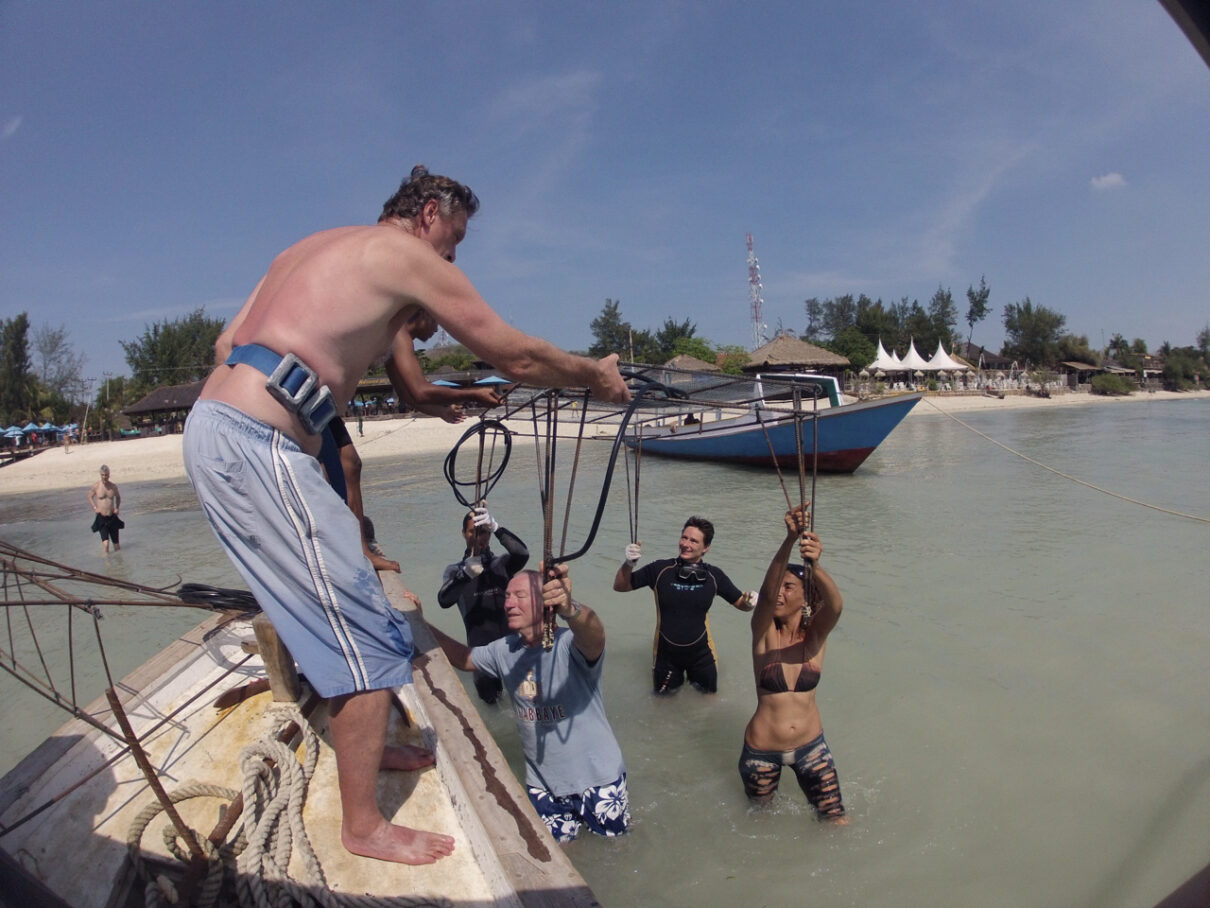
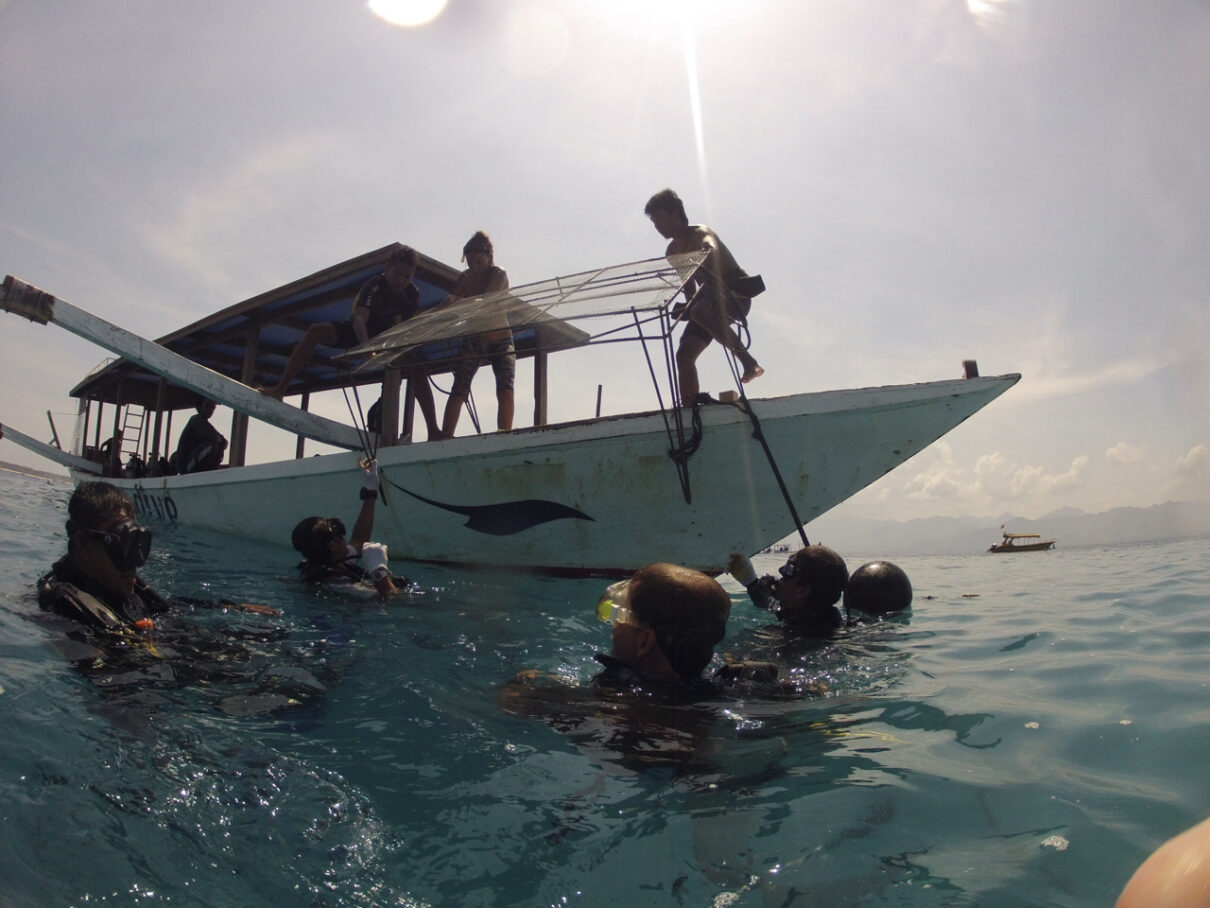
Grace au soutien du CN@P, le premier prototype a été mis en place en Novembre 2012 au large de l’île de Gili Trawangan (Indonésie).
Le projet se développe à la Réunion dans le cadre du laboratoire A.P.I. (Art Paysage Insularité) de l’ESA Réunion.
w/ CN@P / ESAR / ESAD TALM /FRAC Réunion / Kelonia
—
Mineral Accretion Factory is a system for producing furniture and objects using the « Biorock » artificial reef process developed by architect/biologist Prof. Wolf Hilbertz and biologist Prof. Thomas J. Goreau for restoring coral reefs and the seabed in general (fauna, flora). M.A.F. involves immersing a steel structure (object skeleton) in the sea, connected to a low-voltage electrical source (solar panel / wind turbine). A redox reaction is triggered, the skeleton protects itself and the object is self-generating. The object’s main material is derived from ocean minerals from the ocean.
M.A.F. shows that it is possible to produce differently:
– in a natural setting (without factories)
– in a strong, direct relationship with the context
– with a simple technical device (low tech)
– in line with an organic production rhythm (slow tech)
– with an economy of gesture and means.
– with a positive impact on the environment
Thanks to support from CN@P, the first prototype was set up in November 2012 off the island of Gili Trawangan (Indonesia). The project is currently being developed on Reunion Island by the A.P.I. (Art Paysage Insularité) laboratory at ESA Reunion.
w/ CN@P / ESAR / ESAD TALM /FRAC Réunion / Kelonia
> Télécharger le dossier M.A.F.
> Télécharger le poster / Download the poster
> Télécharger l’article [FR]
> Download the article [ENG]
> Vers Le banc Kelonia / Kelonia Bench
> Vers Les fossiles contemporains / The contemporary fossils
> Vers M.A.F. @ FRAC Réunion