LOW/SLOW
[2025]
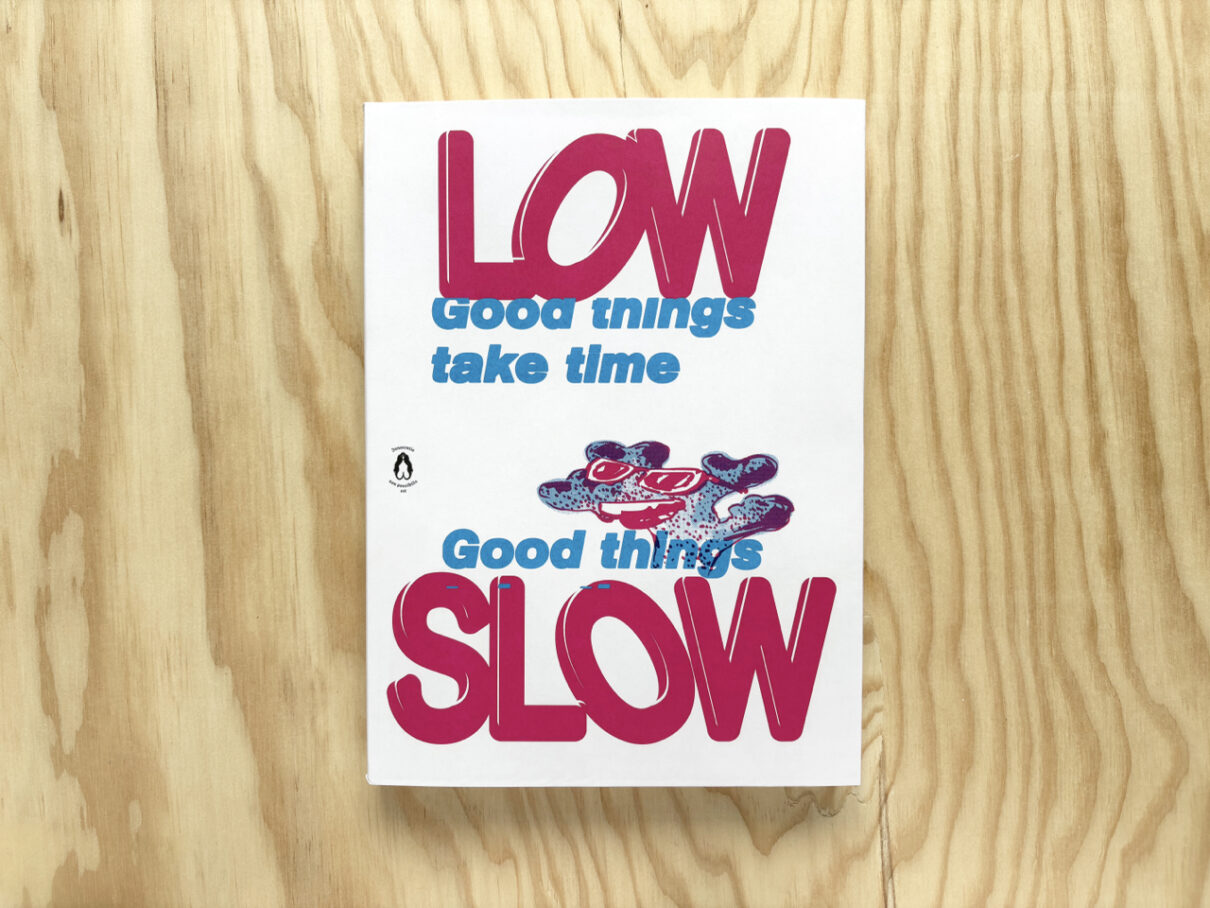
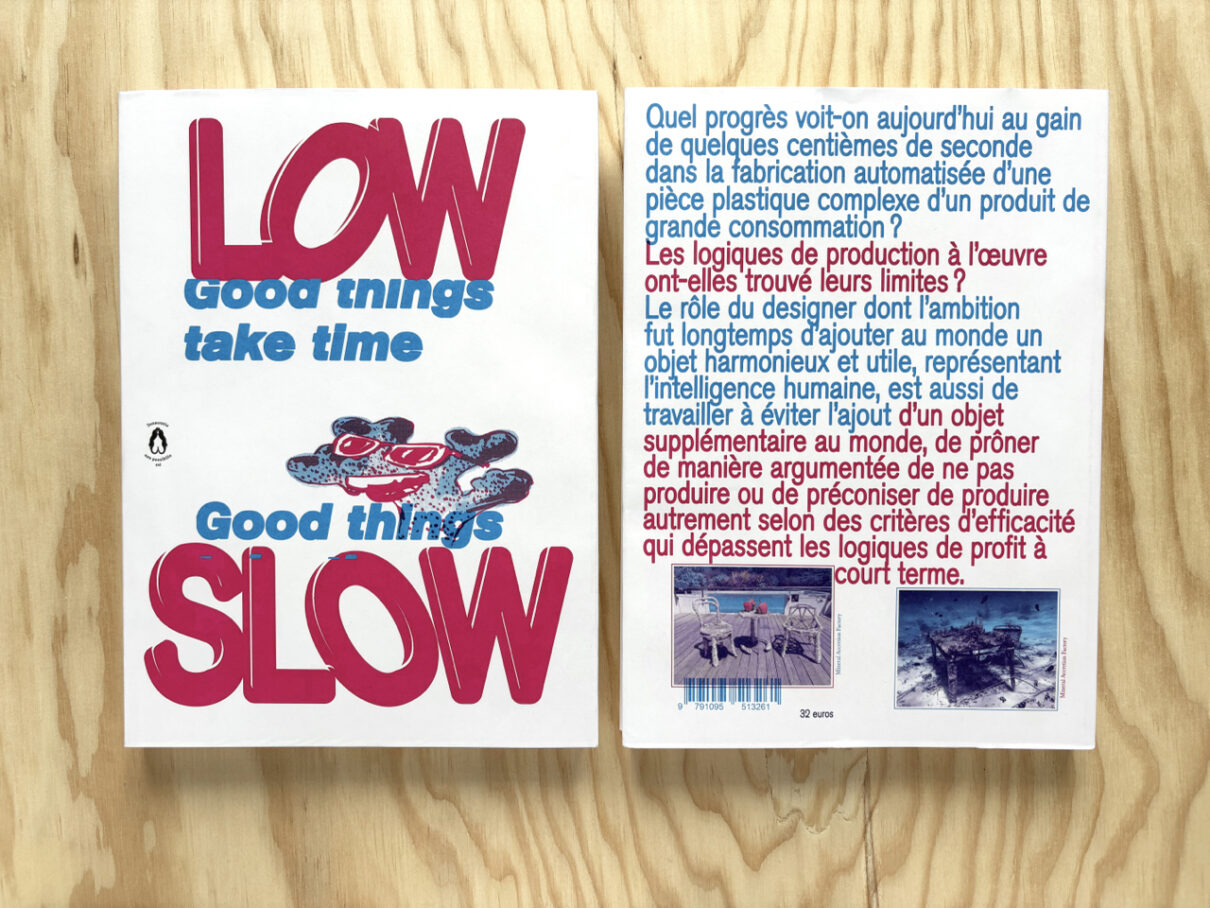
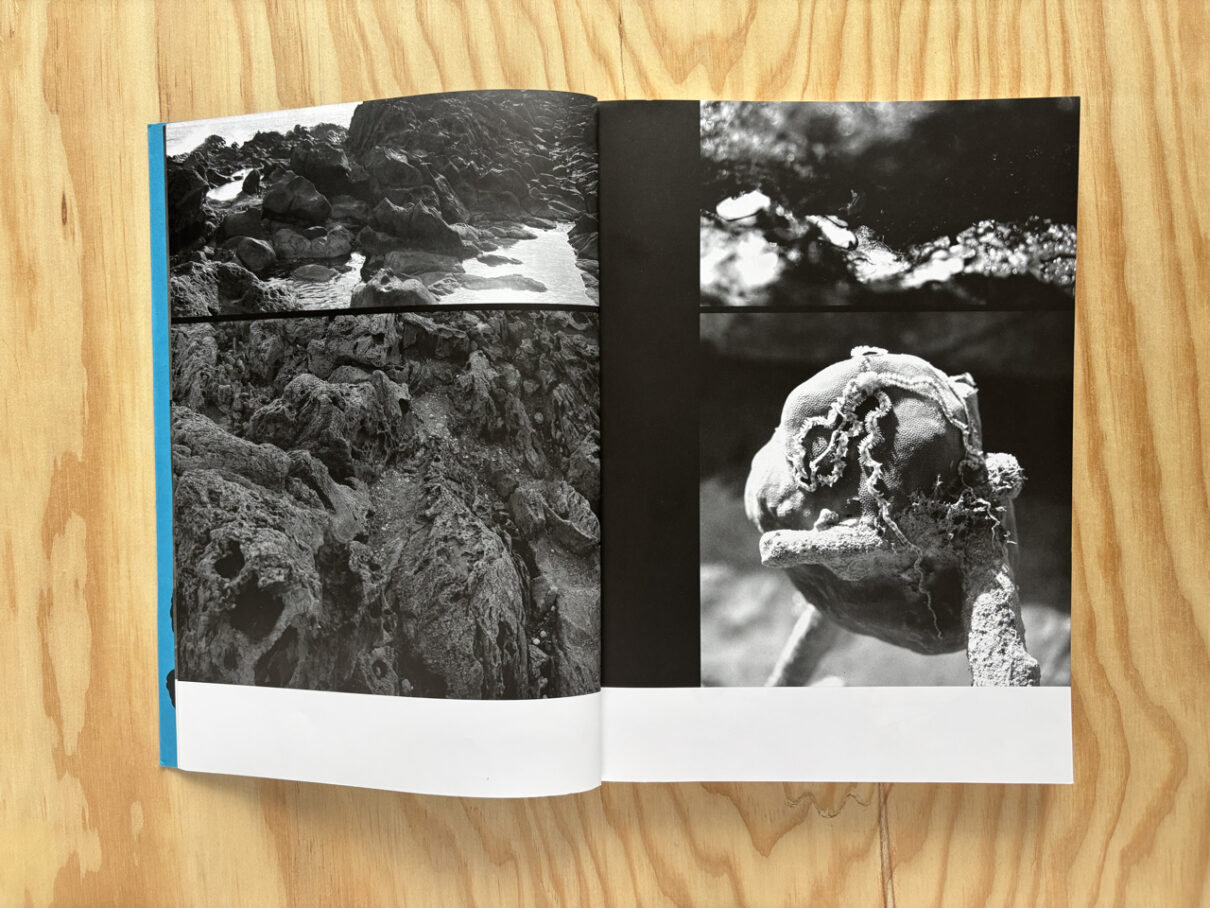
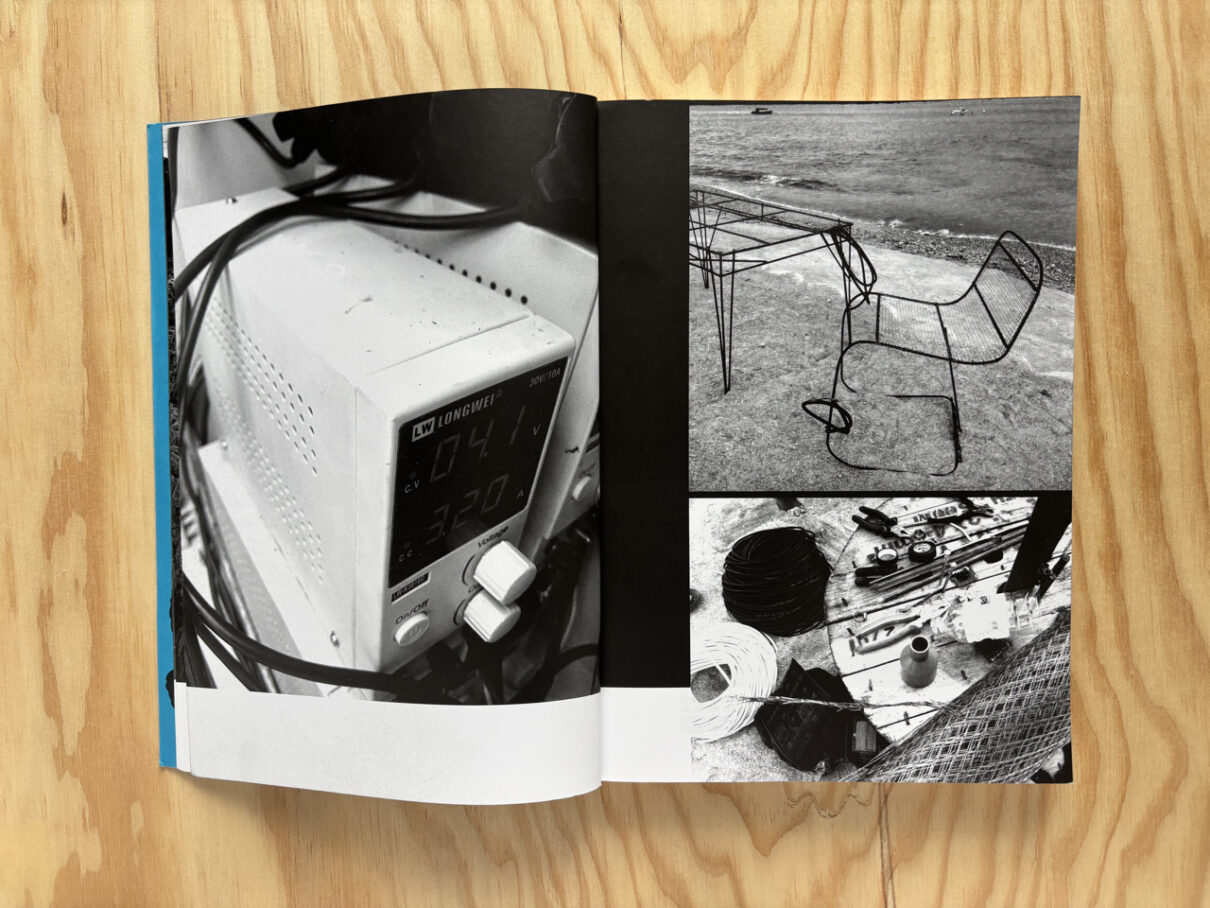
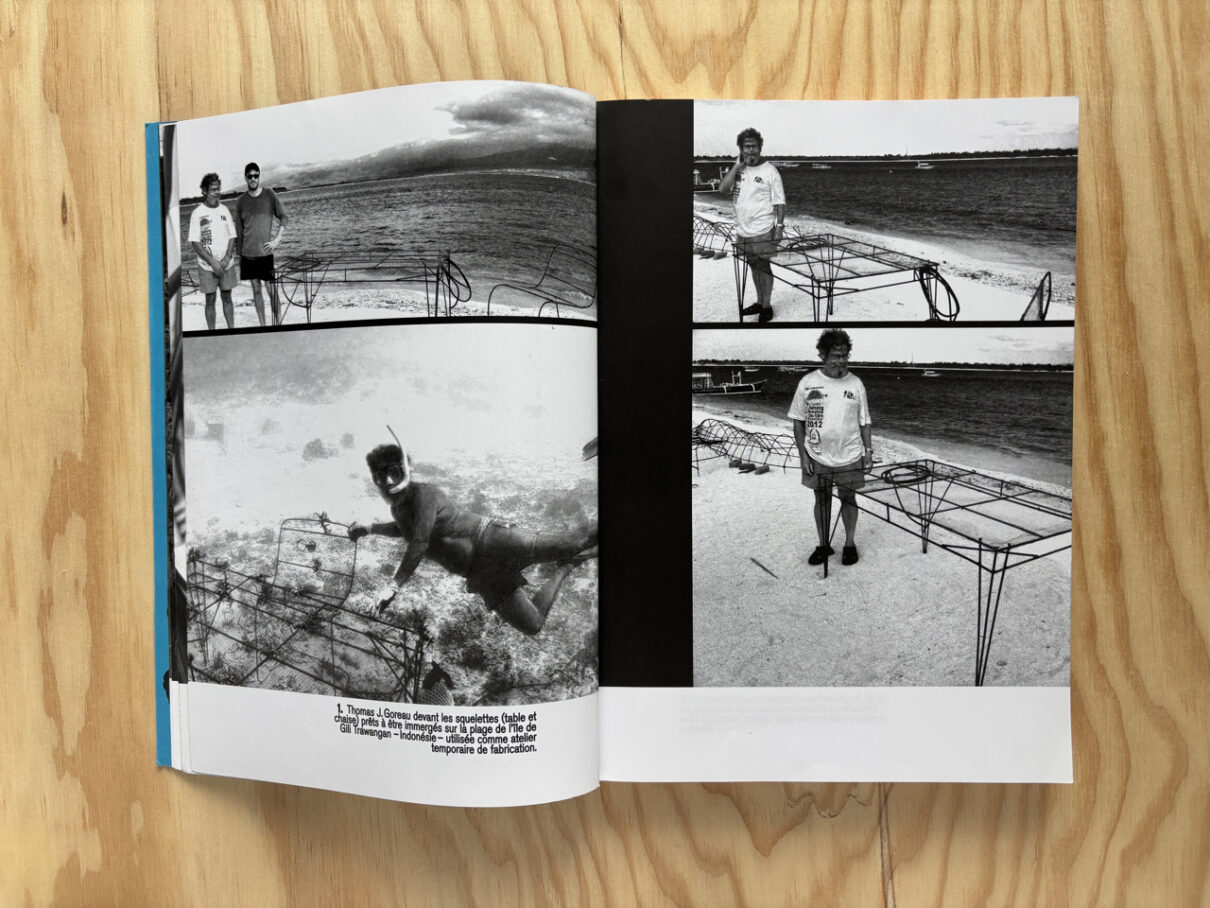
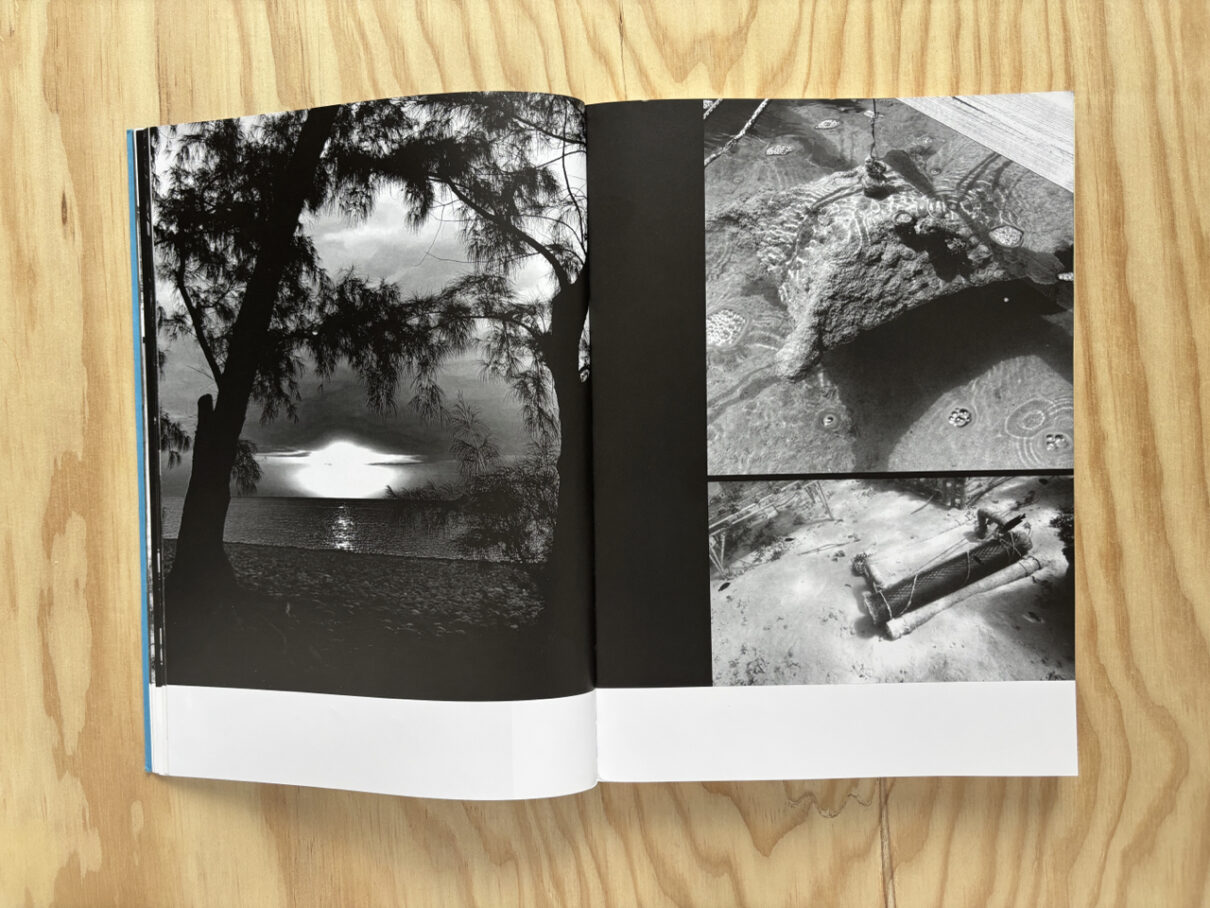
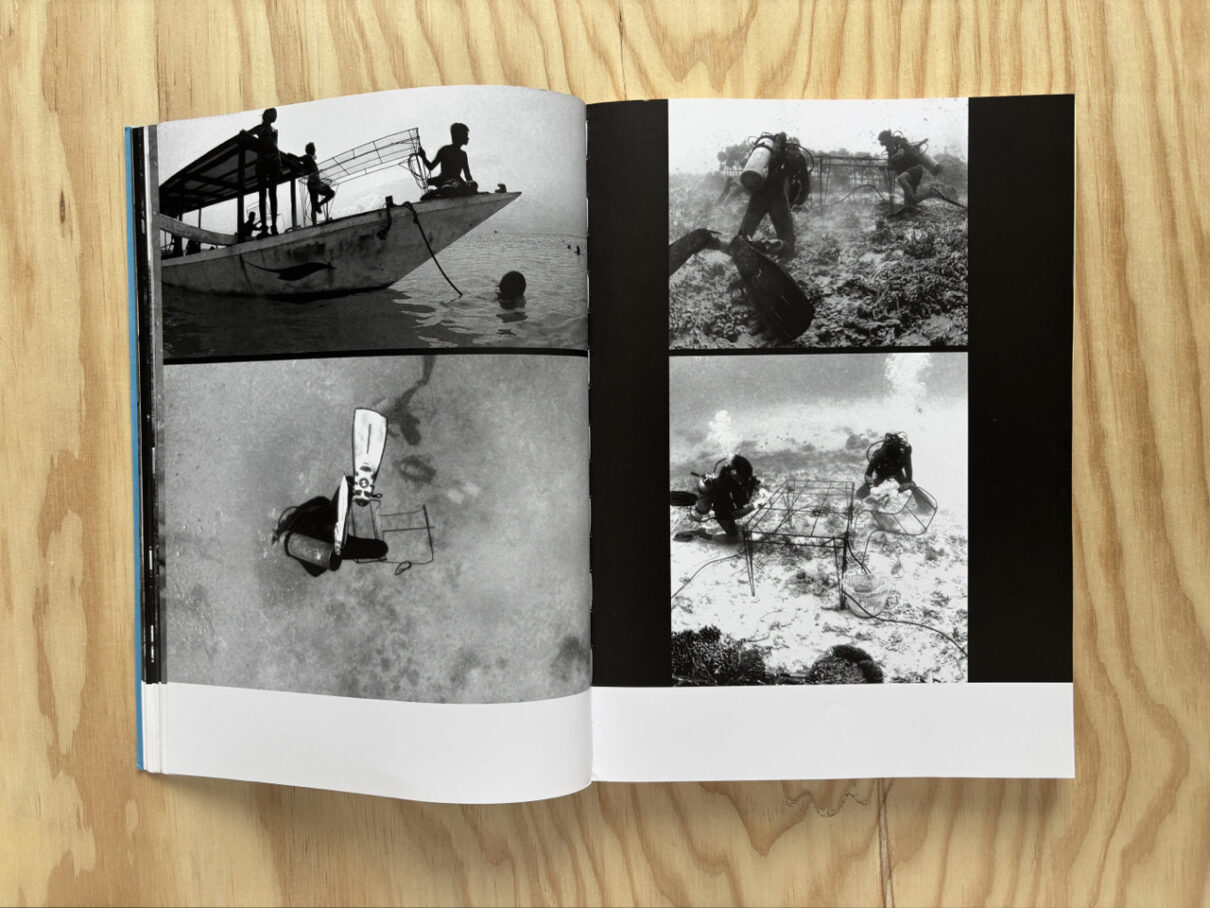
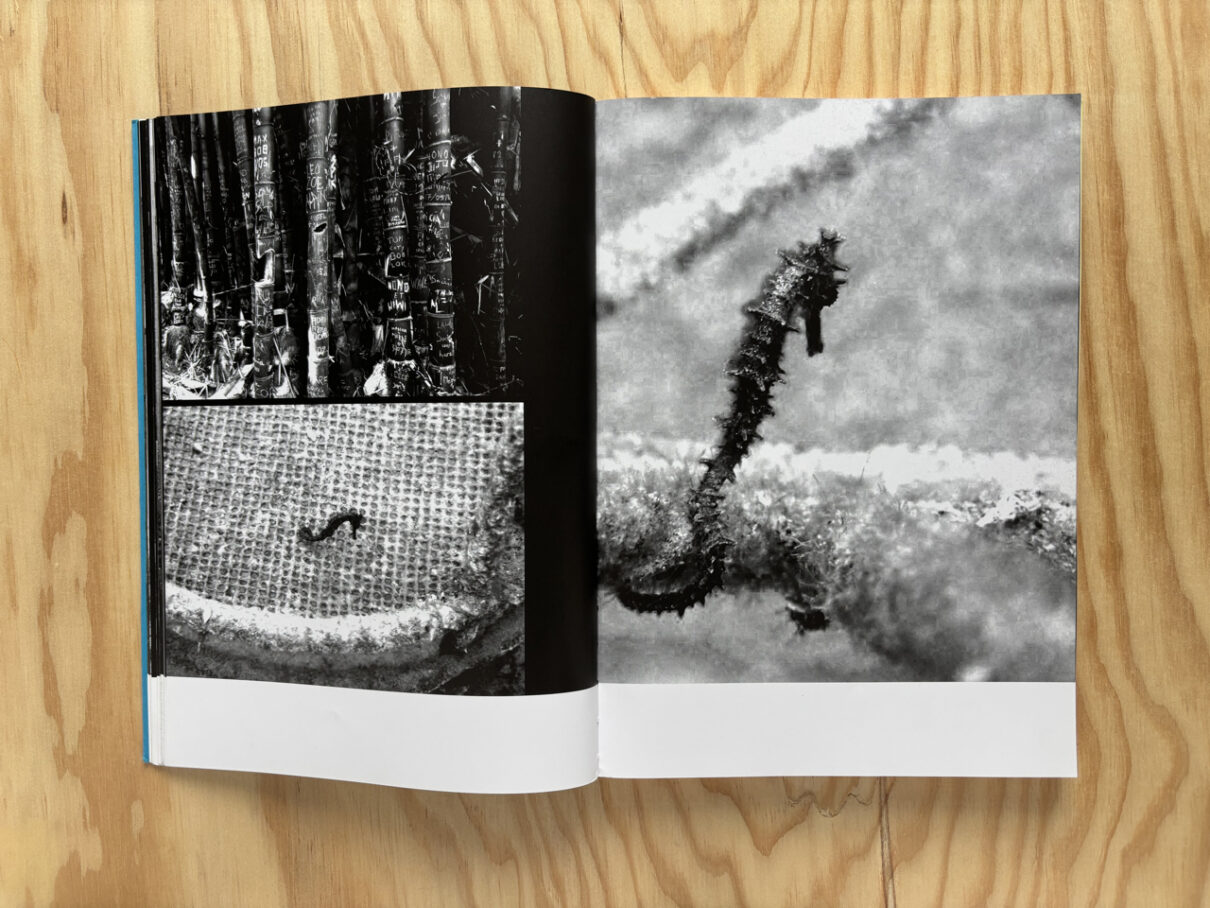
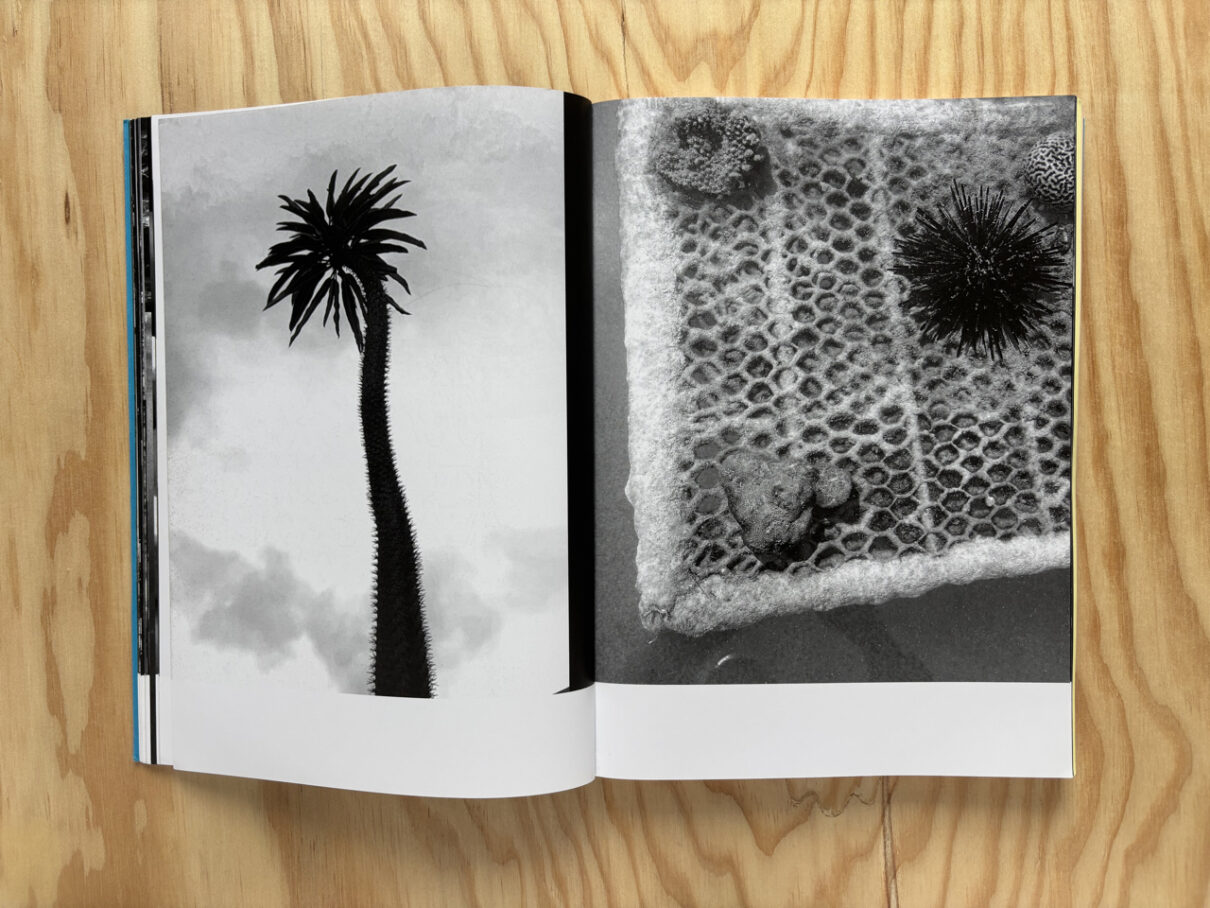
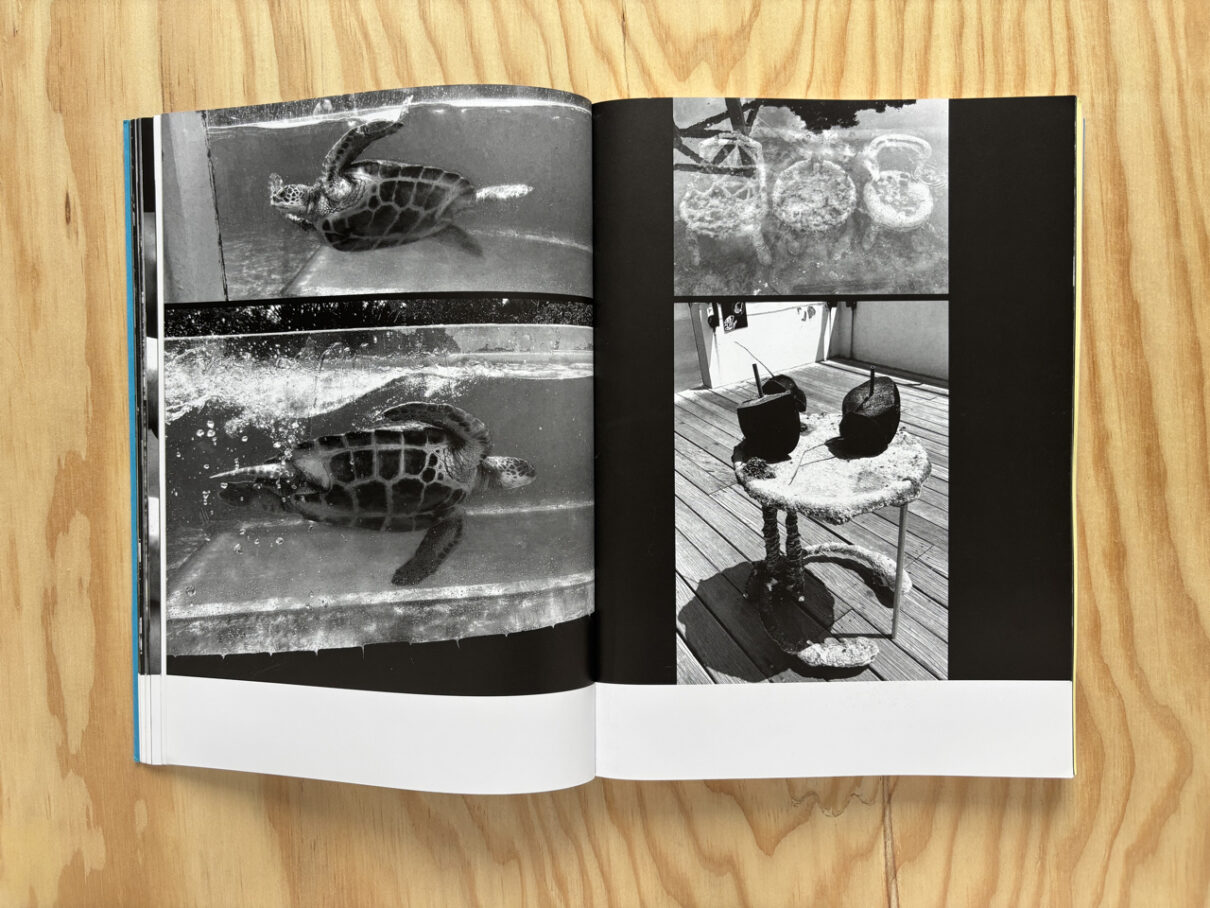
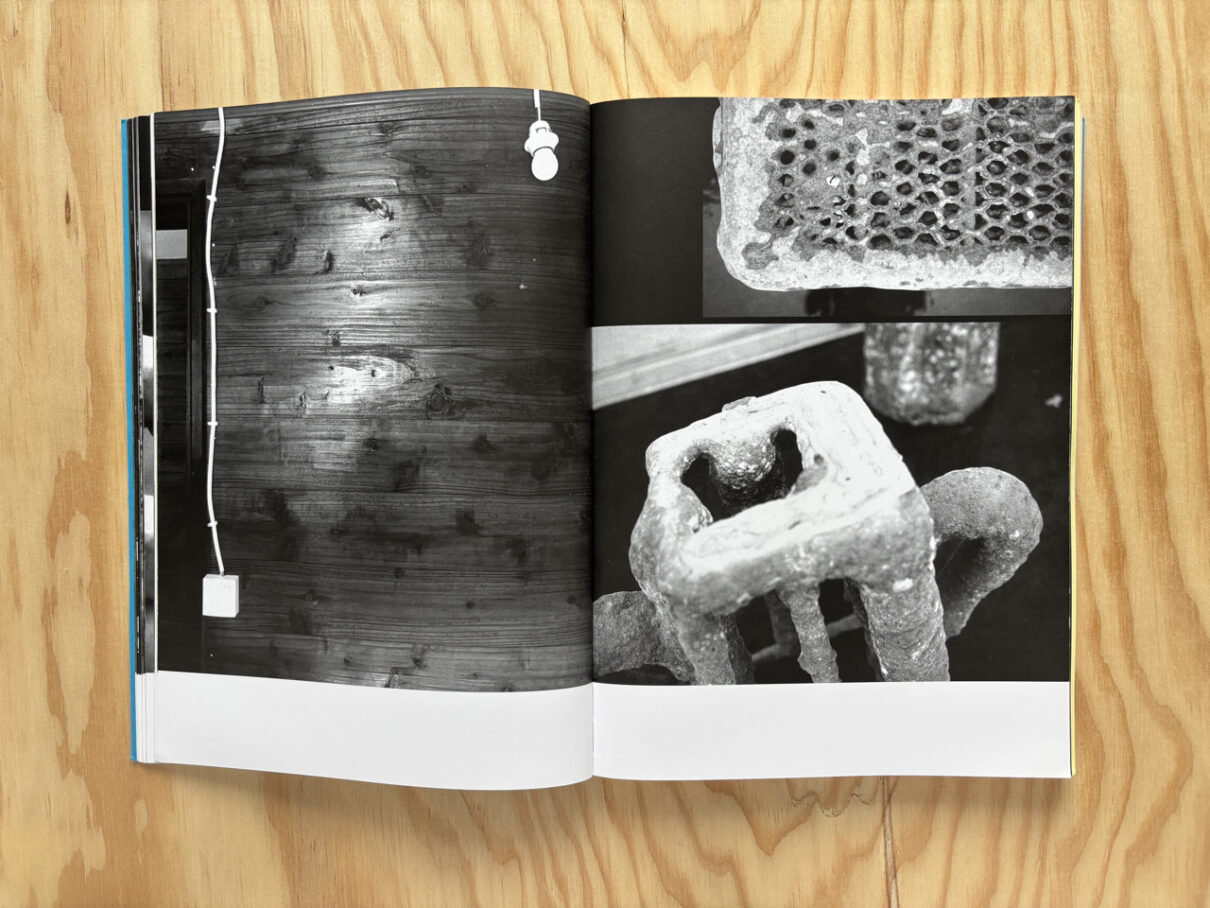
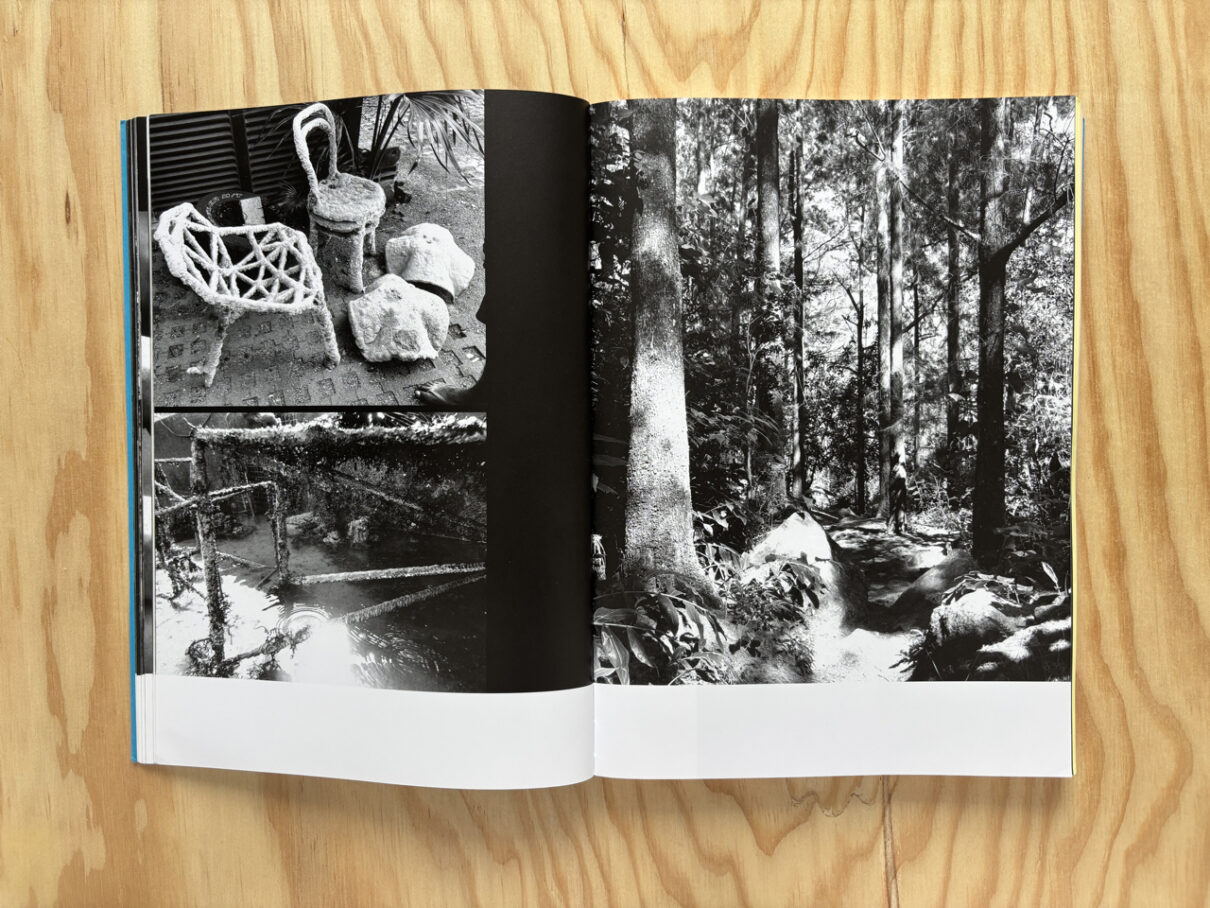
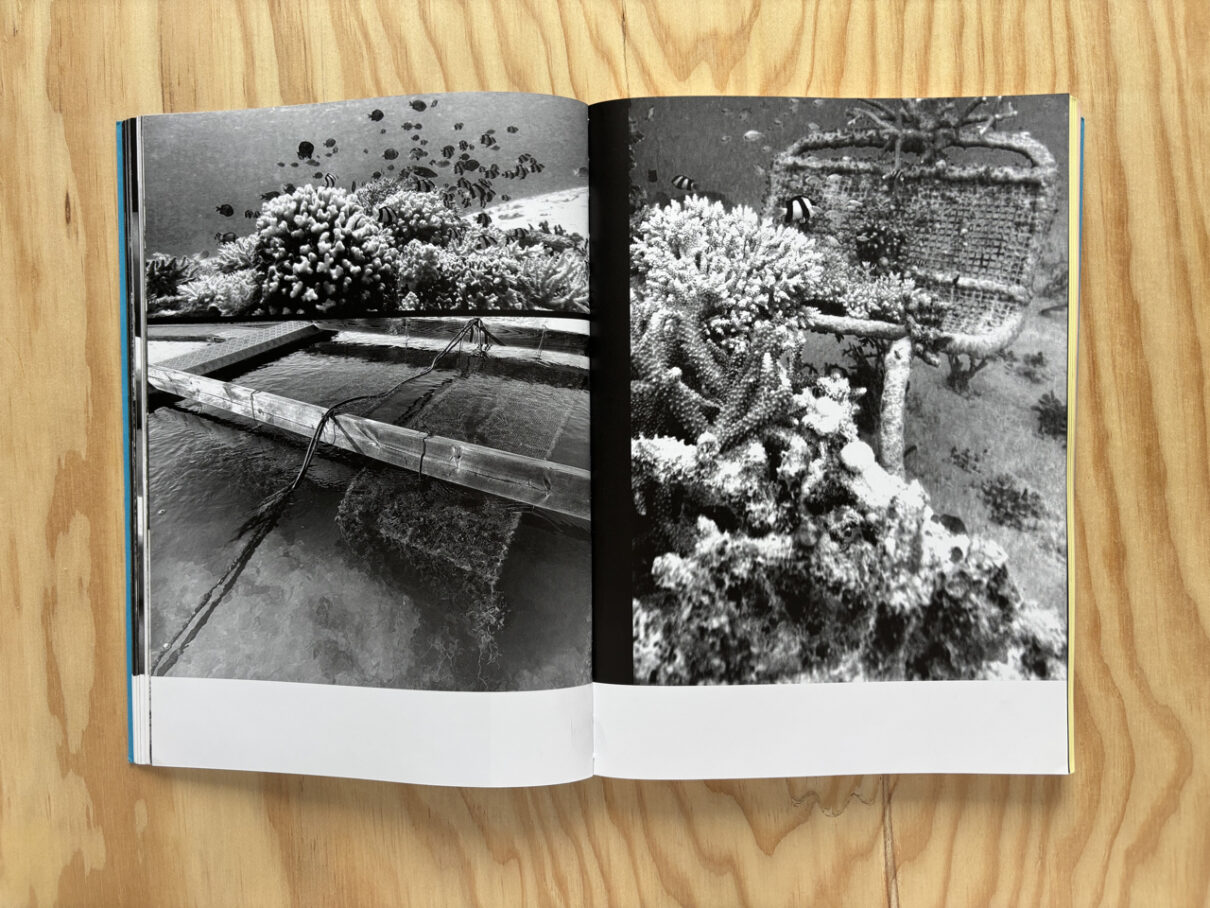
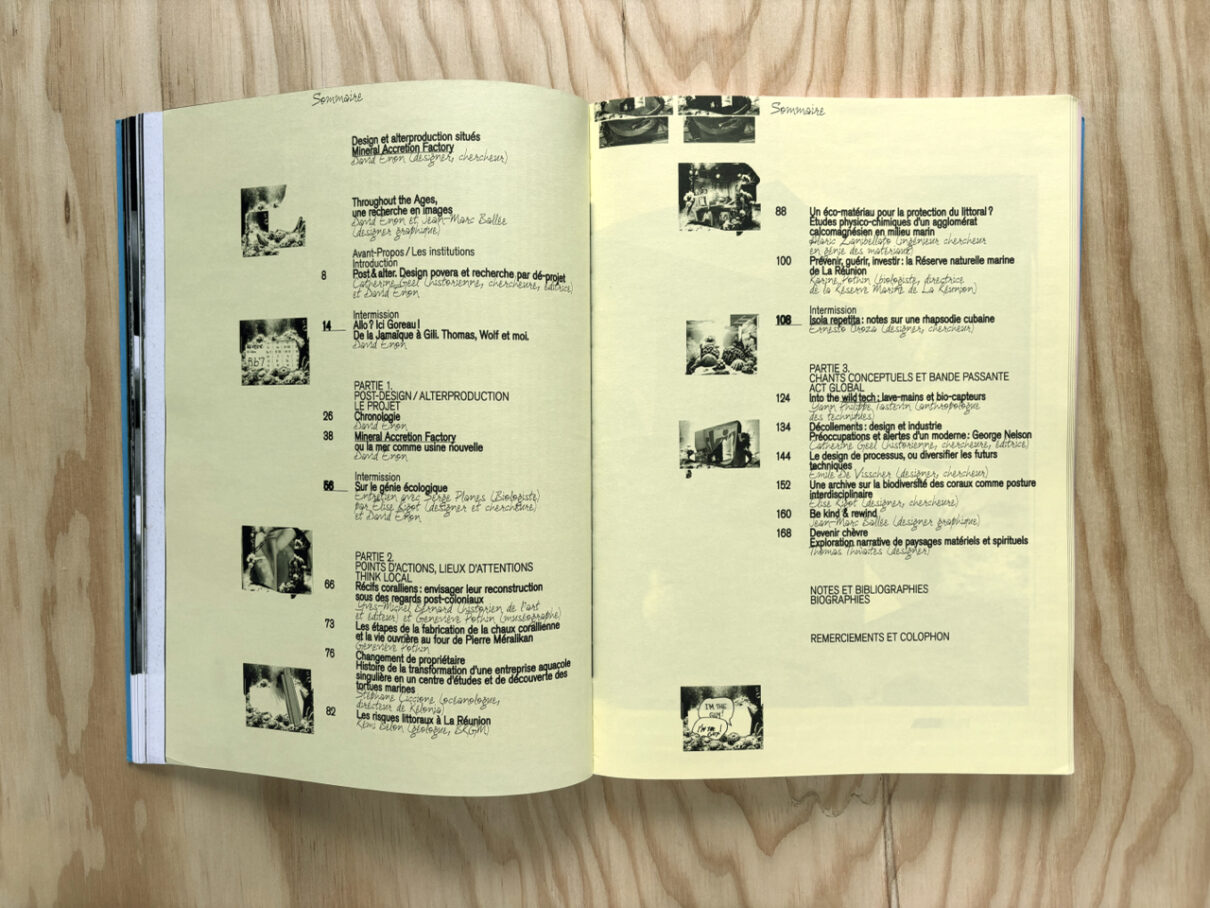
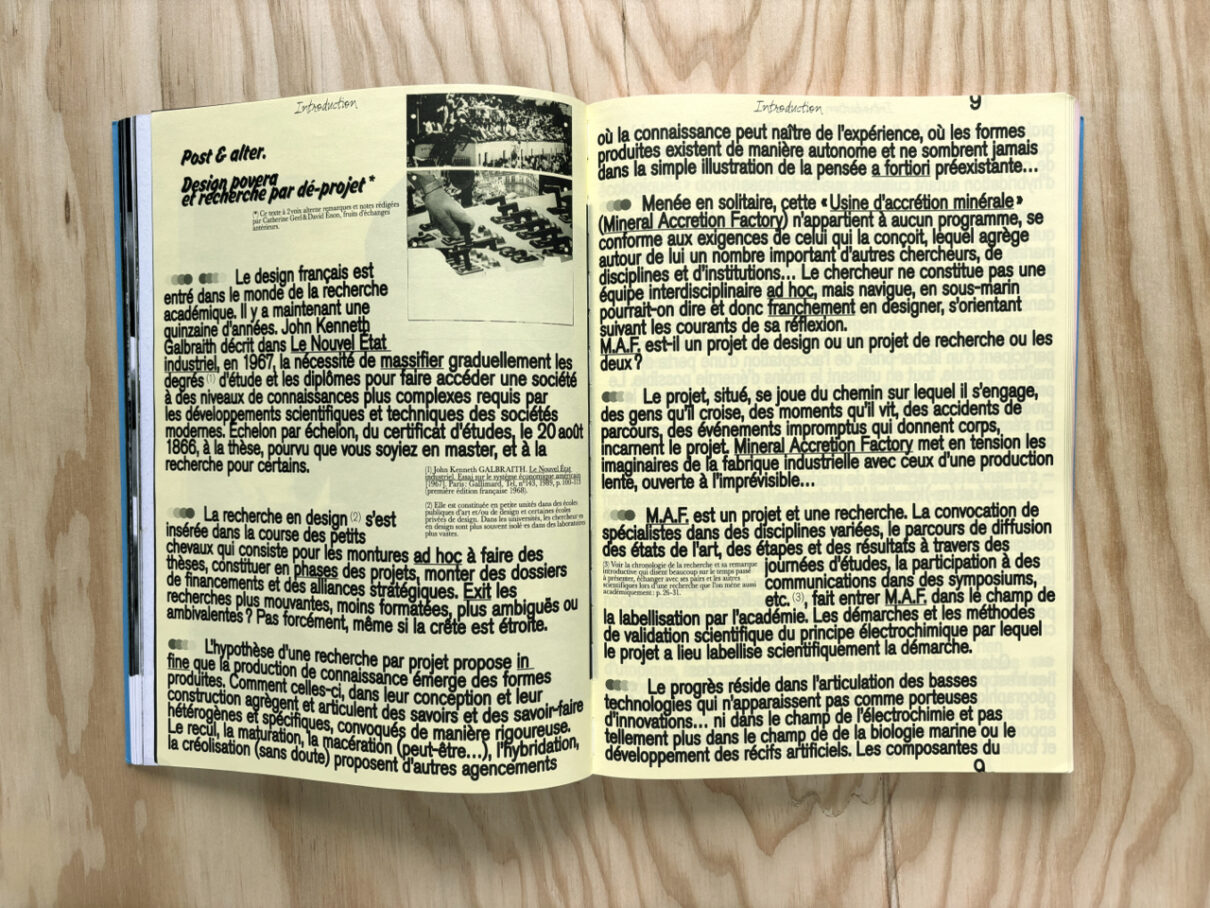
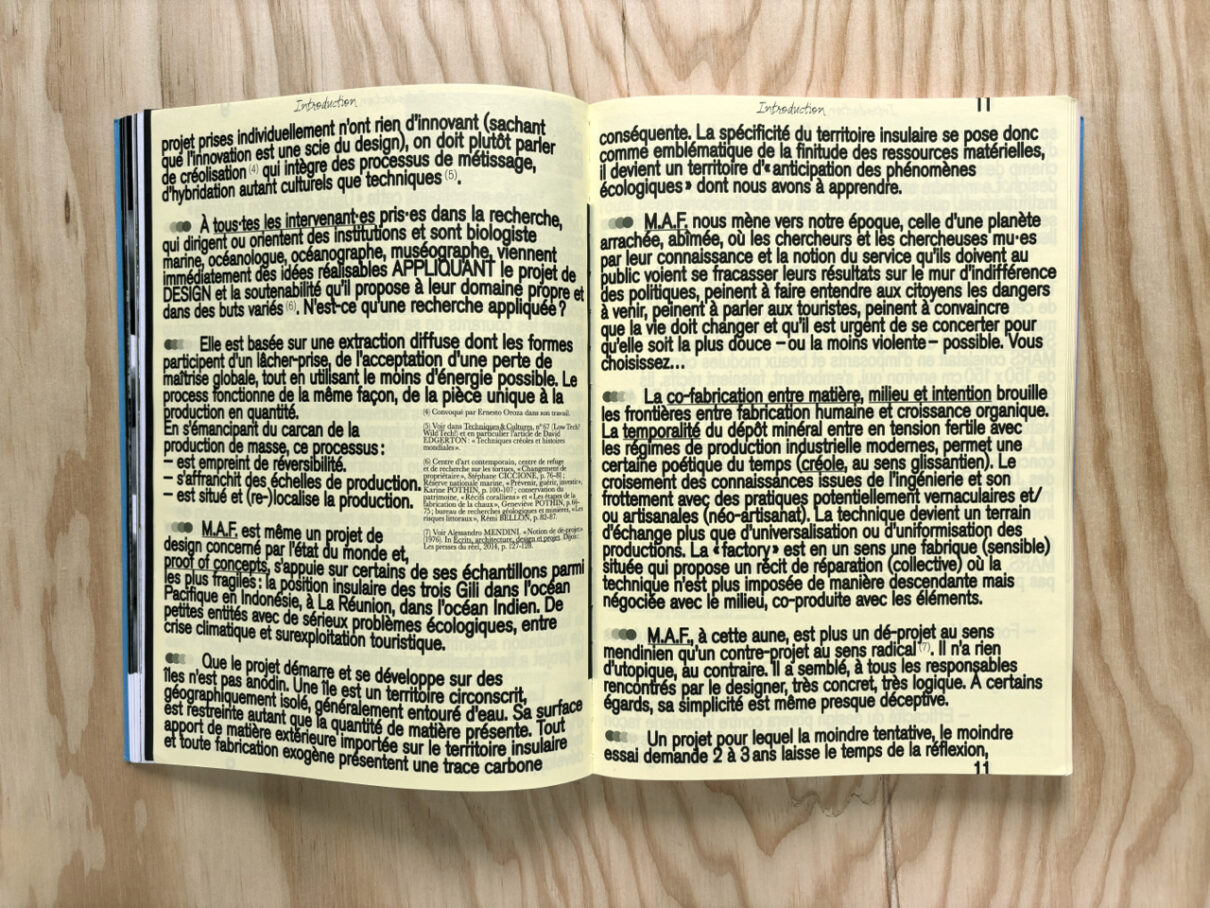
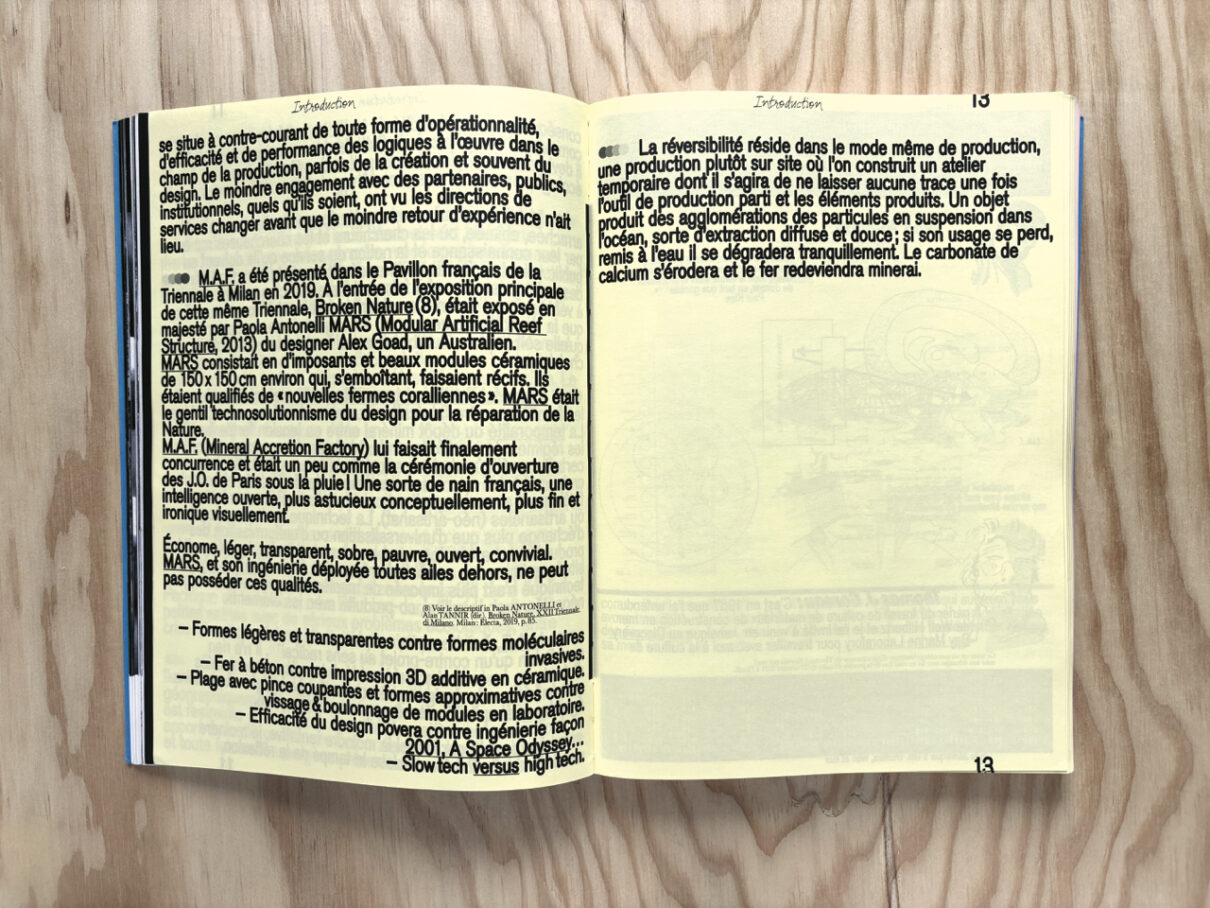
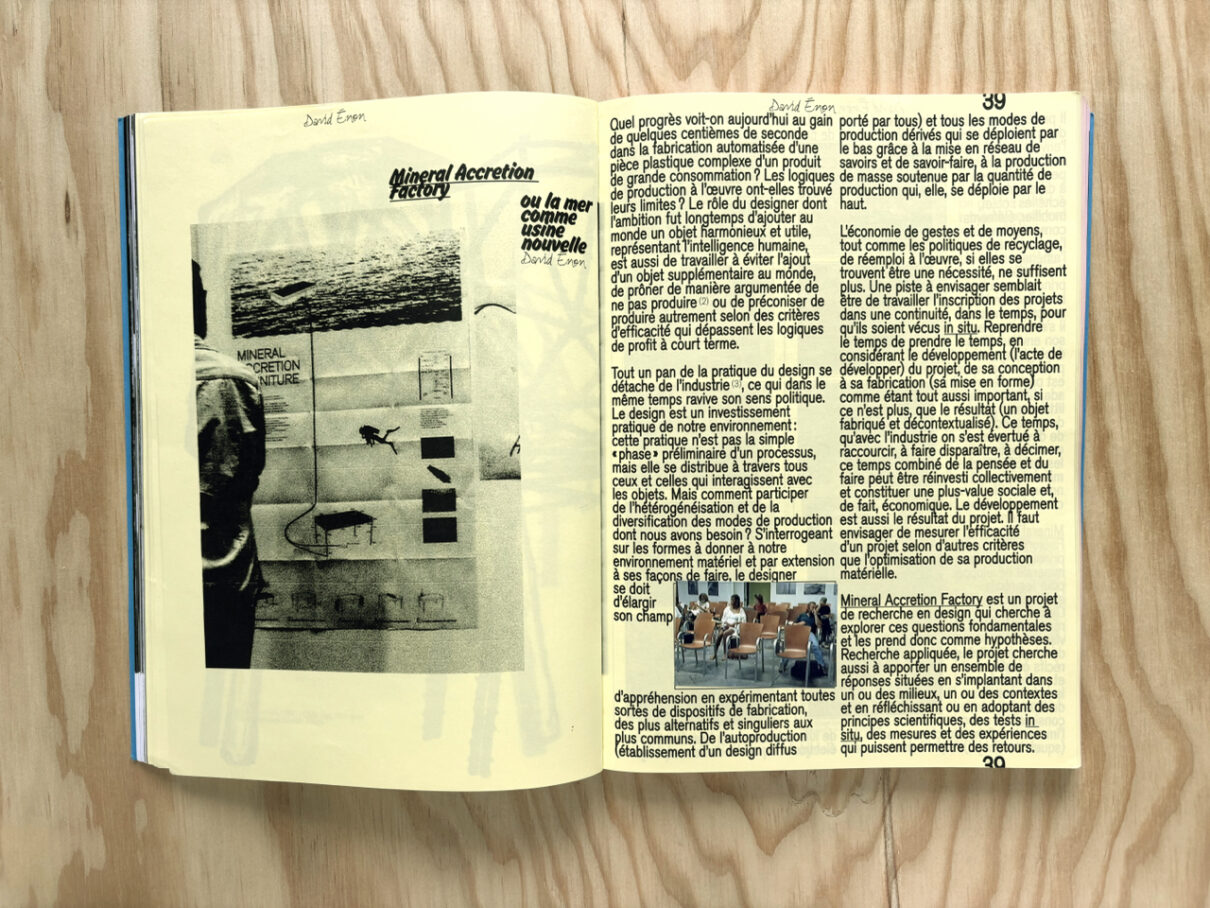
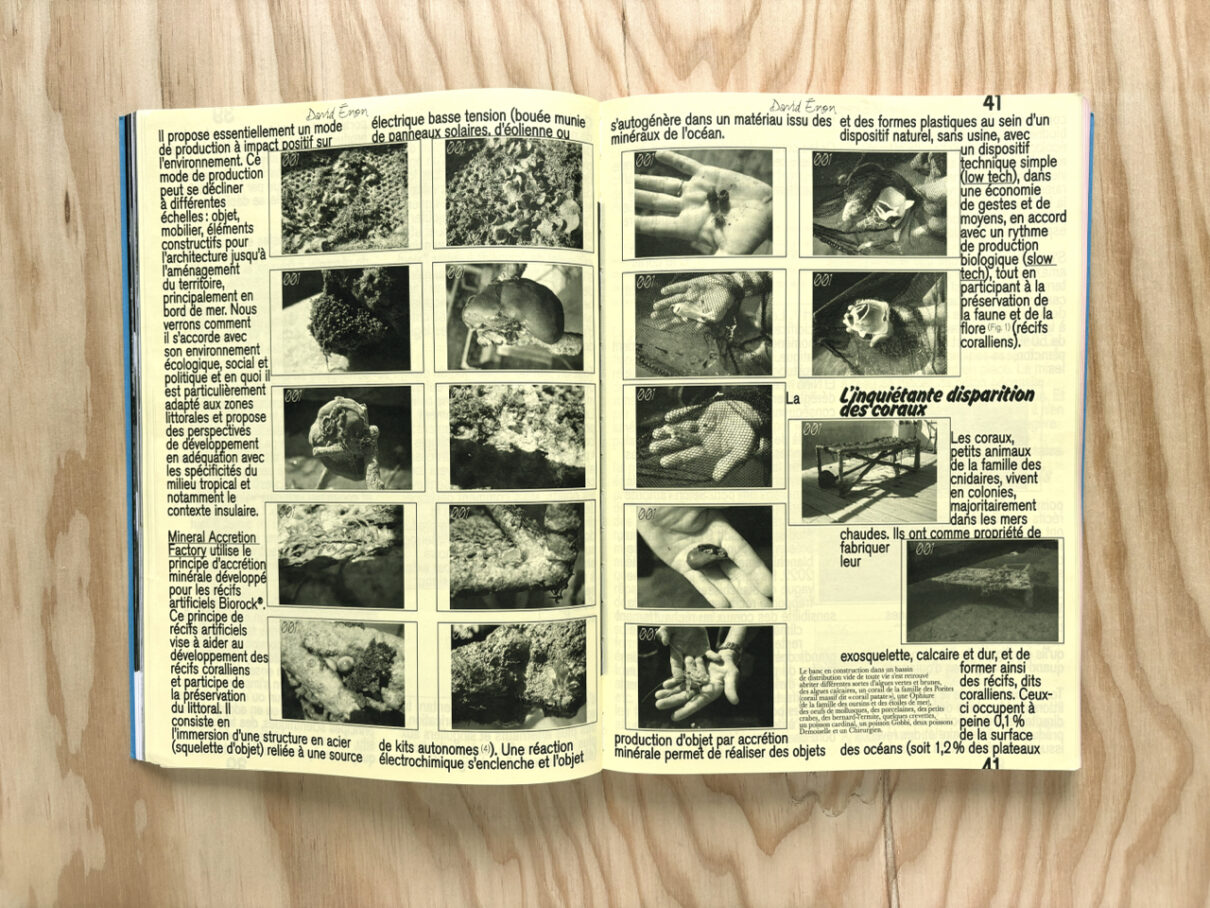
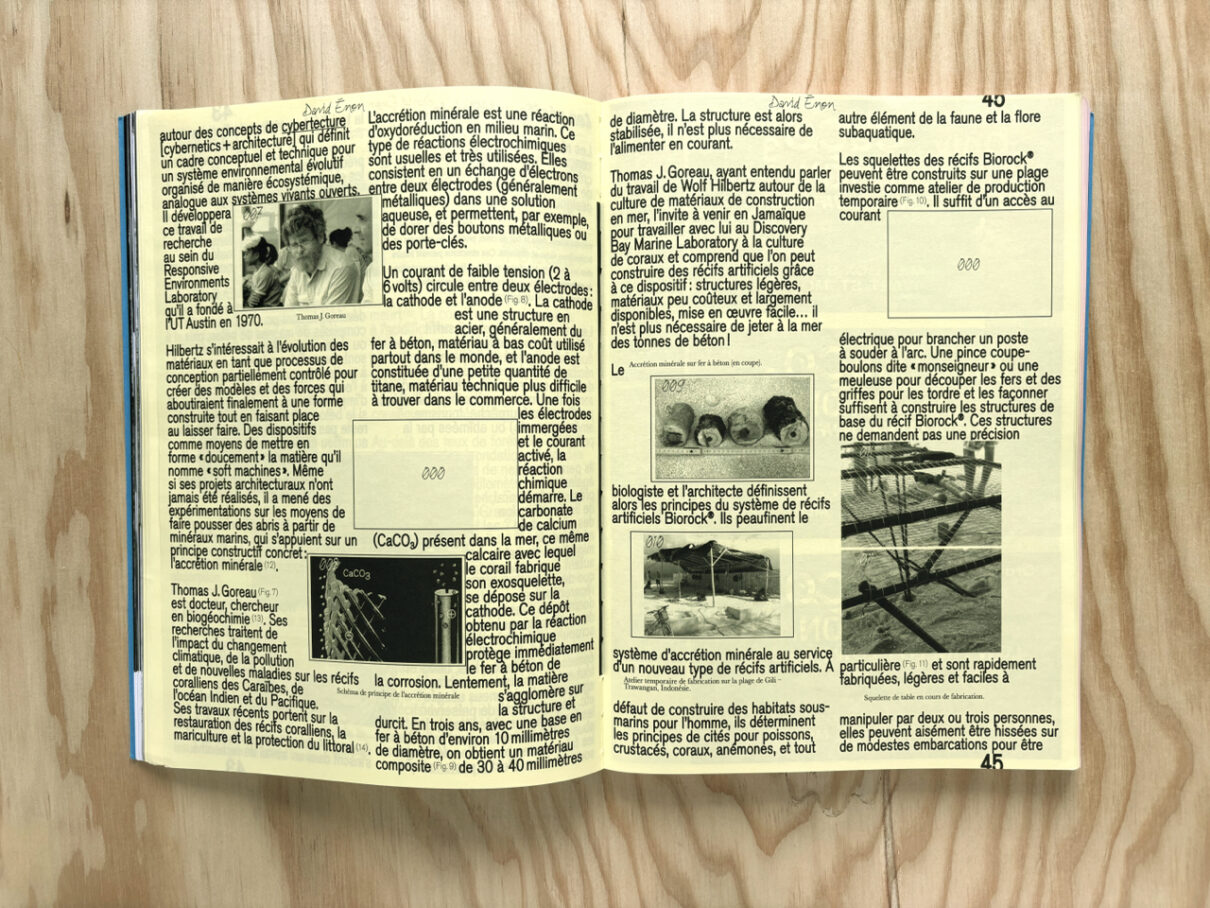
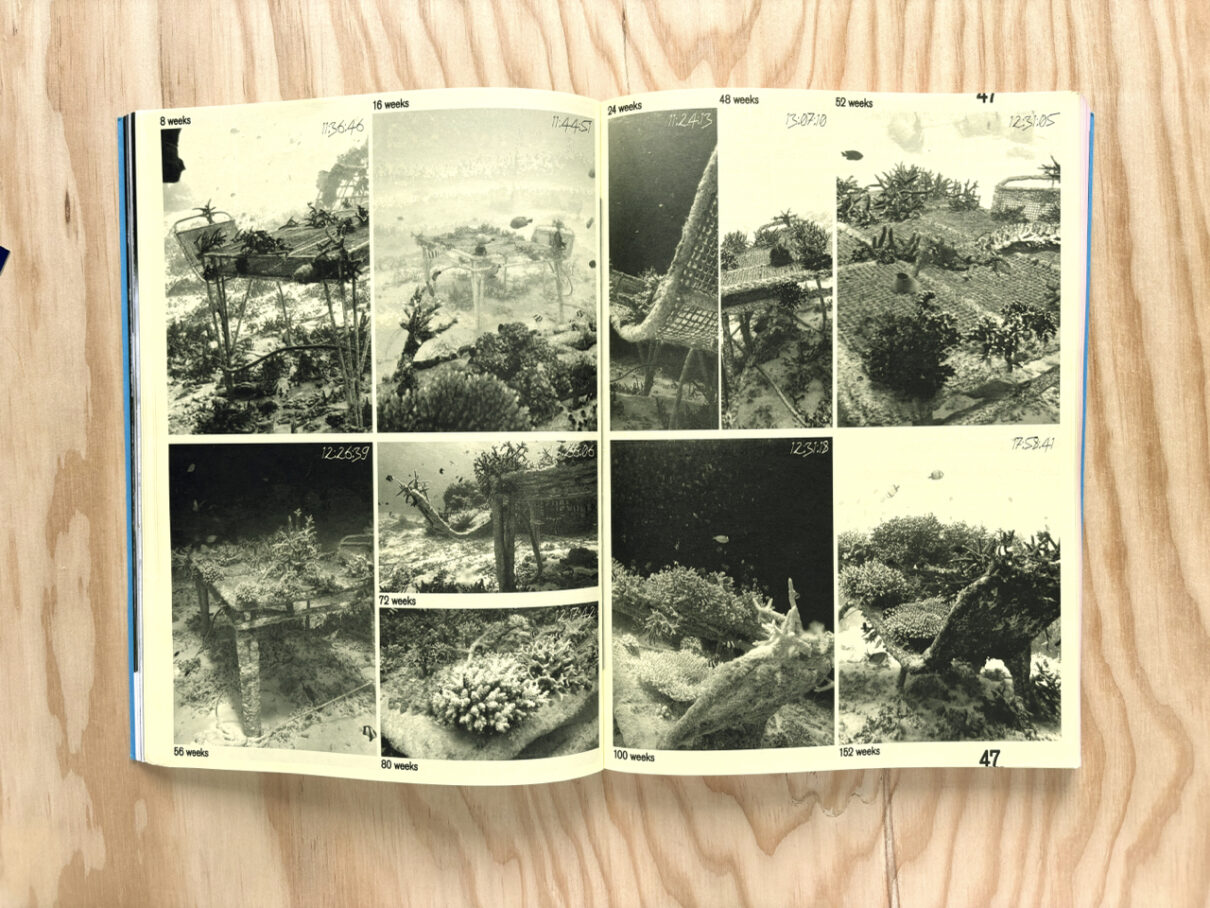
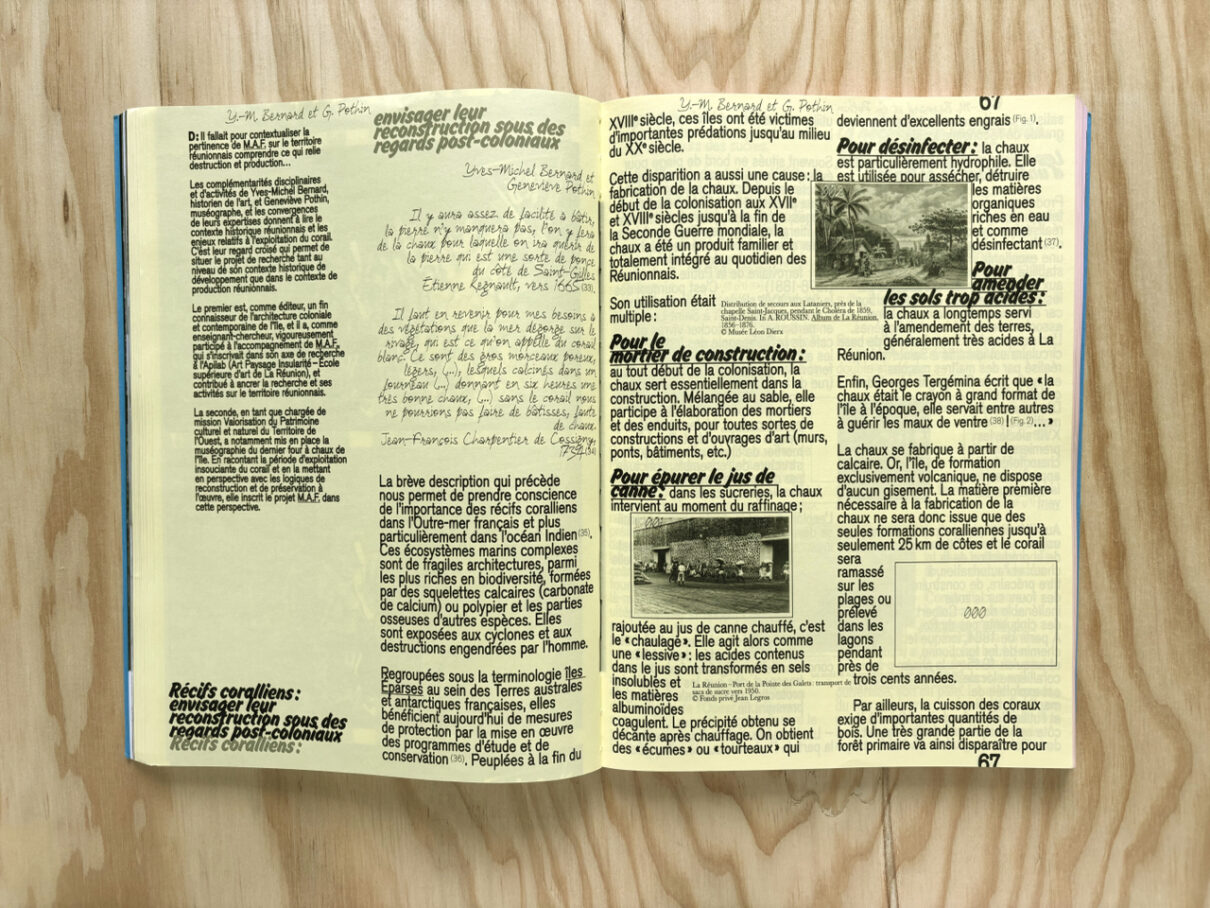
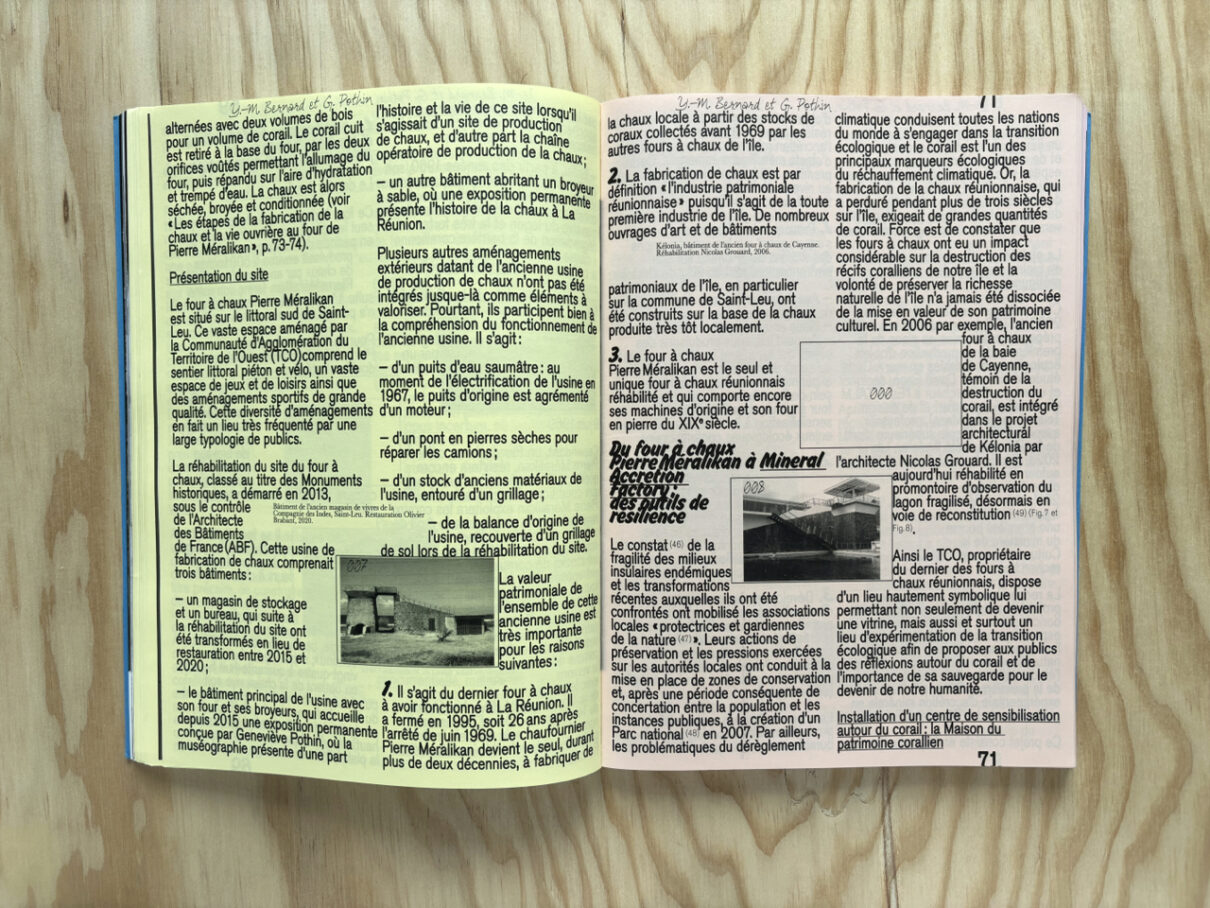
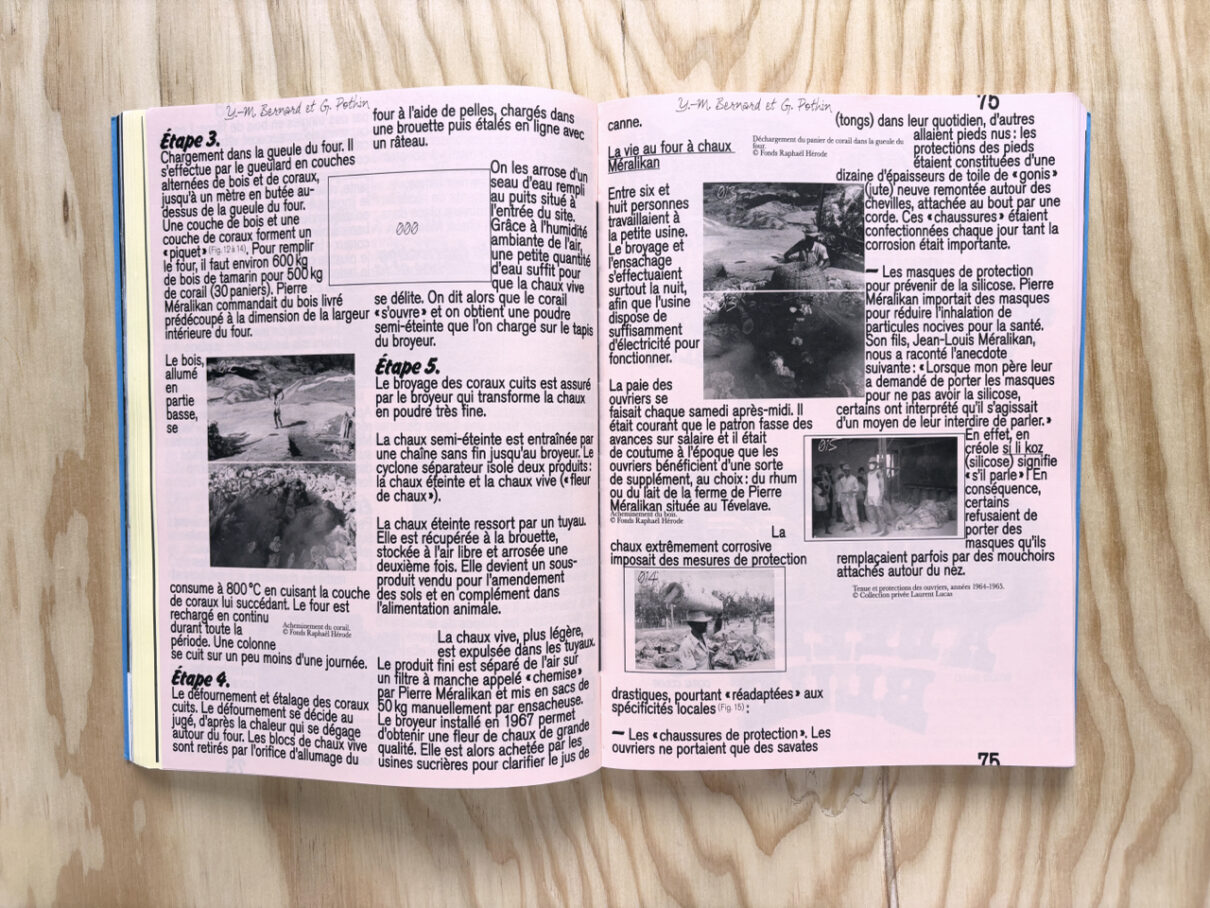
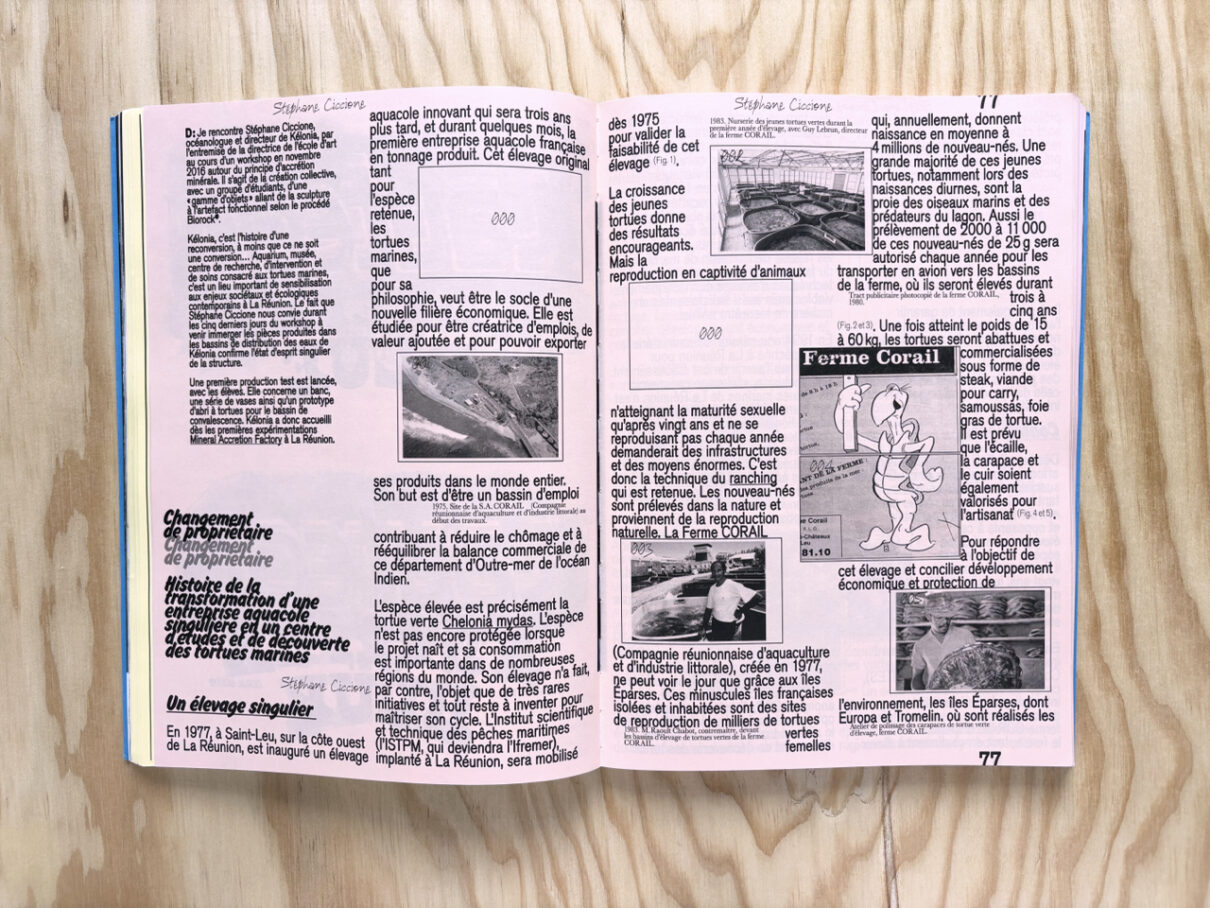
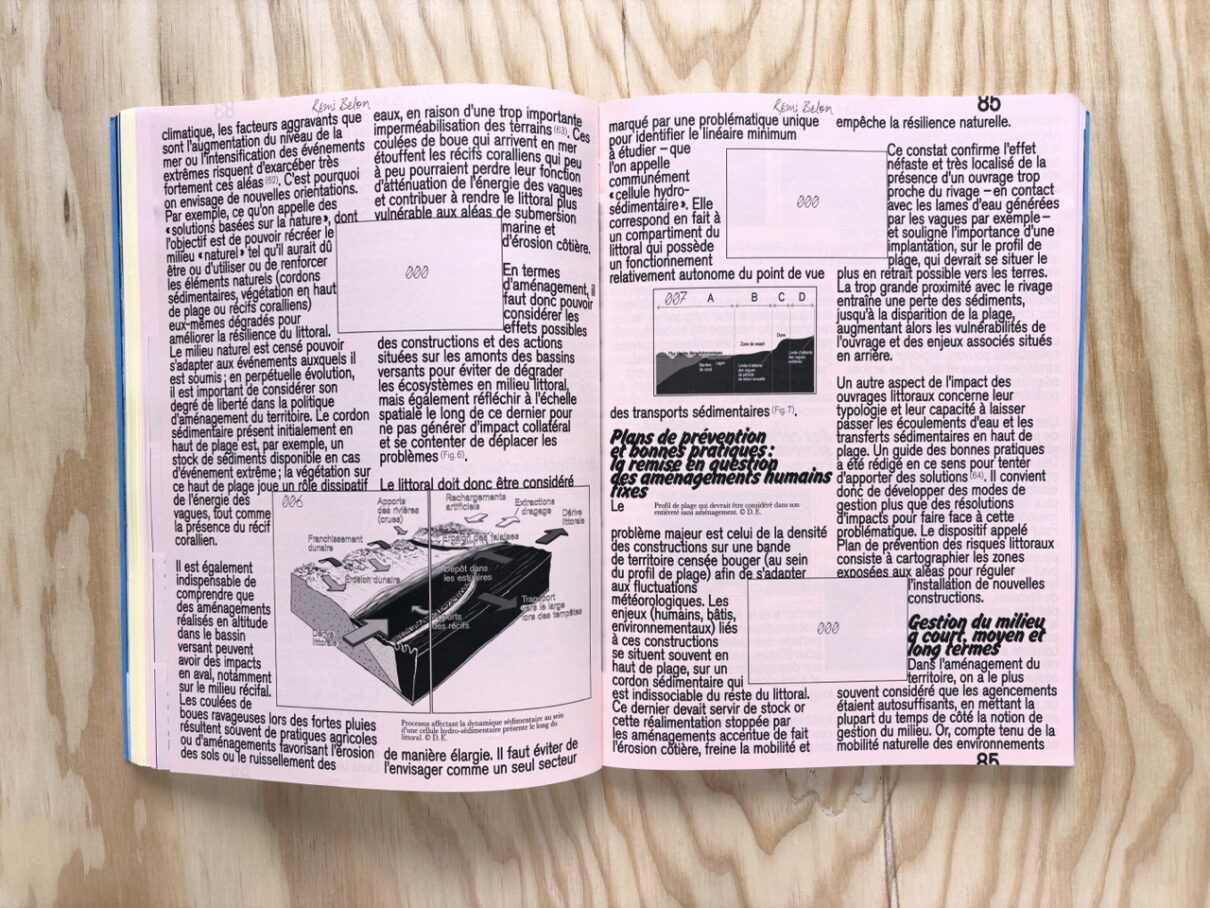
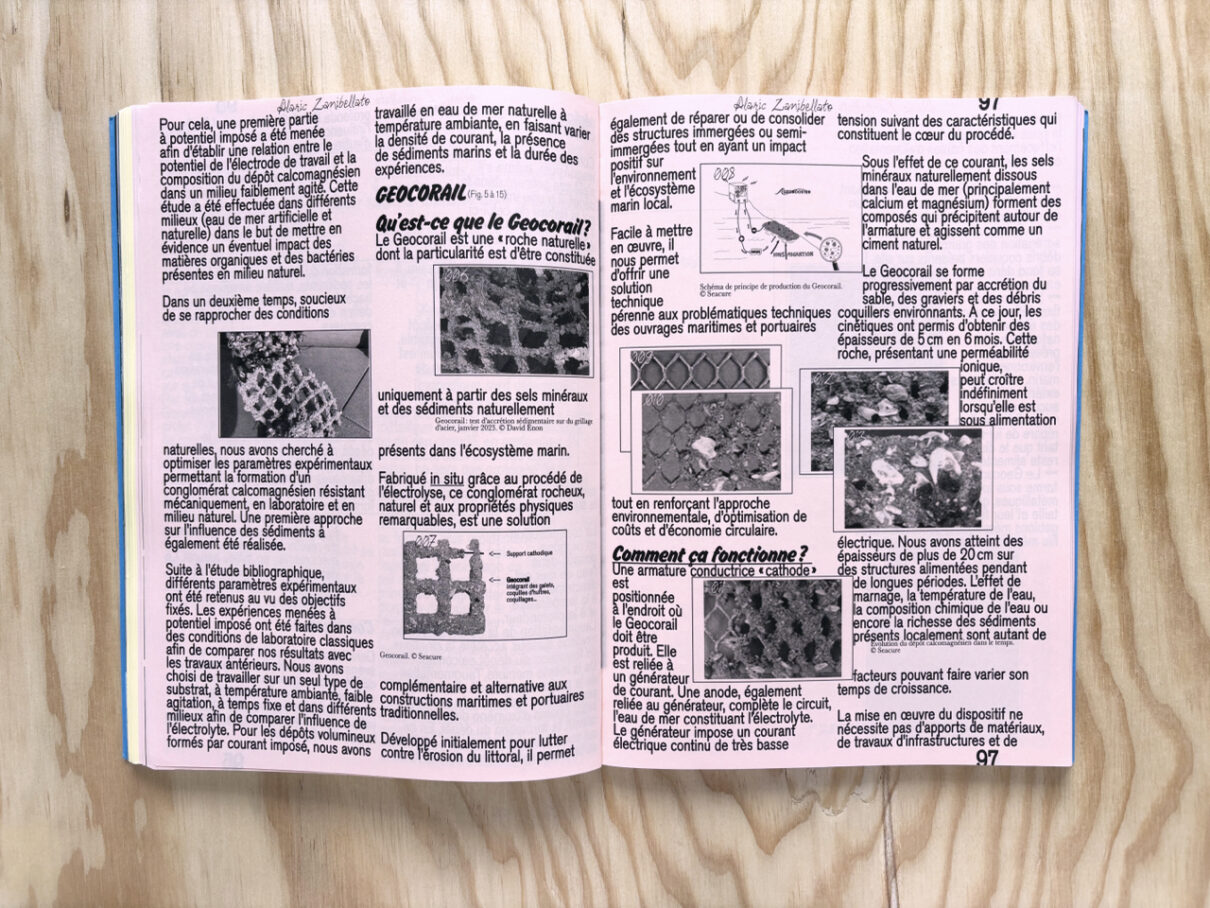
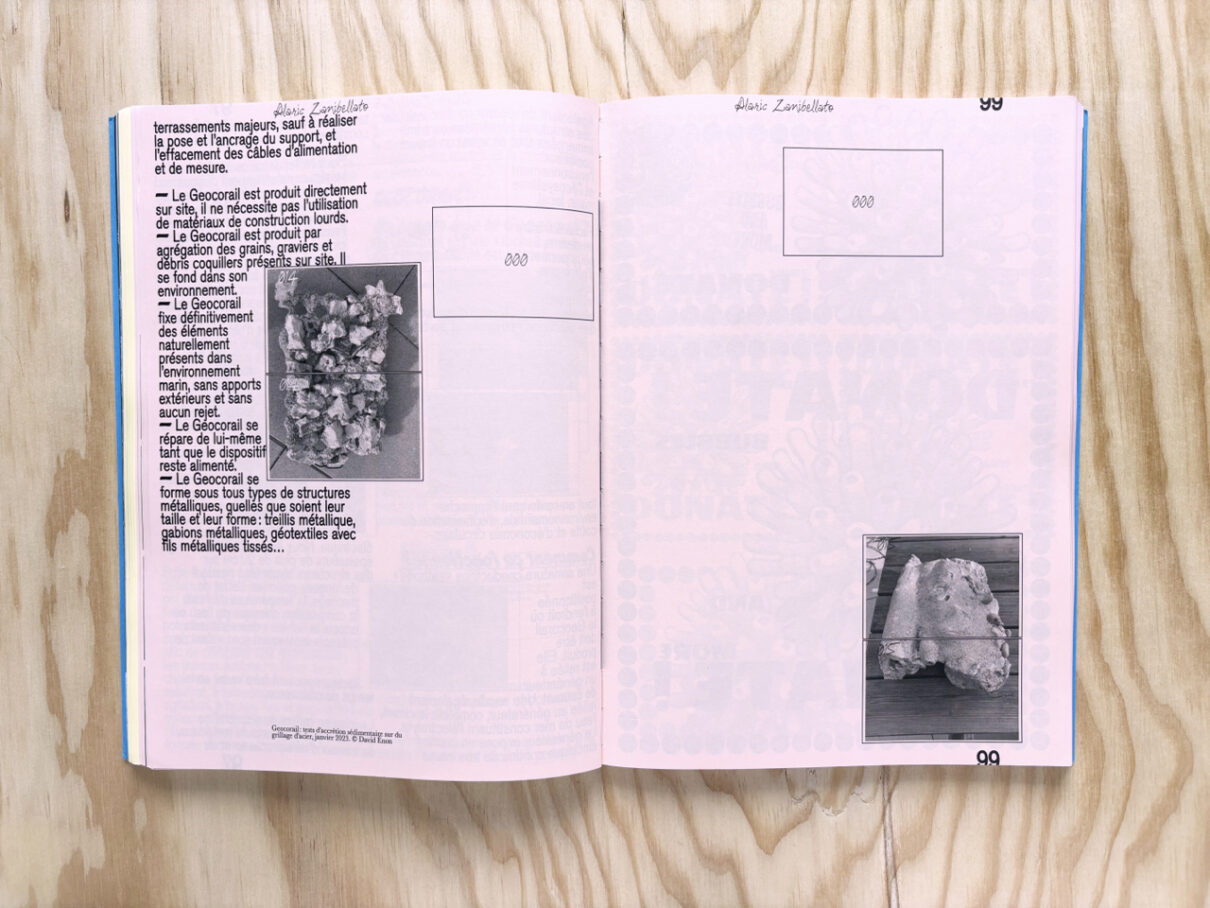
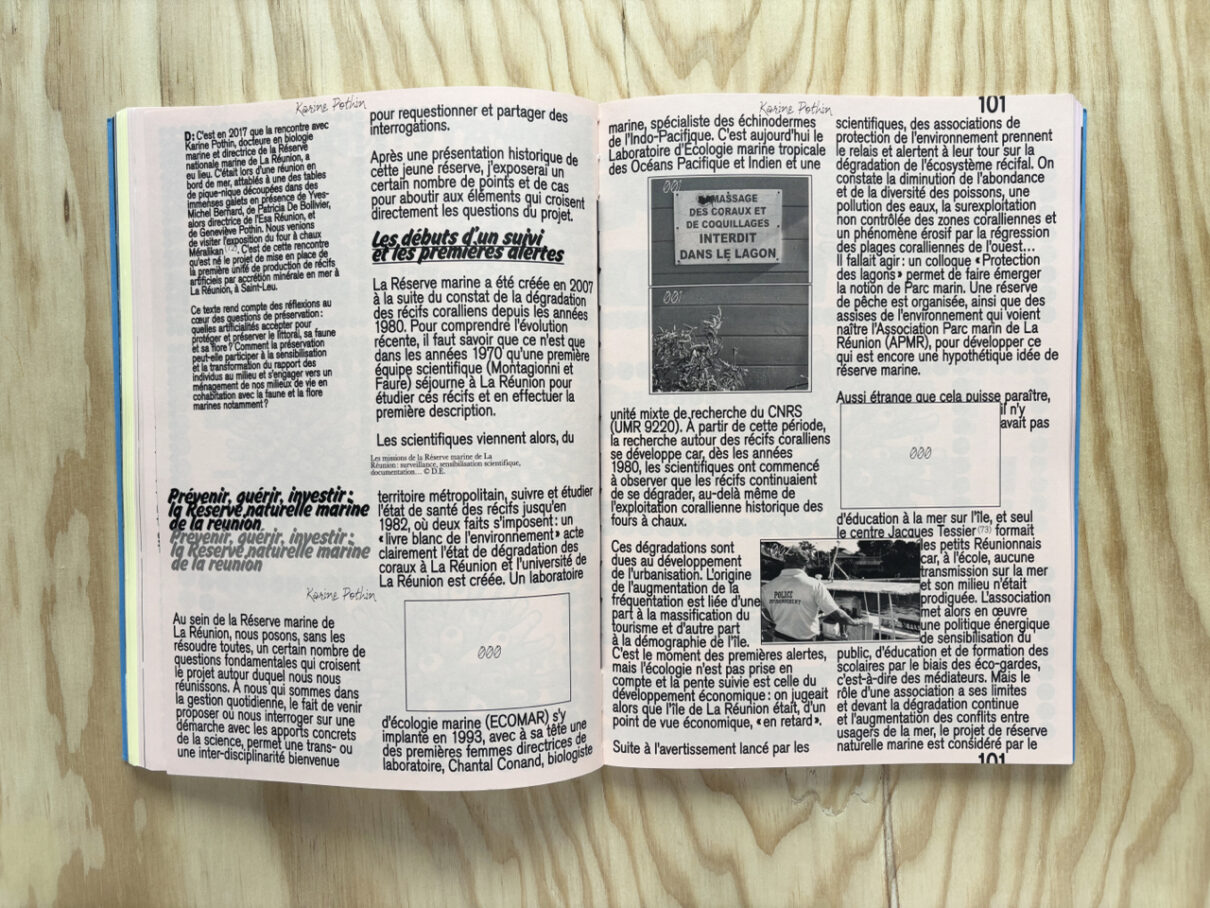
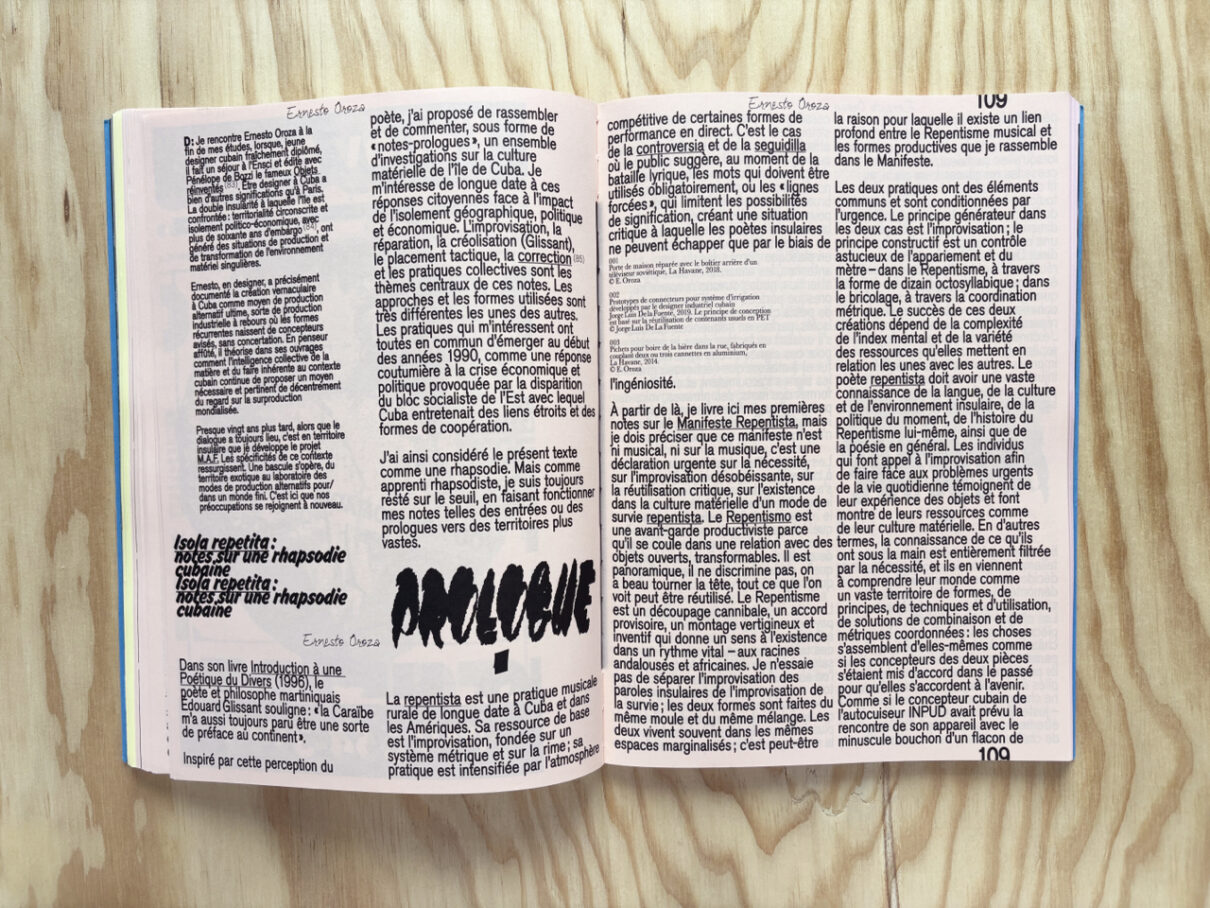
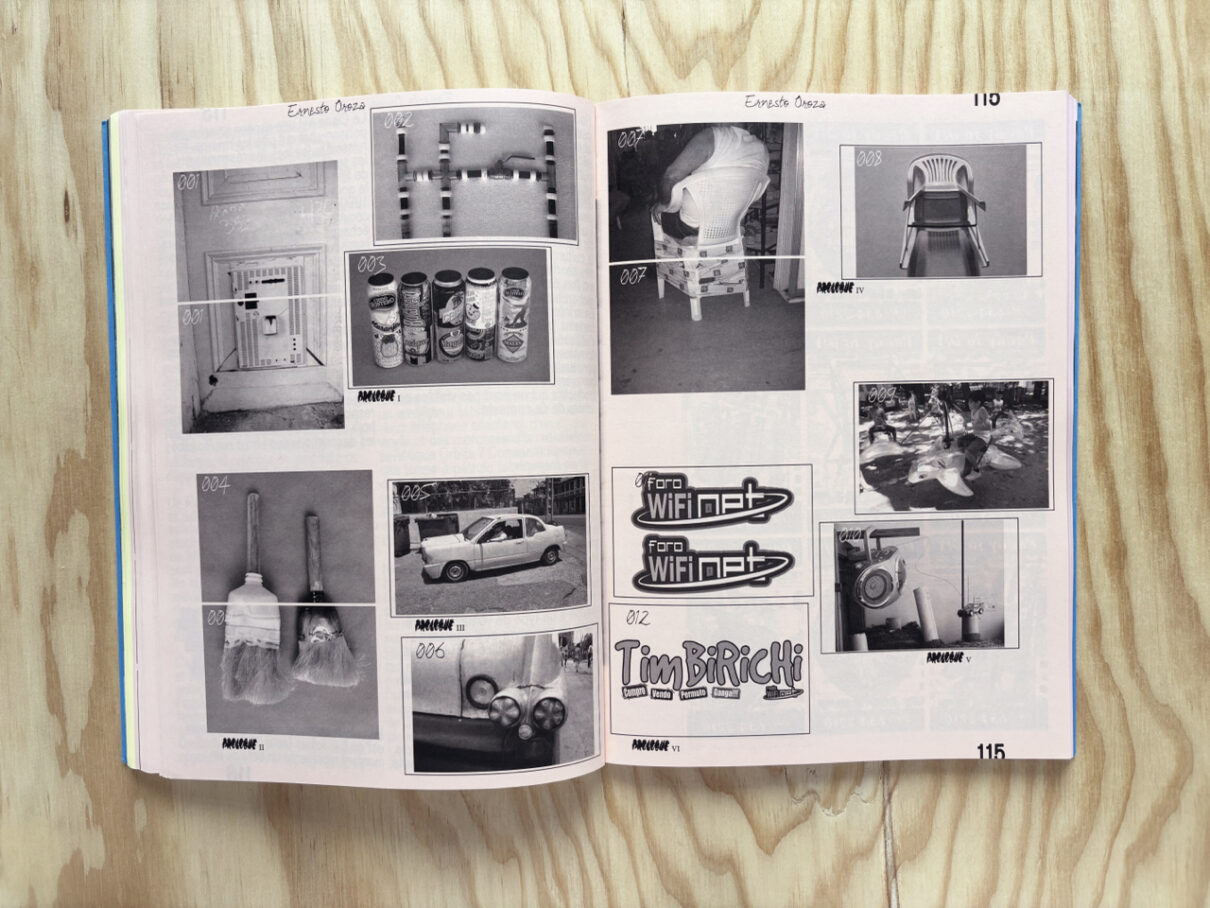
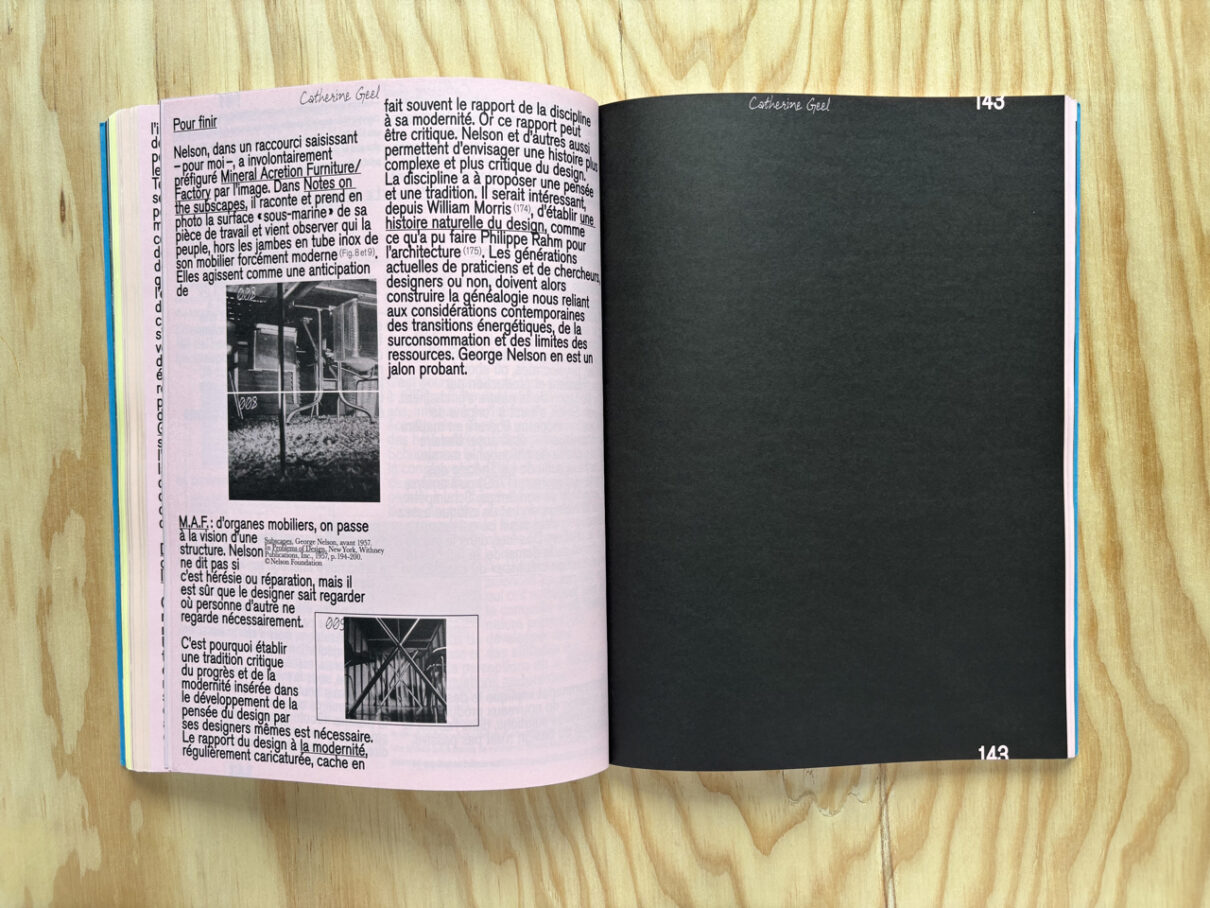
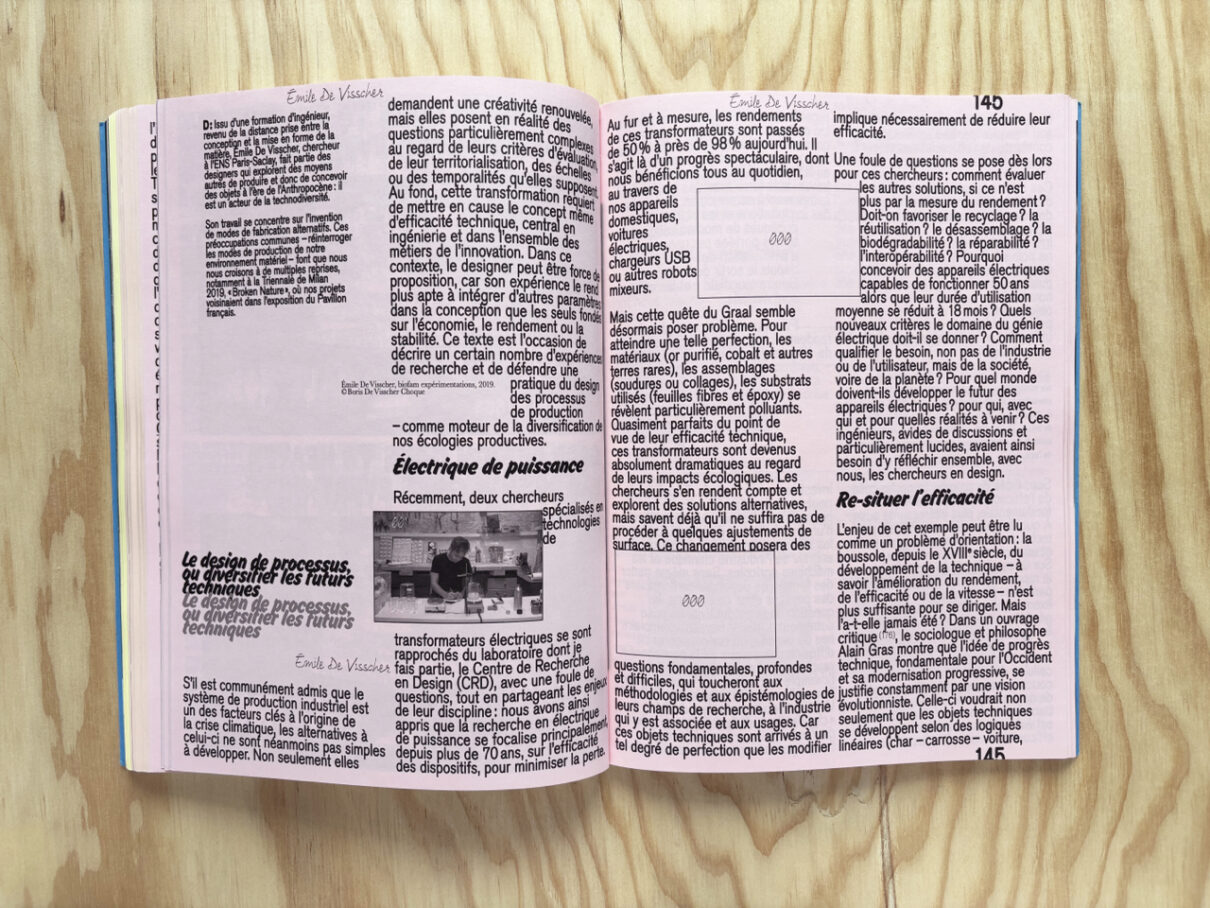
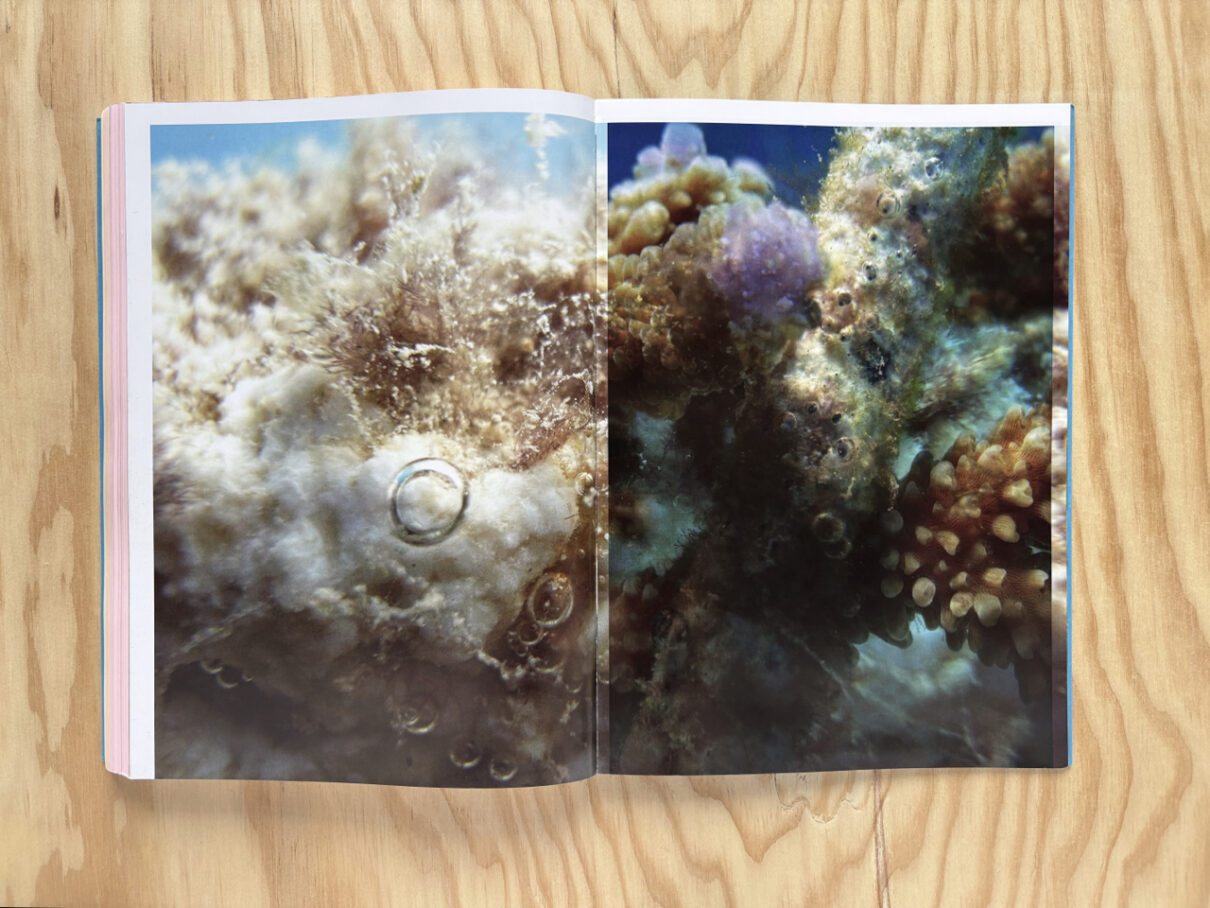
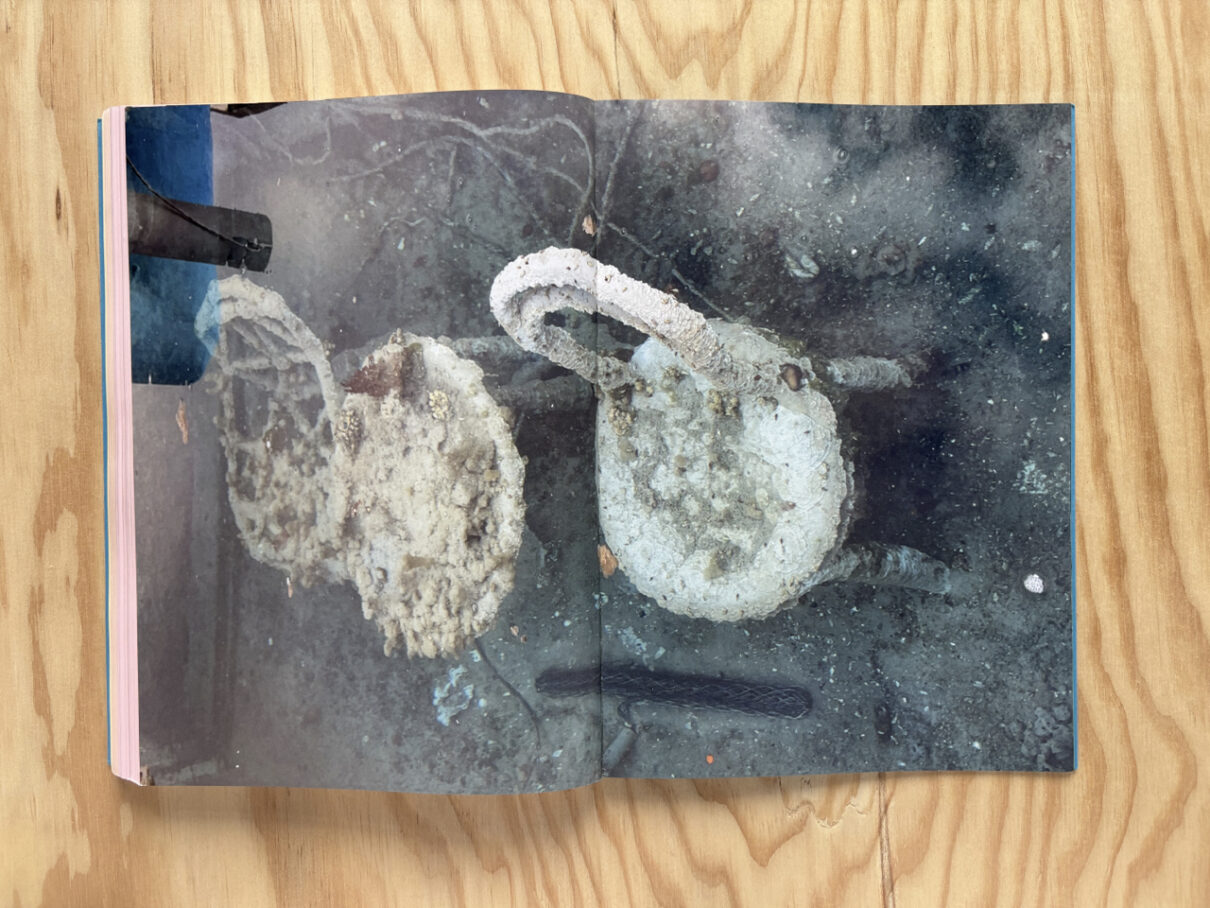
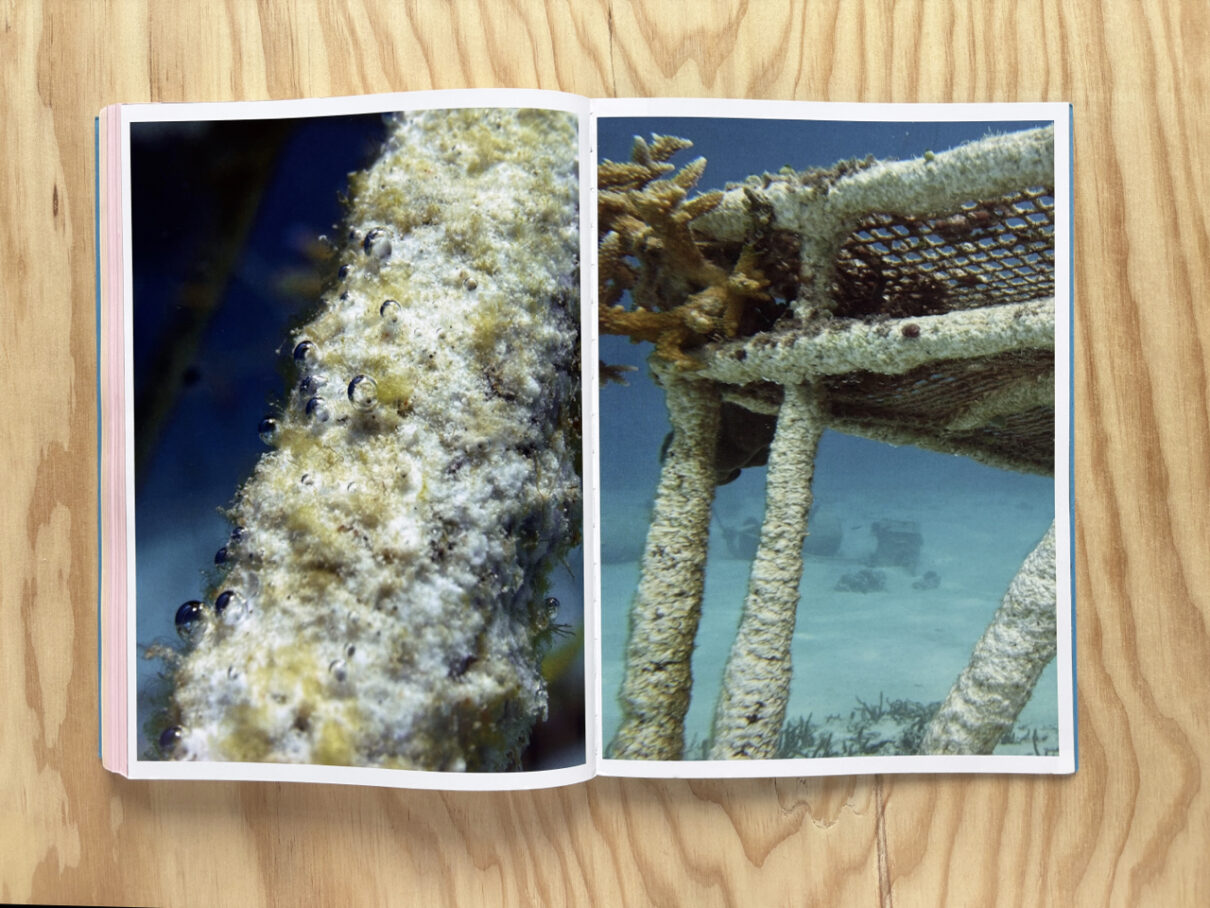
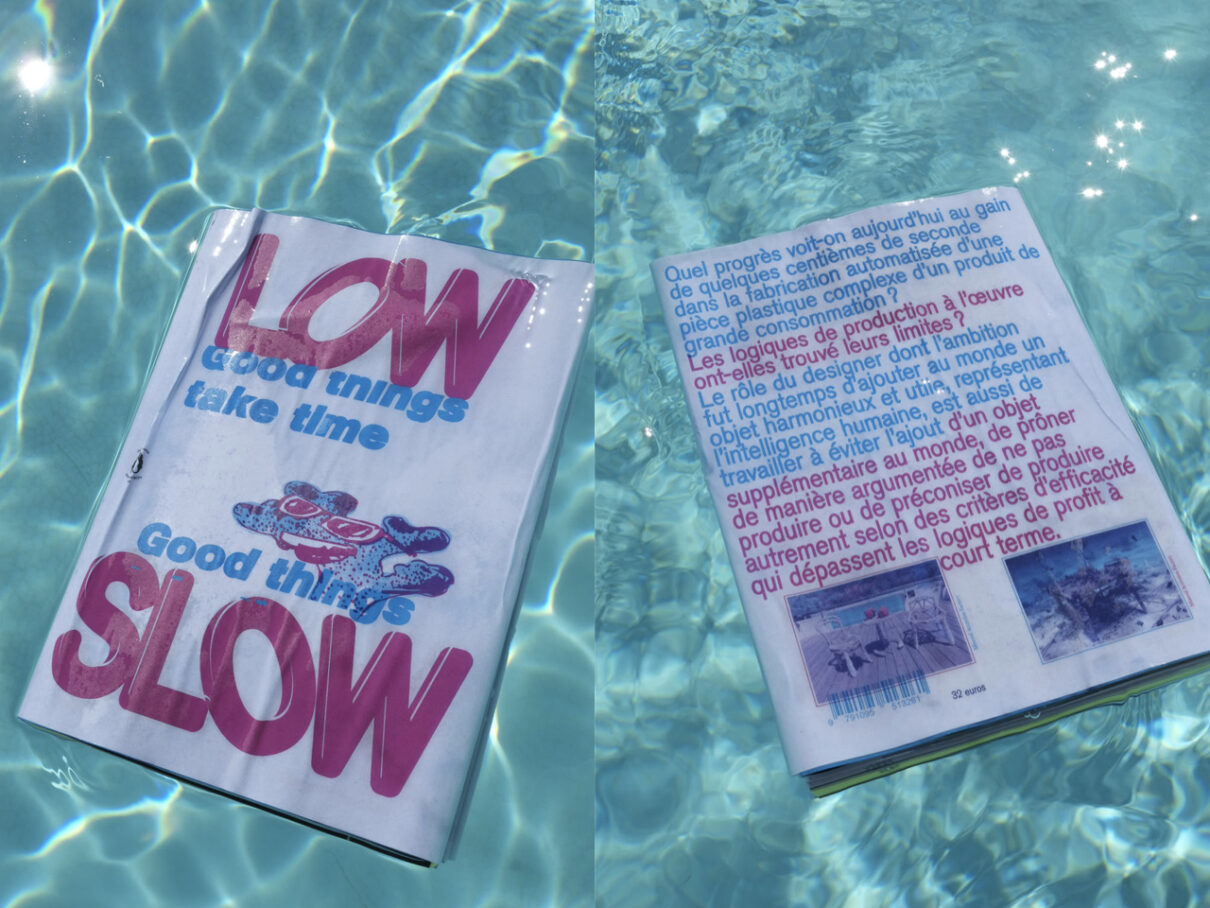
Low/Slow, Design et alterproduction situés présente l’historique du projet Mineral Accretion Factory – son évolution et les ramifications déployées (2011-2024). Il retrace le parcours qui permet de concevoir du mobilier et d’aménager des plages et des espaces publics. Il évoque les problématiques de réparation du corail et de protection des côtes.
Cette recherche dure depuis 12 ans.
Elle fait la démonstration d’une recherche par le projet,
Elle propose des aller-retours constants entre pratique, théorie et imaginaires marins ou sous-marins.
Elle met en relation des acteurs et des domaines variés : biologie marine, océanologie, géologie, anthropologie des techniques, patrimoine, histoire, design, muséographie, illustration.
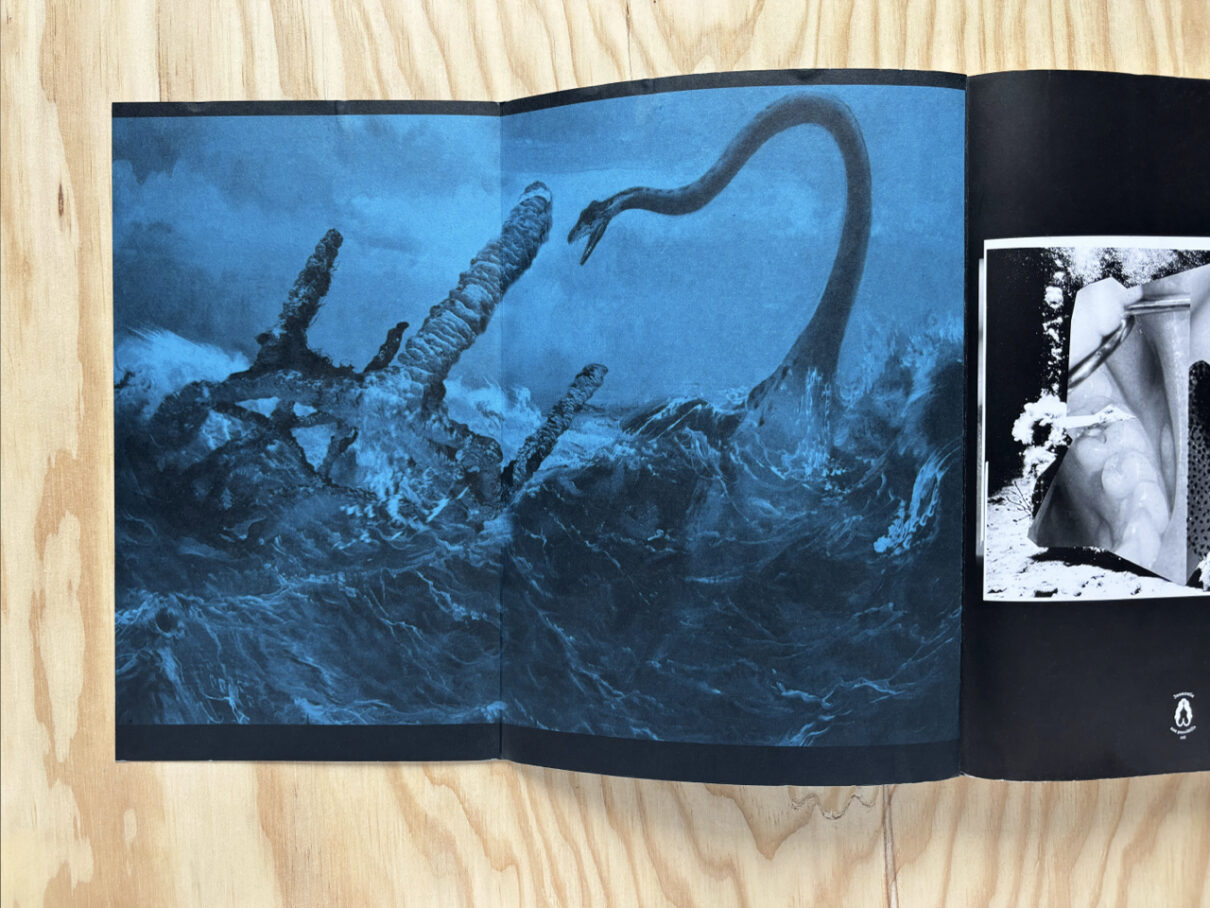
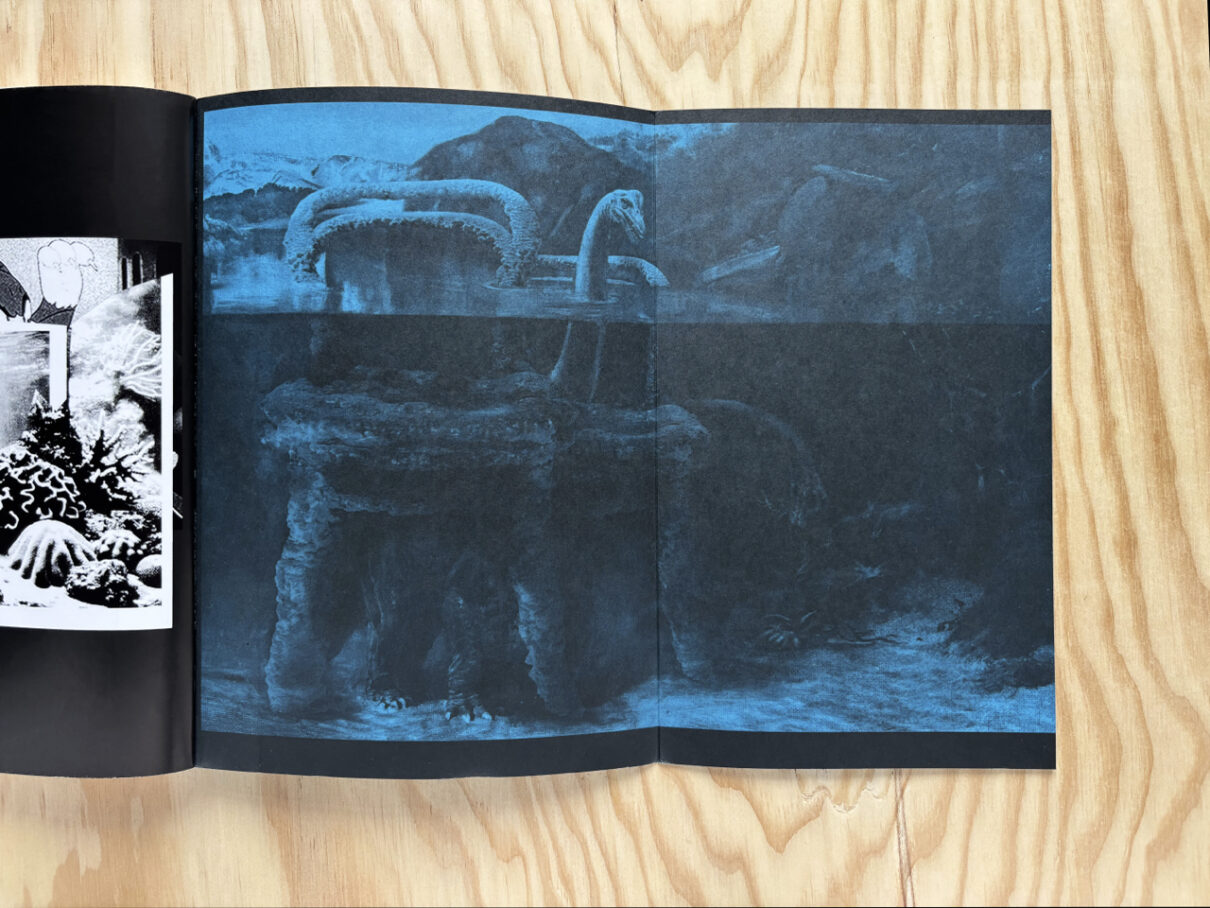
La publication mobilise également des imaginaires et des références visuelles riches.
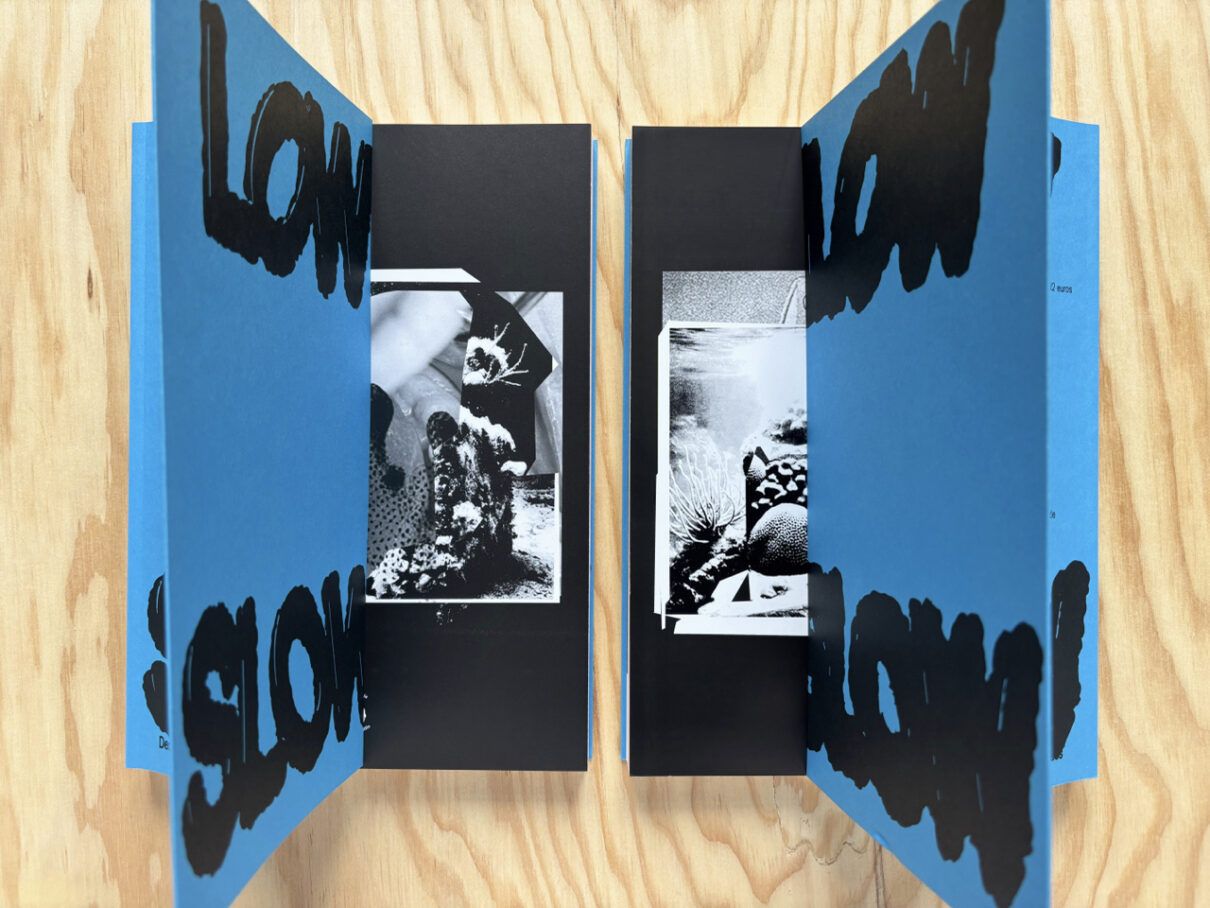
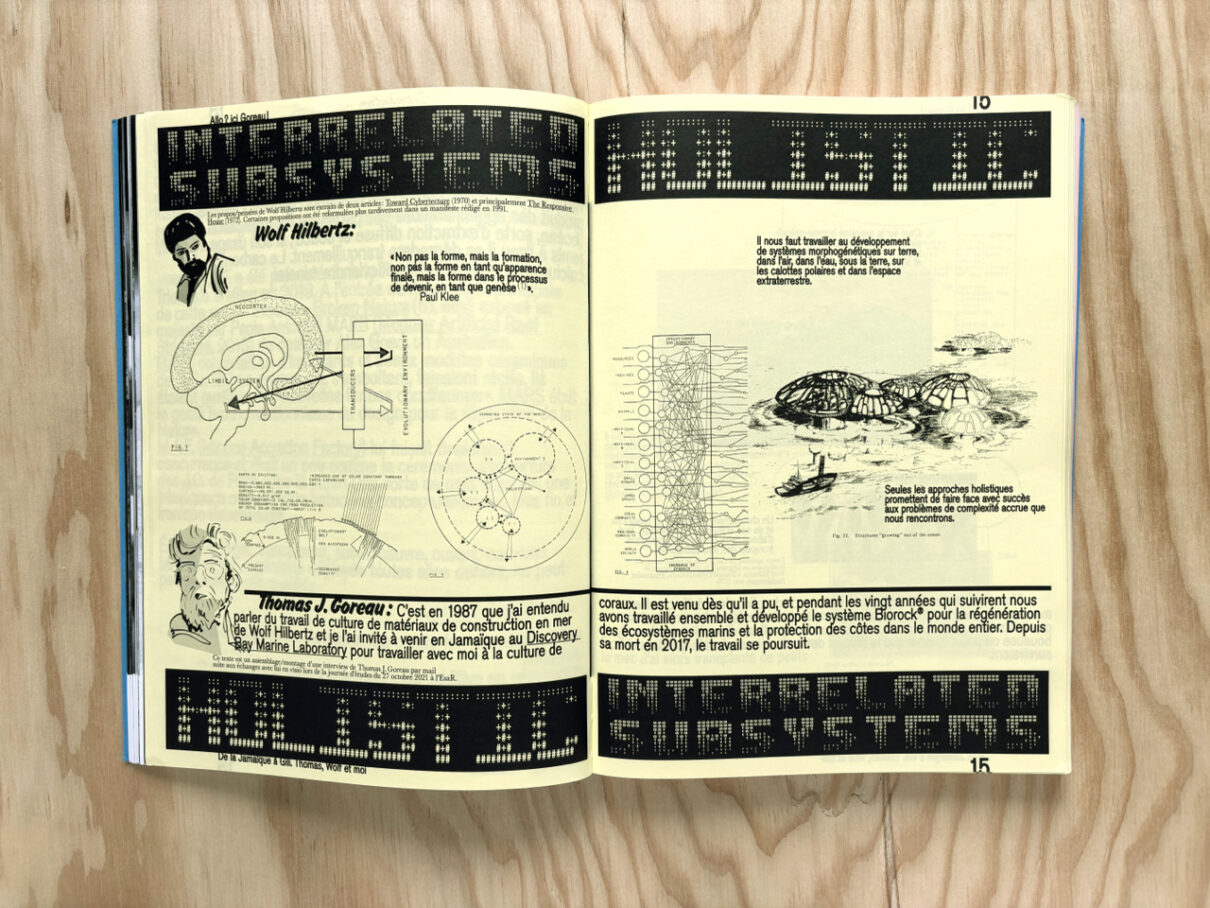
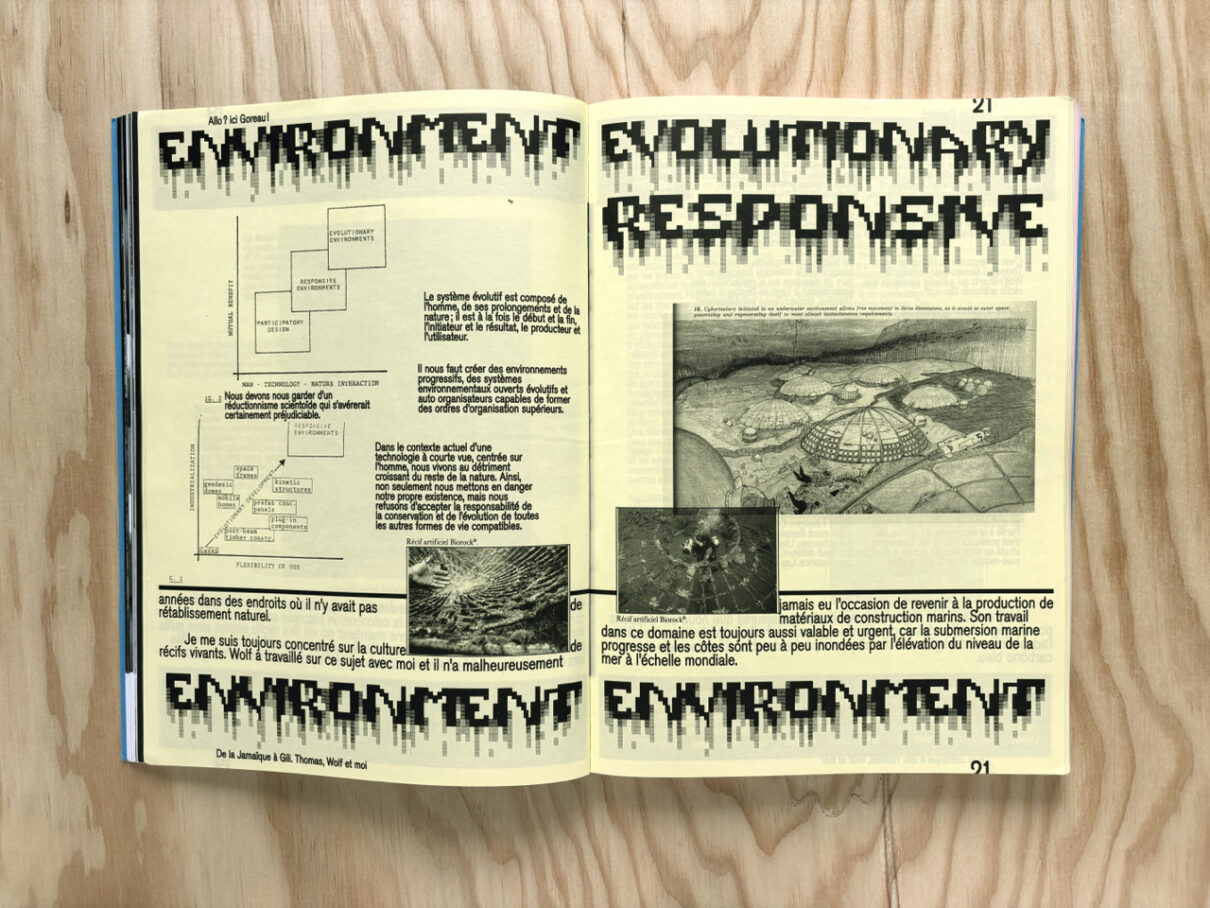
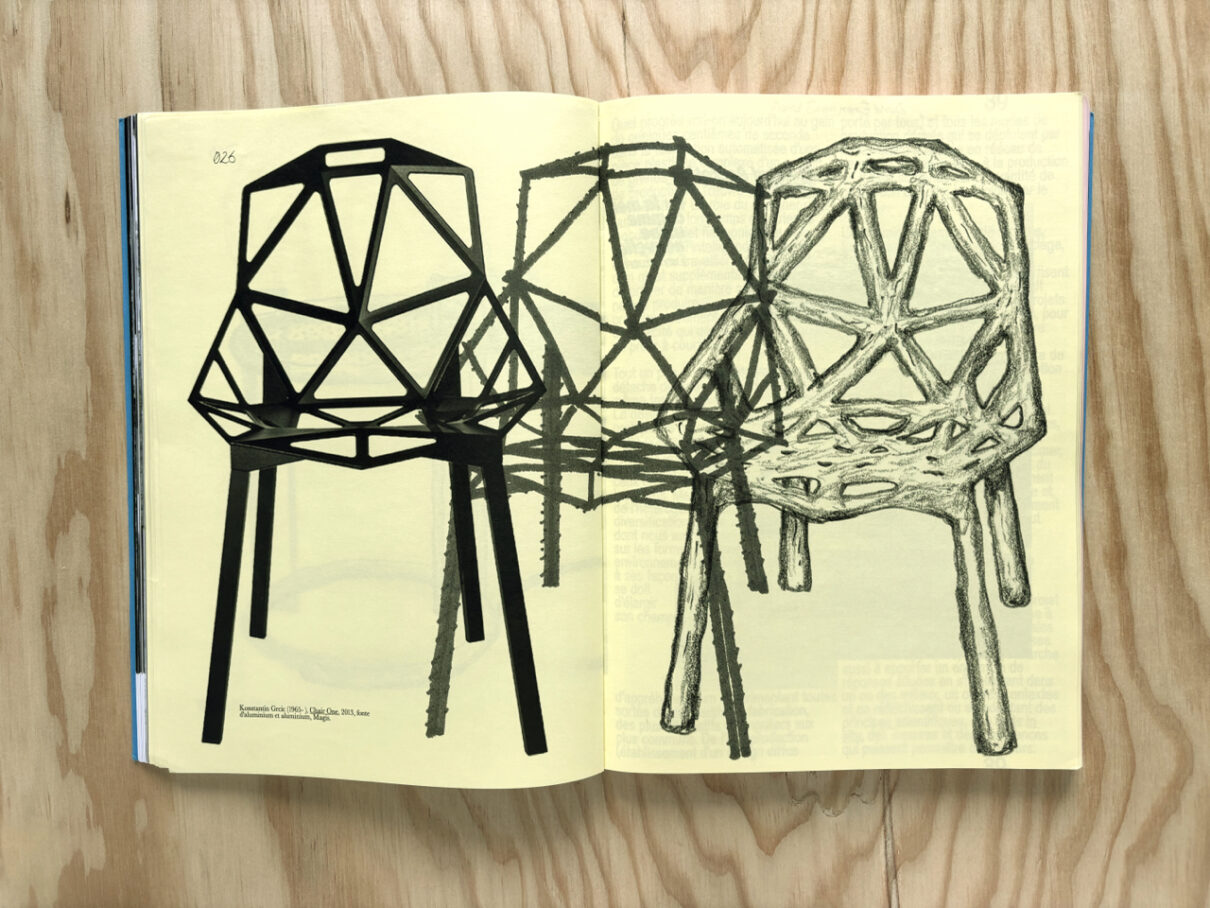
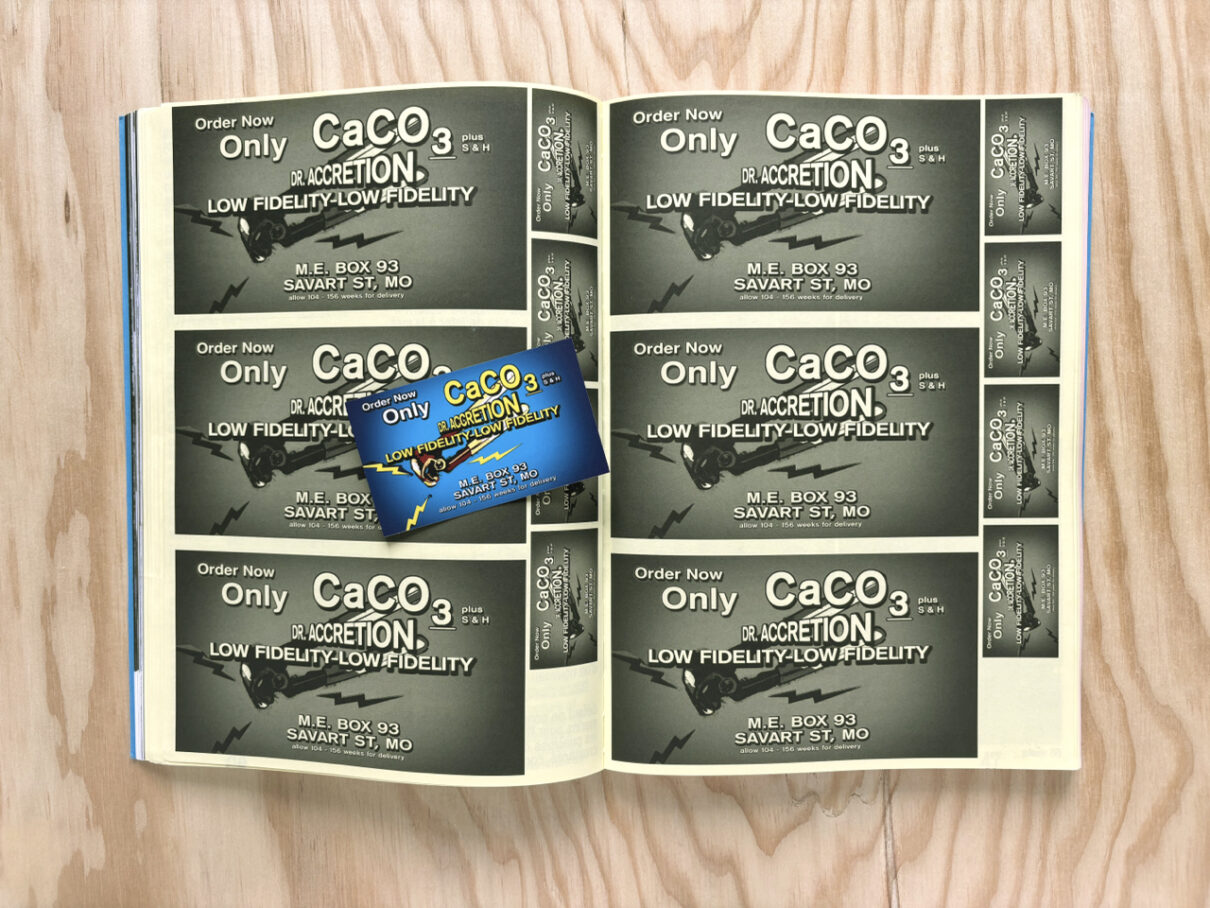
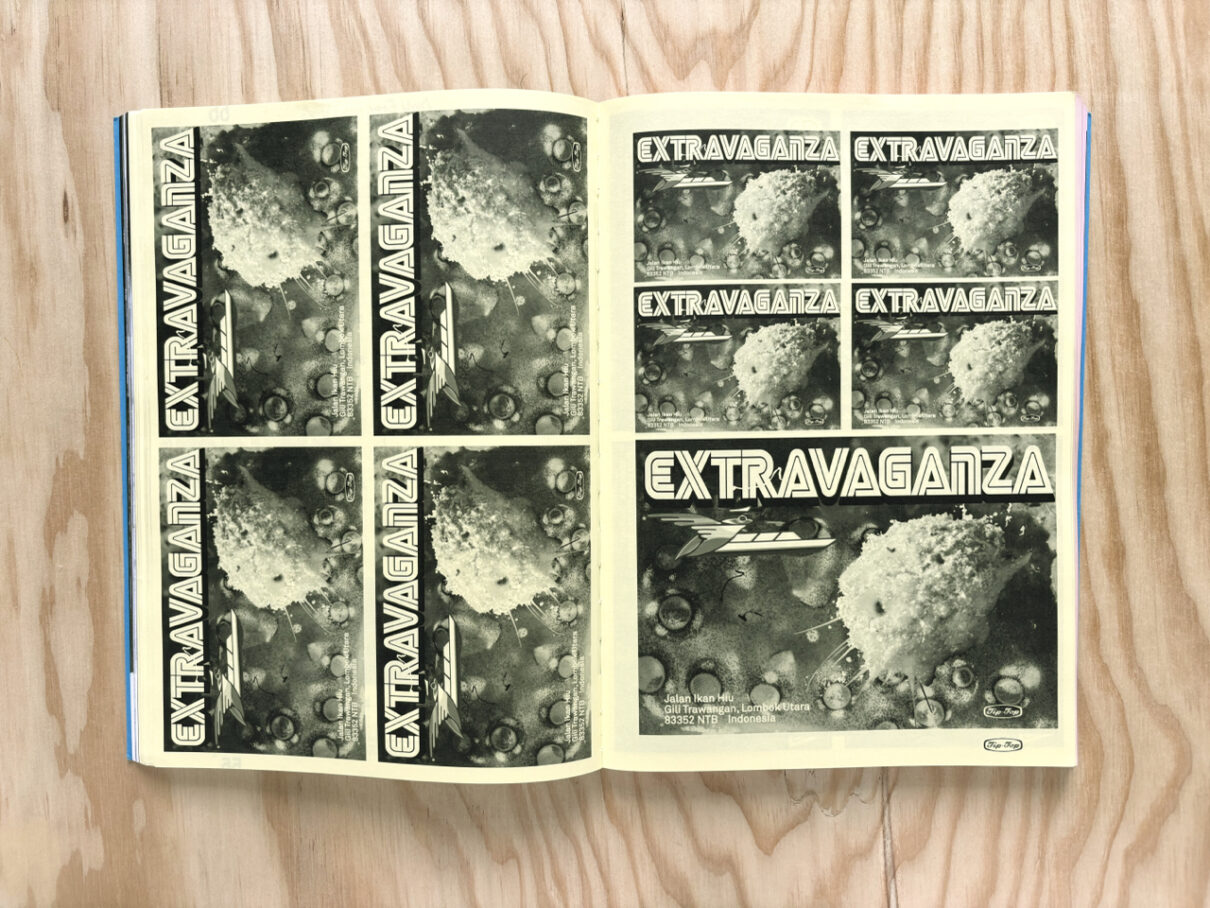
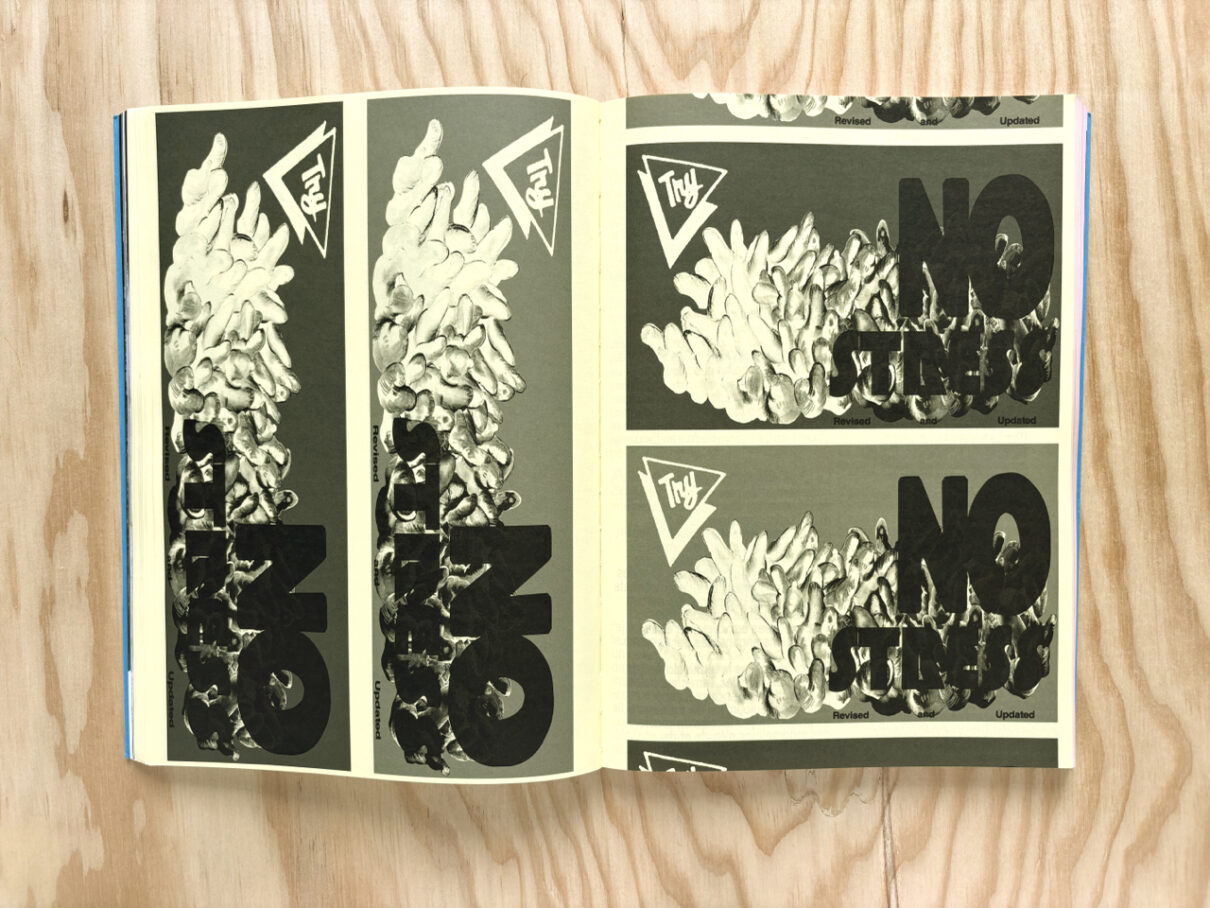
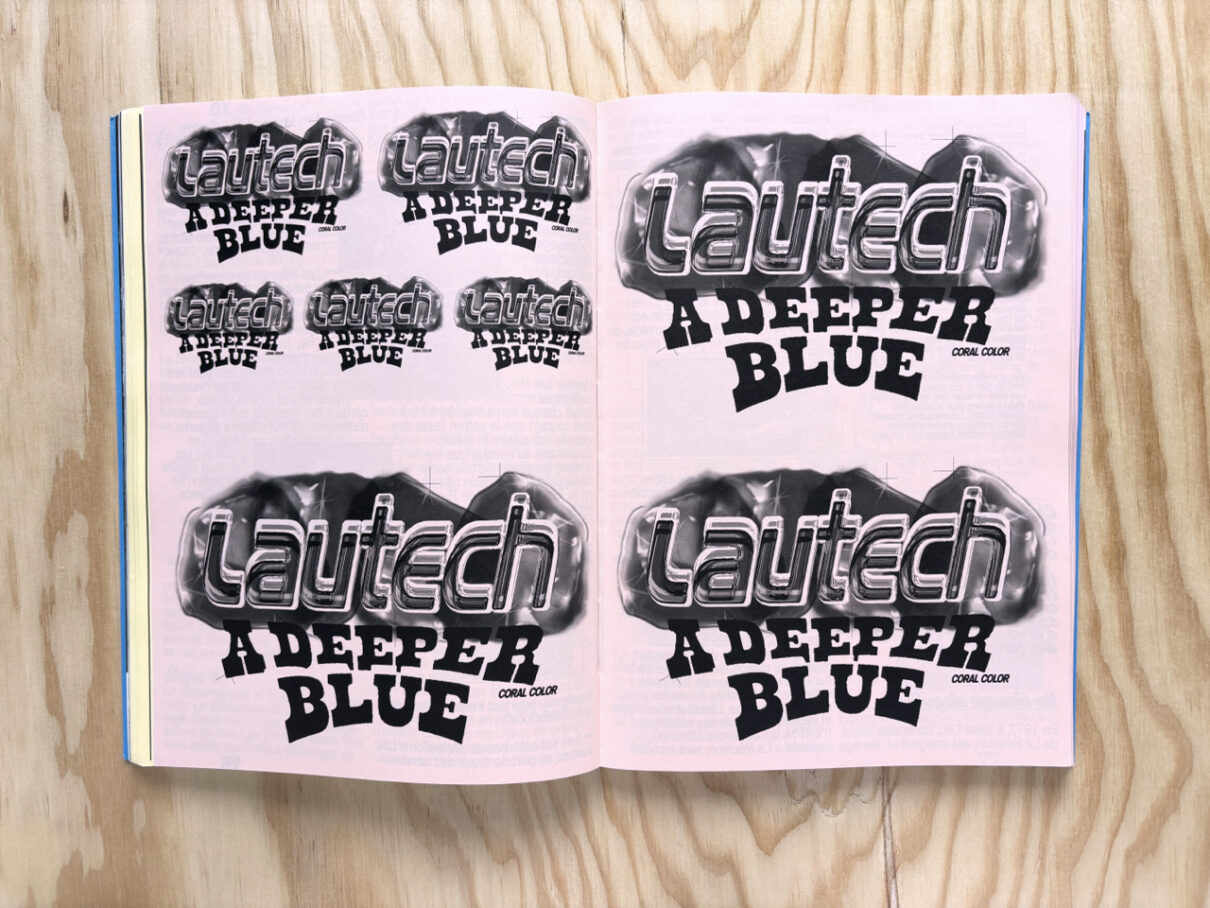
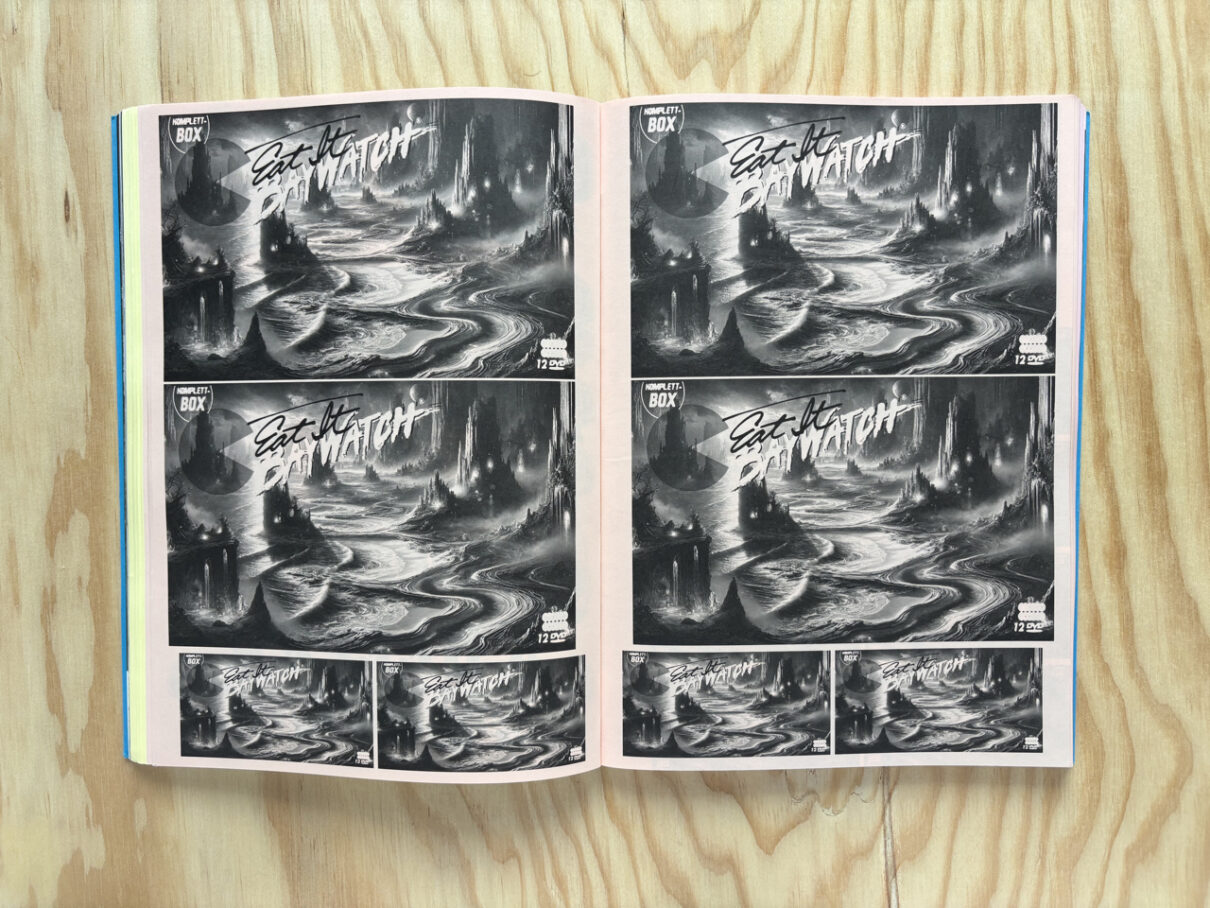
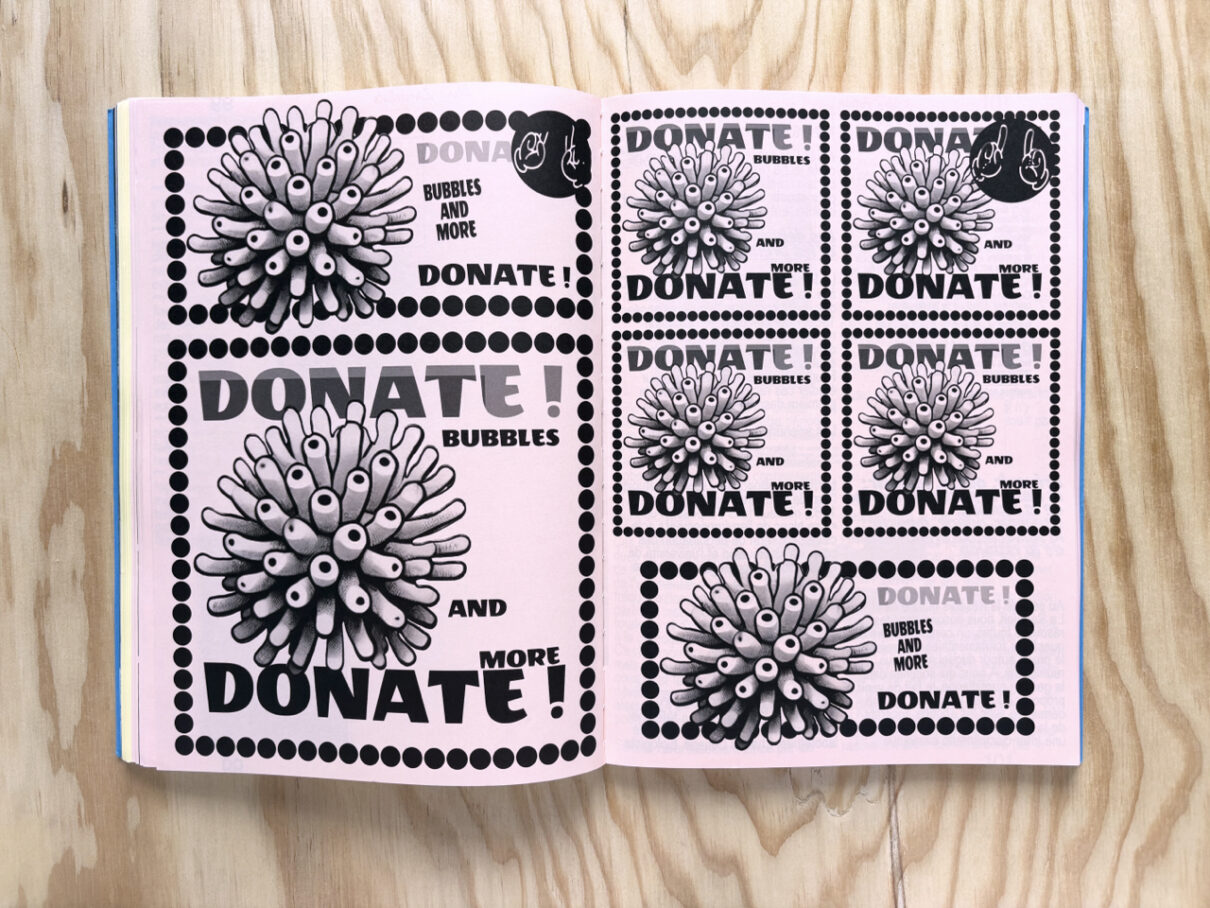
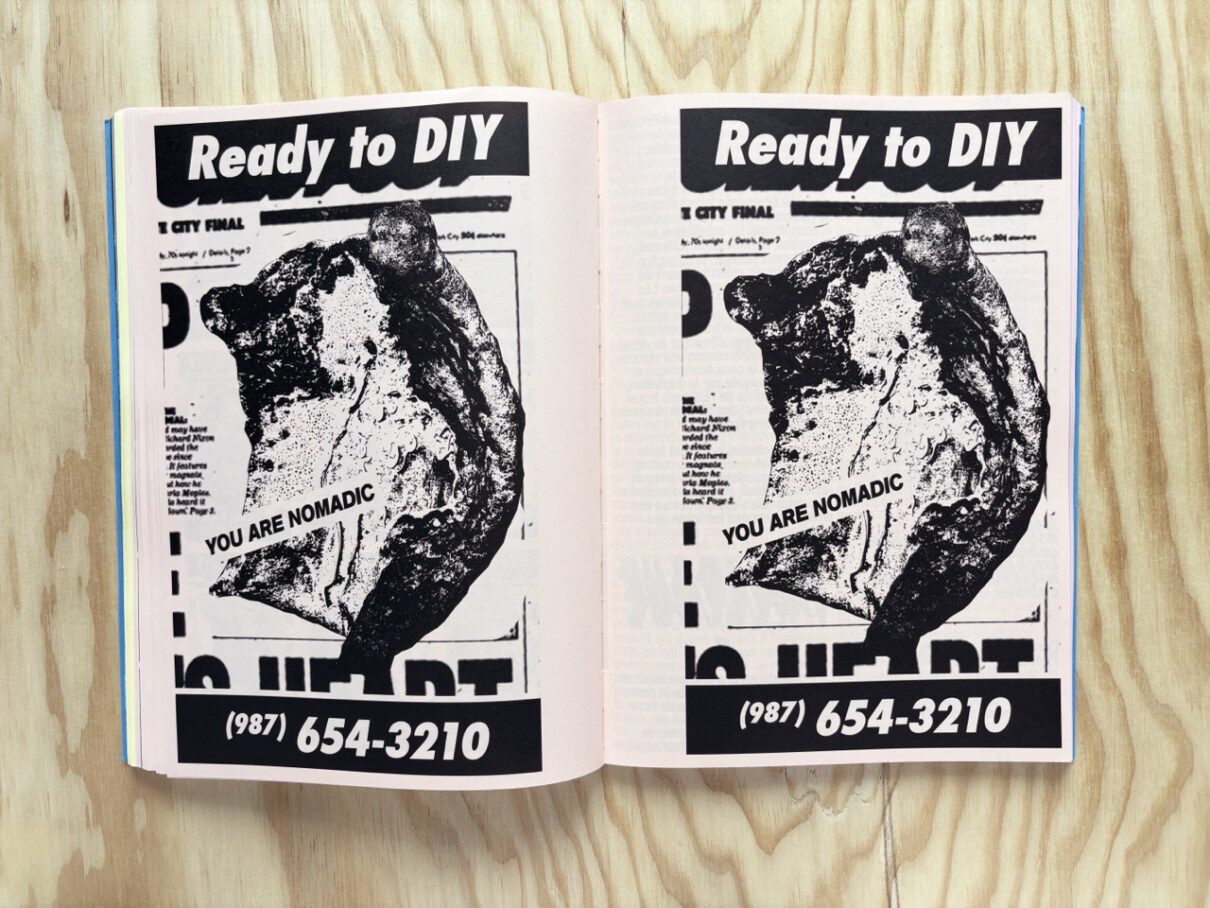
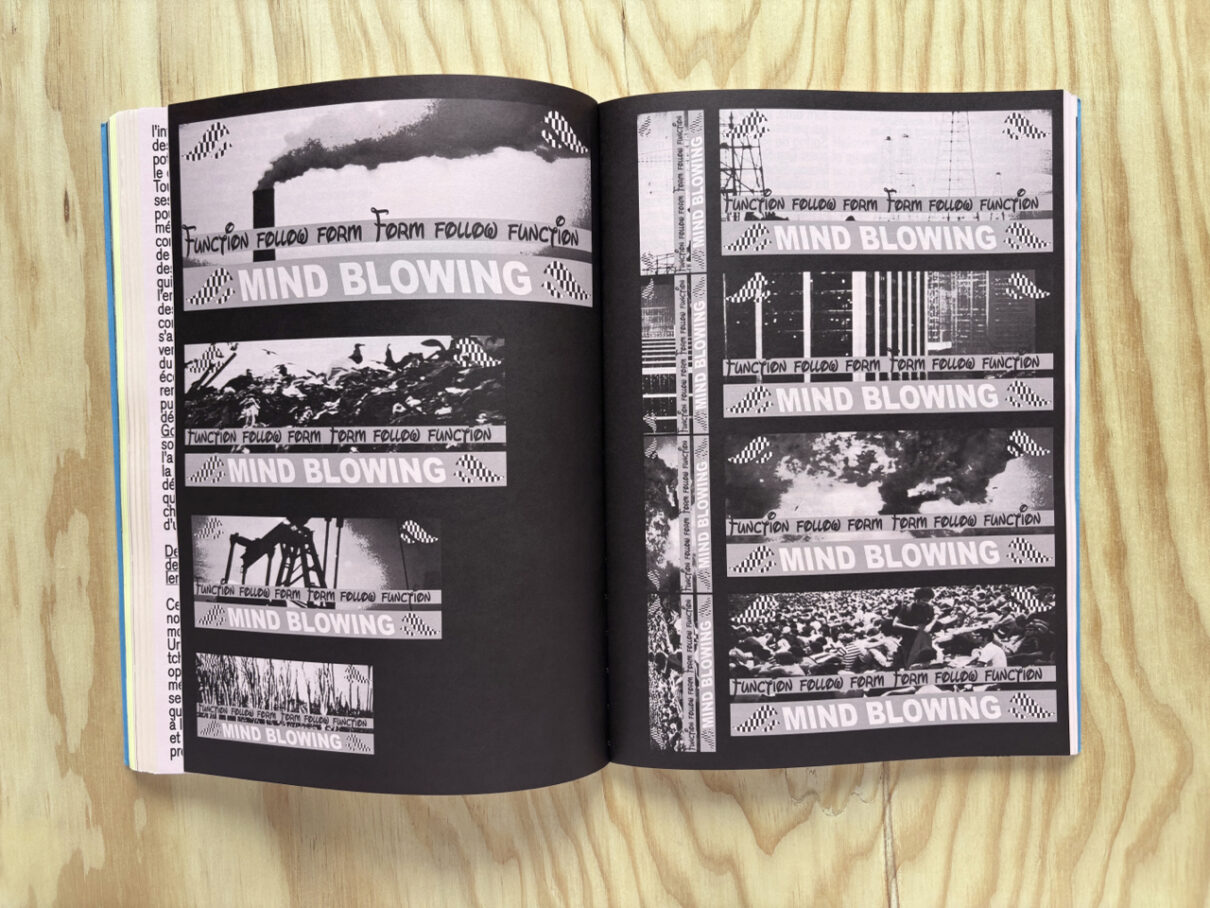
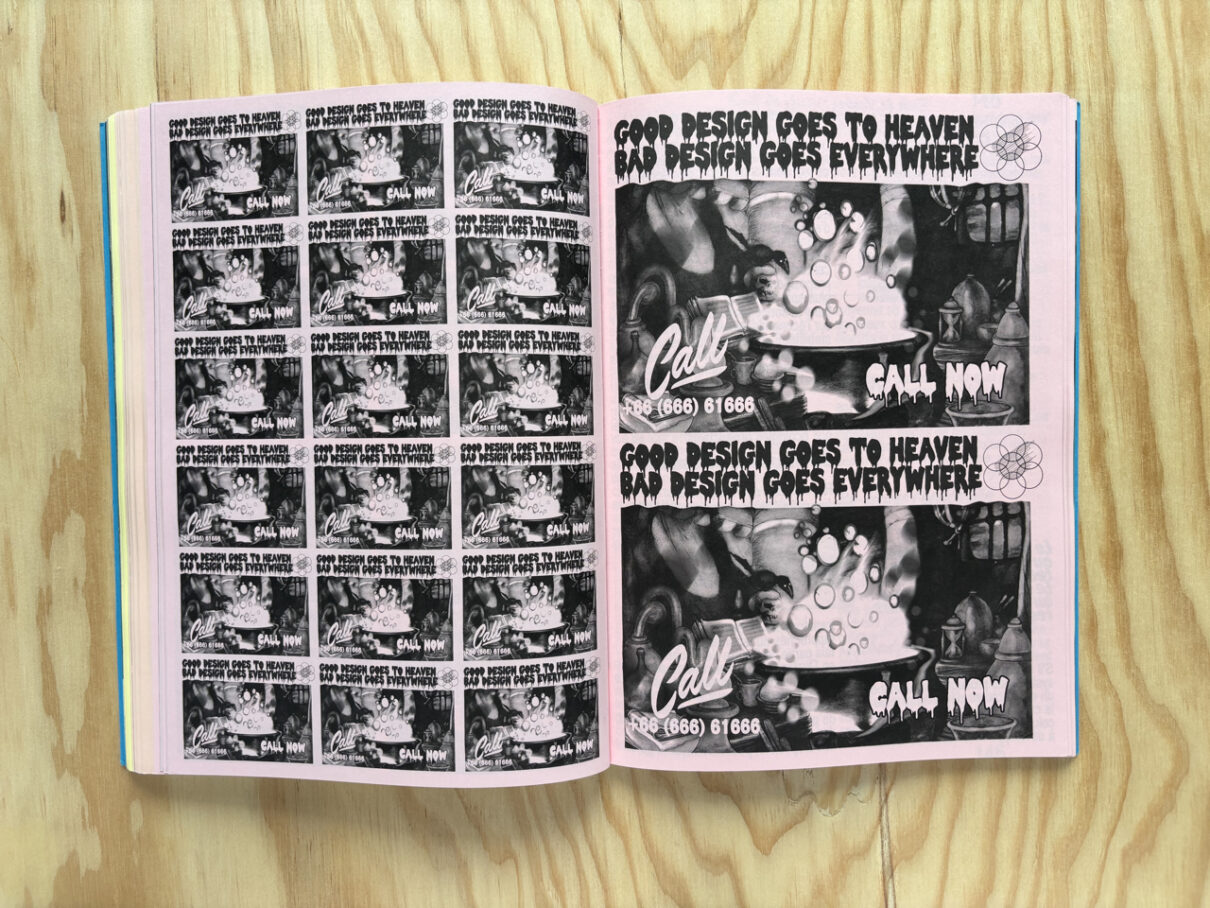
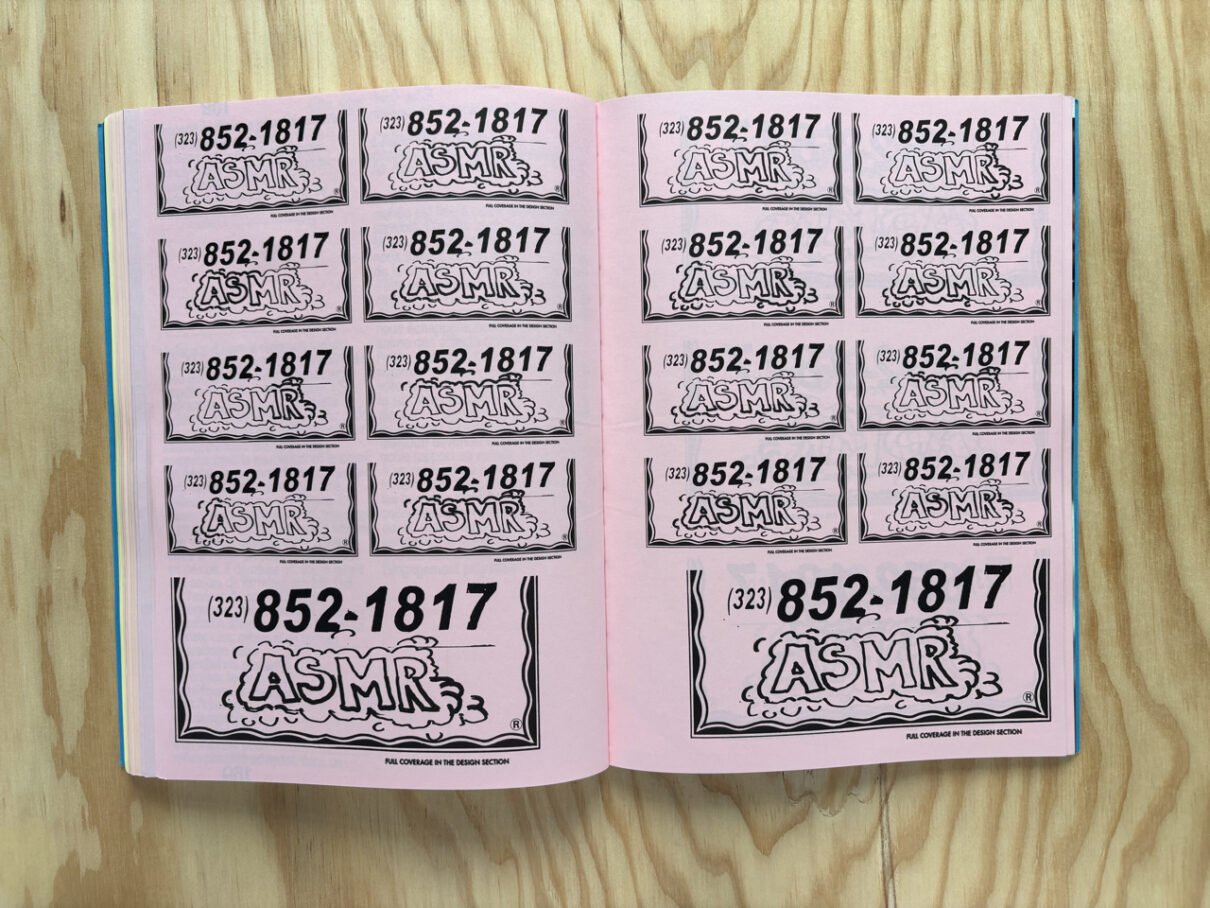
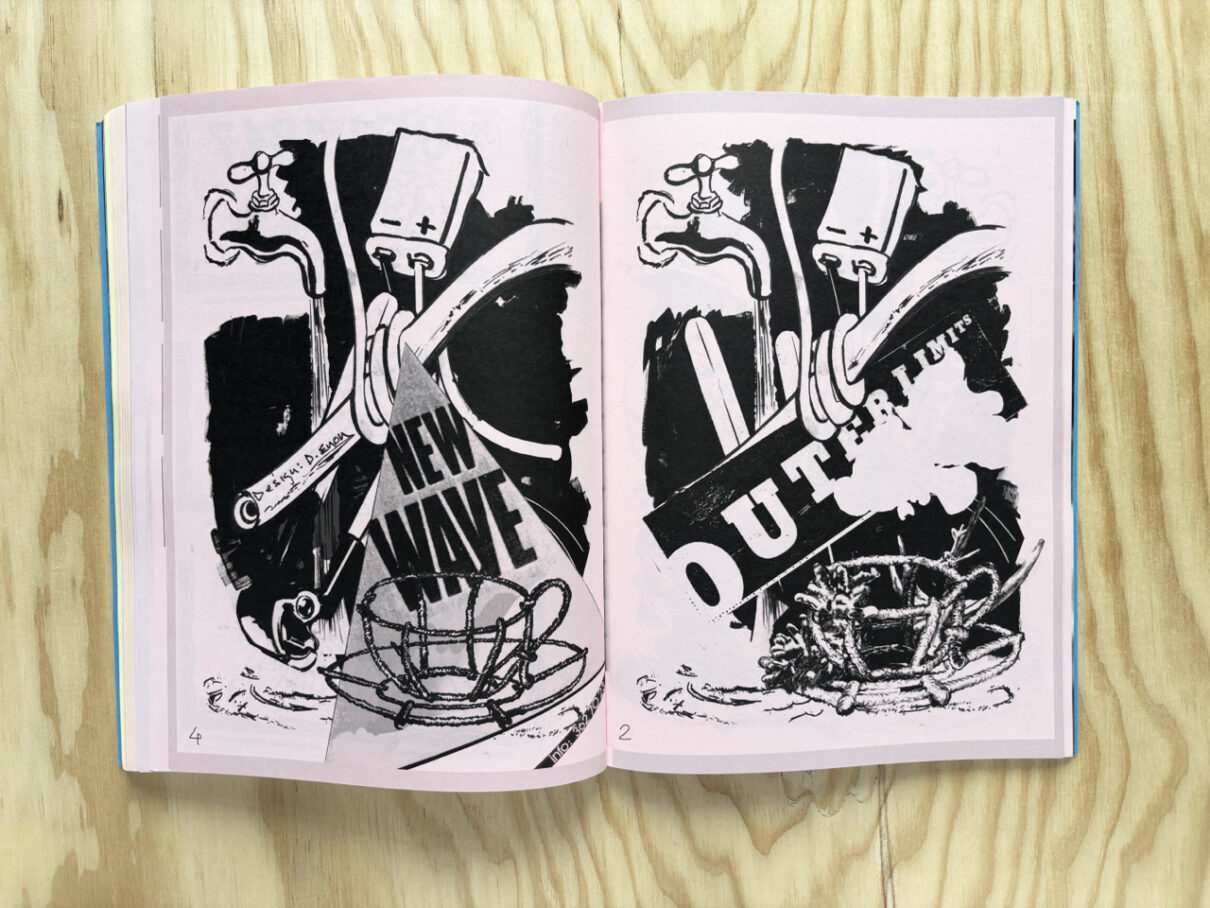
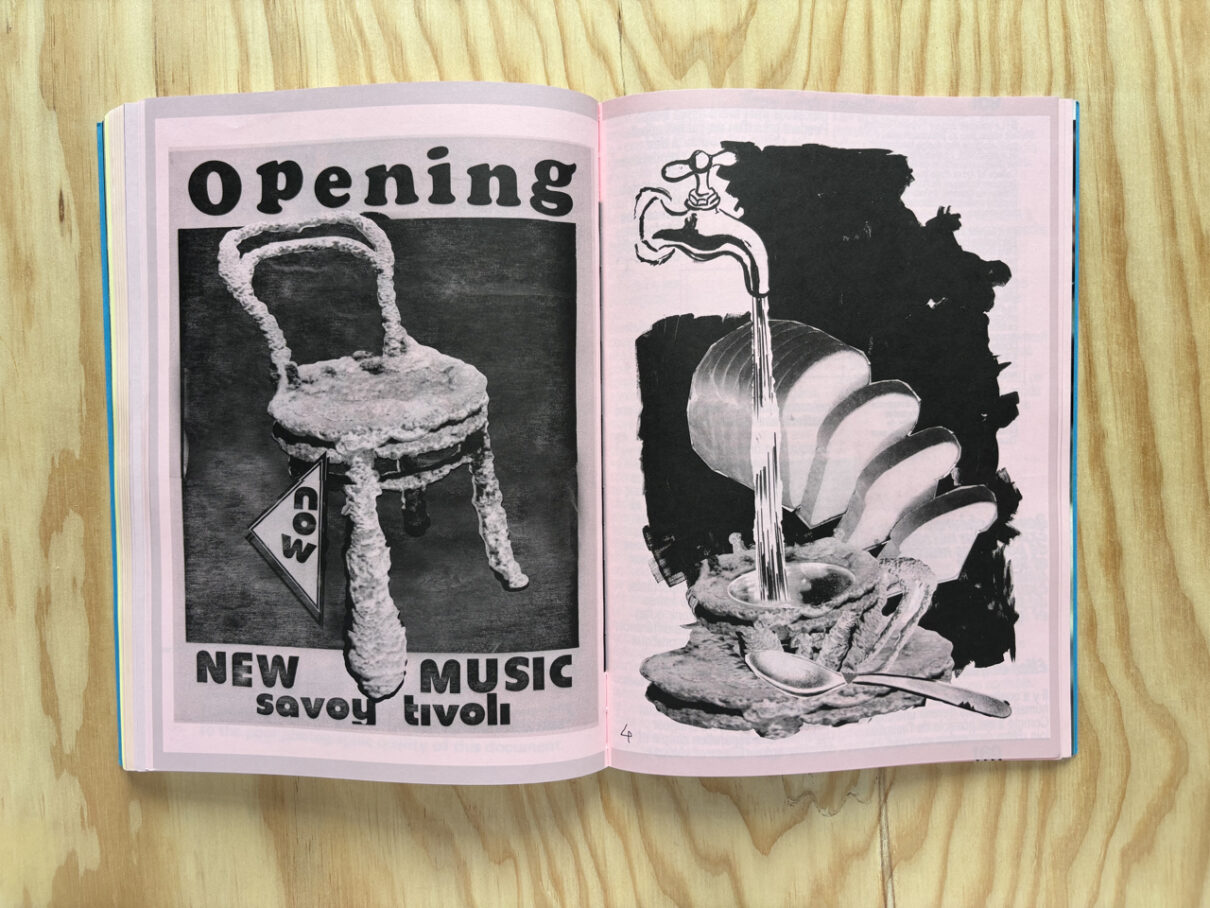
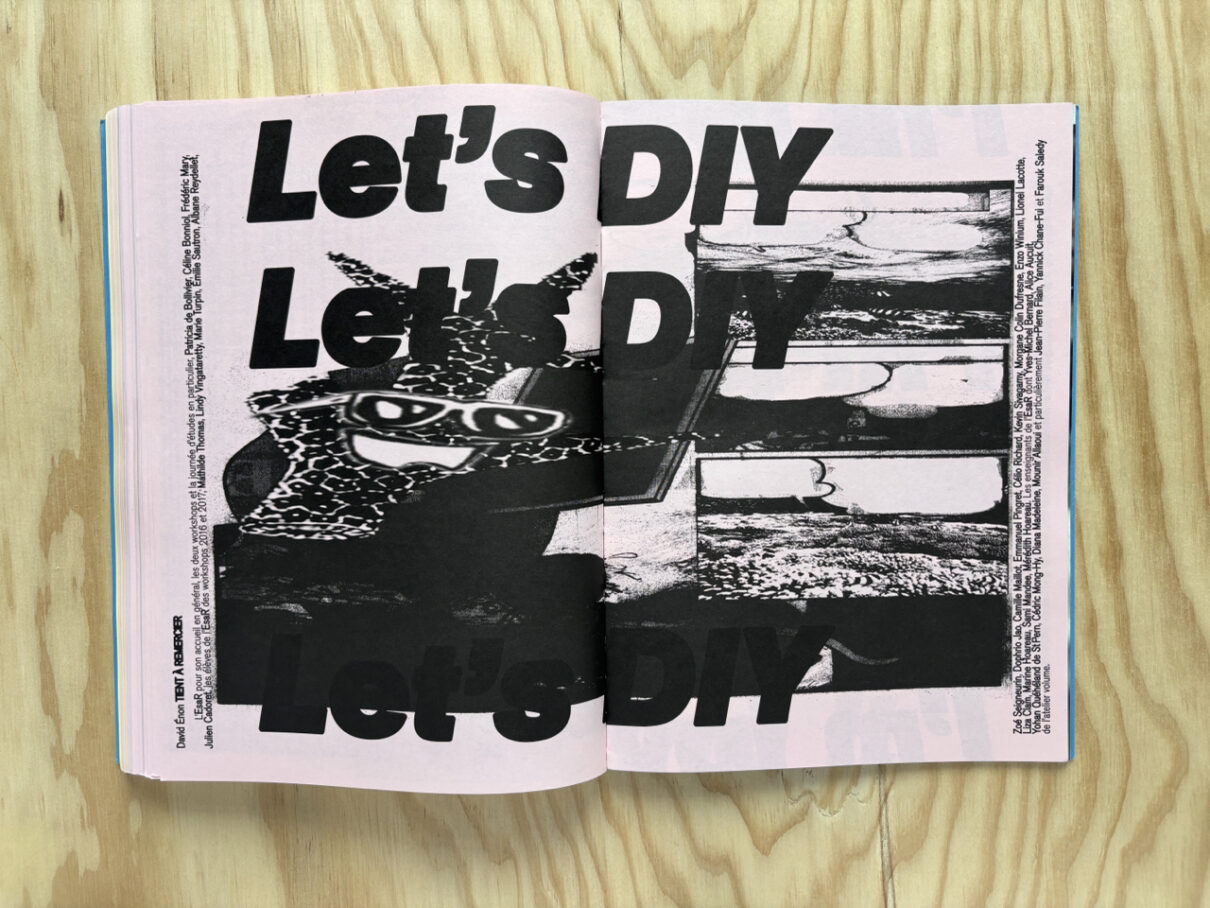
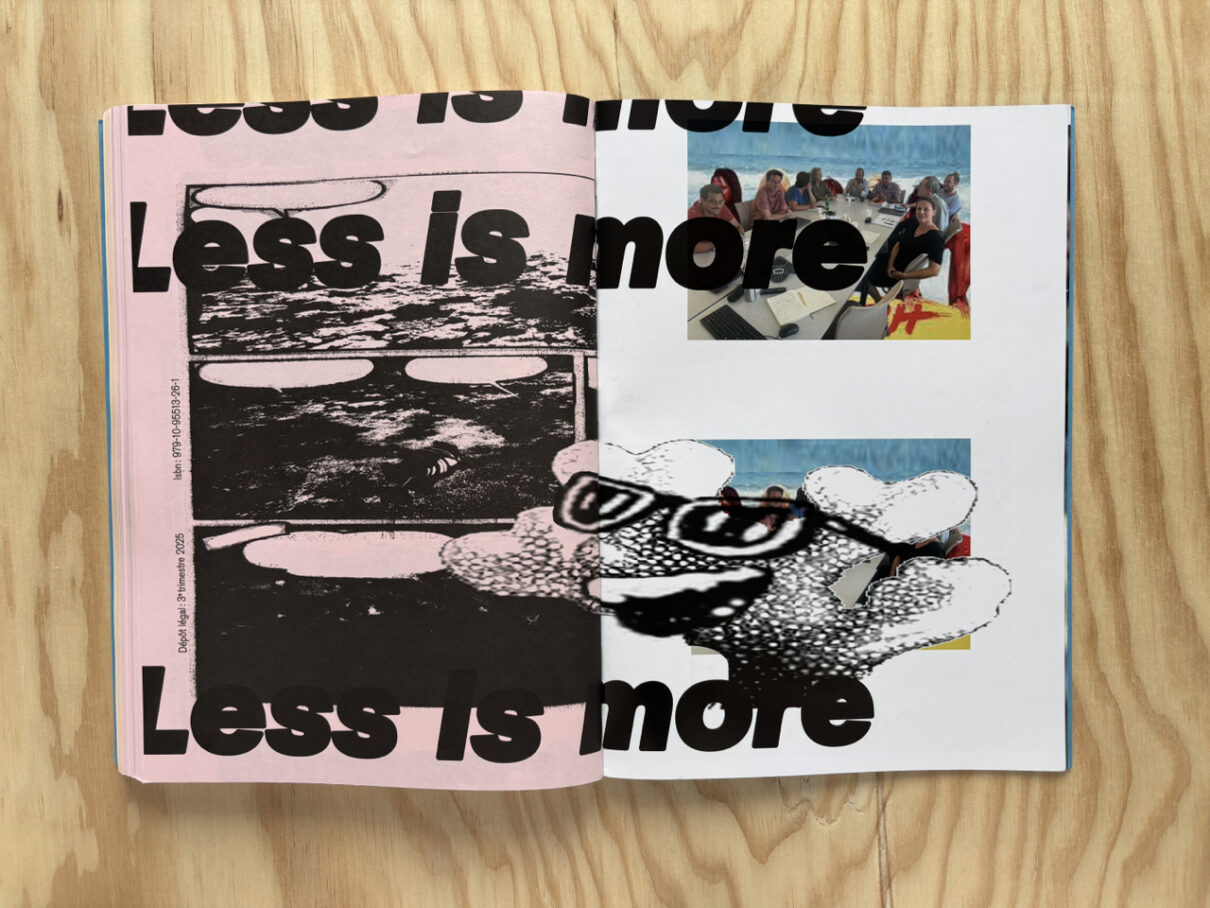
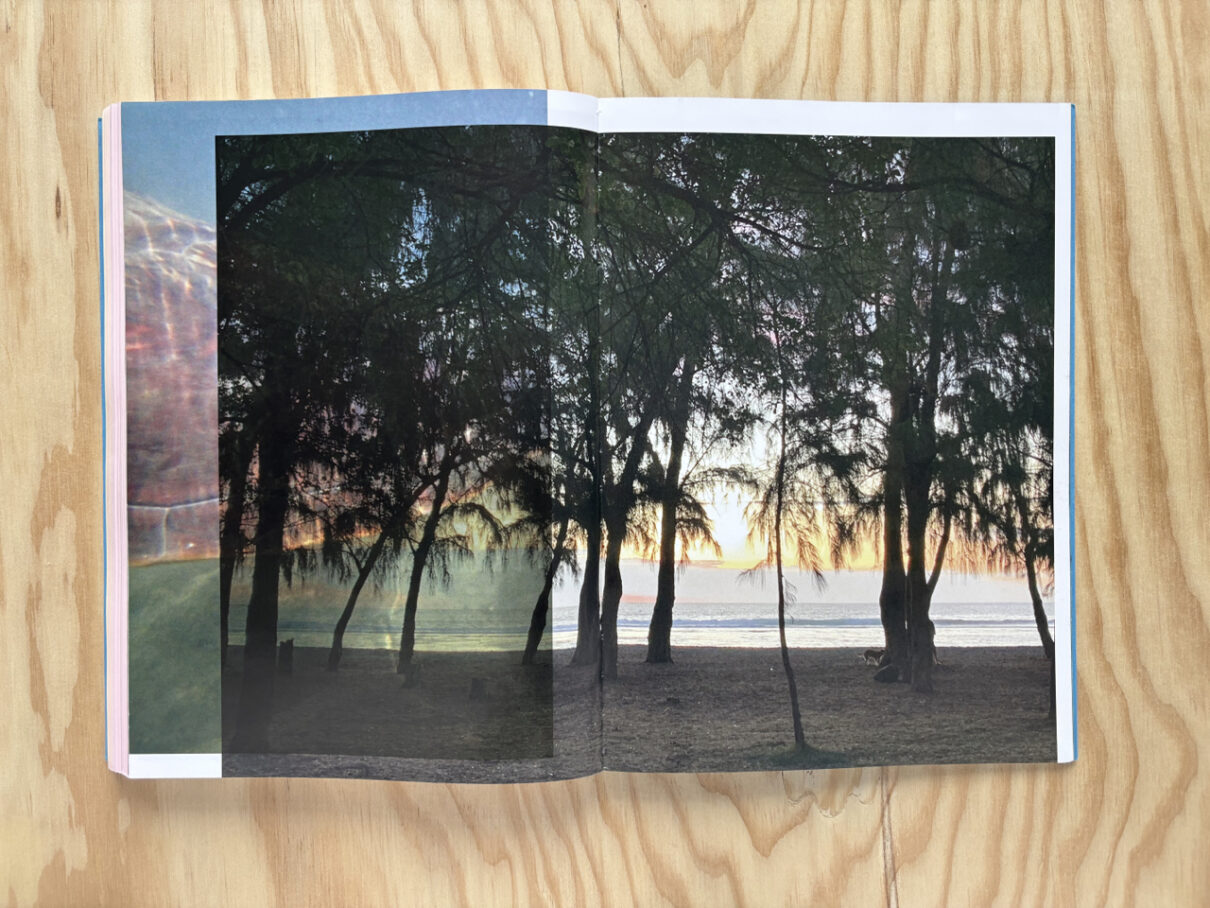
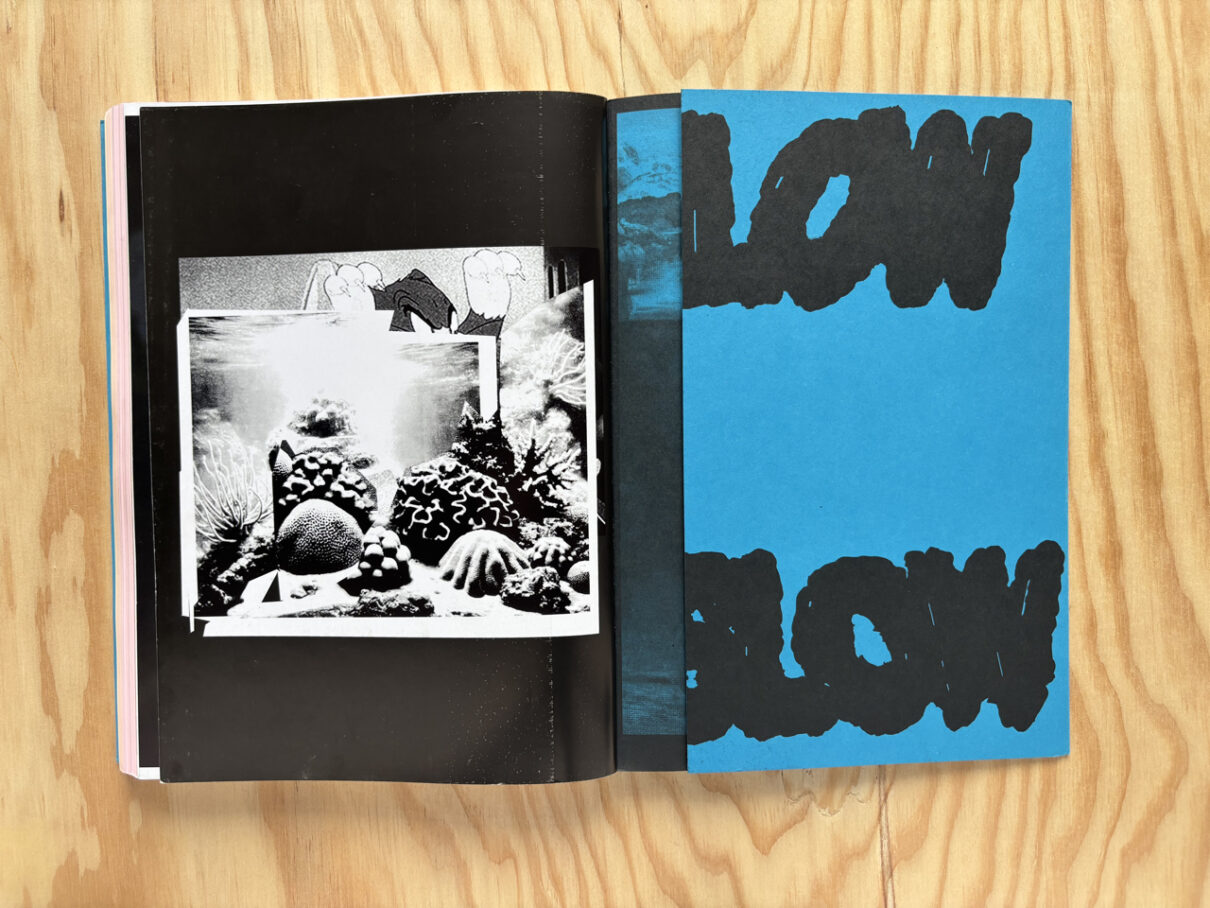
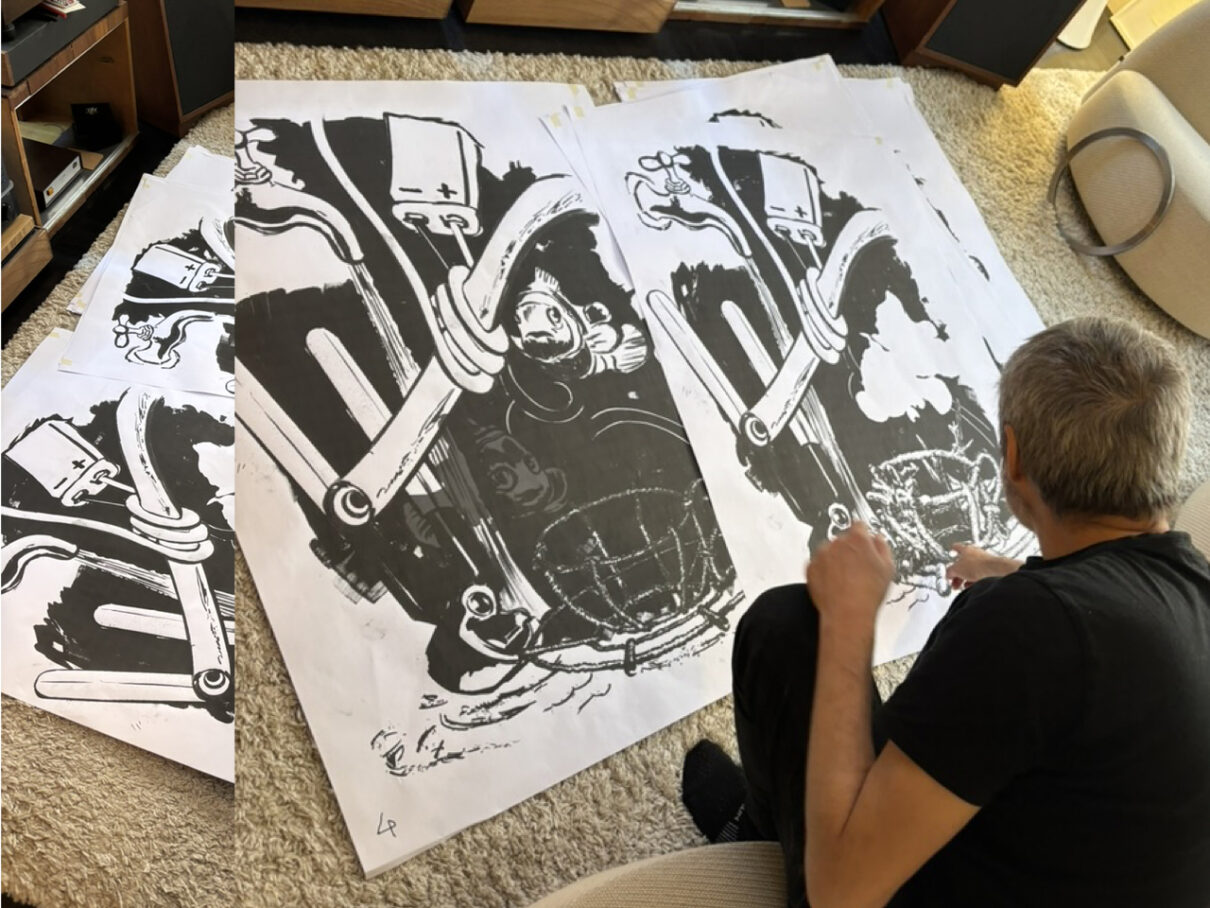
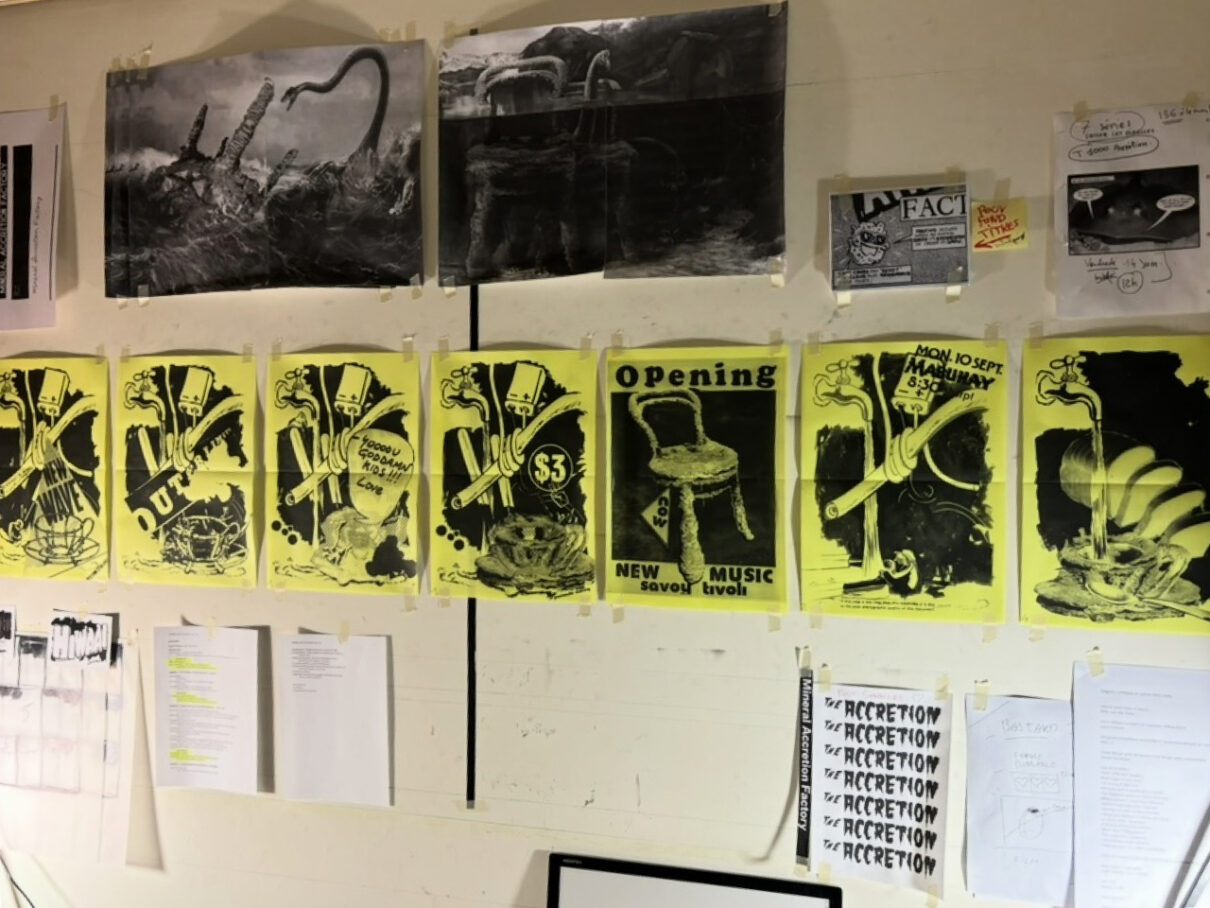
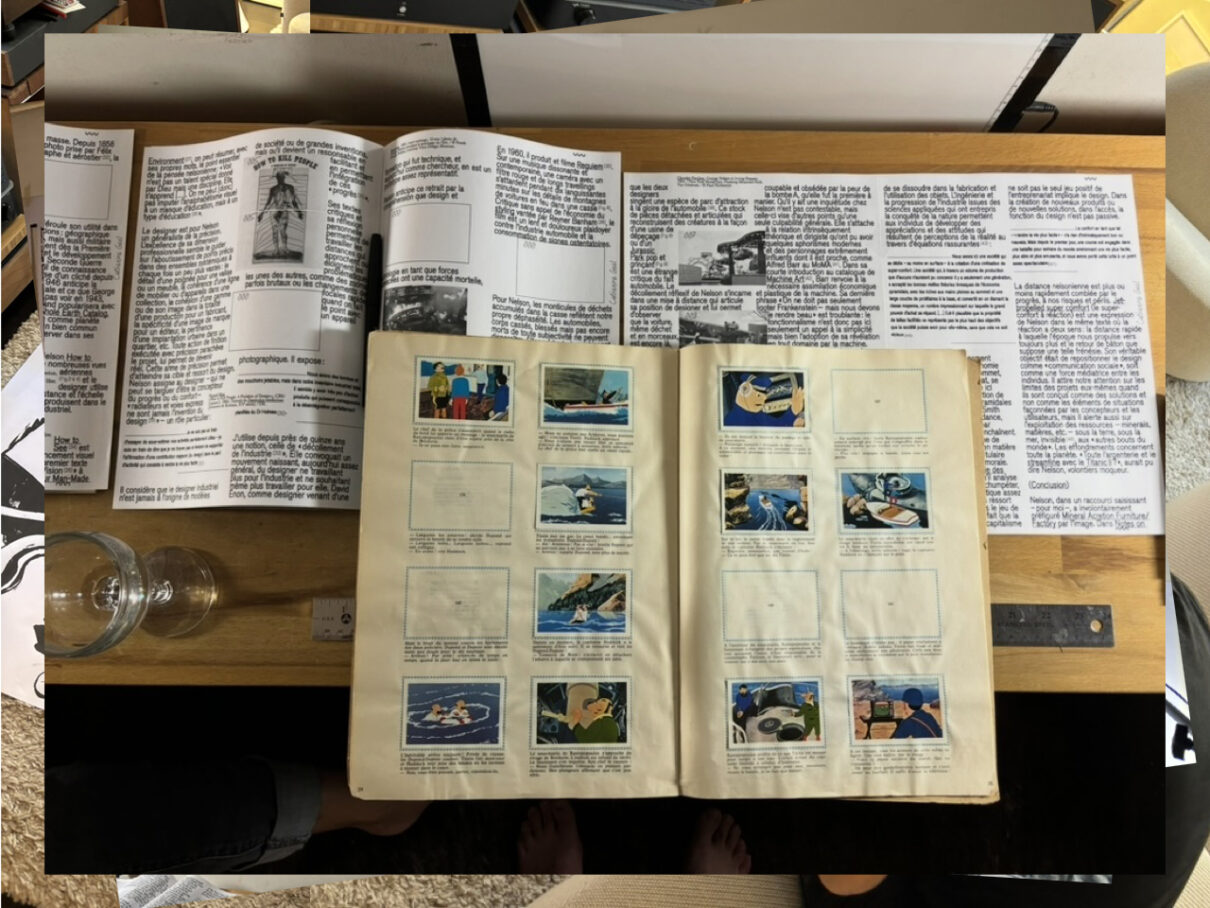
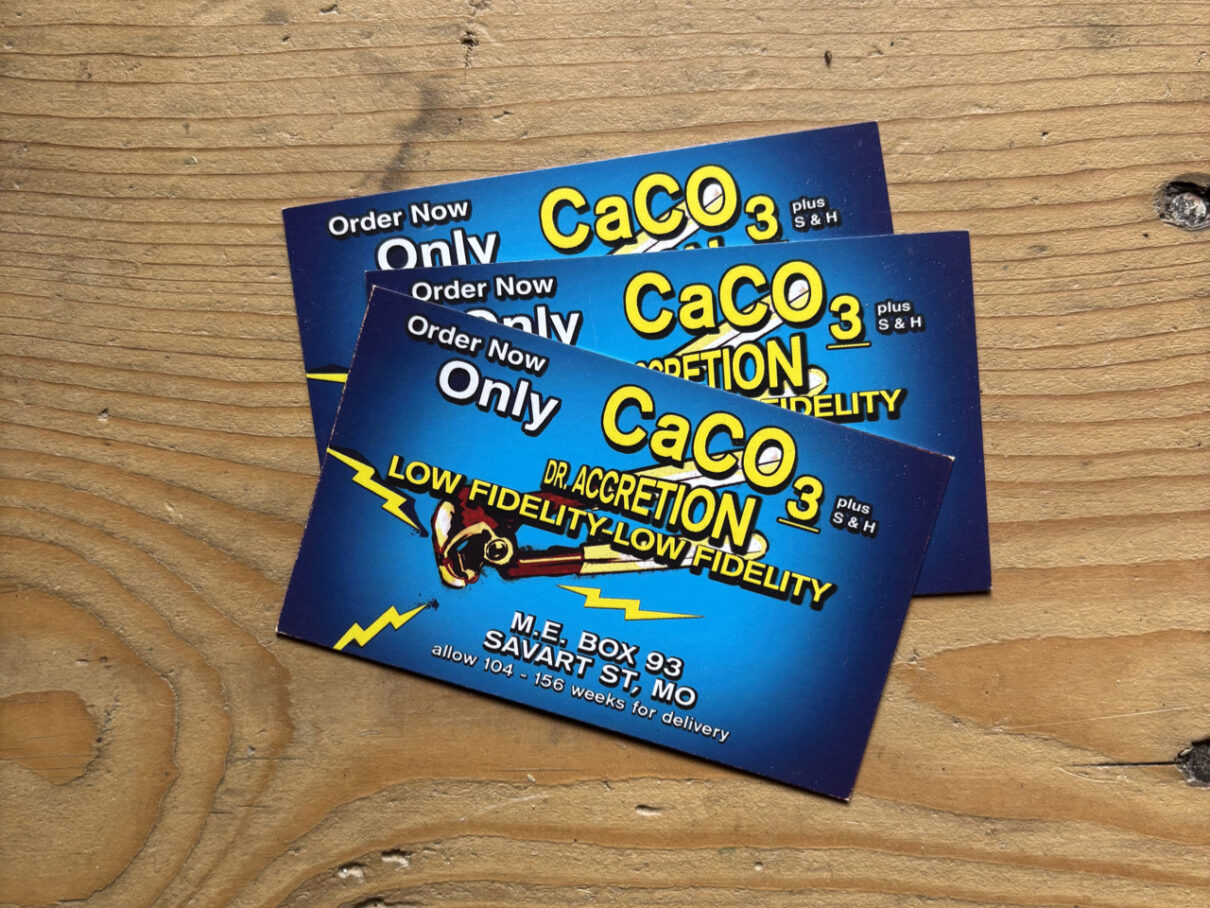
Le travail de création originale de Jean-Marc Ballée offre une relecture et une réappropriation graphique et visuelle de la recherche. En s’appuyant sur l’archive du designer (plus de 1500 documents) et les références visuelles et culturelles partagées (cultures cinématographique et populaire, imaginaires marins et sous-marins…) Jean-Marc Ballée redéploye une narration du projet et des collaborations. Il convoque diverses pratiques : collage et photomontage, détournement visuel, illustration, typographies display, affiche etc.
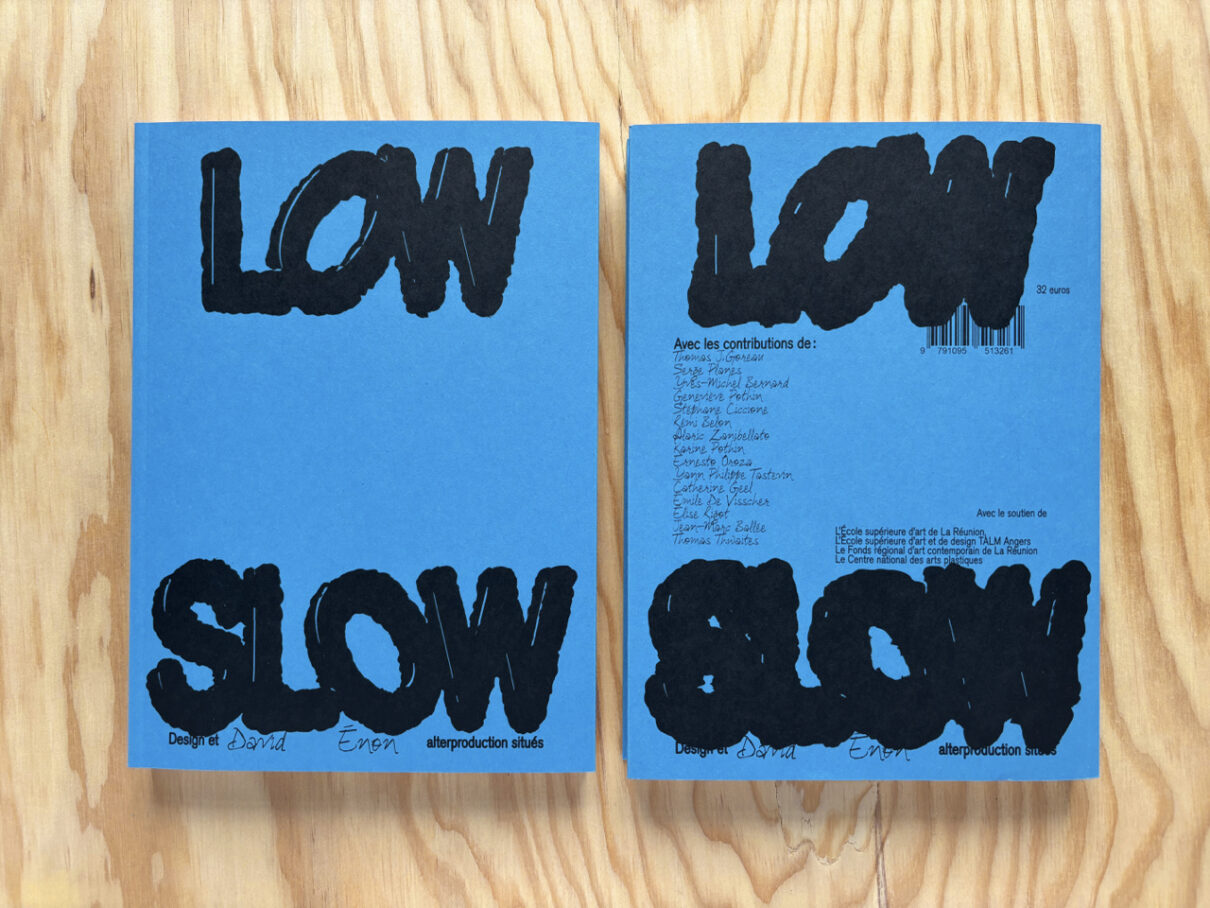
Contributeur·trices :
Jean-Marc Ballée. Graphiste. Son approche est caractérisée par la manipulation, et l’articulation de codes empruntés à la culture visuelle, vernaculaire et populaire, au design et à l’architecture.
Il propose des systèmes qui engagent des questions de fiction et de narration.
Rémi Belon. Océanographe spécialisé en océanographie chimique et physique, chef de projet Littoral au sein du Bureau de recherches géologiques et minières (BRGM) de La Réunion.
Yves-Michel Bernard. Docteur en histoire de l’art contemporain, enseignant chercheur, coordinateur du laboratoire de recherche APILab, école supérieure d’art La Réunion jusqu’en 2021. Il est président de TER’LA éditions dont il dirige la collection « Architectes de La Réunion au XXe siècle »
Stéphane Ciccione. Océanologue, directeur de Kelonia, aquarium, musée et centre de recherche, d’intervention et de soins consacré aux tortues marines. Il développe des programmes d’étude et de conservation des tortues marines et de leurs habitats.
Émile De Visscher. Designer, ingénieur et docteur en design. Professeur Junior (Ens Paris-Saclay) et chercheur (CRD Ens Paris-Saclay-Ensci/Les Ateliers ; MFF research group et MOA EXC Humboldt Universtiät zu Berlin de 2019-2023), son travail se concentre sur l’invention de modes de fabrication.
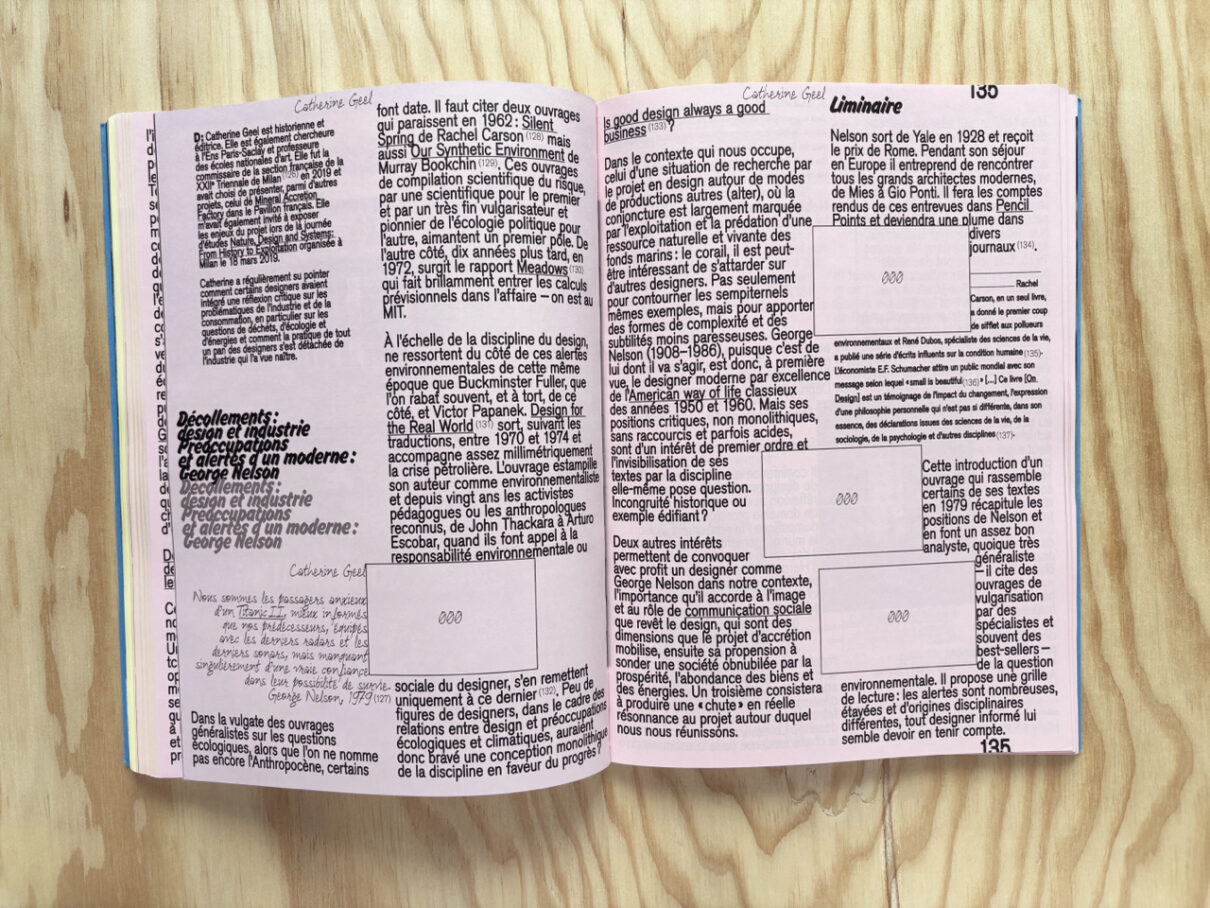
Catherine Geel. Historienne du design et chercheure (CRD Ens Paris-Saclay-Ensci/Les Ateliers et au LIAT-Paris-Malaquais). Elle dirige le projet en ligne Problemata.org et enseigne à l’Ensad Nancy et à l’Ens Paris-Saclay. Elle est l’auteur de Design. Histoire, concepts, combats. Paris : Gallimard, Folio, 2023.
Thomas J. Goreau. Biologiste marin et biogéochimiste, président de la Global Coral Reef Alliance et directeur de Remineralize The Earth. Il a développé avec Wolf Hibertz les récifs artificiels Biorock®.
Wolf Hibertz (1938-2007). Architecte, ingénieur et professeur (University of Texas, Austin ; Southern University Louisiana et MacGill University, Montreal). Il a développé le processus d’accrétion minérale et les récifs artificiels Biorock® avec Thomas J. Goreau.
Ernesto Oroza. Designer, chercheur, il enseigne à l’Esad Saint-Etienne (laboratoire Spacetelling). Il s’intéresse aux architectures de la nécessité, à la désobéissance technologique et d’autres sujets qui relient design et société en temps de crise économique et politique.
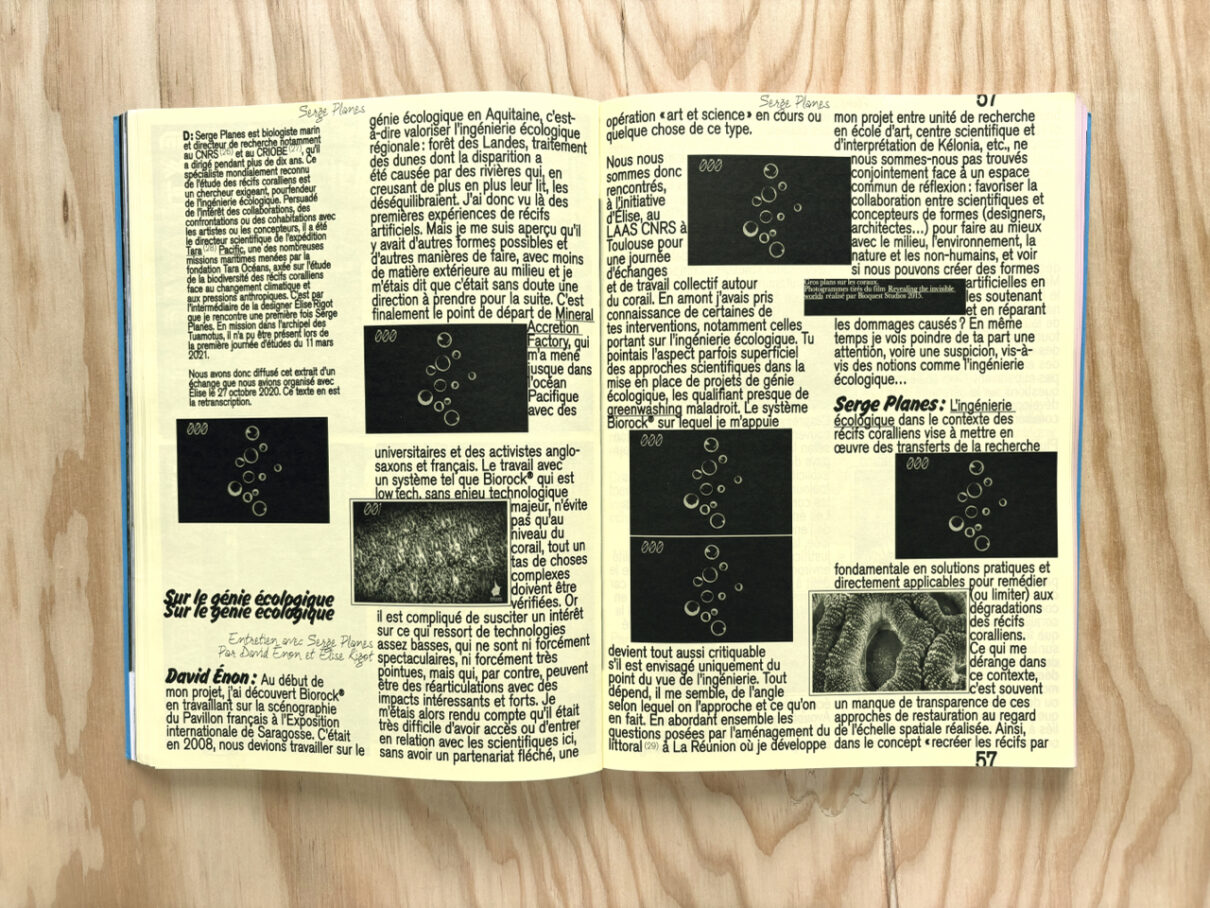
Serge Planes. Biologiste marin, spécialiste mondial de l’étude des récifs coralliens, directeur de recherche au CNRS et professeur associé à l’EPHE. Il a dirigé le CRIOBE pendant plus de 12 ans et dirige aujourd’hui le Laboratoire d’Excellence Corail et l’Institut des récifs coralliens du Pacifique (IRCP). Il a été nommé à la direction scientifique de l’expédition Tara Pacific (2016-2018).
Geneviève Pothin. Docteure en muséologie, attachée Principale de Conservation du Patrimoine. Elle a été chargée de la valorisation du patrimoine de la Communauté d’agglomération Territoire de l’Ouest, La Réunion avant d’être nommée cheffe de projet Ville d’art et d’histoire à Carcassone.
Karine Pothin. Docteure en biologie marine, directrice de l’Agence Régionale de la Biodiversité. Elle a dirigé la Réserve naturelle marine de La Réunion jusqu’en 2024.
Élise Rigot. Designer, docteure en design et maîtresse de conférences en design (Université Toulouse Jean-Jaurès – laboratoire LLA-Créatis et LAAS-CNRS). Ses travaux portent sur l’apport réflexif et critique du design au sein des pratiques technoscientifiques. Elle a fondé le projet Corallum fabrica, une archive en ligne sur les architectures coralliennes.
Yann-Philippe Tastevin. Anthropologue au CNRS, il est affilié au Laboratoire International de Recherche « Environnement Santé Sociétés », à l’Université Cheikh Anta Diop de Dakar. Ses recherches portent sur les processus d’innovation dans les Suds, les circulations globalisées des technologies et les mines urbaines.
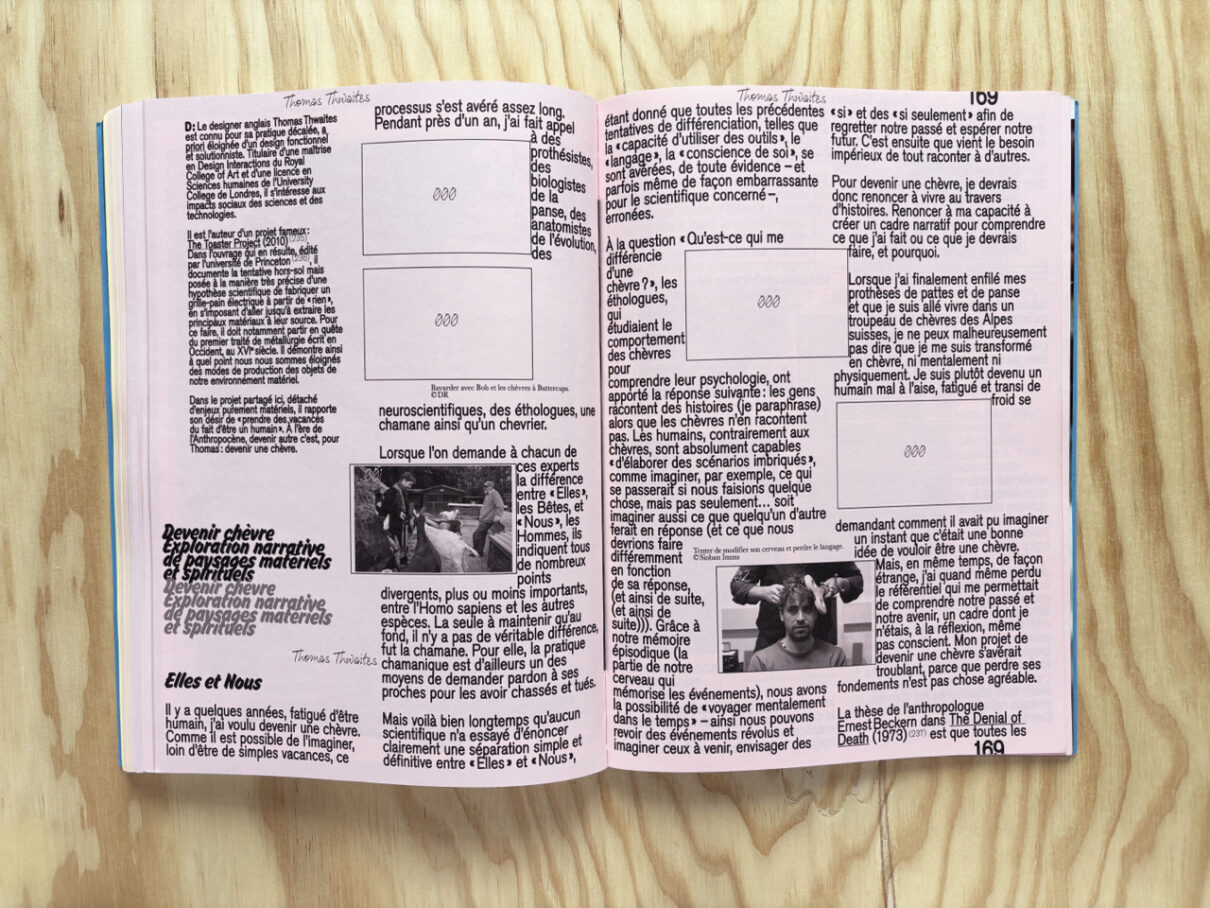
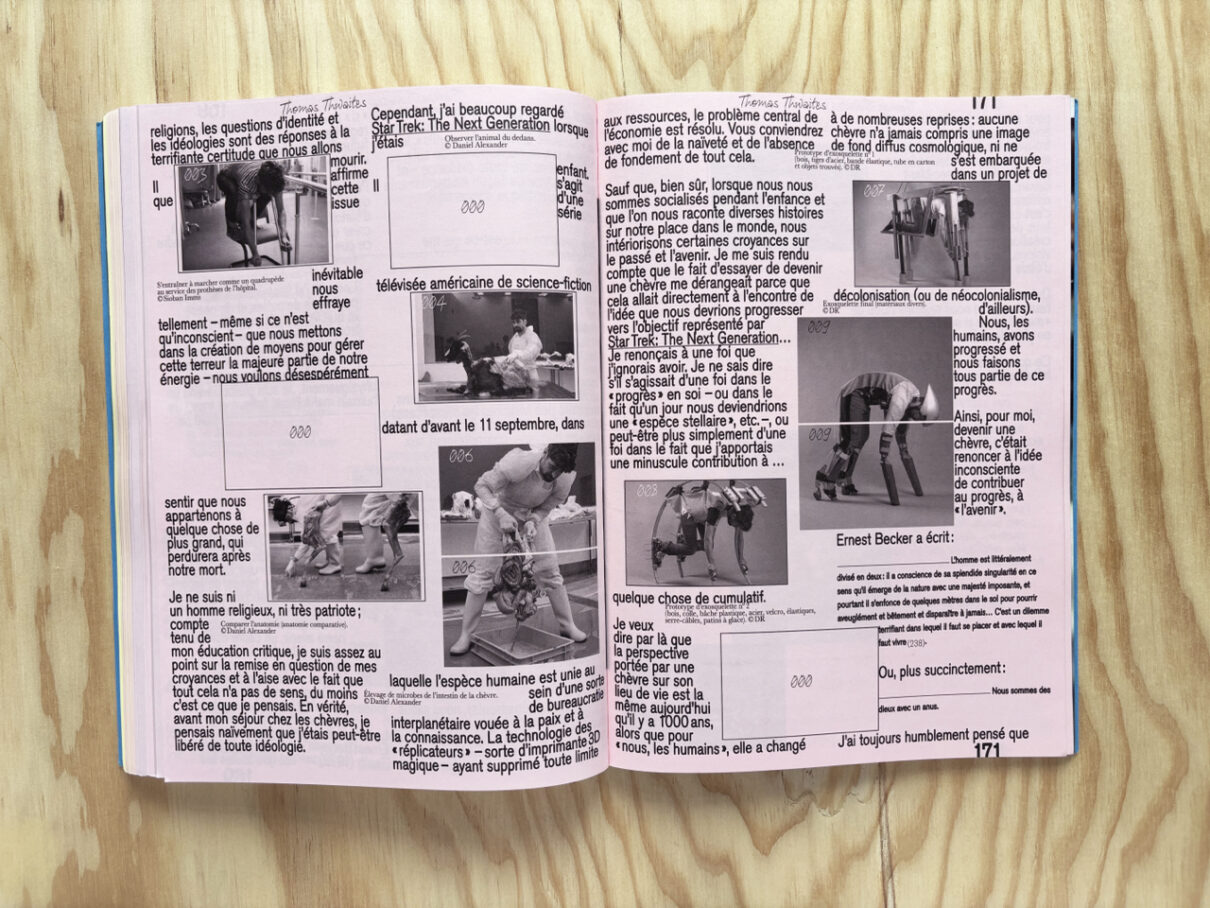
Thomas Thwaites. Designer et maitre de conférence (Central Saint Martins, Londres). Il s’intéresse aux impacts sociaux de la science et de la technologie. Il est l’auteur de The Toaster Project : Or a Heroic Attempt to Build a Simple Electric Appliance from Scratch (2011) et GoatMan, How I took a Holiday from Being Human (2016), publiés aux Princetown Architectural Press.
Alaric Zanibellato. Docteur en physico-chimie des matériaux à l’université de La Rochelle (Laboratoire des Sciences de l’ingénieur pour l’Environnement LaSIE). Il était ingénieur responsable R&D chez Seacure (anciennement Geocorail).
Édité par T&P Publishing
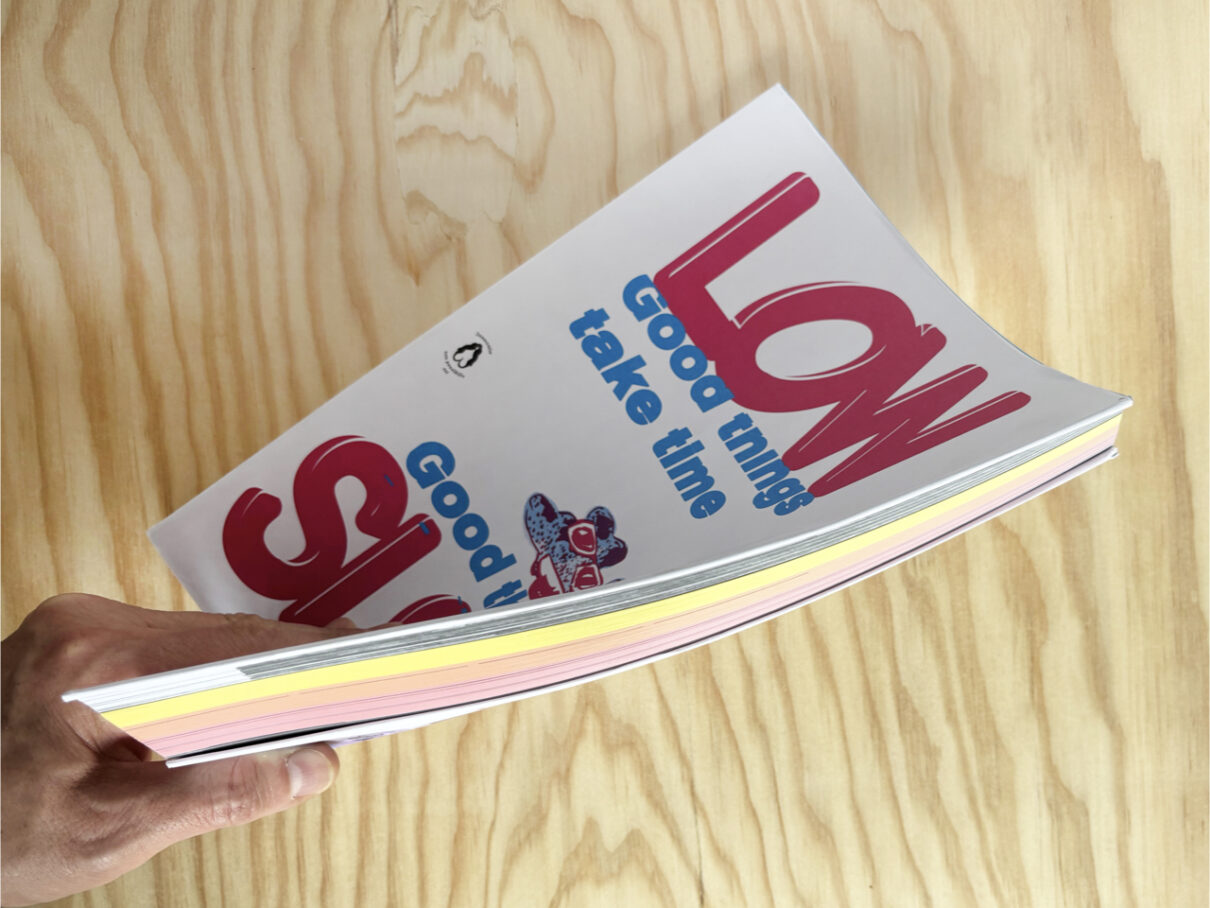
Parution : spetembre 2025. | Format : 336 p. | 210 x 297 mm, broché | FR | env. 150 illustrations, photos et documentations.
Publié avec le soutien de l’Esad Talm Angers, le Frac Réunion, l’Esa Réunion et le Centre national des arts plastiques.
—
Low/Slow, Design et alterproduction situés presents the history of the Mineral Accretion Factory project—its evolution and the various branches it has developed (2011–2024). It traces the process used to design furniture and develop beaches and public spaces. It addresses the issues of coral restoration and coastal protection.
This research has been ongoing for 12 years.
It demonstrates project-based research,
It involves constant back-and-forth between practice, theory, and marine or underwater imaginaries.
It connects diverse actors and fields: marine biology, oceanography, geology, the anthropology of technology, heritage, history, design, museography, and illustration.
The publication also draws on rich imaginaries and visual references.
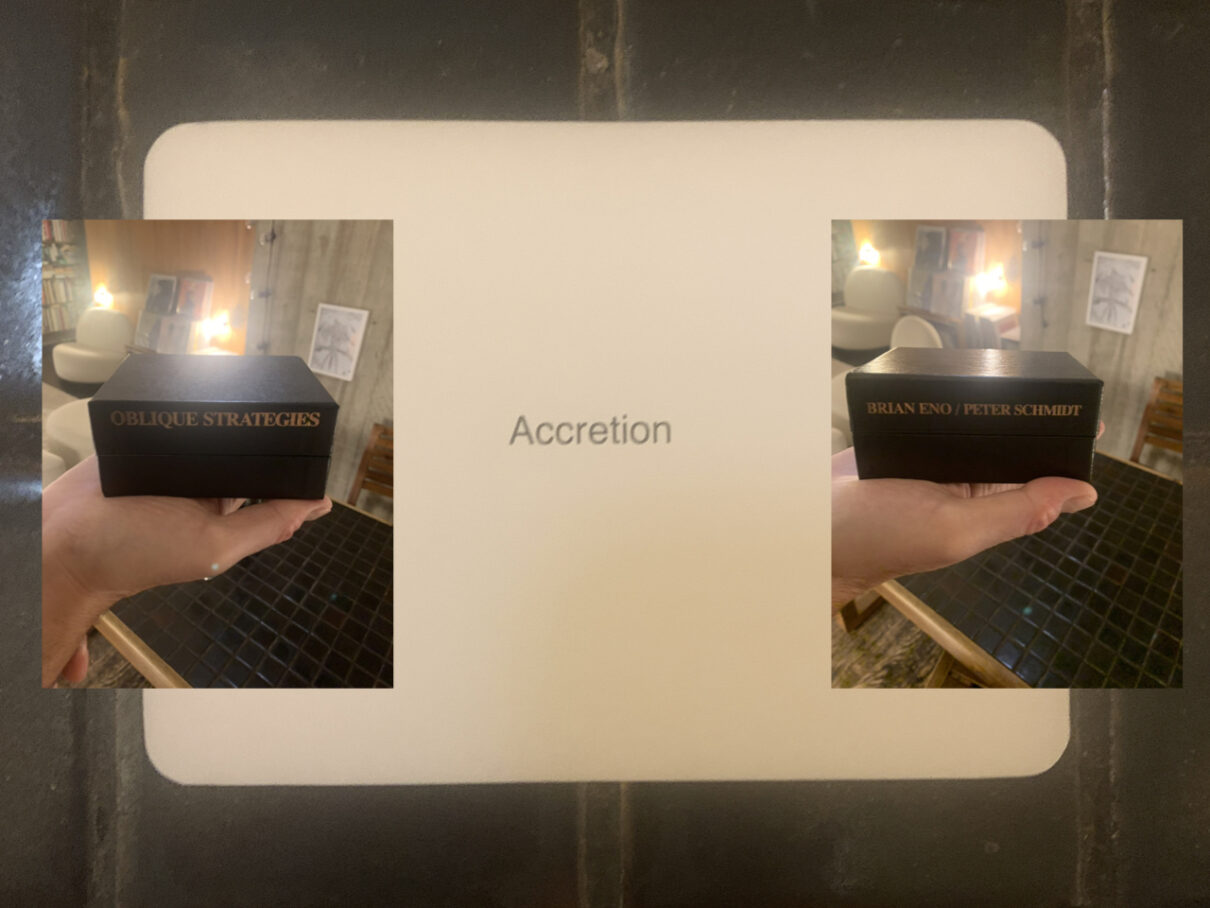
Jean-Marc Ballée’s original creative work offers a reinterpretation and a graphic and visual reappropriation of the research. Drawing on the designer’s archive (over 1,500 documents) and shared visual and cultural references (cinematic and popular culture, maritime and underwater imagery, etc.), Jean-Marc Ballée reimagines the narrative of the project and its collaborations. He employs various techniques: collage and photomontage, visual appropriation, illustration, display typography, posters, etc.
Contributors:
Jean-Marc Ballée. Graphic designer. His approach is characterized by the manipulation and articulation of codes drawn from visual, vernacular, and popular culture, as well as from design and architecture. He proposes systems that engage with questions of fiction and narrative.
Rémi Belon. Oceanographer specializing in chemical and physical oceanography, Coastal Project Manager at the Bureau de recherches géologiques et minières (BRGM) in Réunion.
Yves-Michel Bernard. PhD in contemporary art history, lecturer and researcher, coordinator of the APILab research laboratory at the Réunion School of Art until 2021. He is president of TER’LA Éditions, where he directs the collection “Architects of Réunion in the 20th Century.”
Stéphane Ciccione. Oceanographer, director of Kelonia, an aquarium, museum, and research, intervention, and care center dedicated to sea turtles. He develops programs for the study and conservation of sea turtles and their habitats.
Émile De Visscher. Designer, engineer, and PhD in design. Junior Professor (ENS Paris-Saclay) and researcher (CRD ENS Paris-Saclay-ENSci/Les Ateliers; MFF research group and MOA EXC Humboldt Universität zu Berlin from 2019–2023), his work focuses on the invention of manufacturing methods.
Catherine Geel. Design historian and researcher (CRD Ens Paris-Saclay-Ensci/Les Ateliers and at LIAT-Paris-Malaquais). She directs the online project Problemata.org and teaches at Ensad Nancy and Ens Paris-Saclay. She is the author of *Design: History, Concepts, Struggles*. Paris: Gallimard, Folio, 2023.
Thomas J. Goreau. Marine biologist and biogeochemist, president of the Global Coral Reef Alliance and director of Remineralize The Earth. Together with Wolf Hibertz, he developed the Biorock® artificial reefs.
Wolf Hibertz (1938–2007). Architect, engineer, and professor (University of Texas, Austin; Southern University of Louisiana; and McGill University, Montreal). He developed the mineral accretion process and the Biorock® artificial reefs with Thomas J. Goreau.
Ernesto Oroza. Designer and researcher, he teaches at ESAD Saint-Étienne (Spacetelling laboratory). He is interested in architectures of necessity, technological disobedience, and other topics that connect design and society in times of economic and political crisis.
Serge Planes. Marine biologist, world-renowned specialist in the study of coral reefs, research director at the CNRS, and associate professor at the EPHE. He led CRIOBE for over 12 years and currently heads the Coral Laboratory of Excellence and the Pacific Coral Reef Institute (IRCP). He was appointed scientific director of the Tara Pacific expedition (2016–2018).
Geneviève Pothin. Ph.D. in museology, Senior Heritage Conservation Officer. She was responsible for promoting the heritage of the Territoire de l’Ouest Urban Community in Réunion before being appointed Project Manager for the “City of Art and History” initiative in Carcassonne.
Karine Pothin. Ph.D. in Marine Biology, Director of the Regional Biodiversity Agency. She directed the Réunion Marine Nature Reserve until 2024.
Élise Rigot. Designer, Ph.D. in design, and associate professor of design (Toulouse Jean-Jaurès University – LLA-Créatis and LAAS-CNRS laboratories). Her work focuses on the reflective and critical contribution of design within technoscientific practices. She founded the Corallum fabrica project, an online archive on coral architectures.
Yann-Philippe Tastevin. Anthropologist at the CNRS, he is affiliated with the International Research Laboratory “Environment, Health, Societies” at Cheikh Anta Diop University in Dakar. His research focuses on innovation processes in the Global South, the global circulation of technologies, and urban mining.
Thomas Thwaites. Designer and lecturer (Central Saint Martins, London). He is interested in the social impacts of science and technology. He is the author of *The Toaster Project: Or a Heroic Attempt to Build a Simple Electric Appliance from Scratch* (2011) and *GoatMan, How I Took a Holiday from Being Human* (2016), published by Princeton Architecture Press.
Alaric Zanibellato. Ph.D. in Materials Physics and Chemistry from the University of La Rochelle (Laboratory of Engineering Sciences for the Environment, LaSIE). He was the lead R&D engineer at Seacure (formerly Geocorail).
Published by T&P Publishing
Publication date: September 2025. | Format: 336 pp. | 210 x 297 mm, paperback | FR | approx. 150 illustrations, photos, and documents.
Published with the support of ESAD Talm Angers, FRAC Réunion, ESA Réunion, and the National Center for Visual Arts.
> Vers le projet Mineral Accretion Factory
> Vers T&P Publishing