FOSSILES CONTEMPORAINS
[2017 -2025]
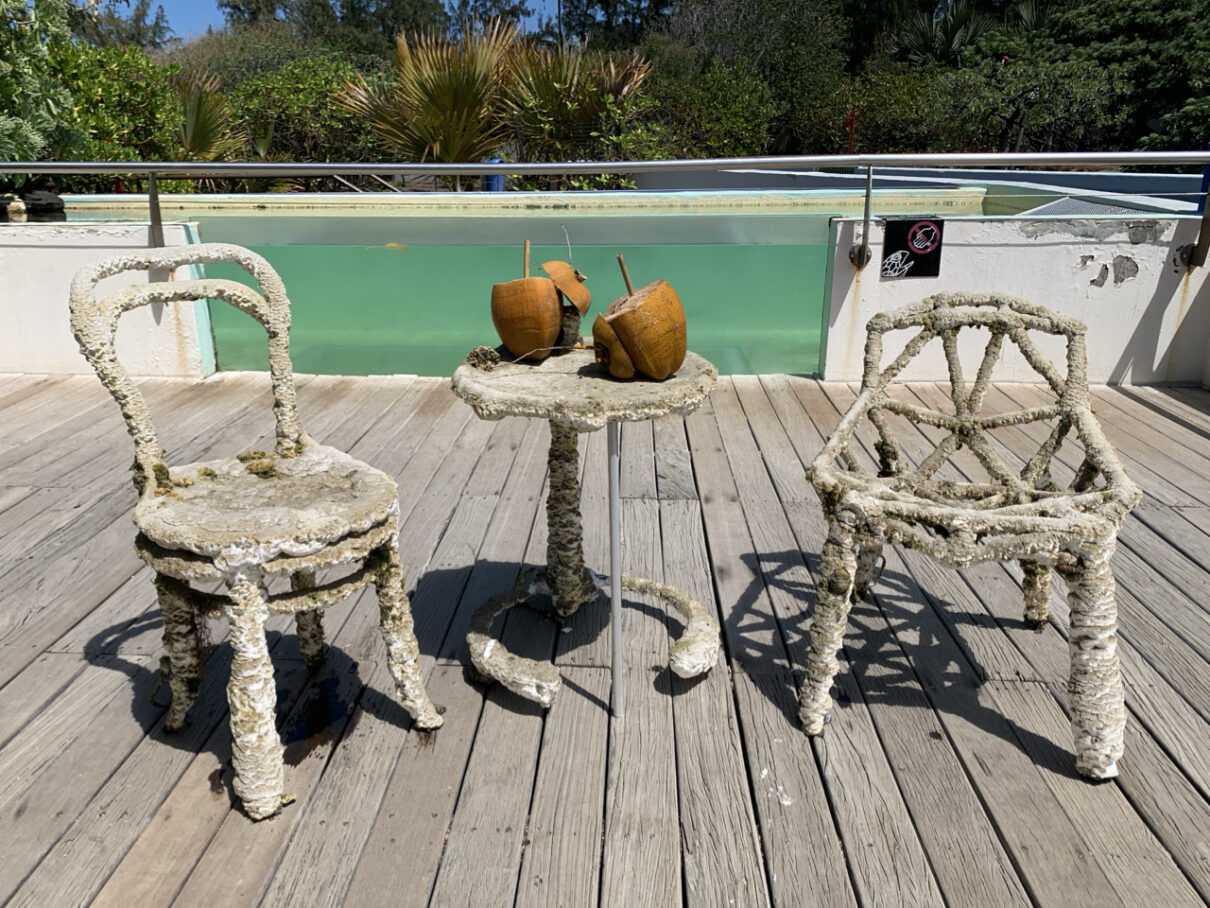
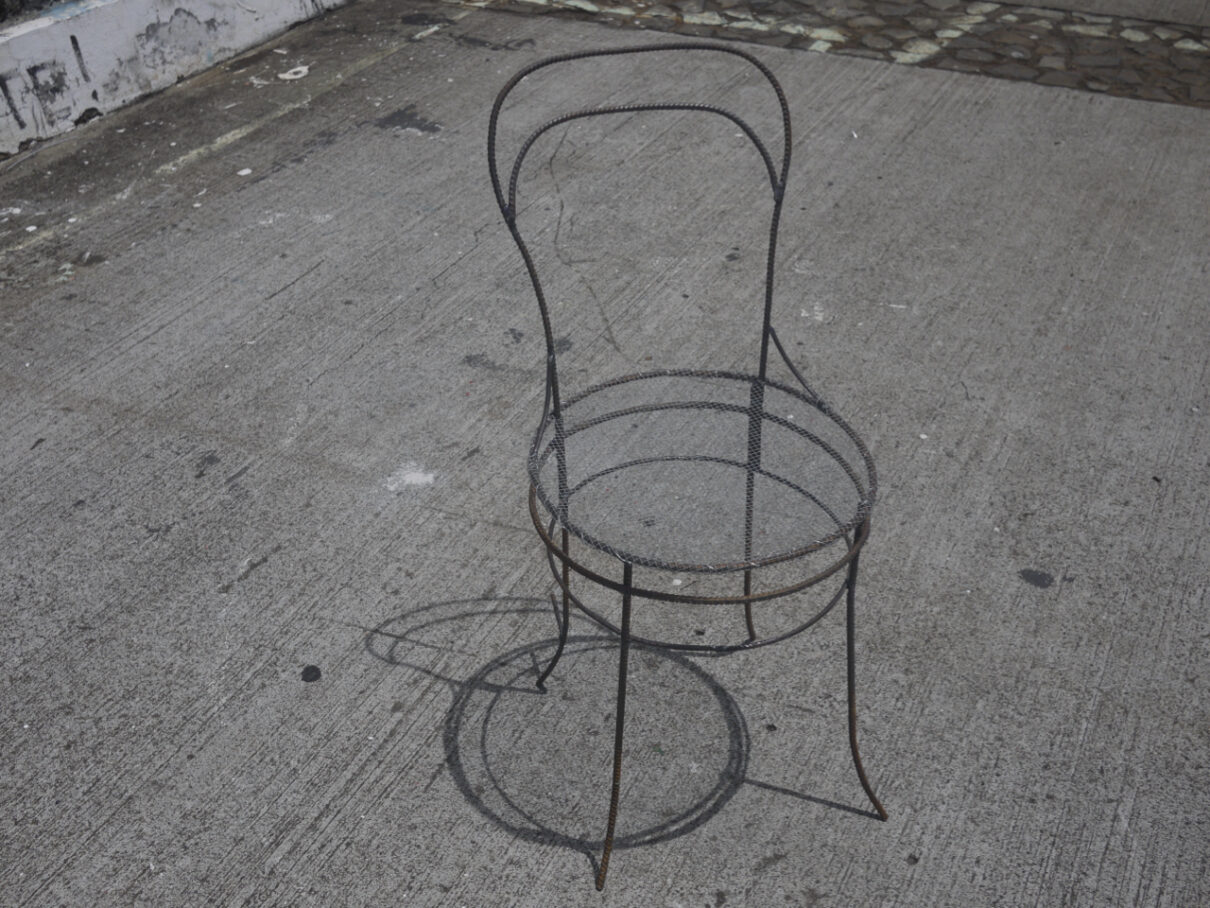
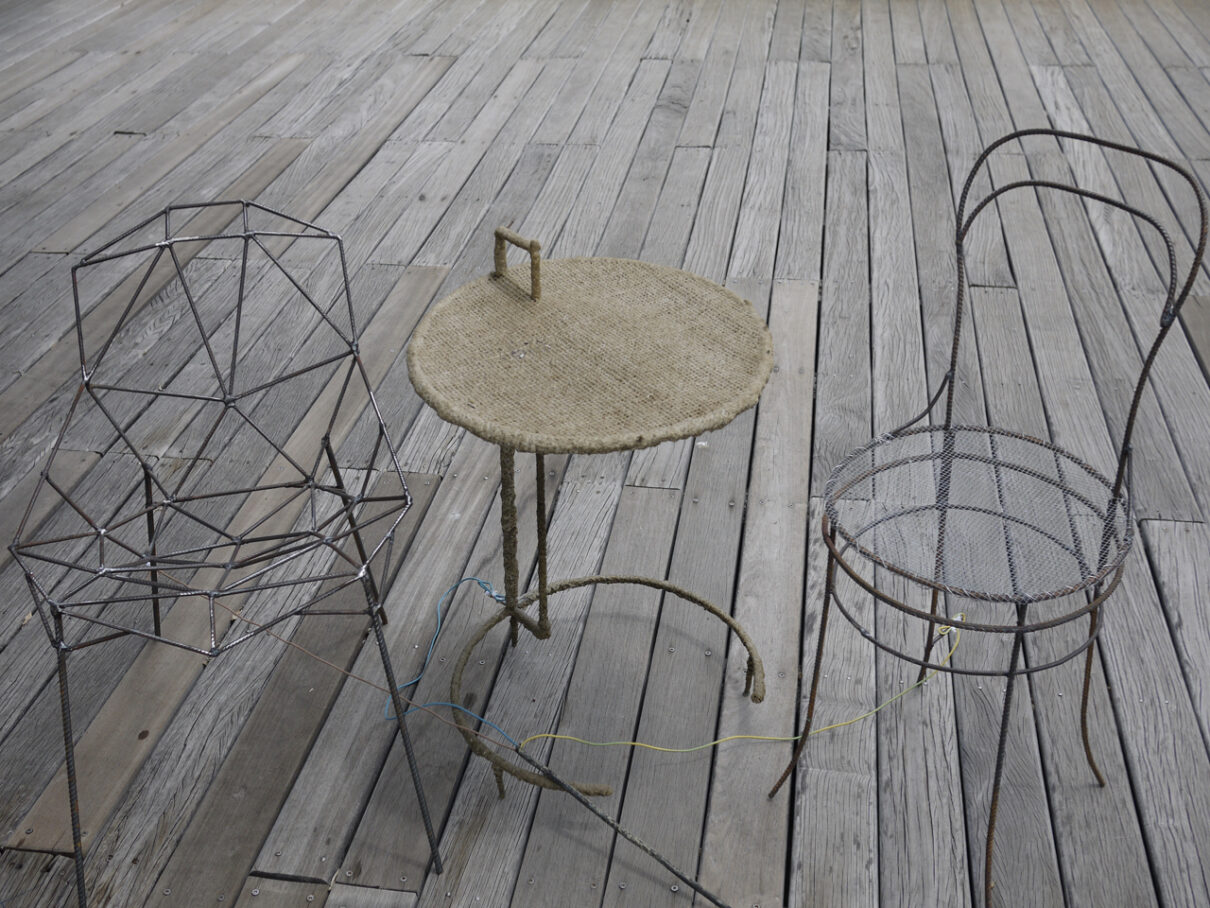
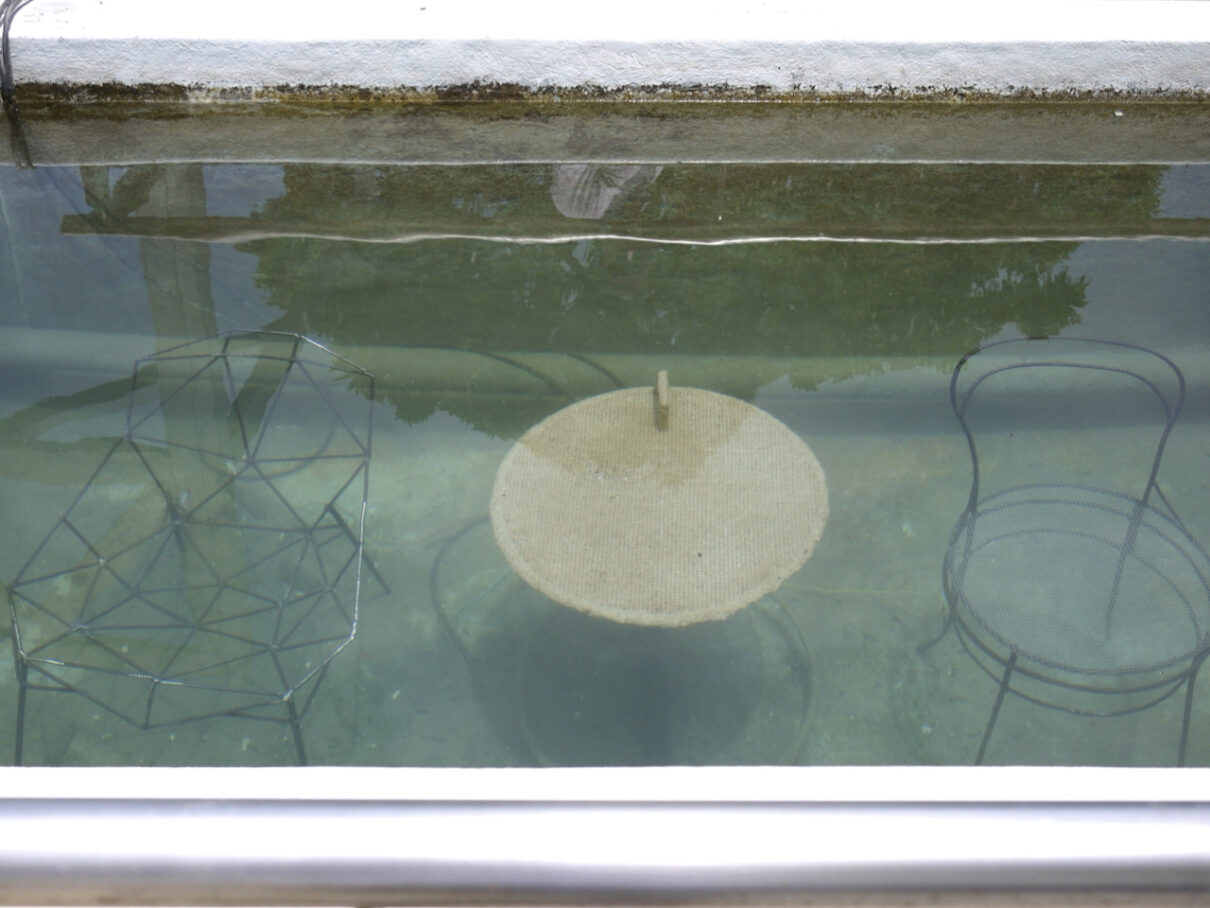
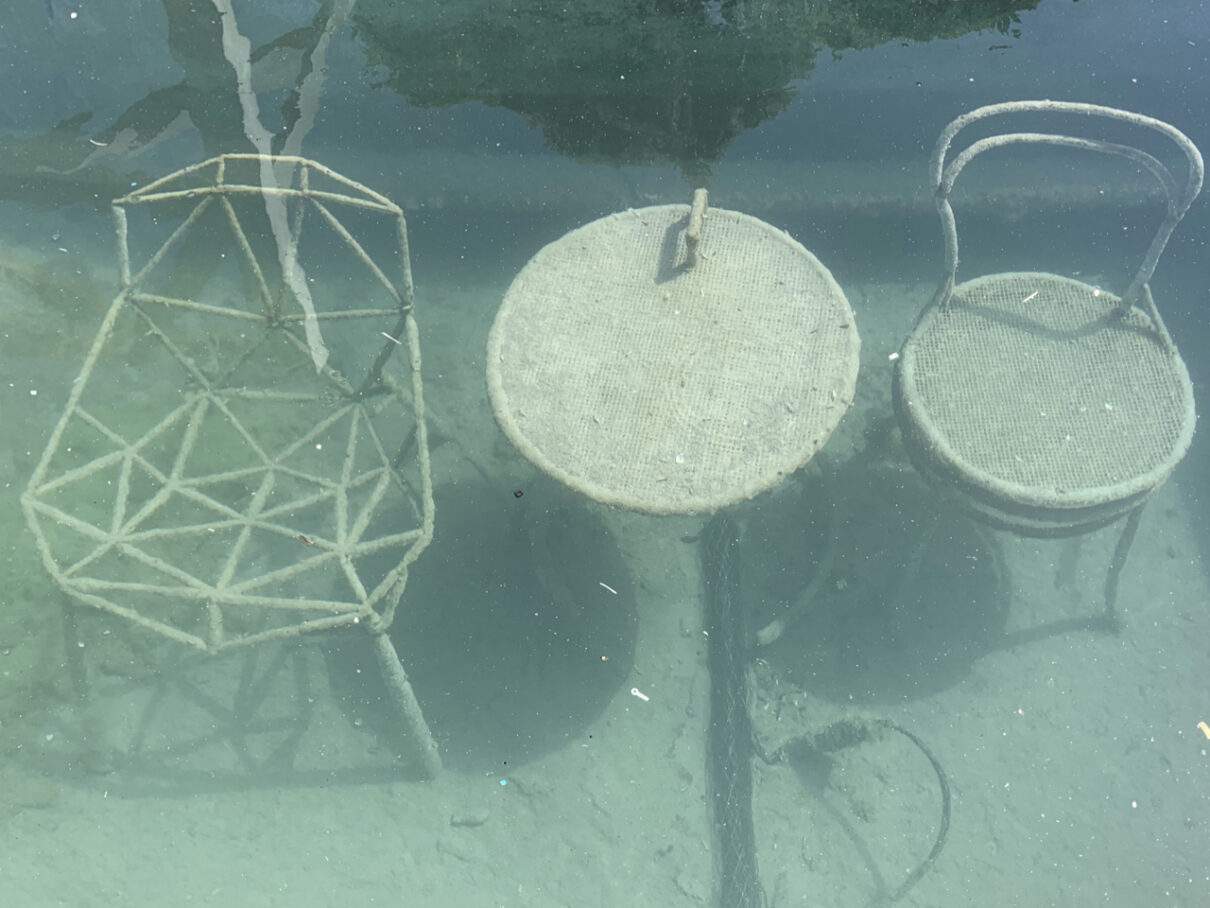
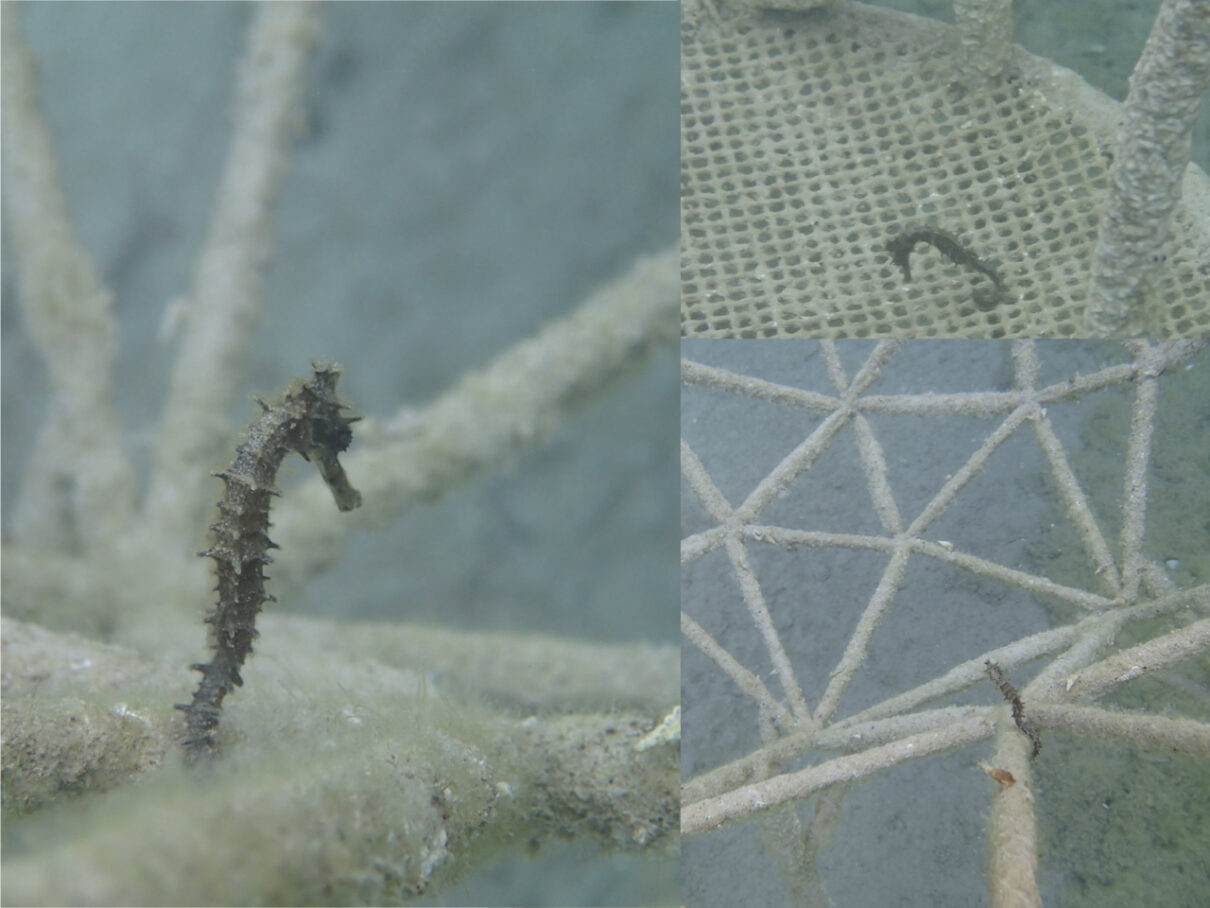
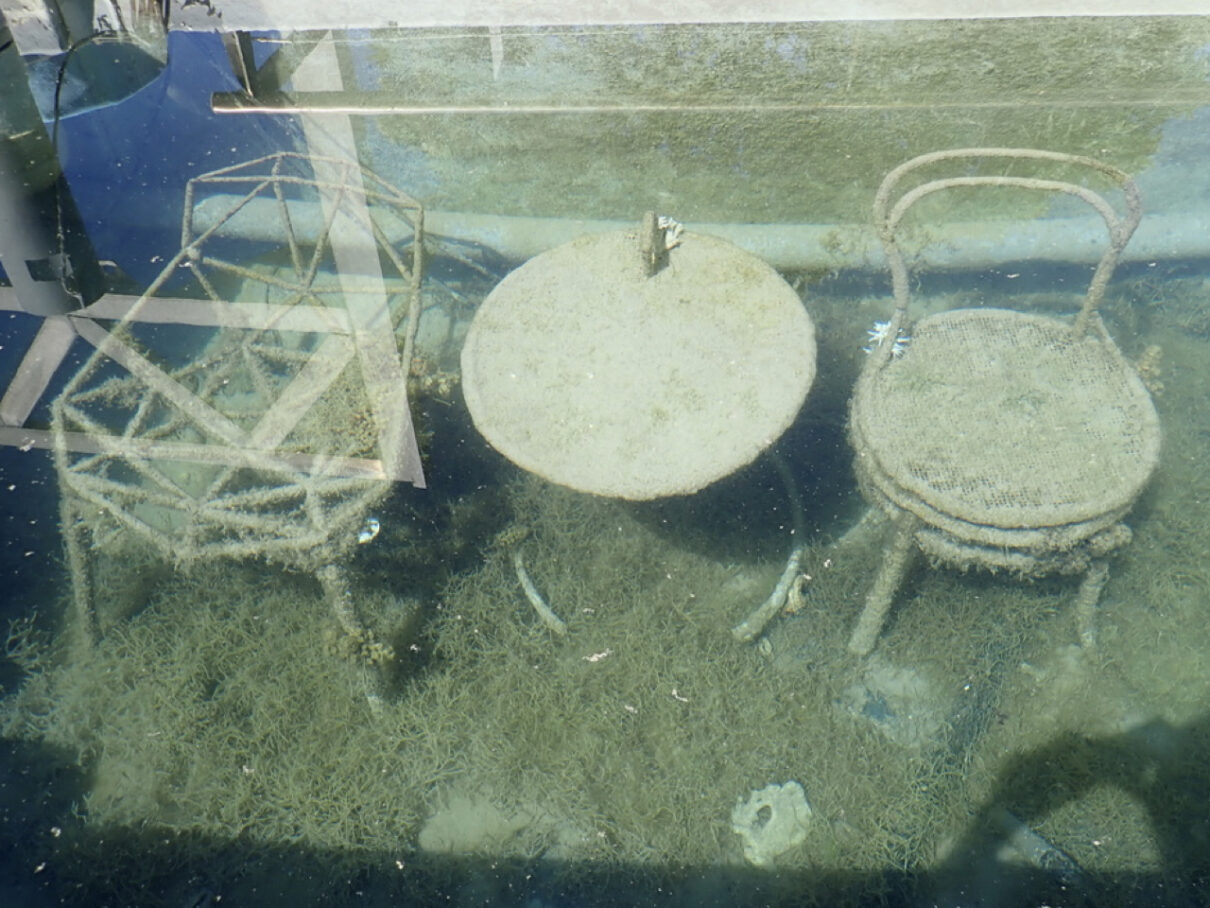
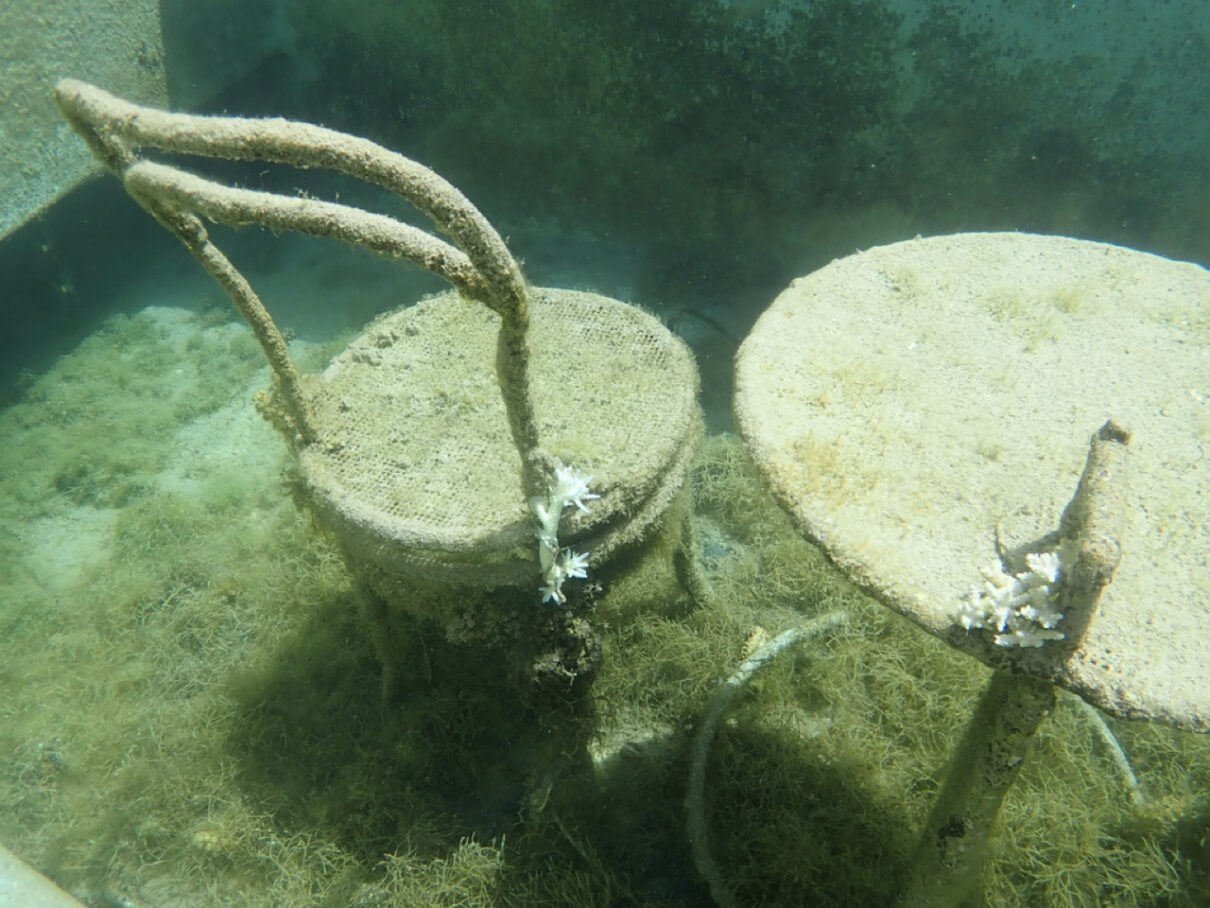
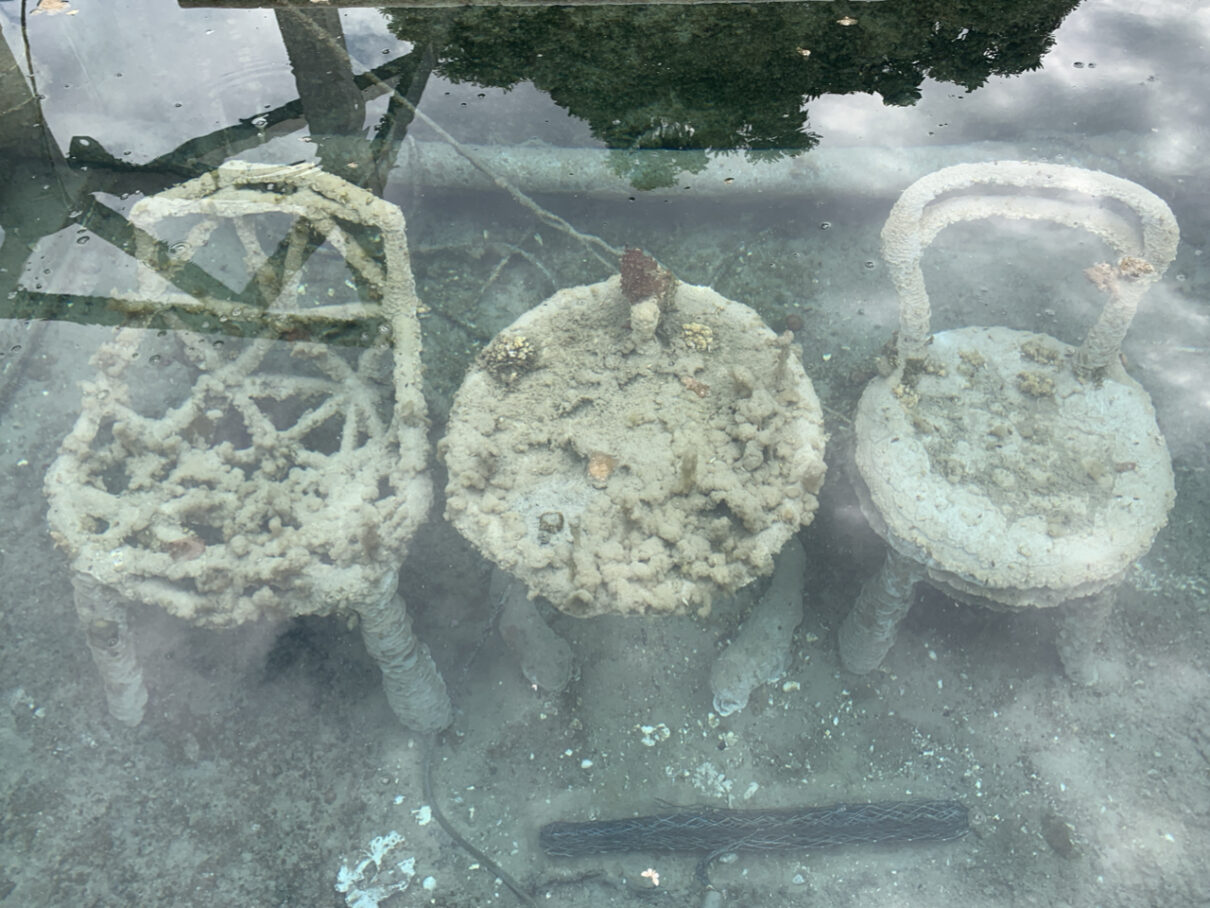
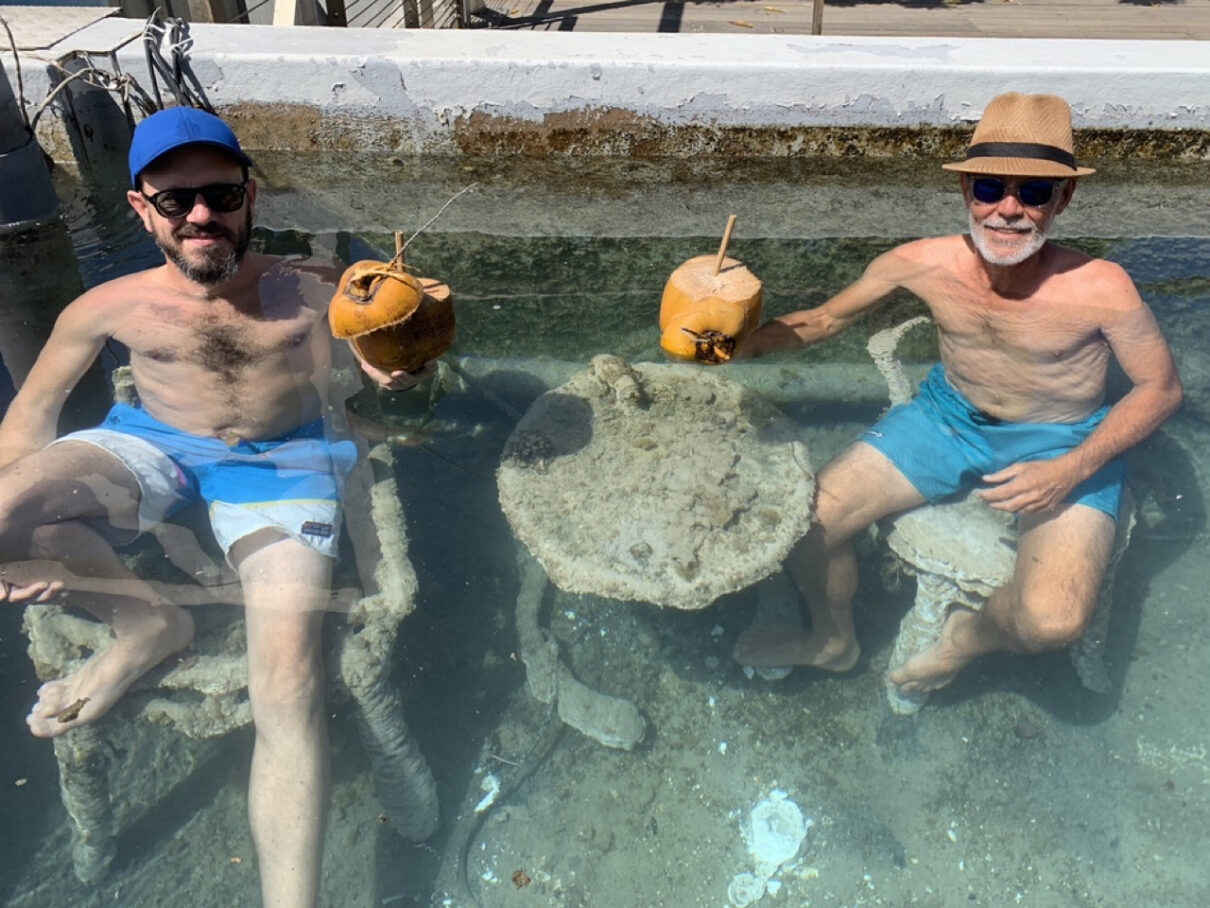
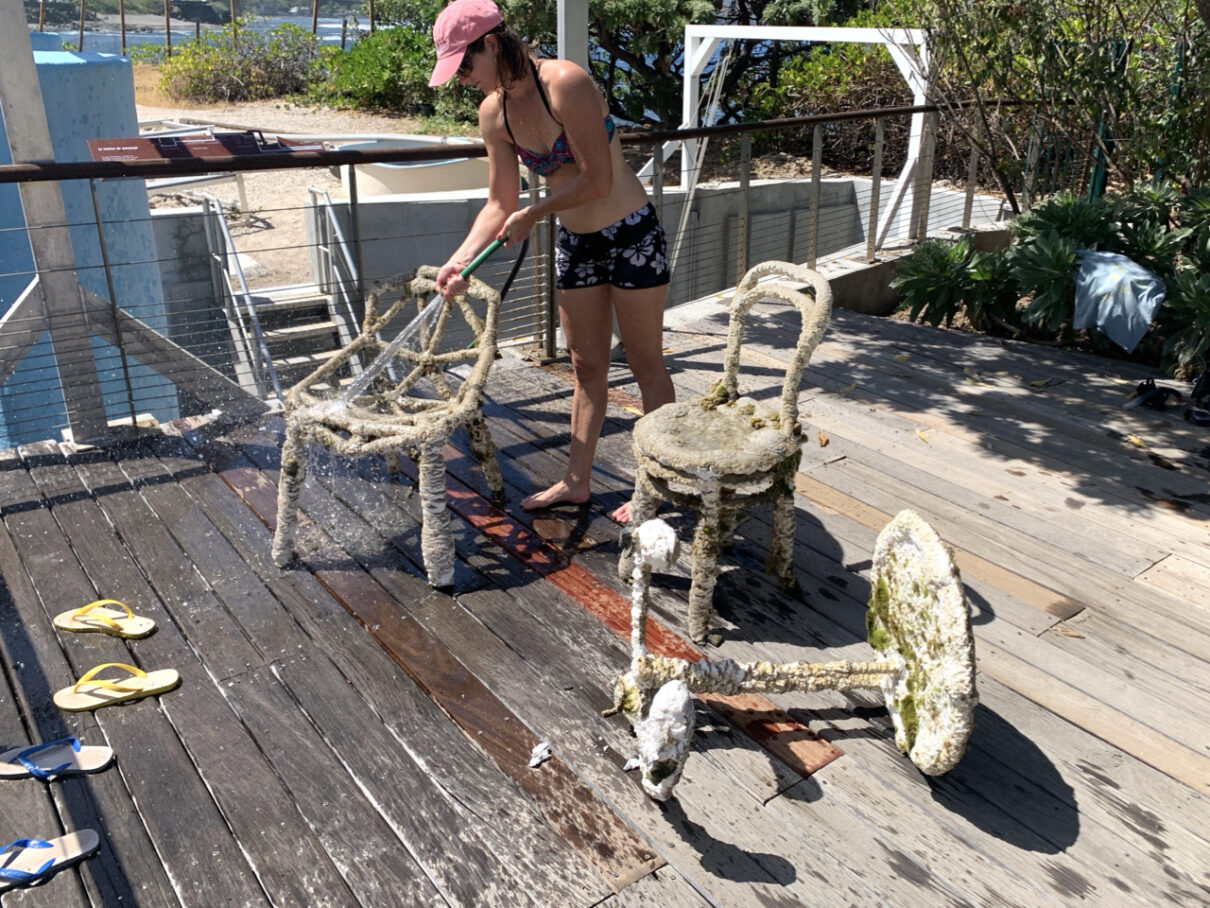
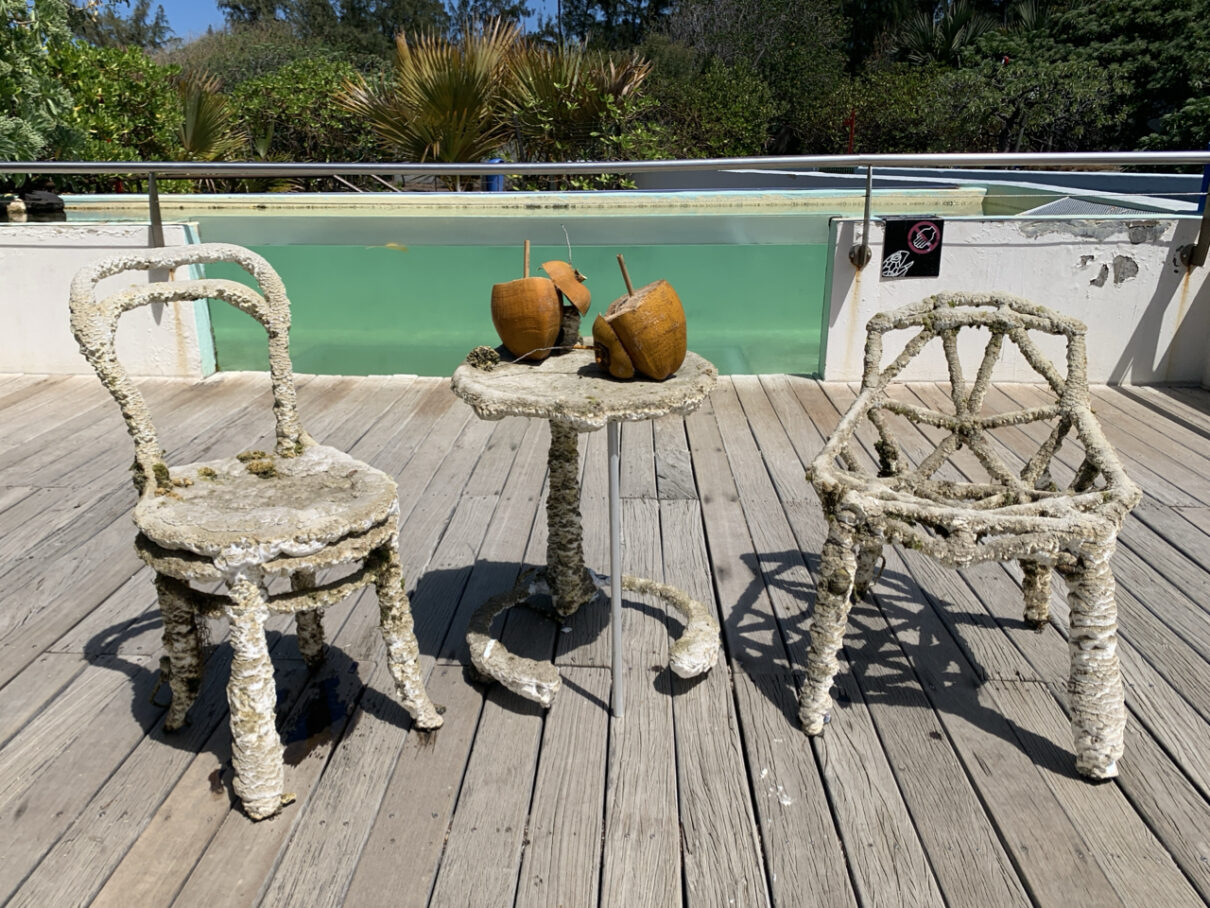
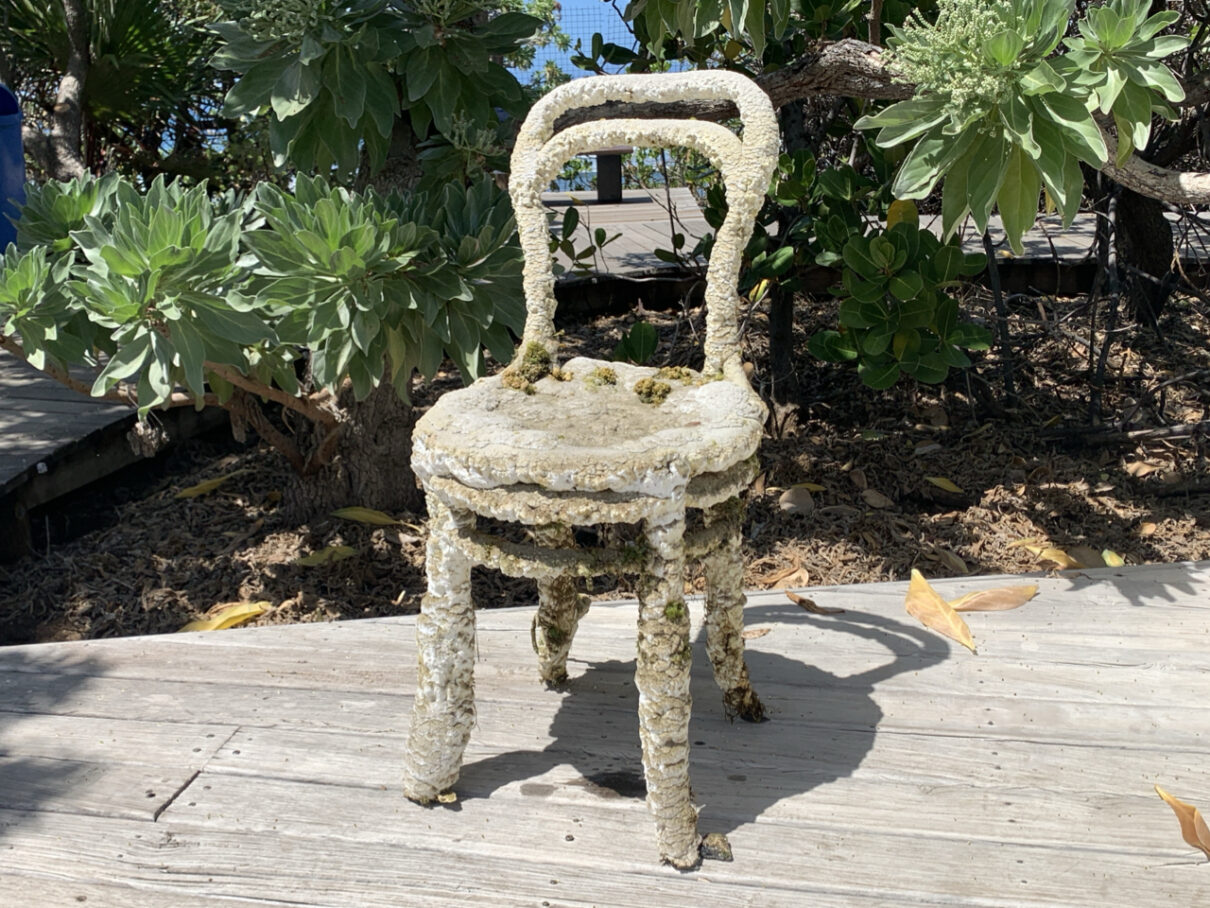
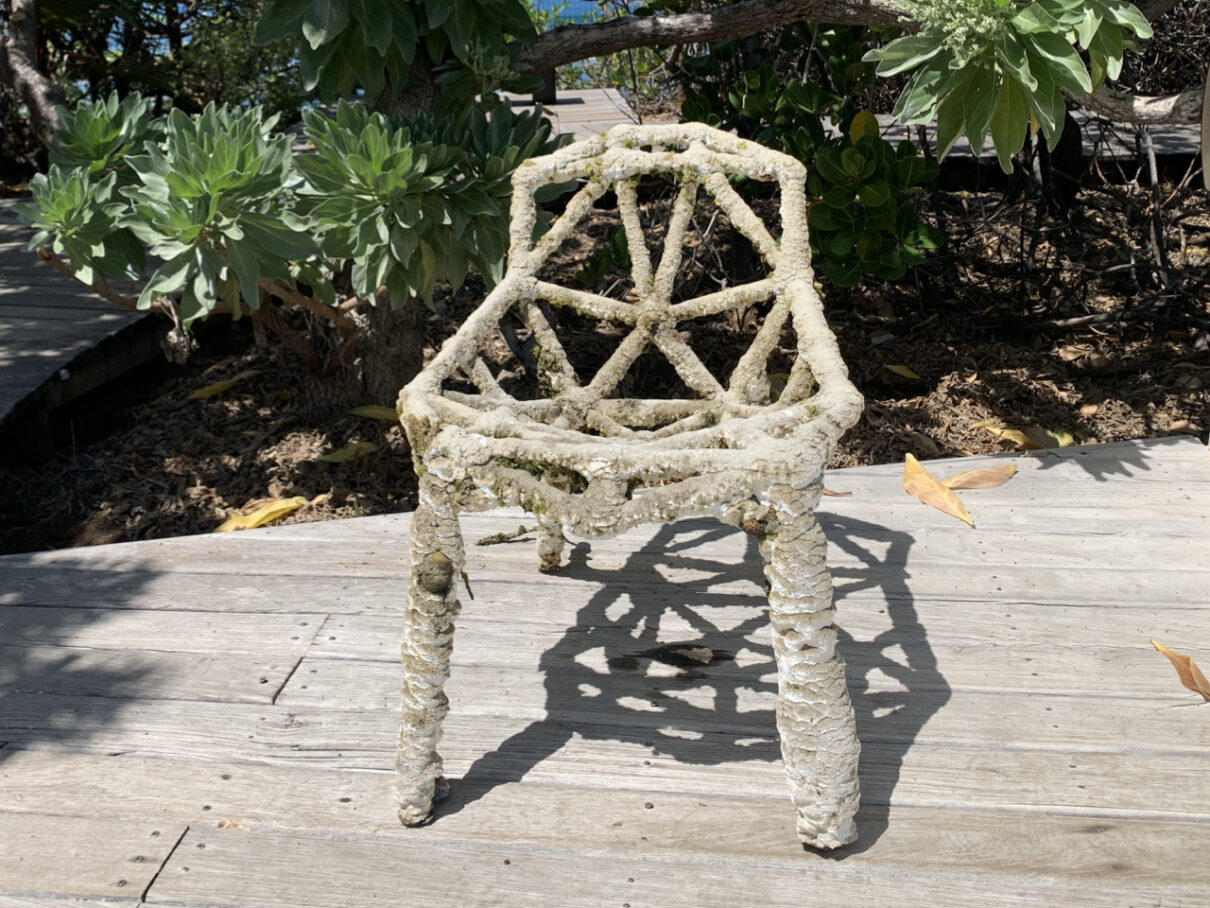
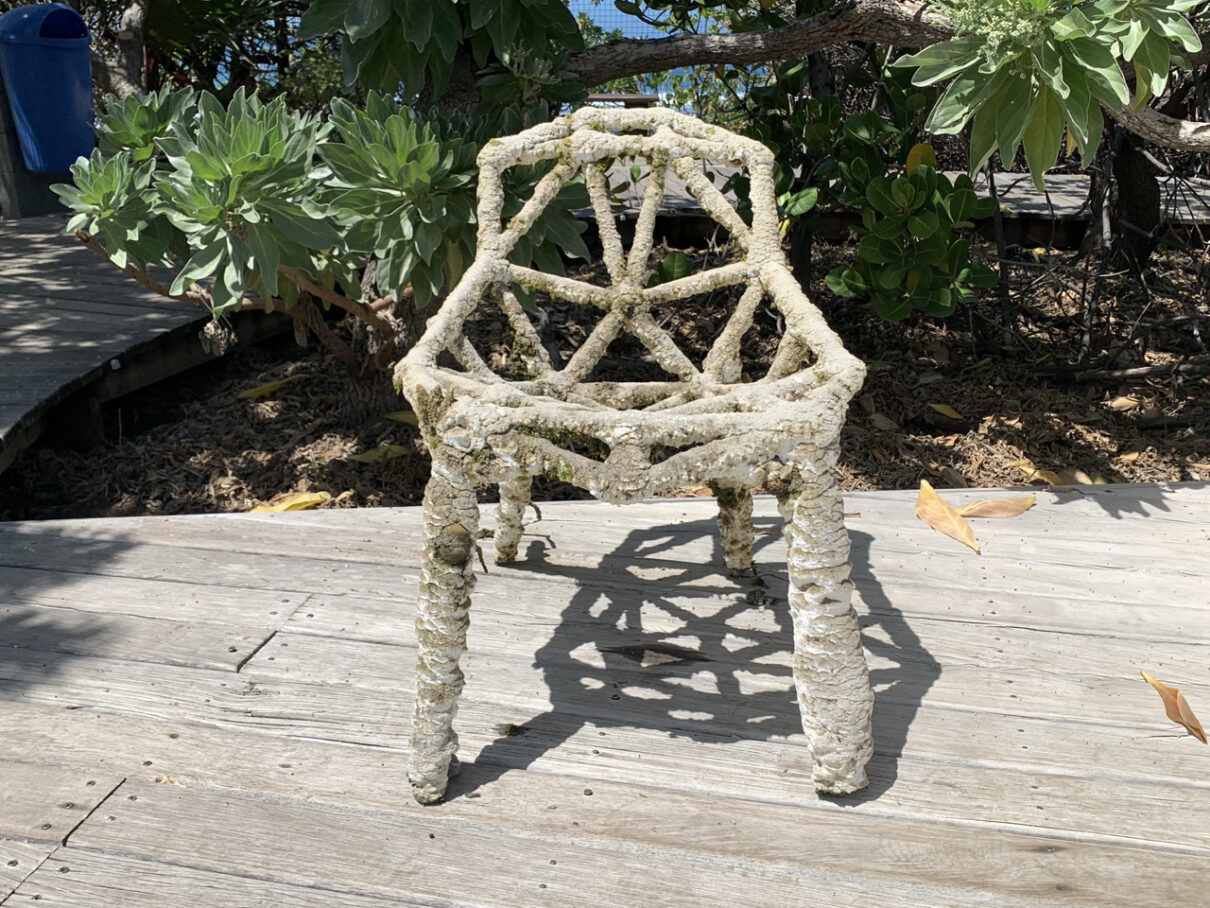
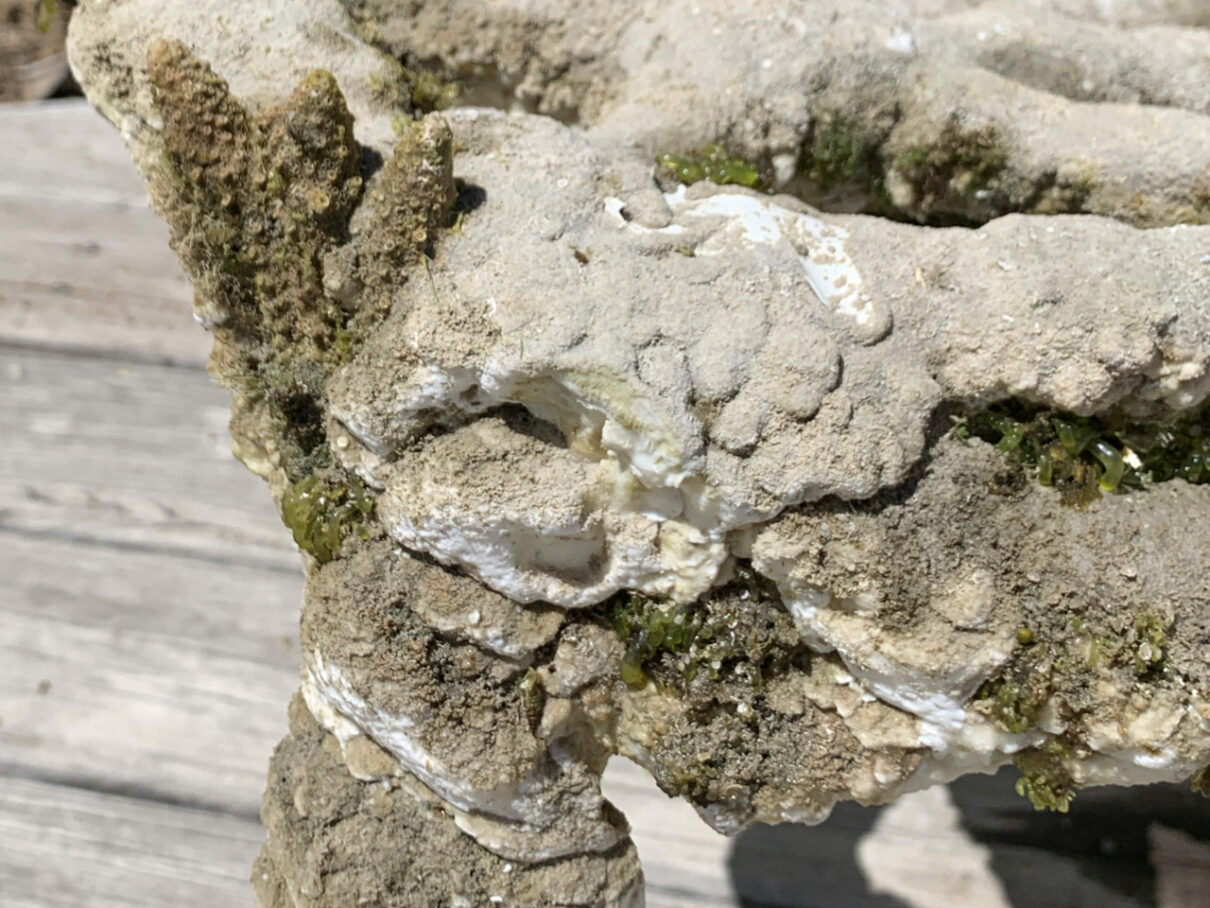
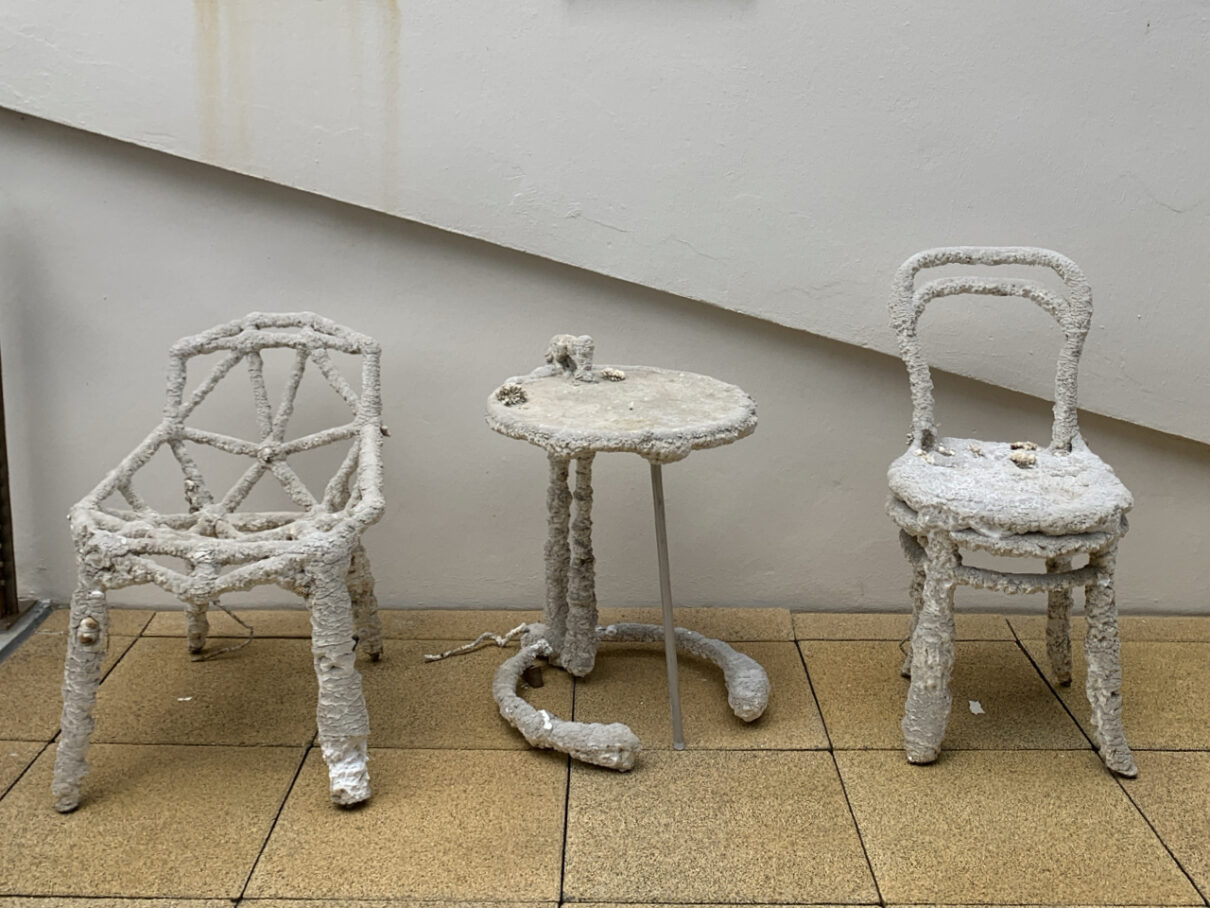
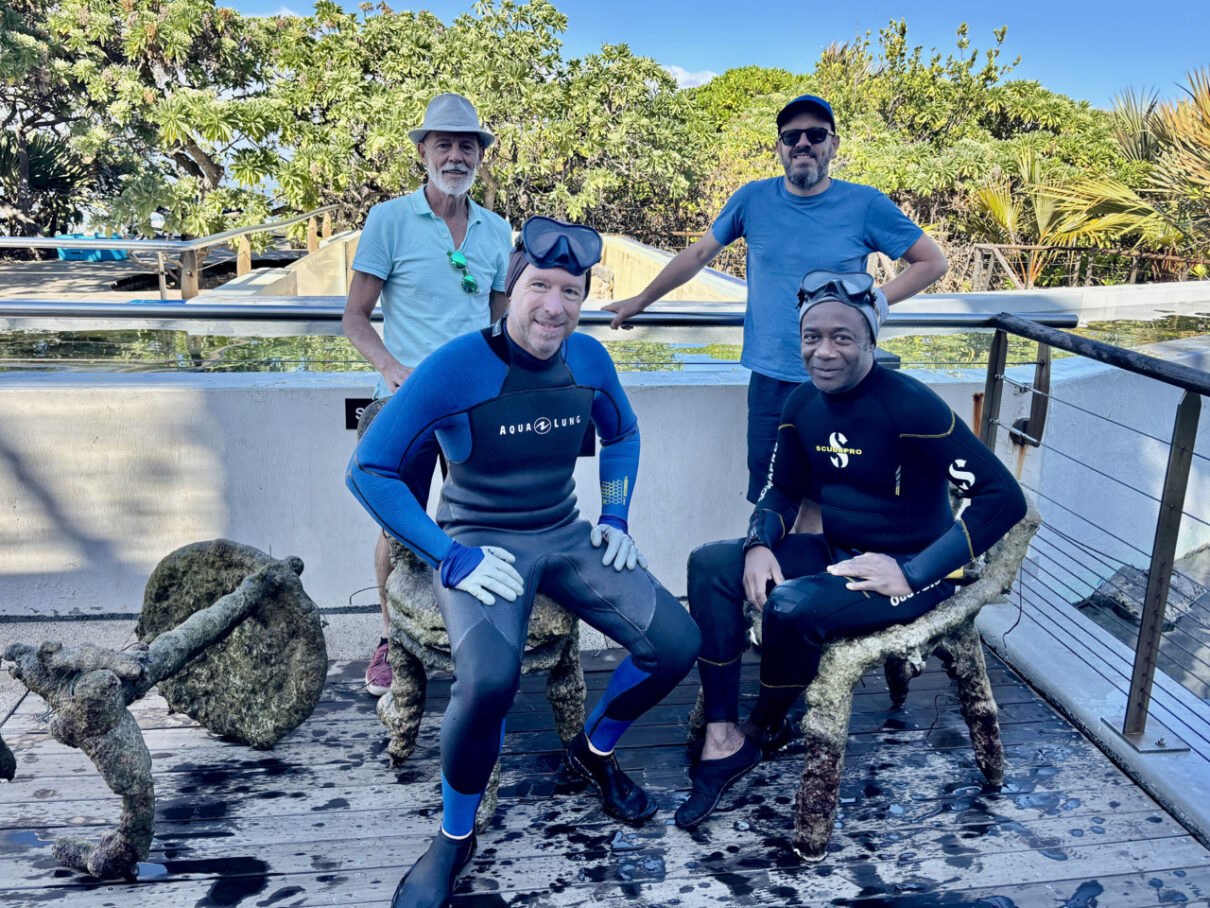
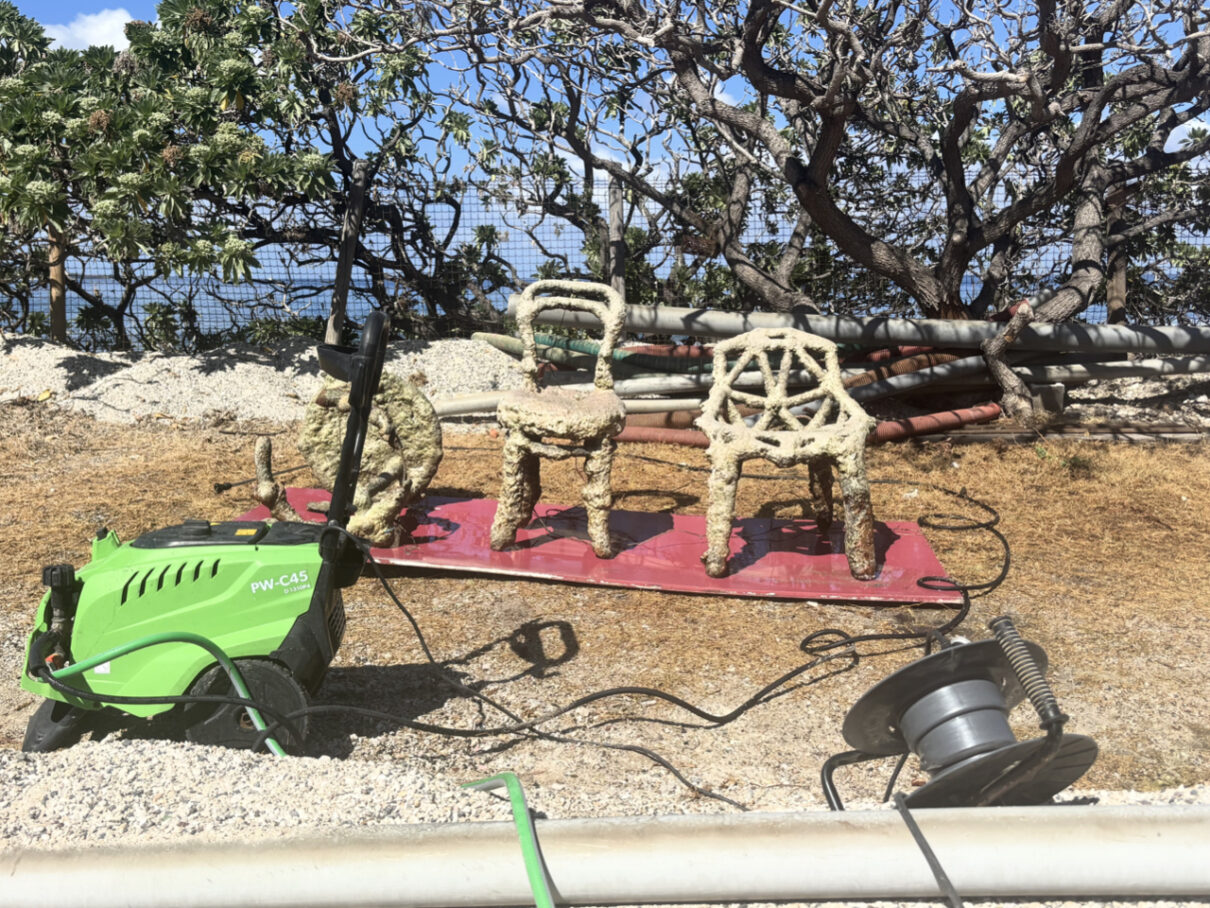
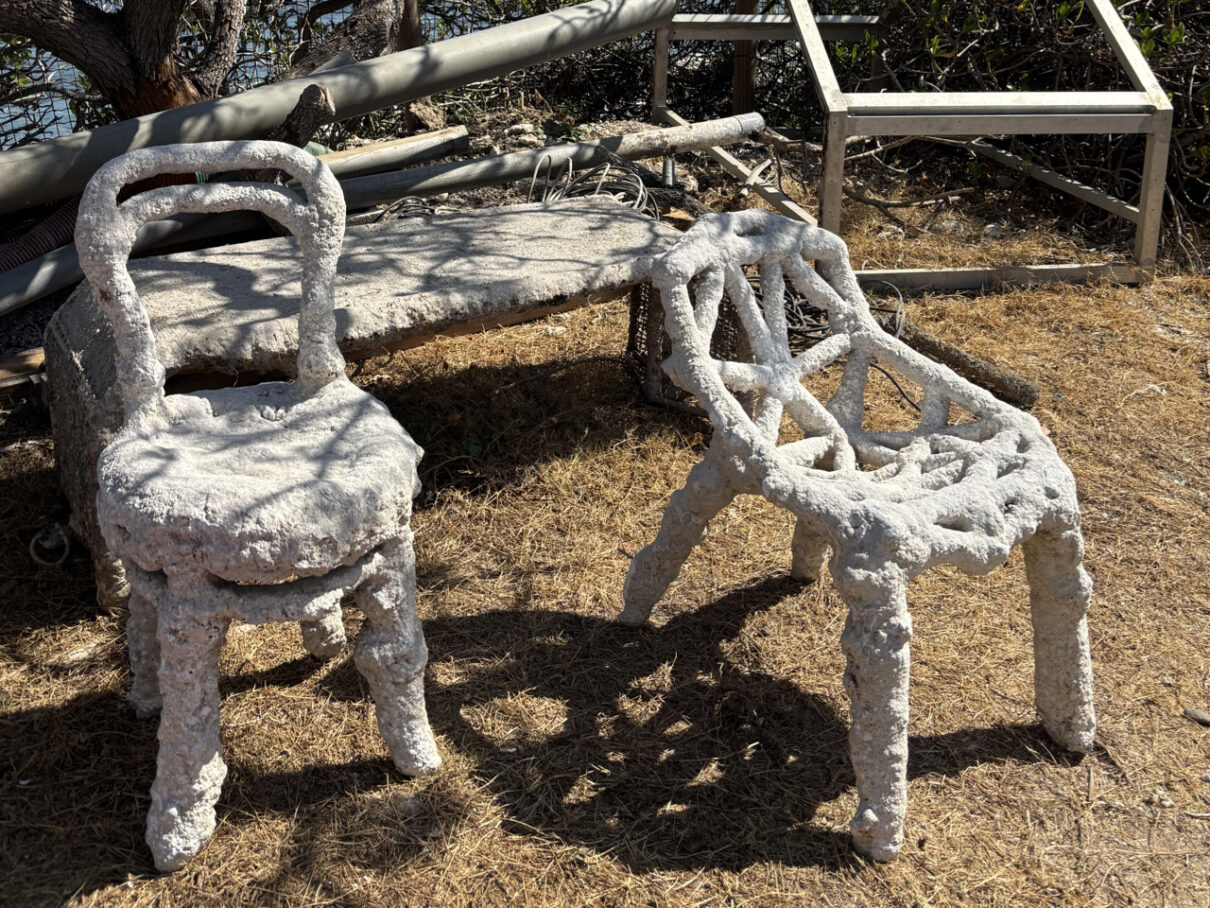
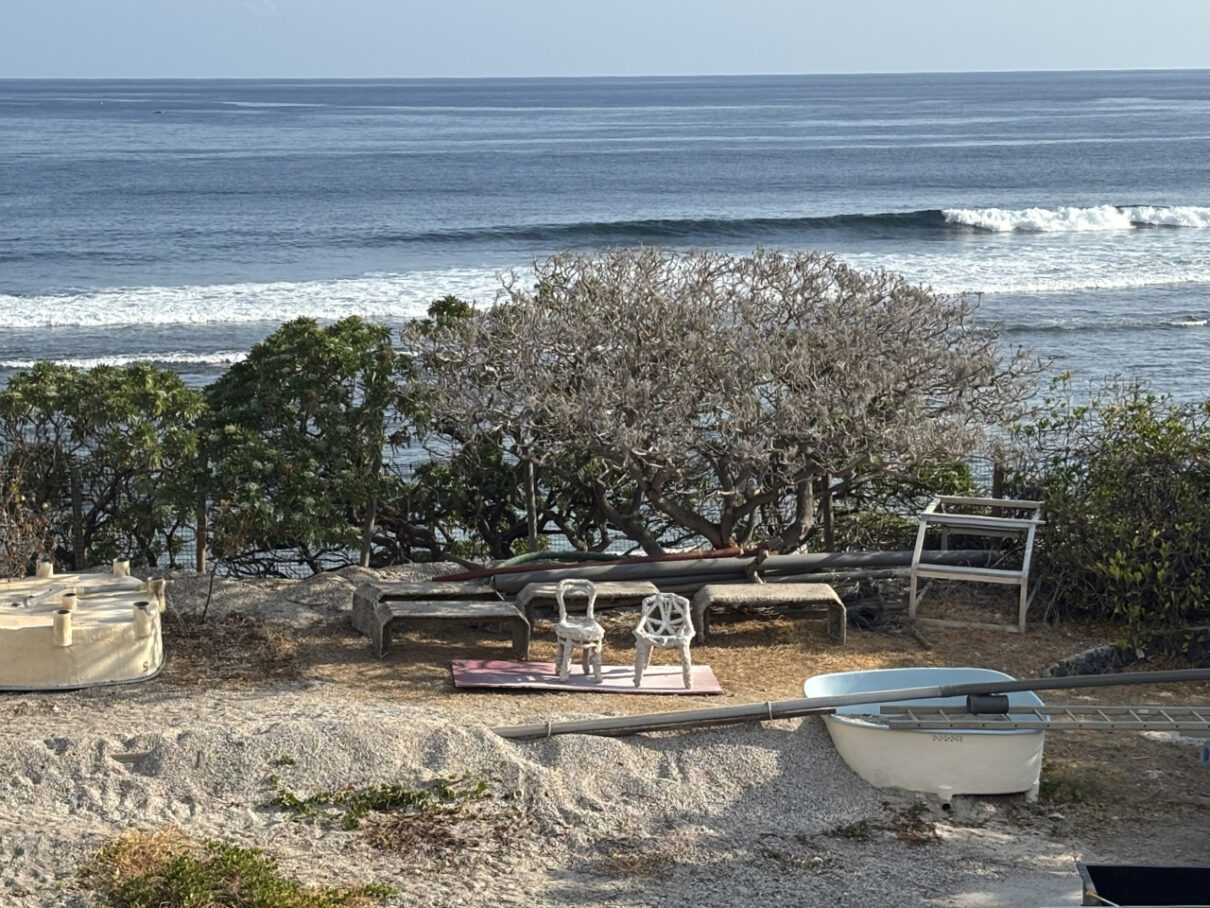
La Série fossiles contemporains est une série de 3 pièces composée de 2 chaises et d’une table d’appoint. Ils sont les premiers objets issus de la Mineral Accretion Factory.
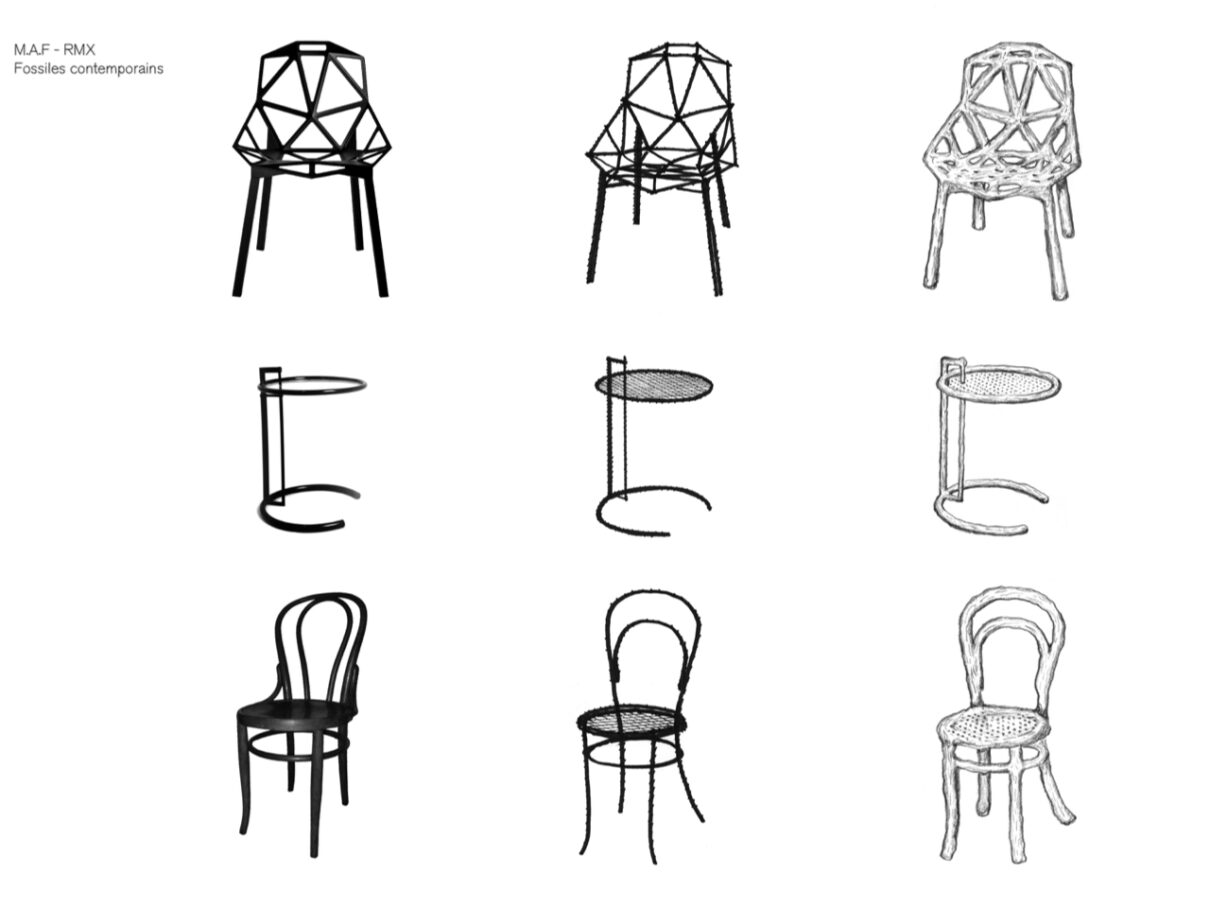
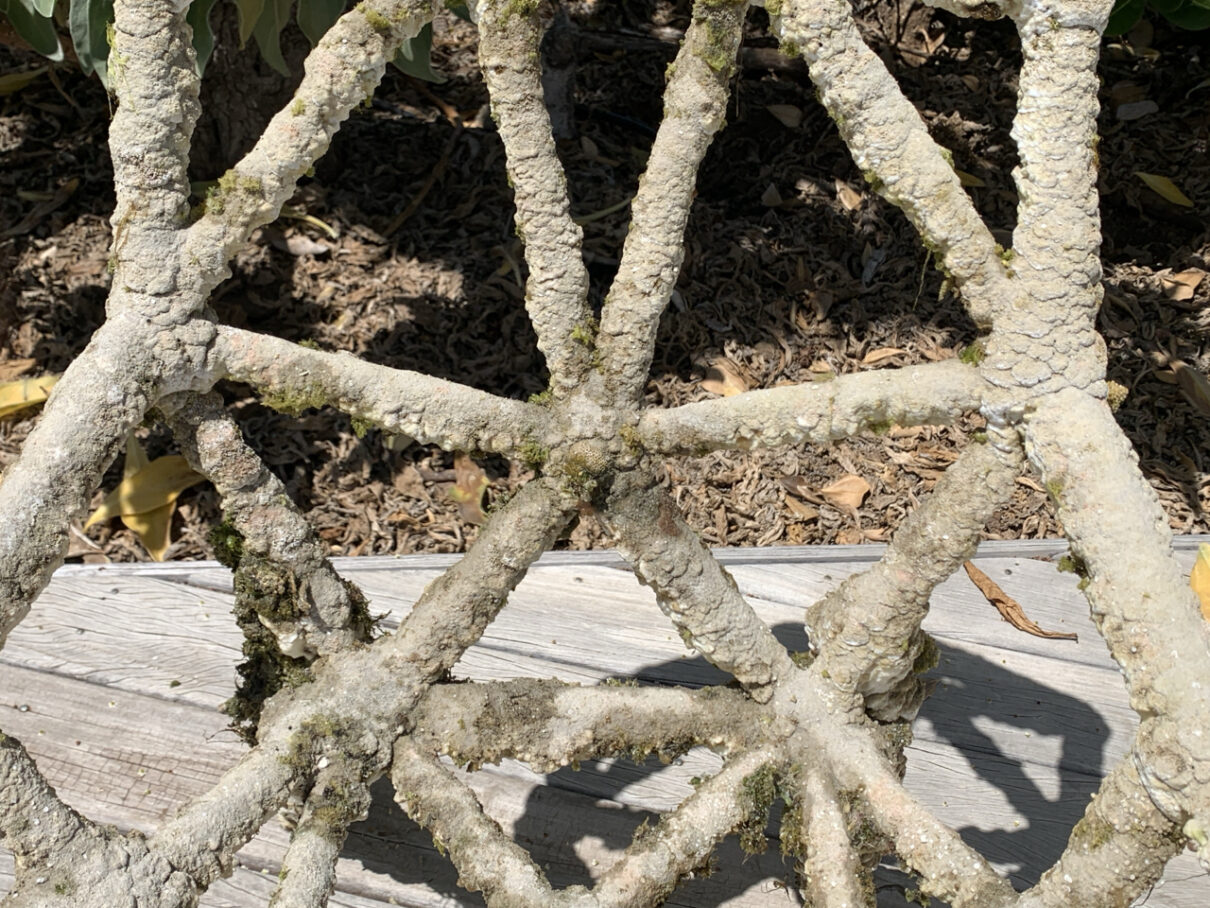
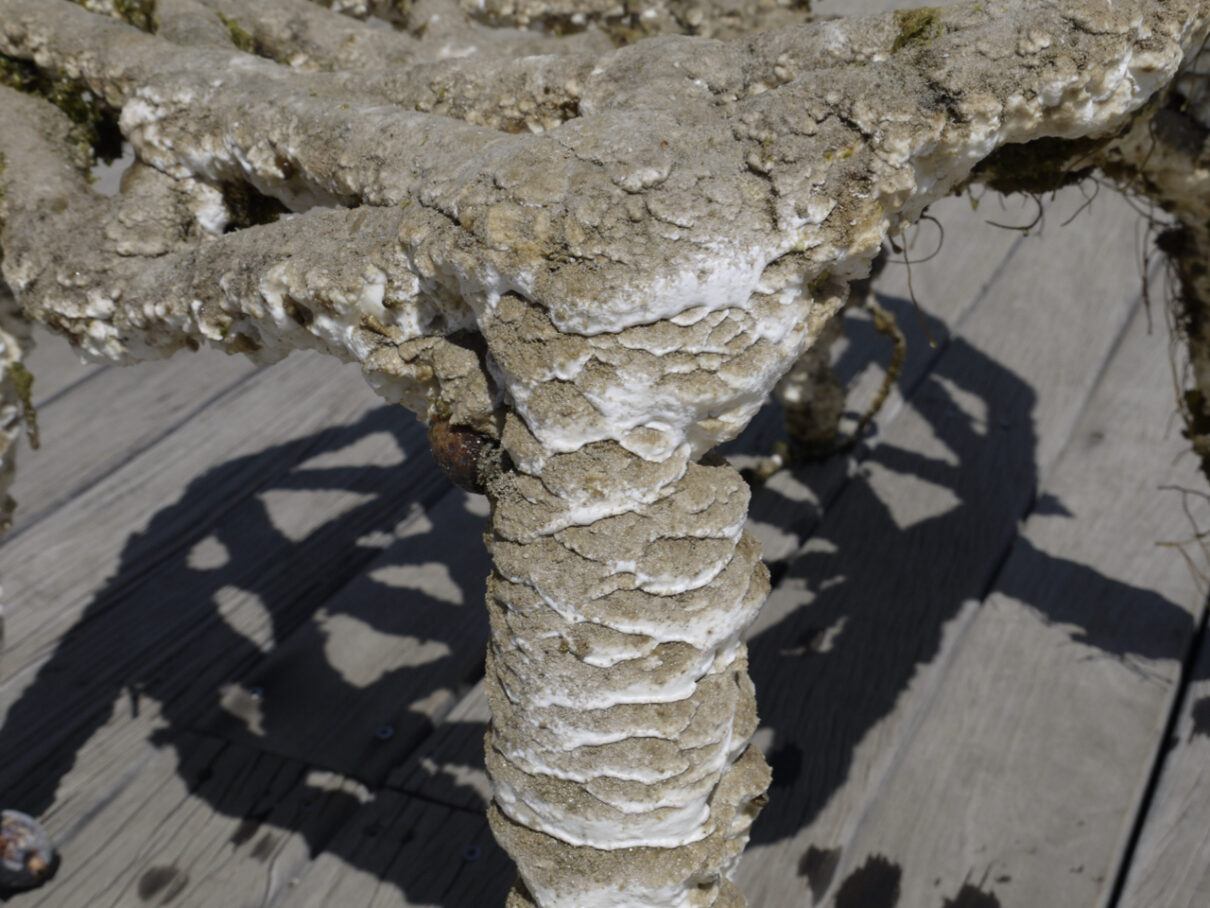
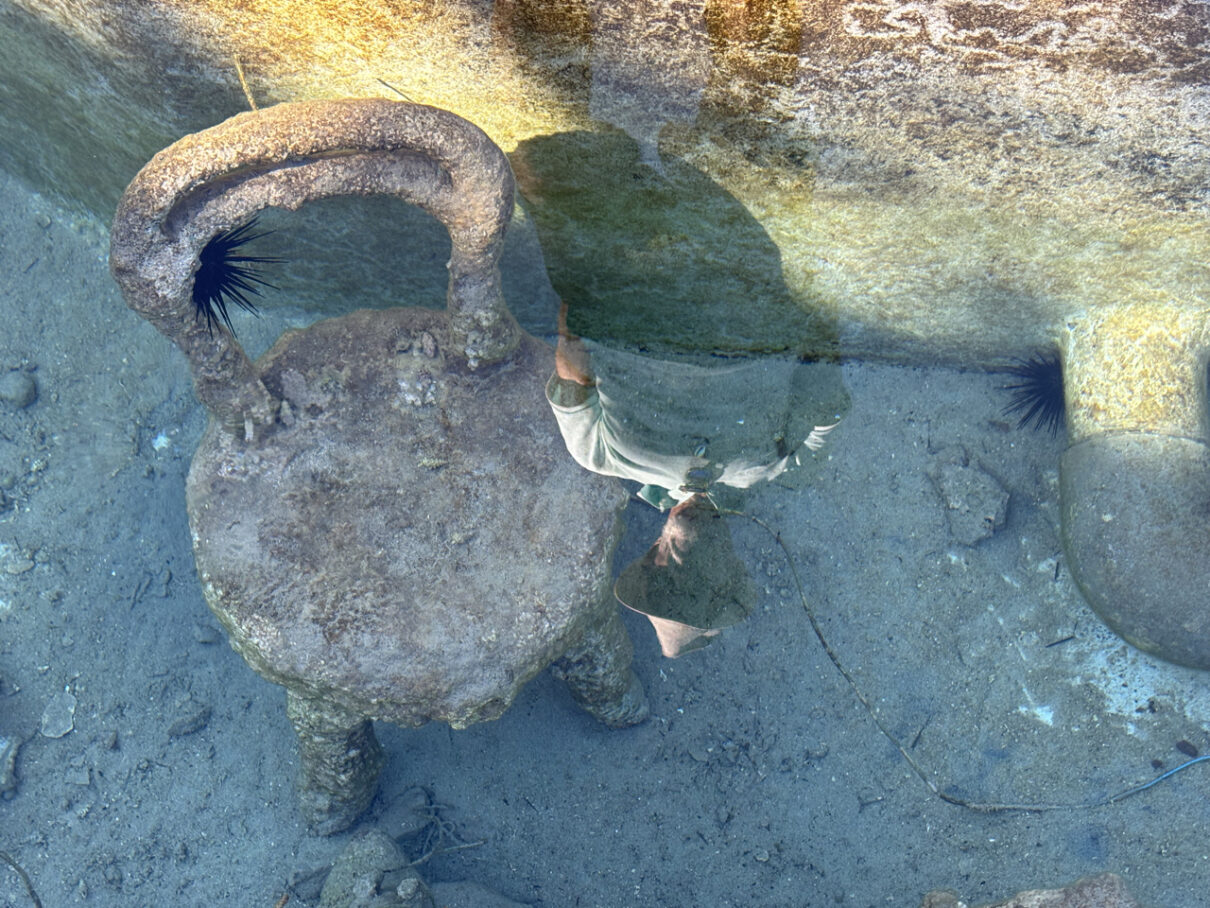
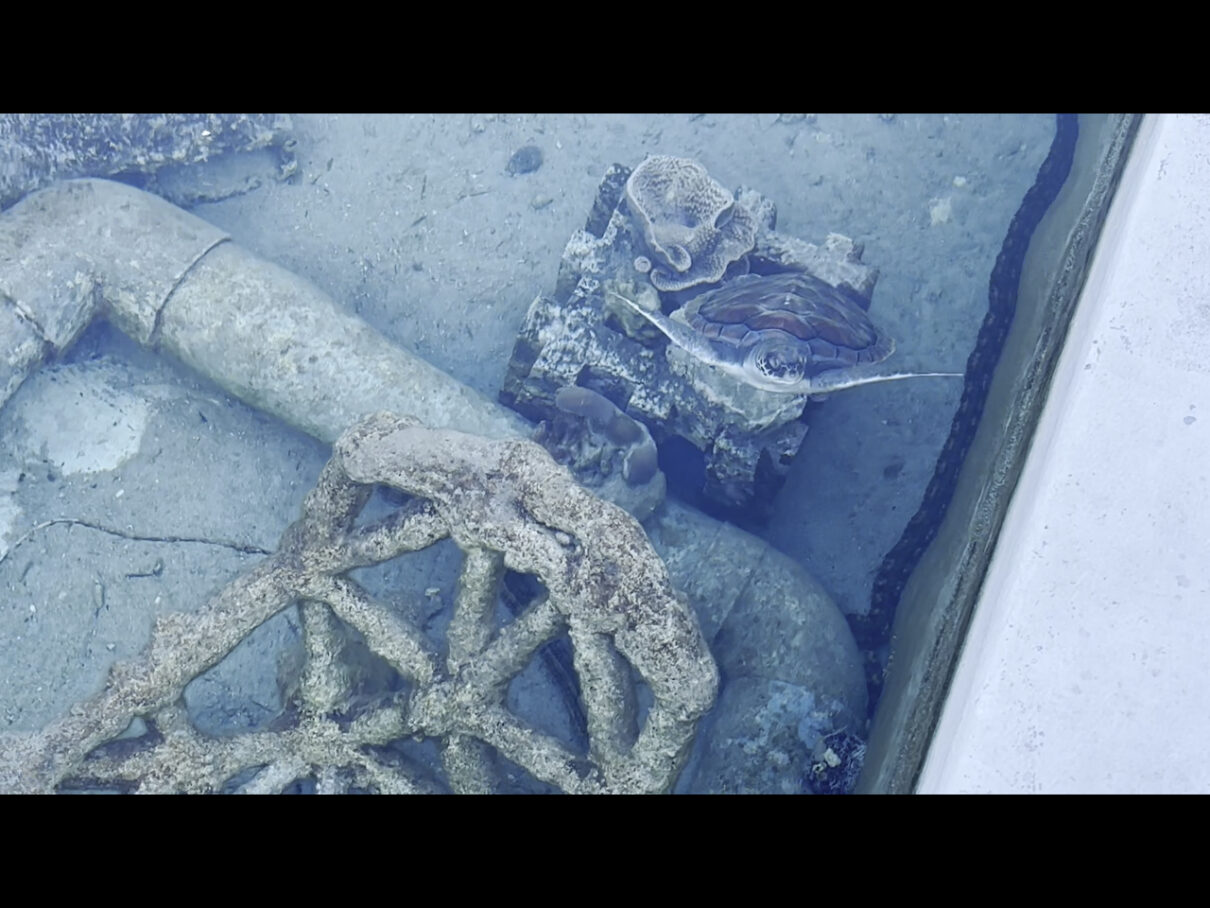
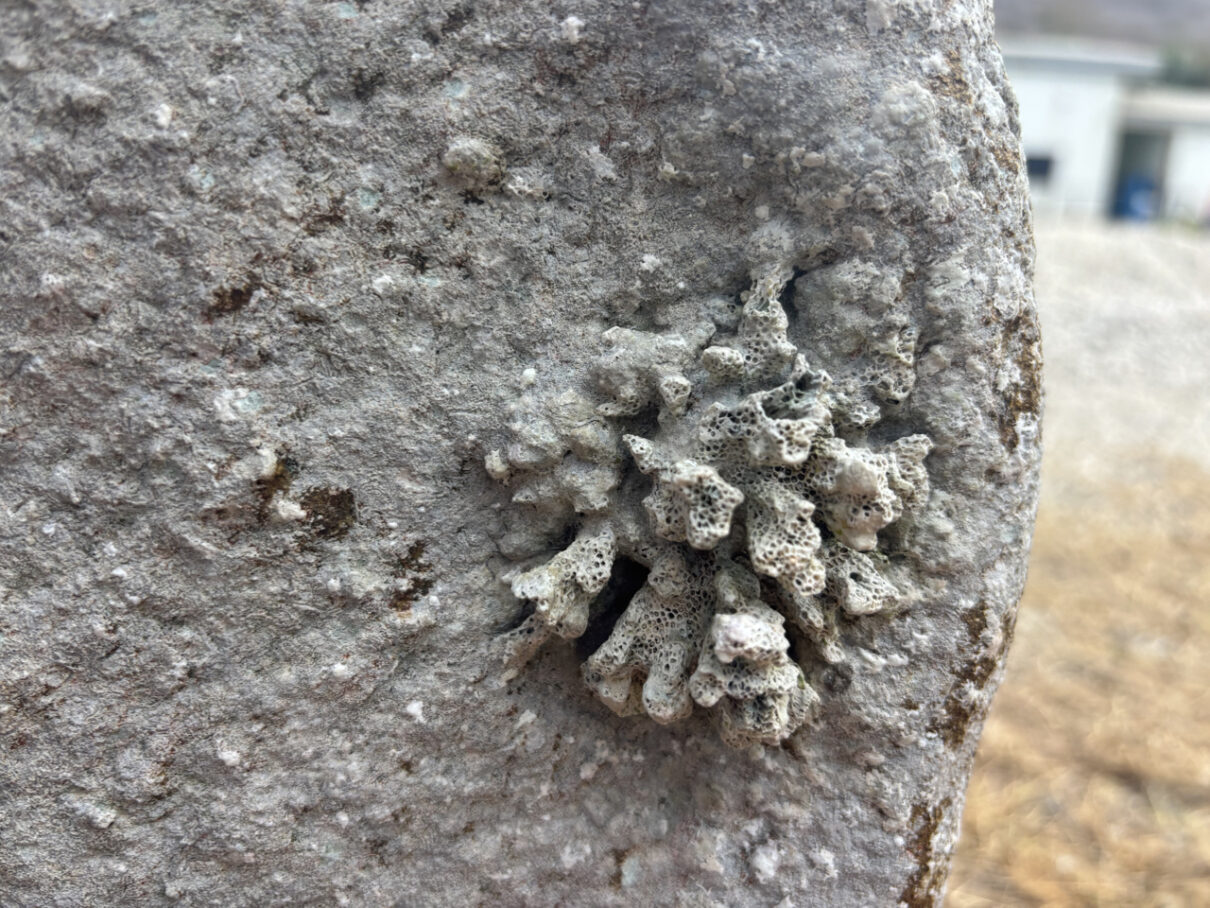
Ces fossiles contemporains sont produits sous la mer. Ils font référence à 3 archétypes du design mobilier du XIXe, XXe et XXIe siècle. Ils sont des objets contemporains comme les vestiges imaginaires d’un passé lointain, égarés accidentellement dans les fonds marins.
Ils interrogent le devenir des objets que nous produisons.
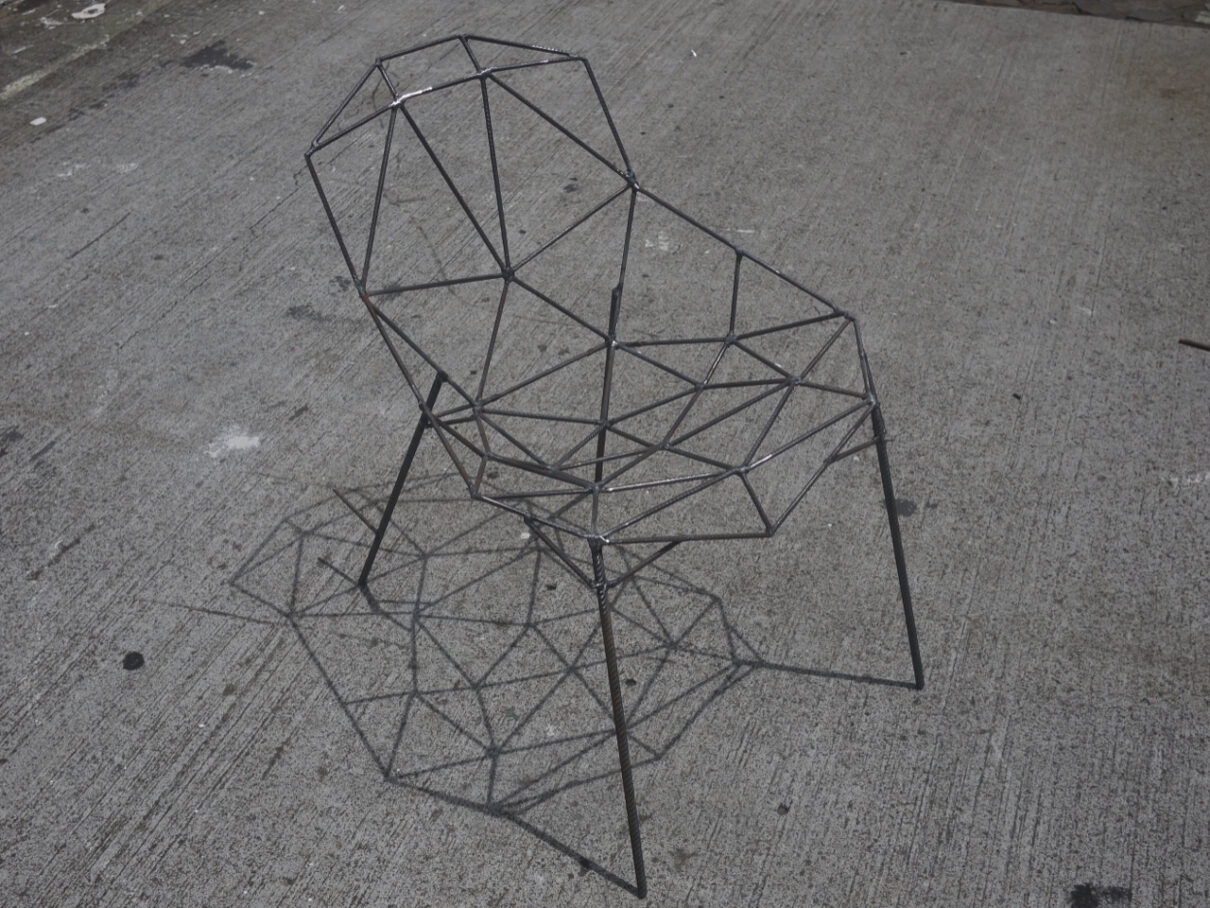
La table d’appoint est inspirée de la table E 1027 de la designeuse et architecte irlandaise Eileen Gray. La première chaise est inspirée de la chaise Thonet 14, la deuxième chaise est inspirée de la One Chair du designer Allemand Konstantin Grcic.
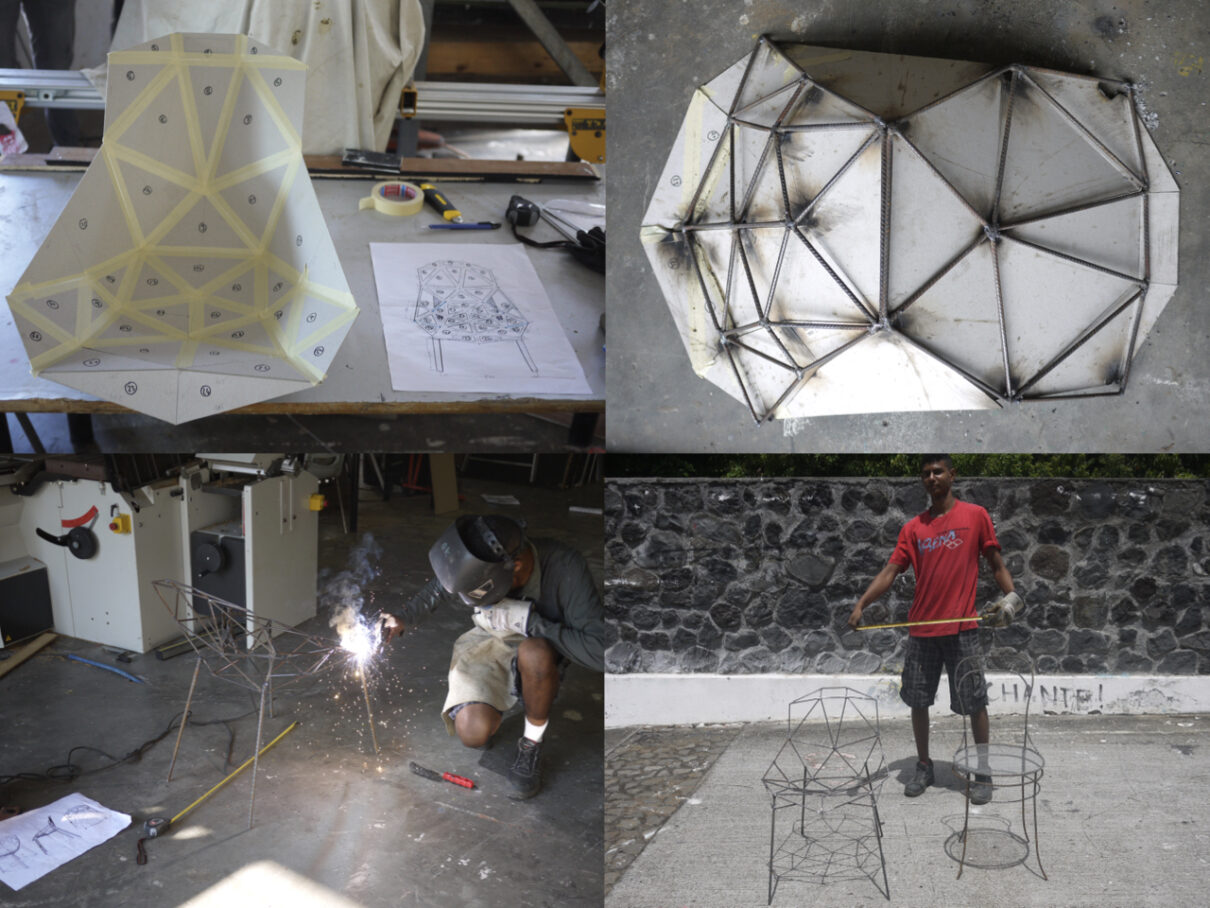
Mineral Accretion Factory est un projet de recherche en design qui propose un nouveau mode de production d’objets, de mobilier et d’éléments constructifs à impact positif sur l’environnement. Il s’accorde avec son environnent écologique, social et politique. Il est particulièrement adapté aux milieux tropicaux en zone littorale et encore plus au contexte insulaire.
C’est un système alternatif de production qui utilise le mode de construction des récifs artificiels “Biorock” développé par l’architecte/biologiste Pr. Wolf Hilbertz (Symbiotic Process Laboratory) et le Biologiste Pr. Thomas J. Goreau (Global Coral Reef Alliance). Ce principe de récifs artificiels vise à aider au développement des récifs coralliens et participe de la préservation du littoral.
Les fossiles contemporains font partie des acquisitions du Cnap 2019-2025 et sont en dépôt au FRAC Réunion. Ils sont Présentés dans le Jardin Créole de la Maison Dussac qui abrite le FRAC aux côtés du prototype de Banc Kelonia .
—
The Contemporary Fossils series is a three-piece collection consisting of two chairs and a side table. These are the first objects produced by the Mineral Accretion Factory.
These contemporary fossils are produced underwater. They reference three archetypes of furniture design from the 19th, 20th, and 21st centuries. They are contemporary objects like the imaginary remnants of a distant past, accidentally lost on the ocean floor.
They question the future of the objects we produce.
The side table is inspired by the E 1027 table by Irish designer and architect Eileen Gray. The first chair is inspired by the Thonet 14 chair, and the second chair is inspired by the One Chair by German designer Konstantin Grcic.
Mineral Accretion Factory is a design research project that proposes a new method of producing objects, furniture, and building components with a positive environmental impact. It aligns with its ecological, social, and political environment. It is particularly suited to tropical coastal environments and even more so to island contexts.
Mineral Accretion Factory is a design research project that proposes a new method for producing objects, furniture, and building components with a positive environmental impact. It is in harmony with its ecological, social, and political environment. It is particularly suited to tropical coastal environments and even more so to island contexts.
It is an alternative production system that utilizes the “Biorock” artificial reef construction method developed by architect/biologist Prof. Wolf Hilbertz (Symbiotic Process Laboratory) and biologist Prof. Thomas J. Goreau (Global Coral Reef Alliance). This artificial reef concept aims to aid the development of coral reefs and contributes to coastal preservation.
The contemporary fossils are part of the CNAP’s 2019–2025 acquisitions and are on loan to the FRAC Réunion. They are on display in the Jardin Créole at Maison Dussac, which houses the FRAC alongside the Banc Kelonia prototype.
> Vers le projet Mineral Accretion Factory
> Vers Le banc Kelonia / Kelonia Bench
> Vers M.A.F. @ FRAC Réunion