mineralaccretionfactory


#


MINERAL ACCRETION FACTORY : Mare Nostrum Side Project

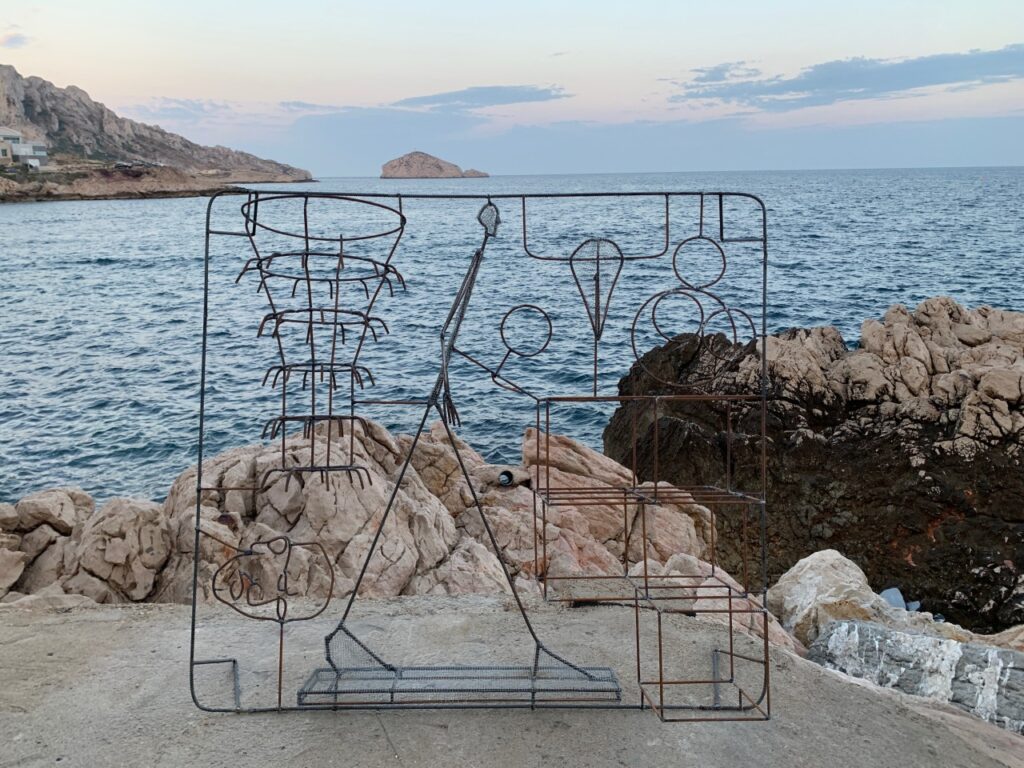
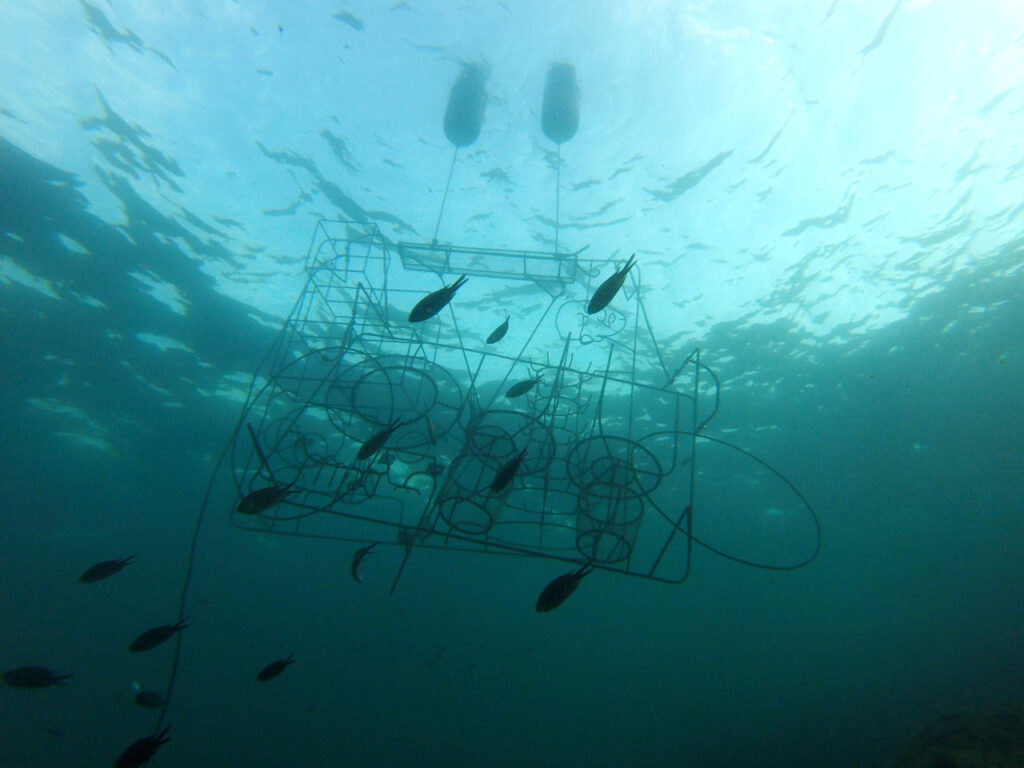
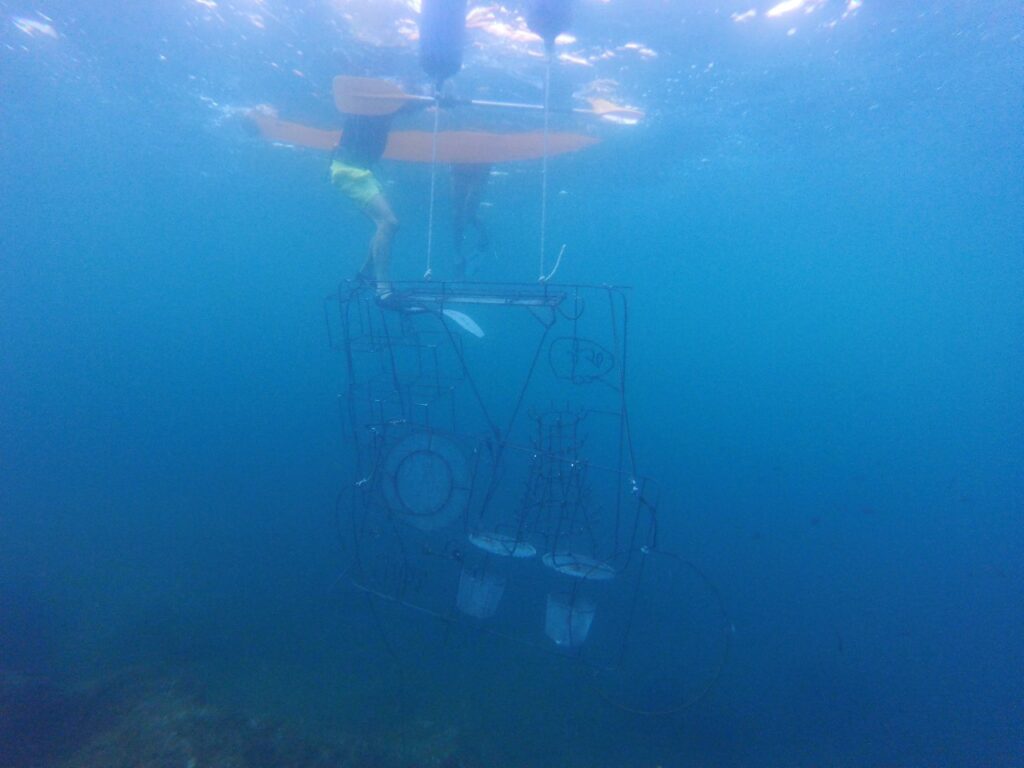
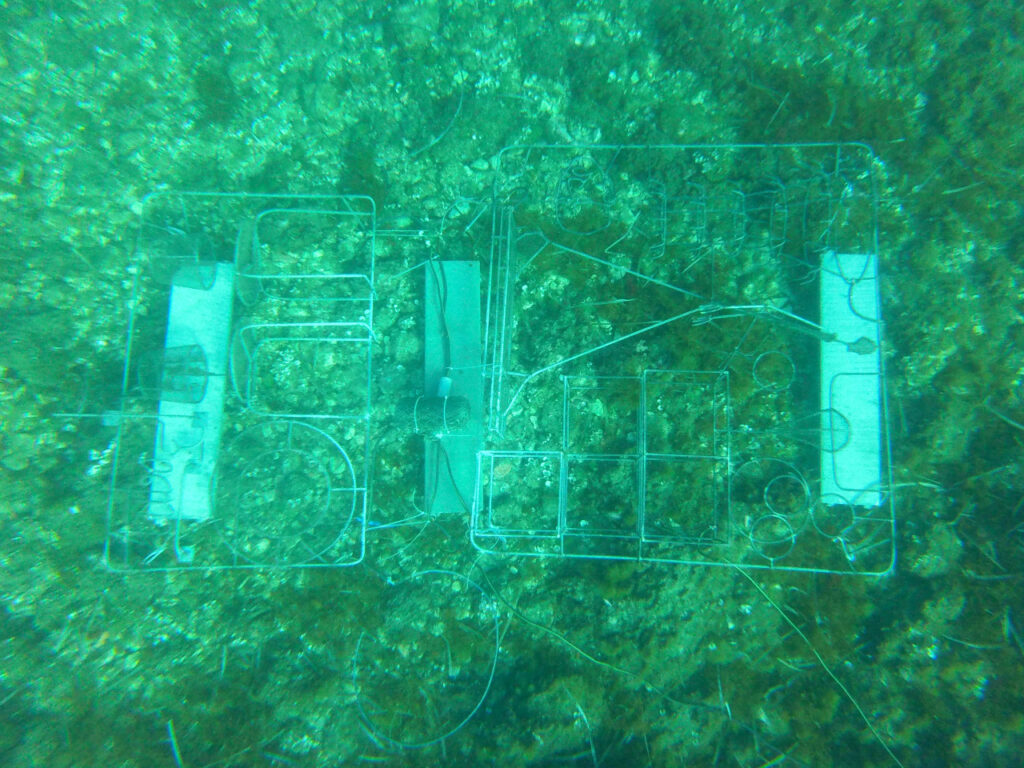
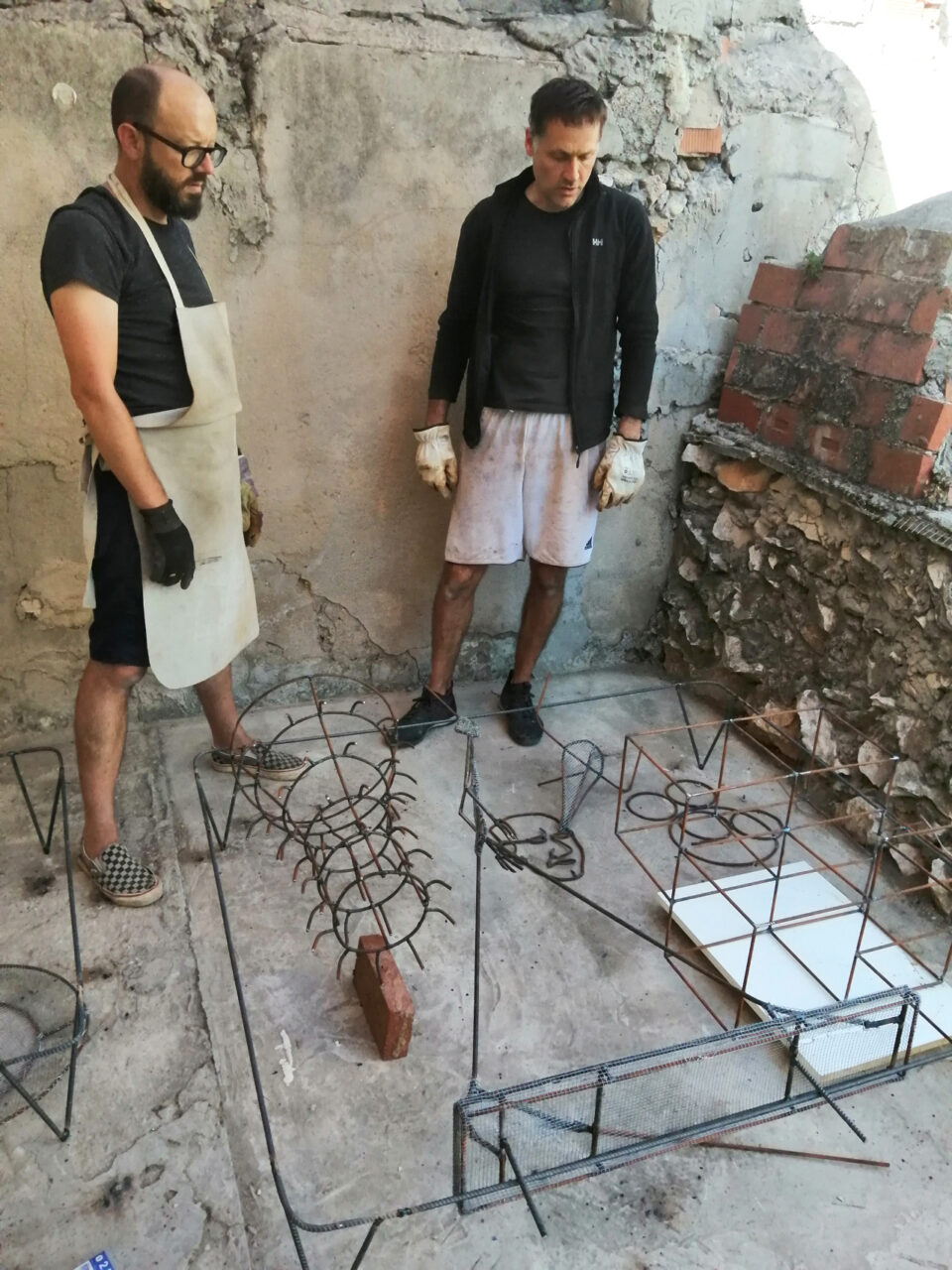
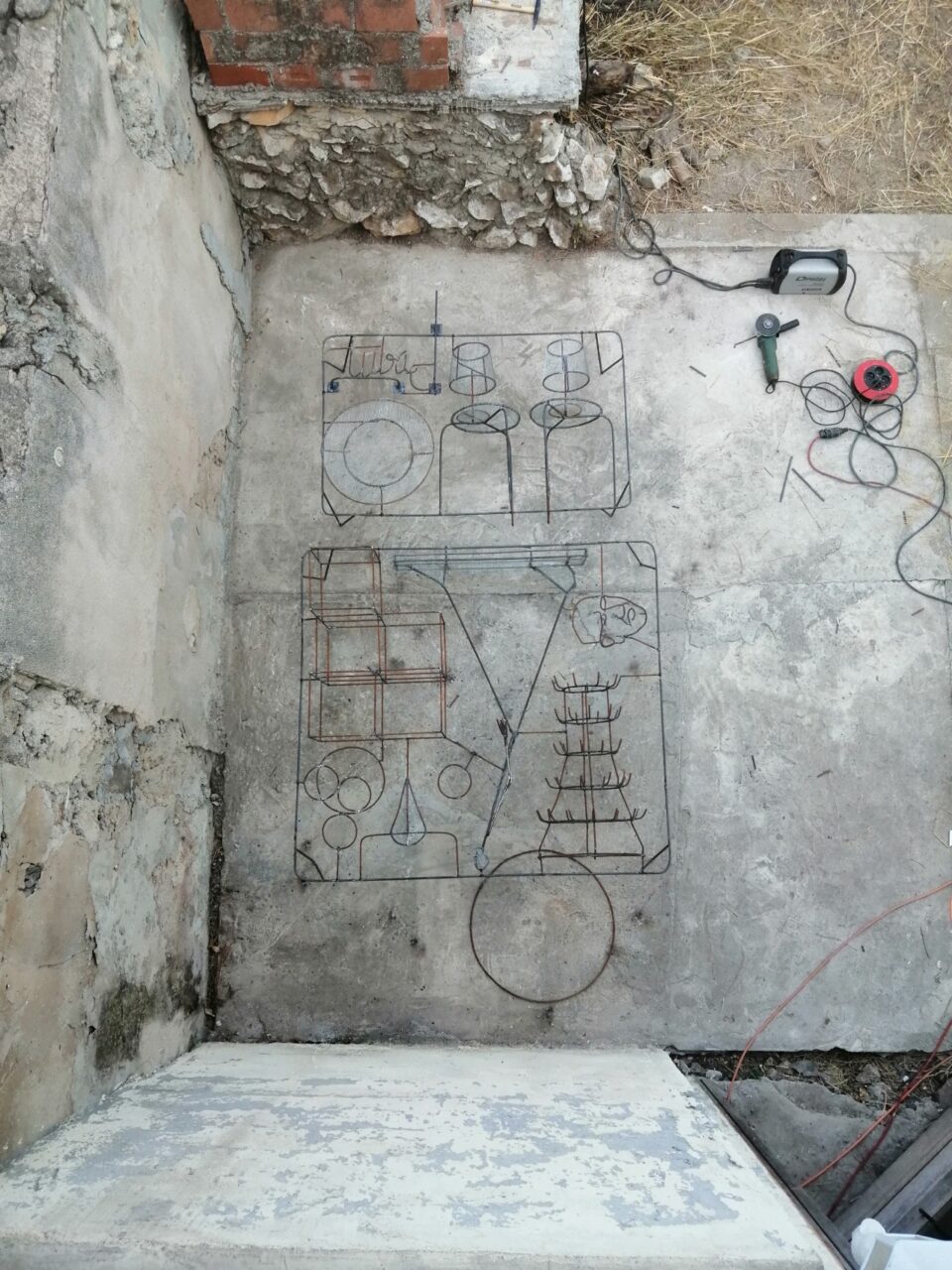
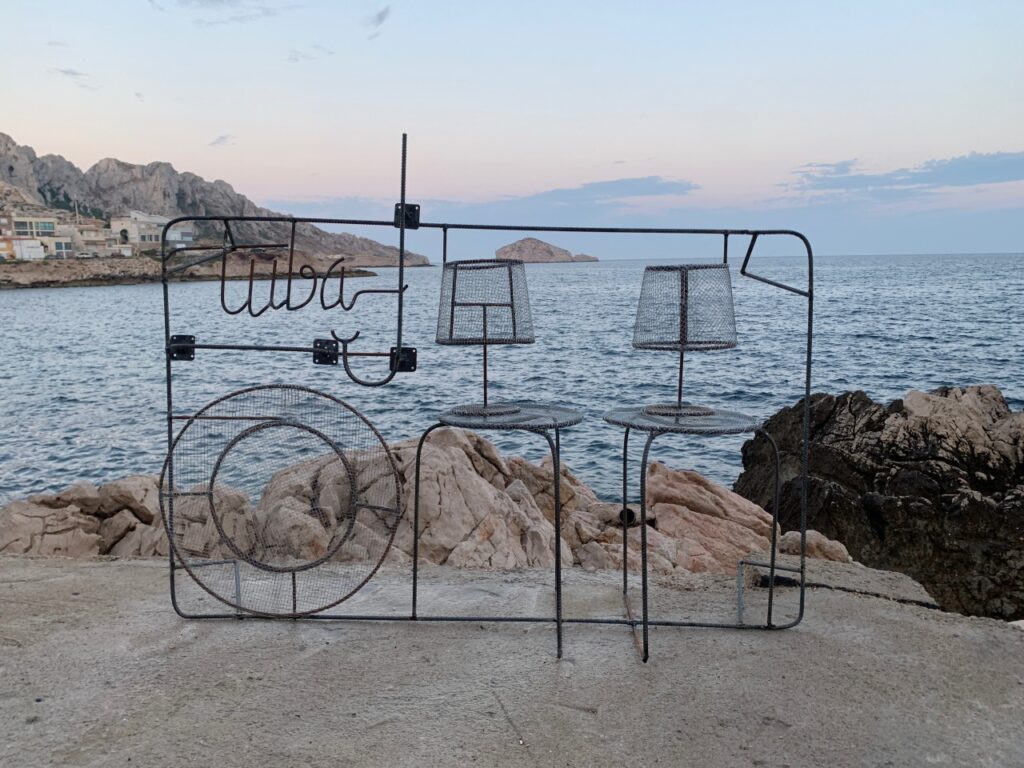
Avec l’artiste Julien Berthier, nous avons été invité par Thomas Mailaender pour Mare Nostrum à Marseille. Ensemble, nous avons conçu une série d’objets-sculptures que la mer terminera. Immergés par 8 mètres de fond, les minéraux et les poissons s’occupent de la « touche finale ».

With the artist Julien Berthier, we were invited by Thomas Mailaender for Mare Nostrum in Marseille. Together, we designed a series of object-sculptures to be « finished by the sea ». They have been installed 8 meters deep in the sea. Minerals and fishes will take care of the “final 


#


MINERAL ACCRETION FACTORY : contemporary fossils
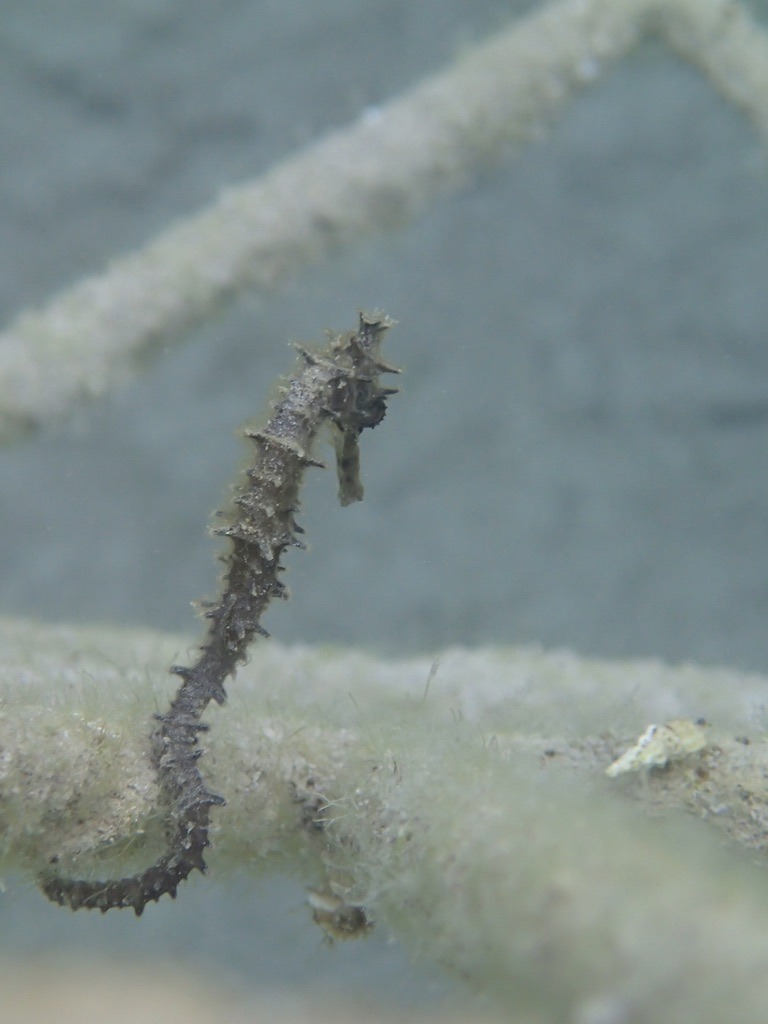
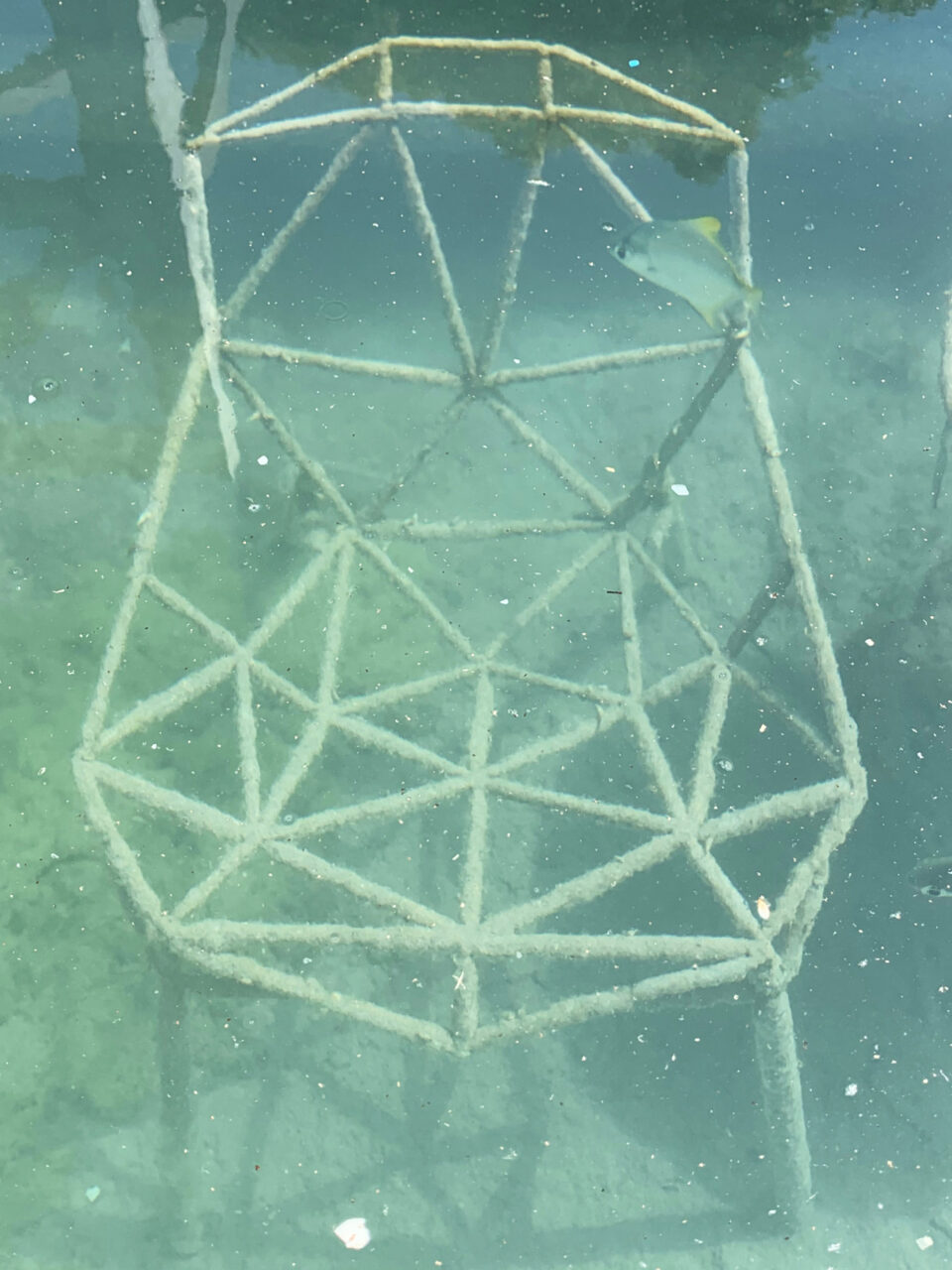
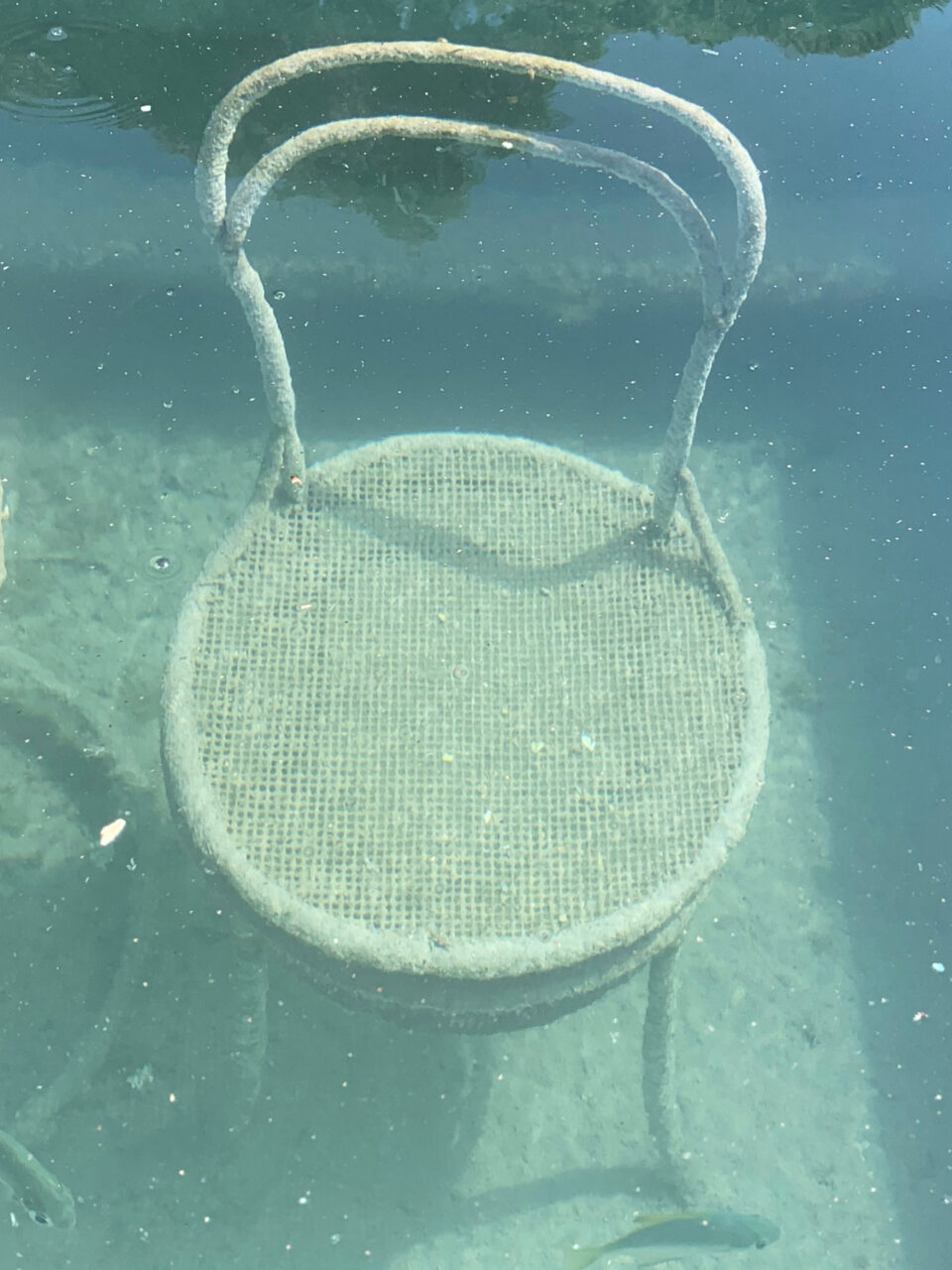
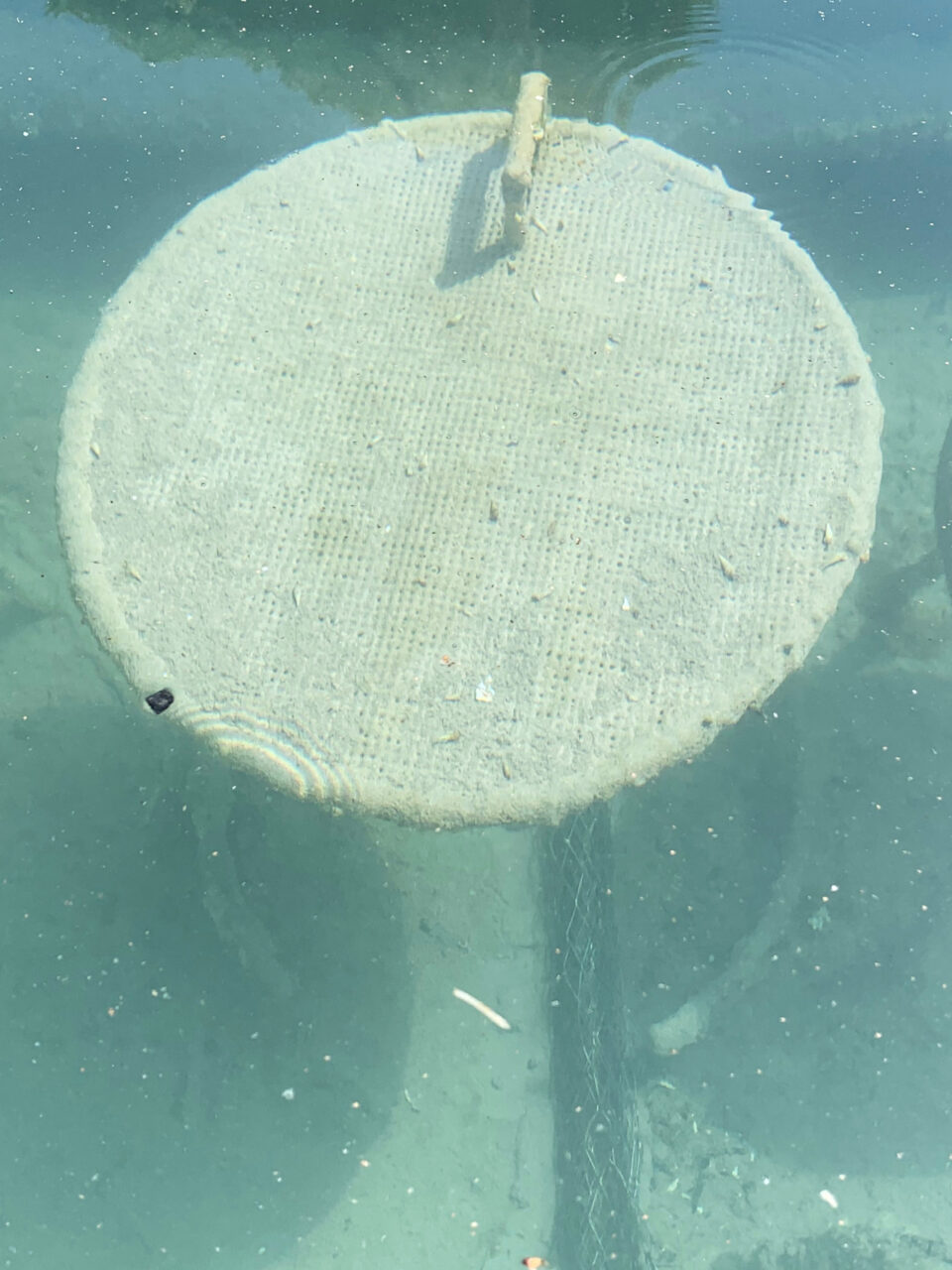
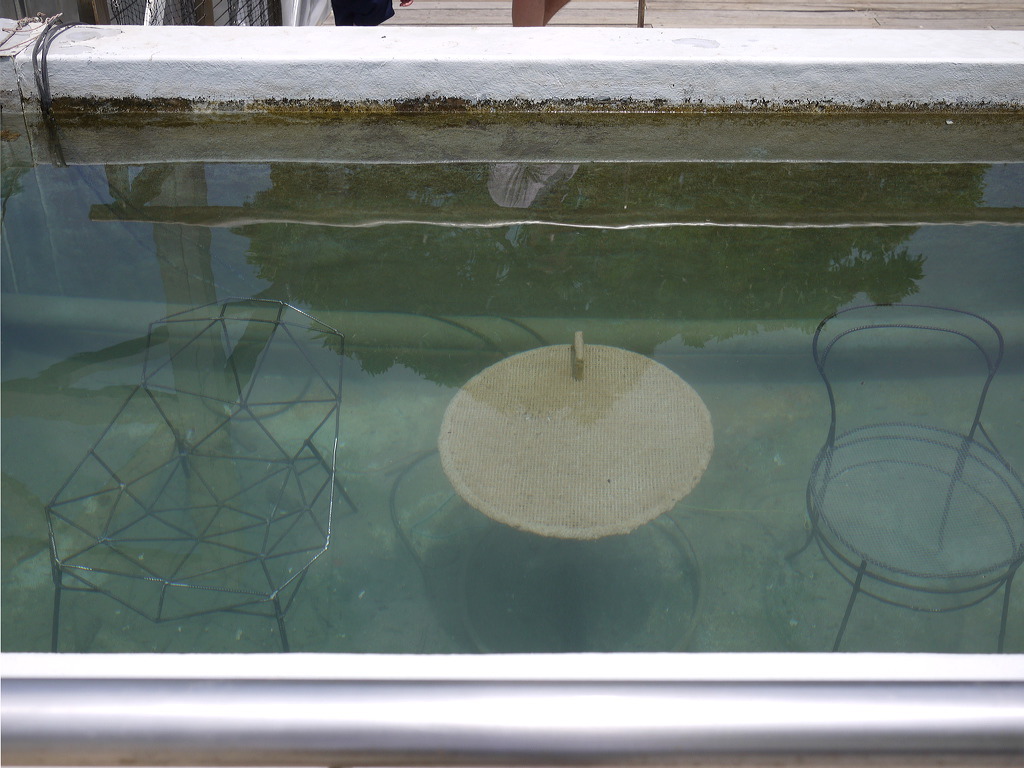
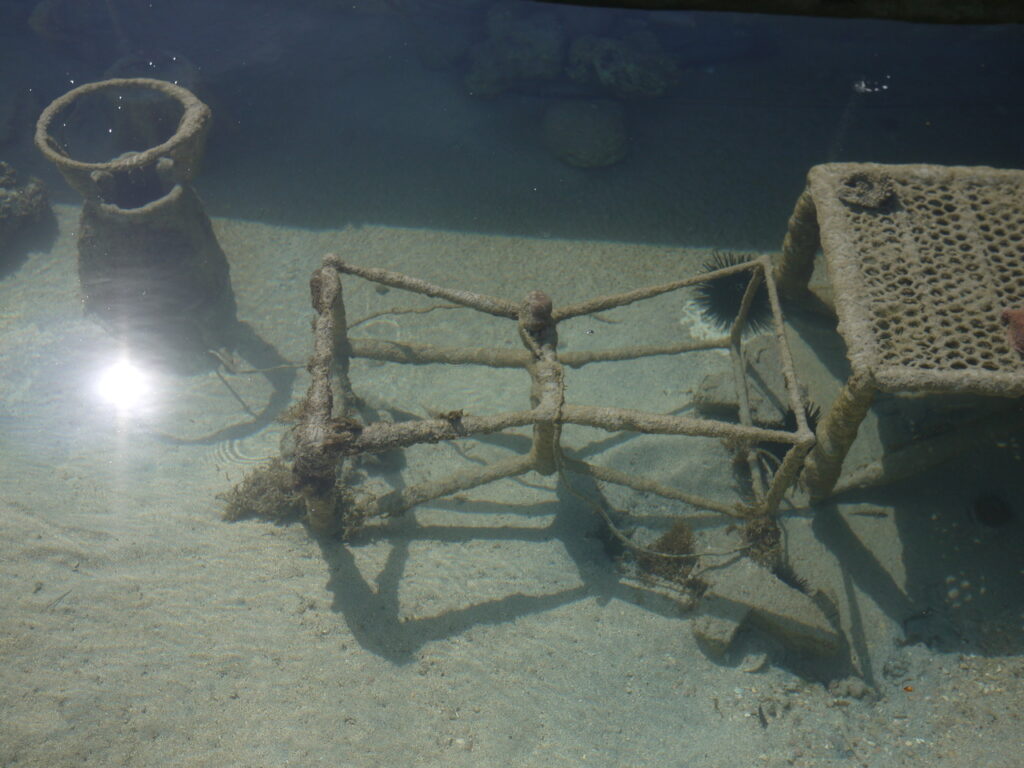
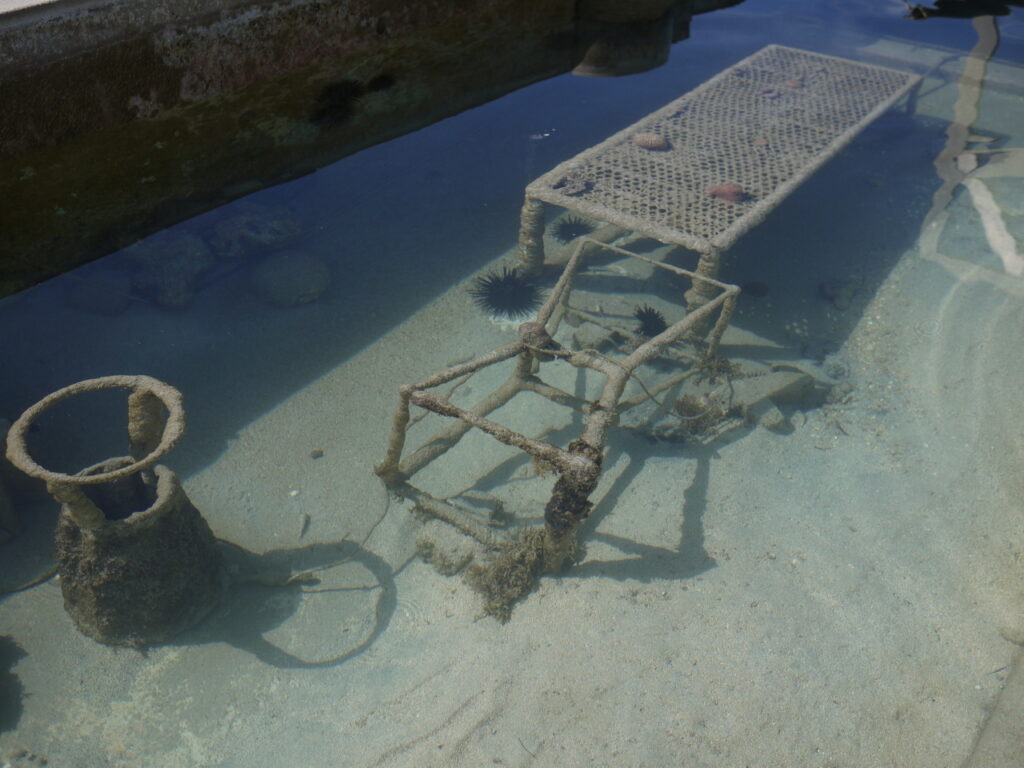
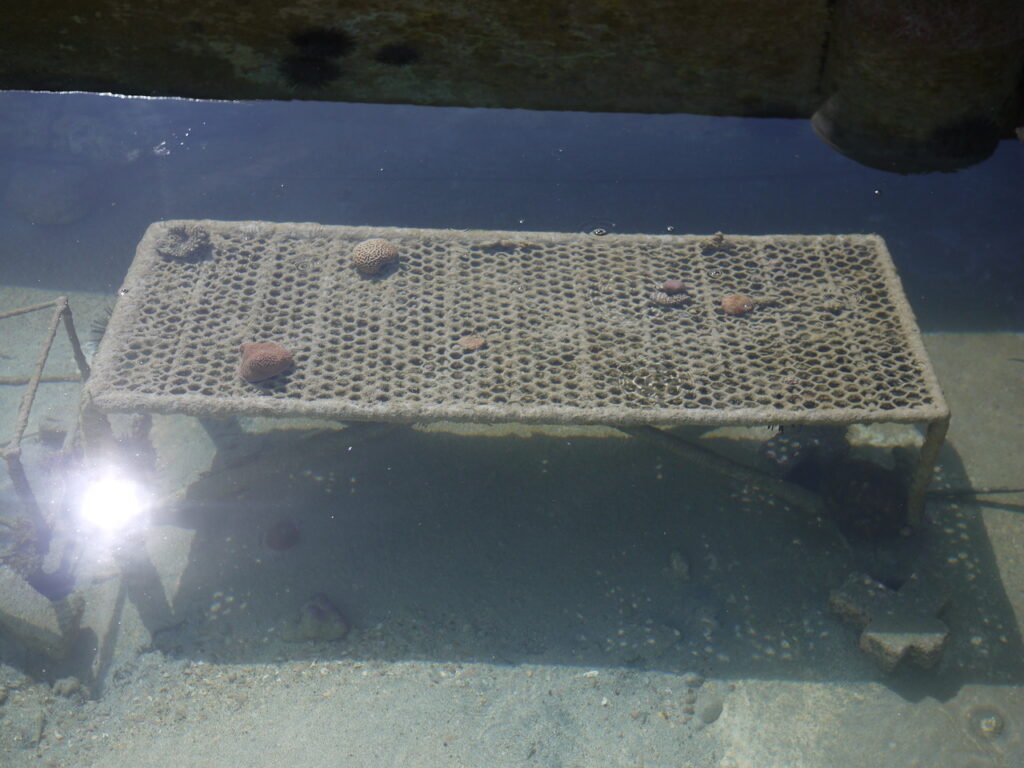
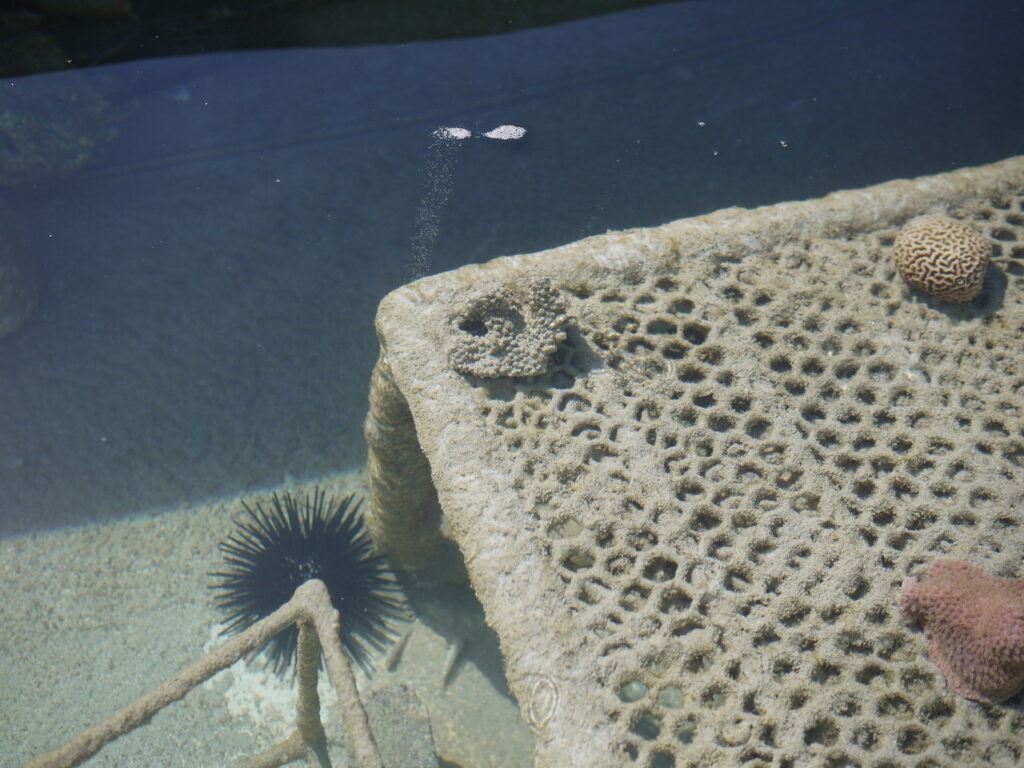
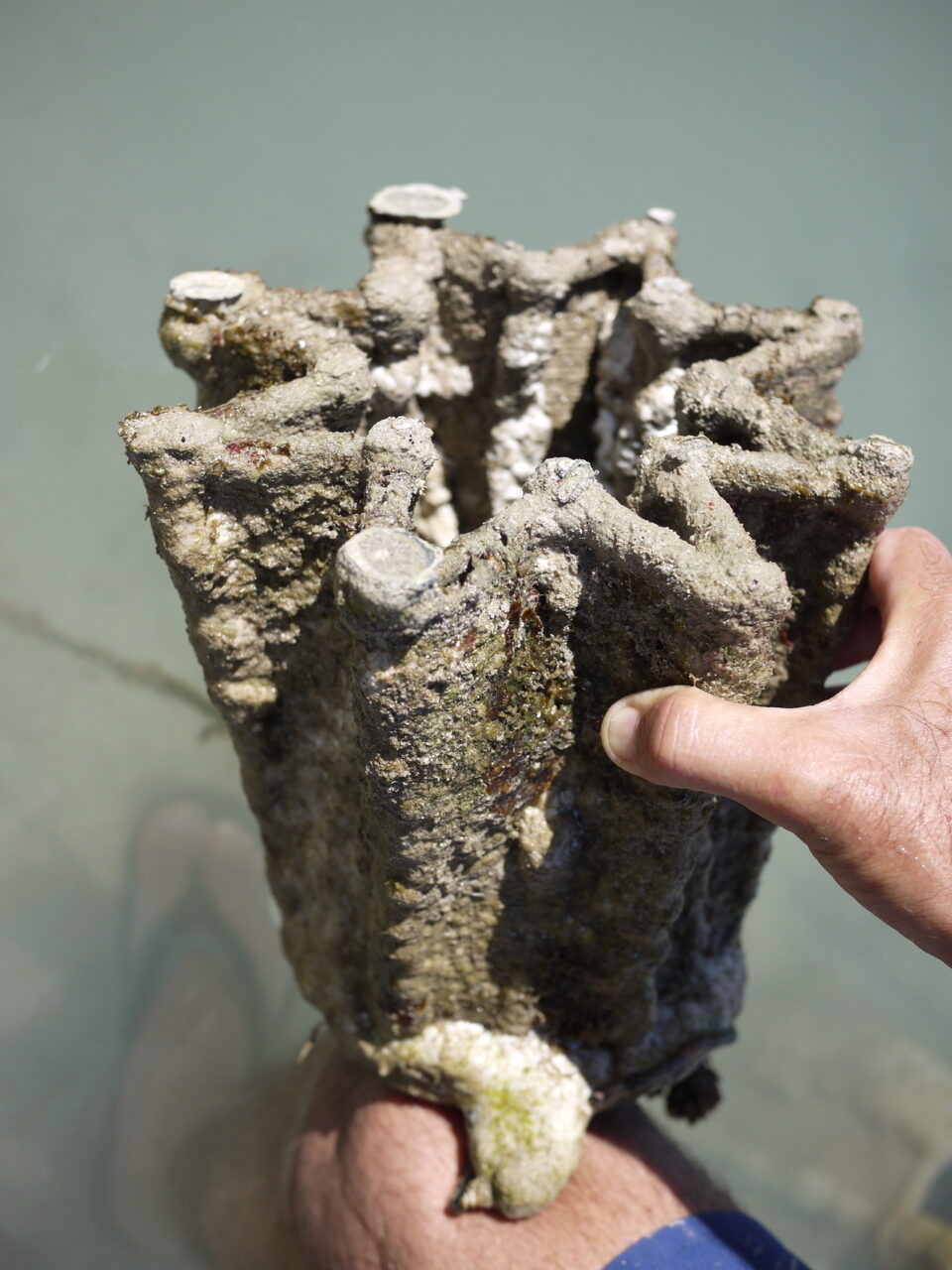
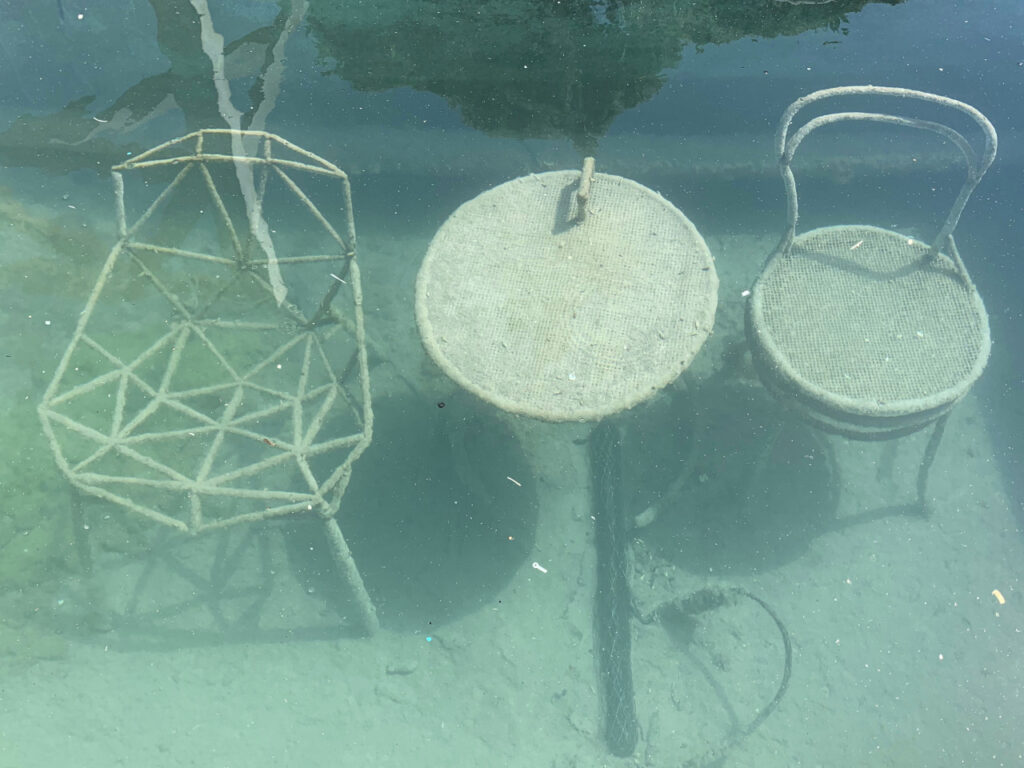
IN PROGRESS / One year after immersion
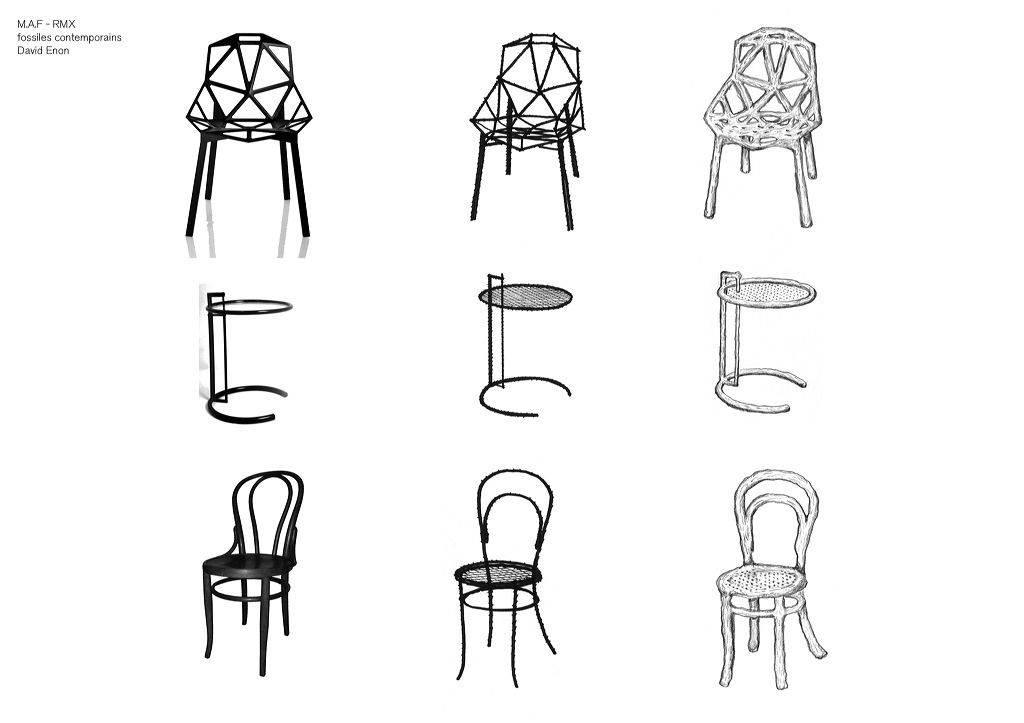
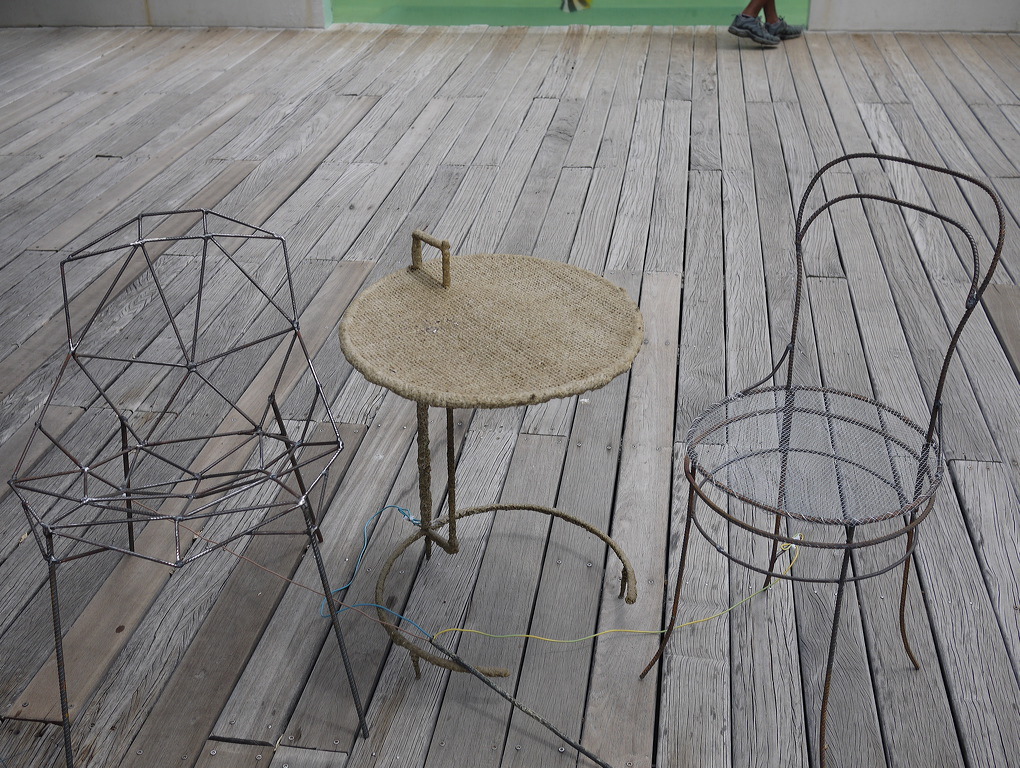
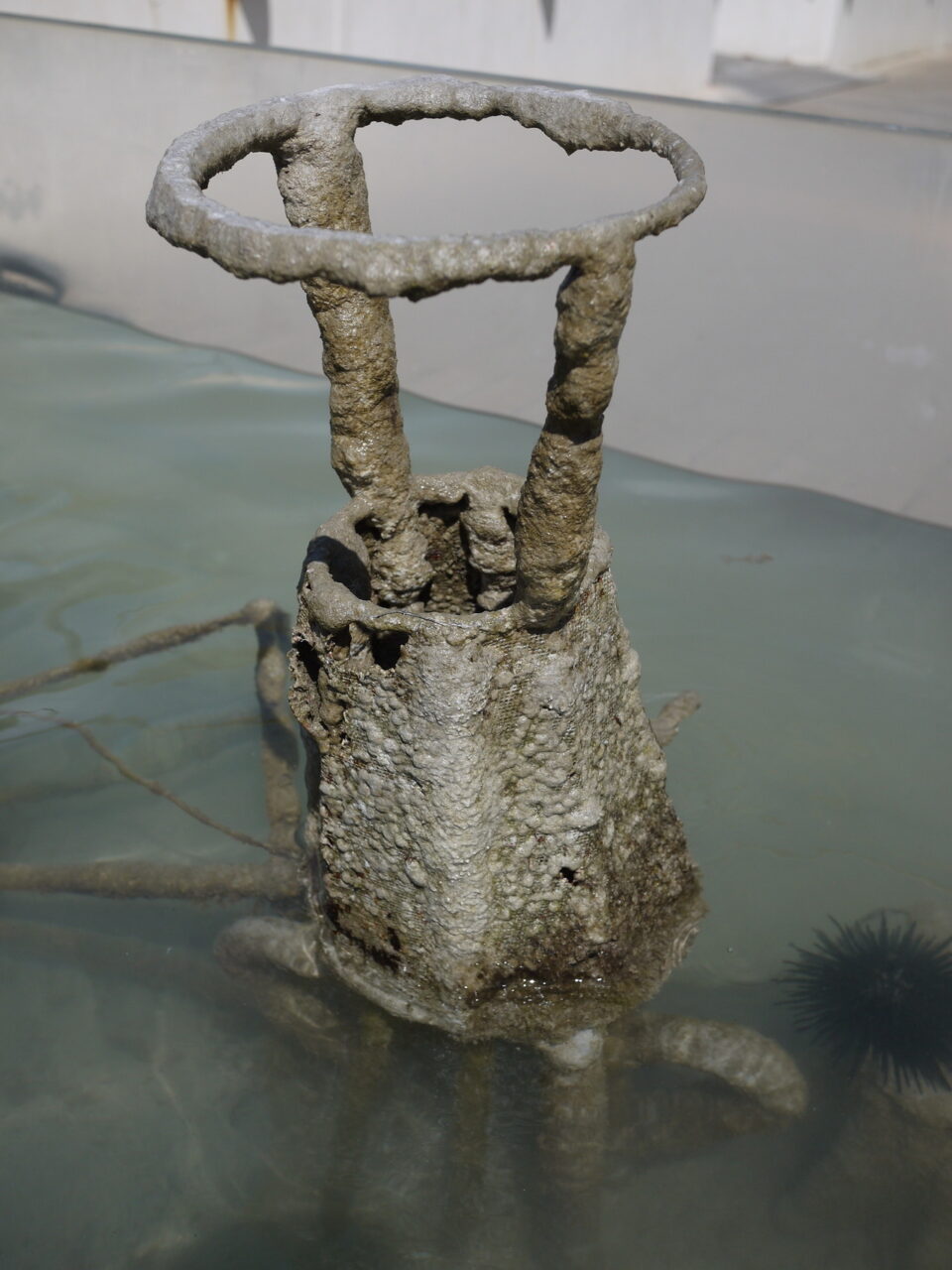
Chairs from KGID, Thonet and Eileen Gray’s side table E1027
in the Kelonia basins on Reunion Island.


#


MINERAL ACCRETION FACTORY
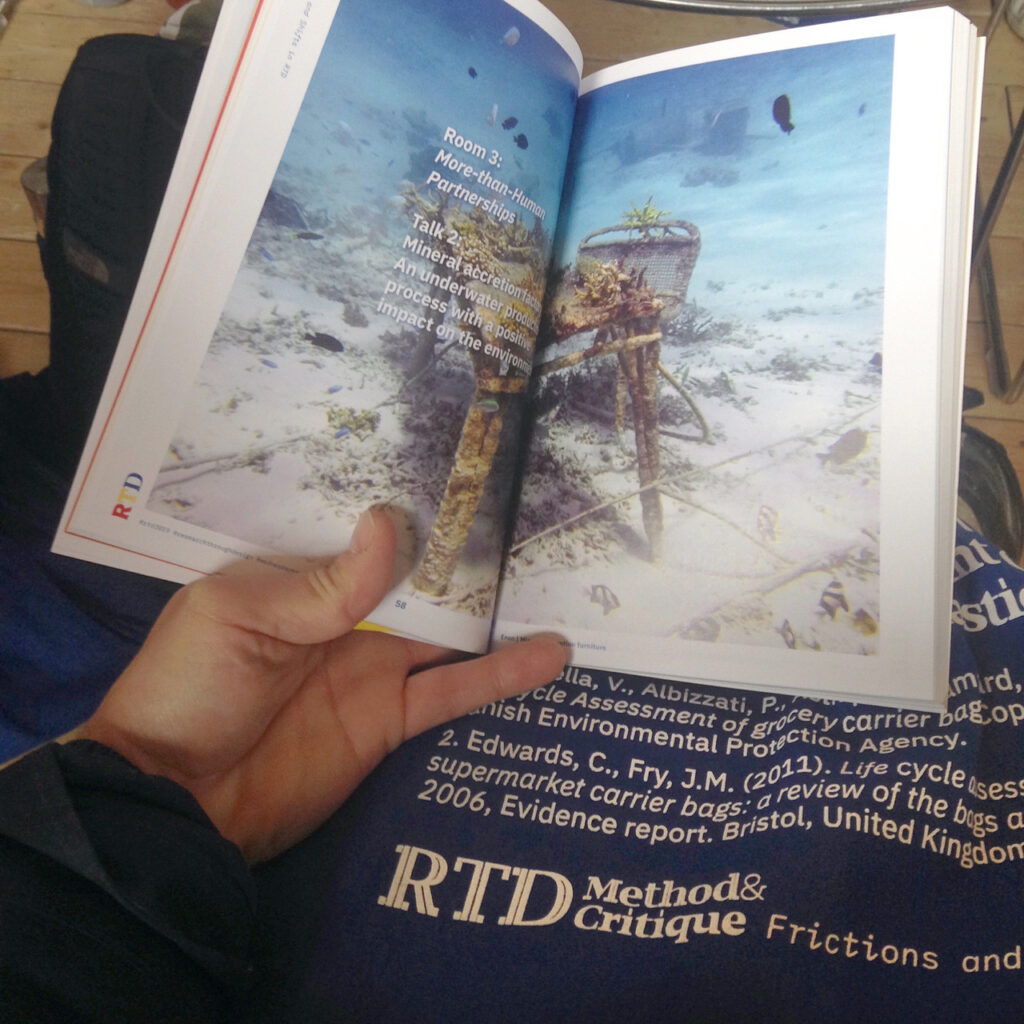
LECTURE at RTD2019 (RESEARCH THROUGH DESIGN)

MARCH 20th in Delft / Rotterdam


RTD2019 was held in Delft & Rotterdam from March 19th to 22nd, 2019 and revolved around the theme Method & Critique – Frictions and Shifts in RtD, through which we viewed and discussed the contemporary material, technological, socio-political and economic shifts in design research and practice that call for new ways of making.

To read and/or download the paper : https://figshare.com/articles/Mineral_accretion_factory_An_underwater_production_process_with_a_positive_impact_on_the_environment/7855775

About RTD 2019 : http://researchthroughdesign.org/2019/#


#


MINERAL ACCRETION FACTORY : contemporary fossils
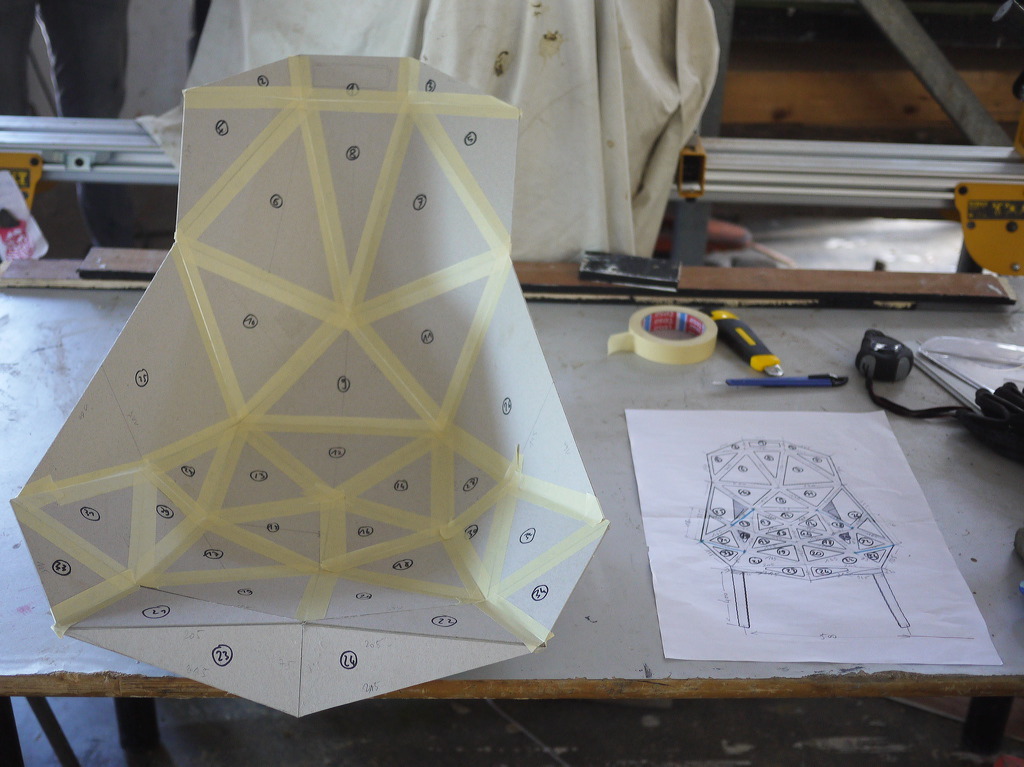
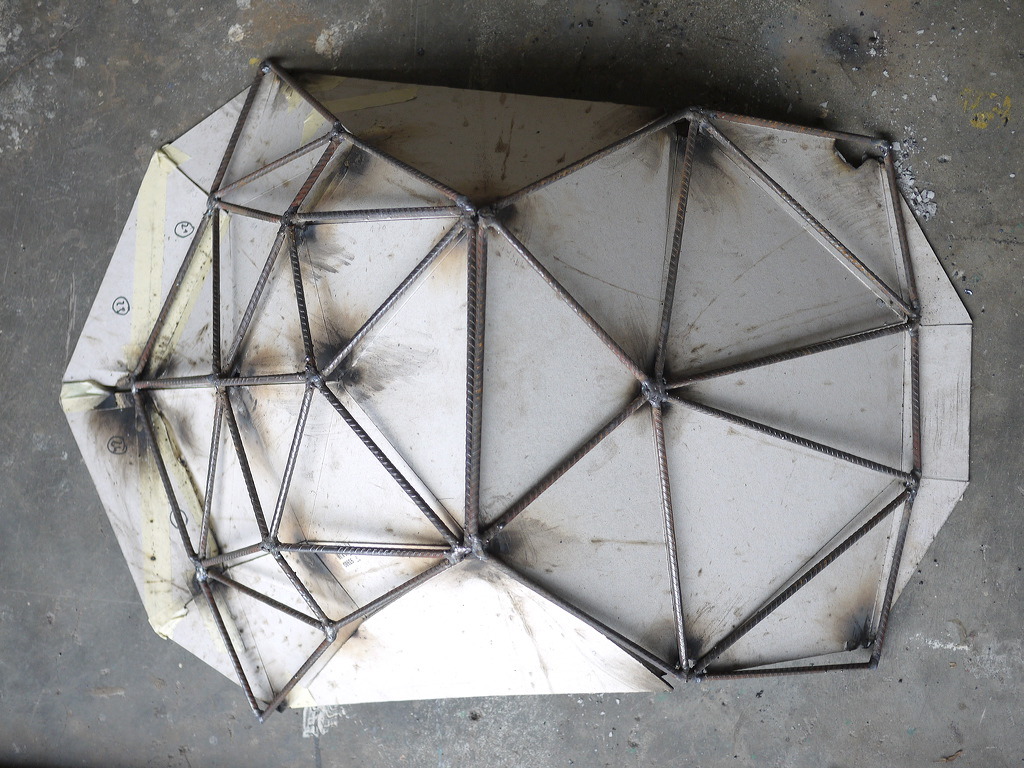
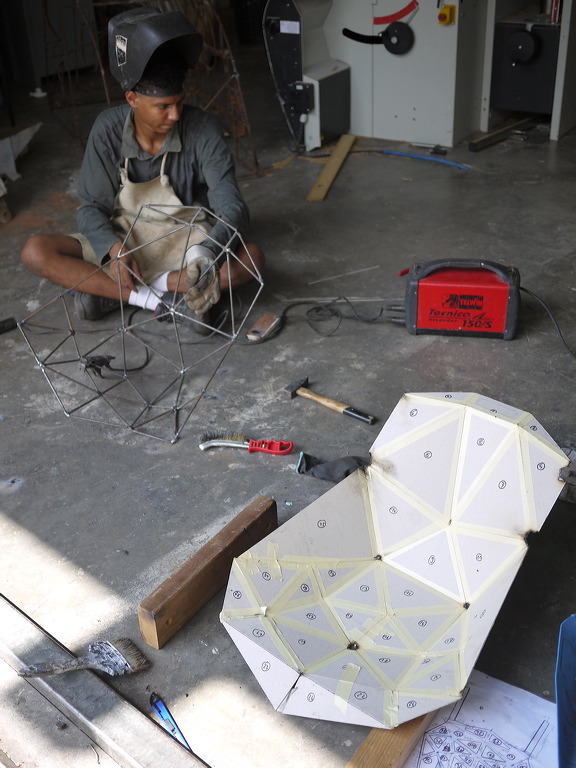
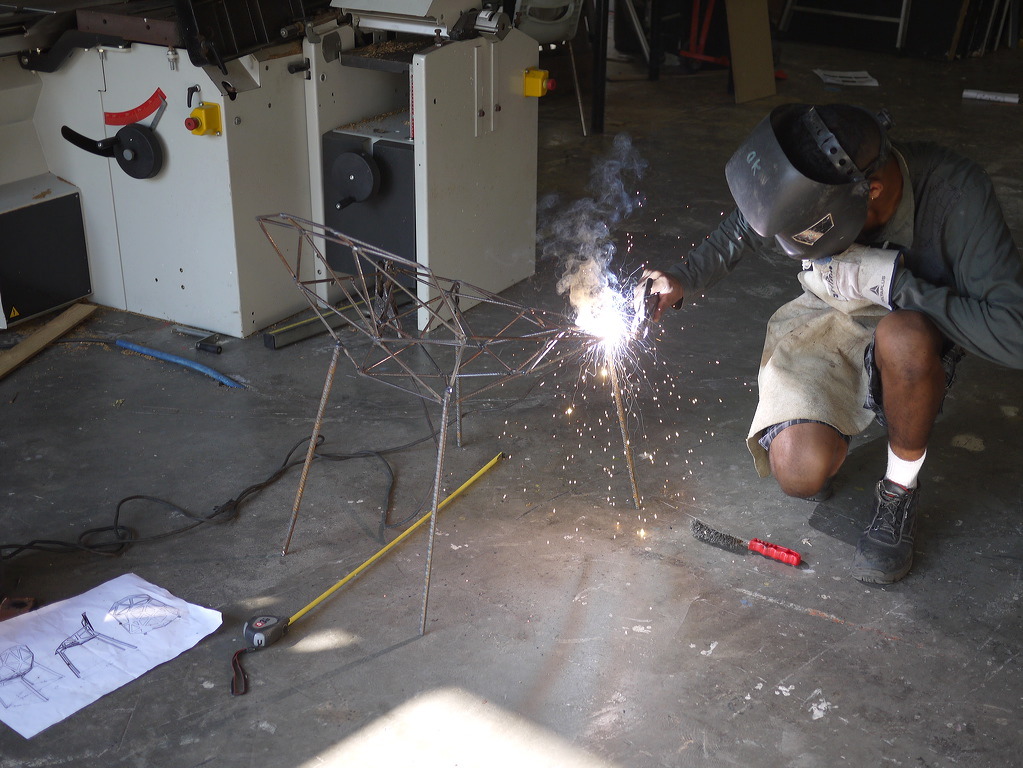
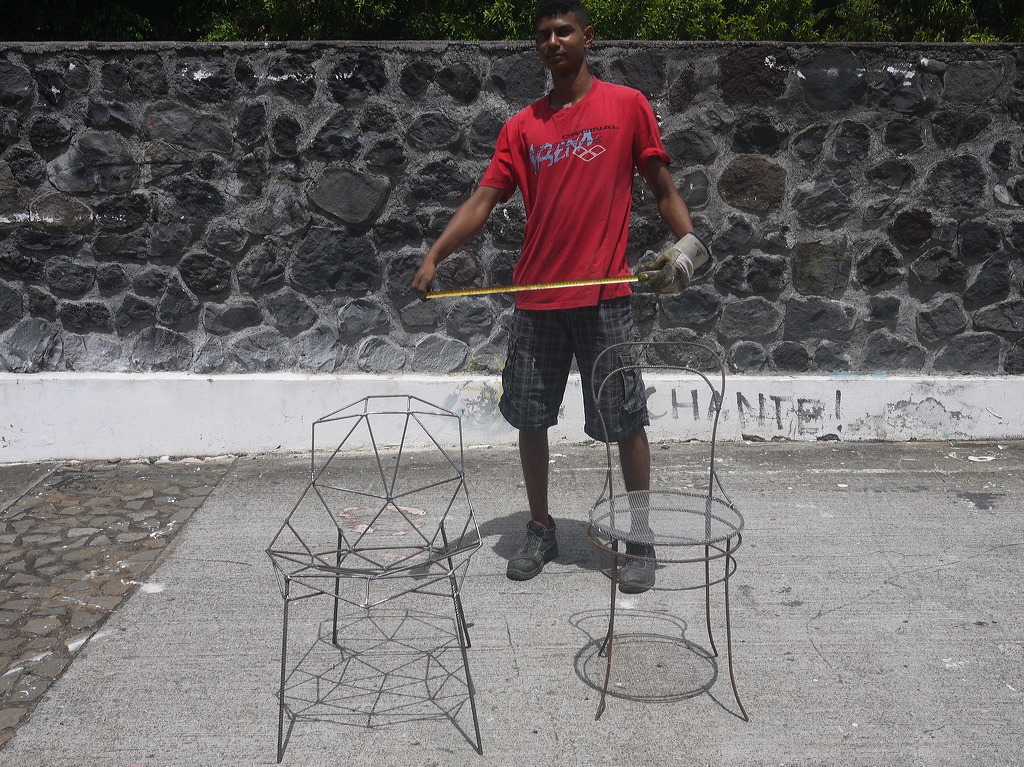
Making of chairs from KGID, Thonet, immersed next to Eileen Gray’s side table E1027 in the Kelonia basins on Reunion Island.


#


MINERAL ACCRETION FACTORY  :  OBJECT #1
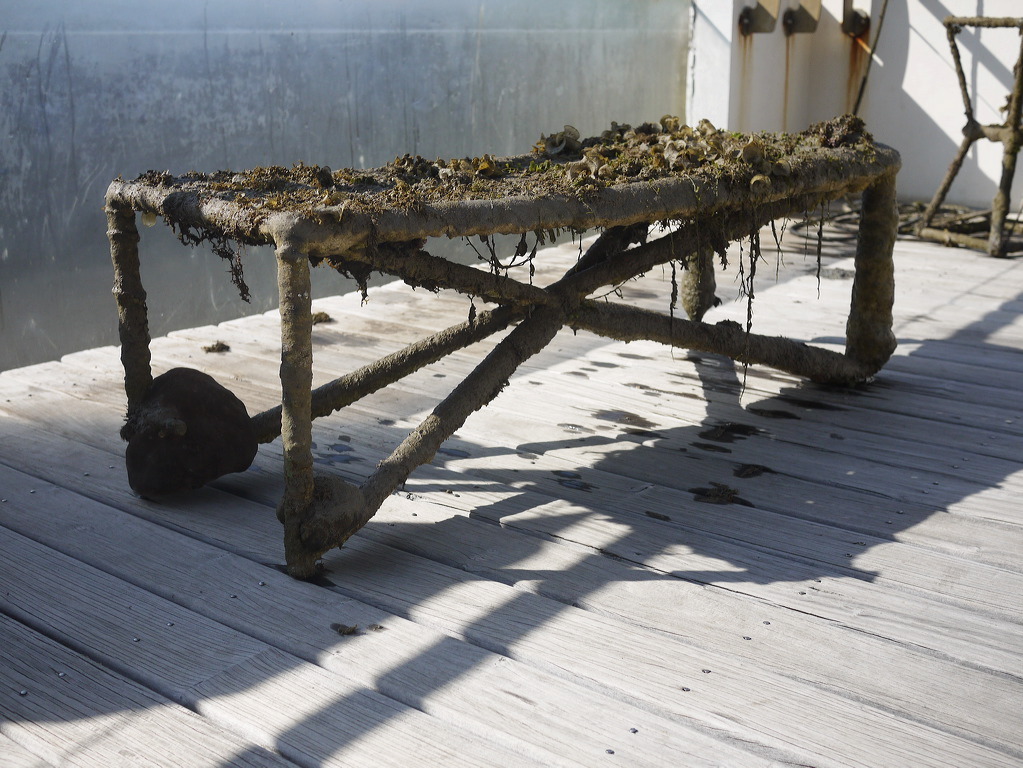
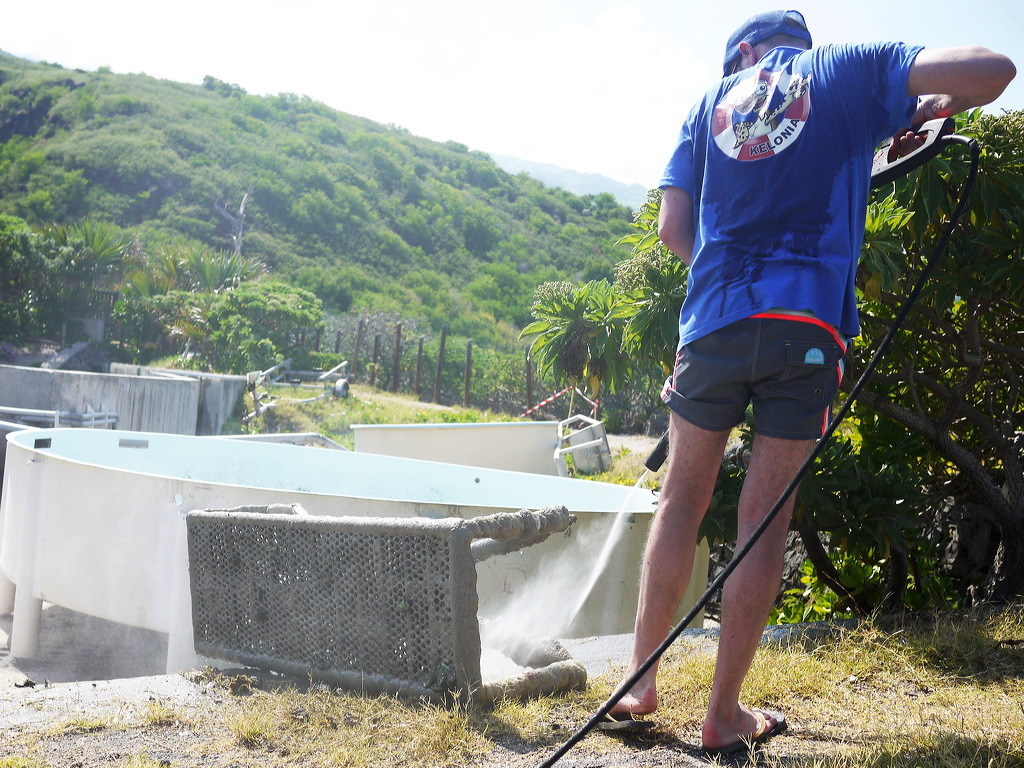
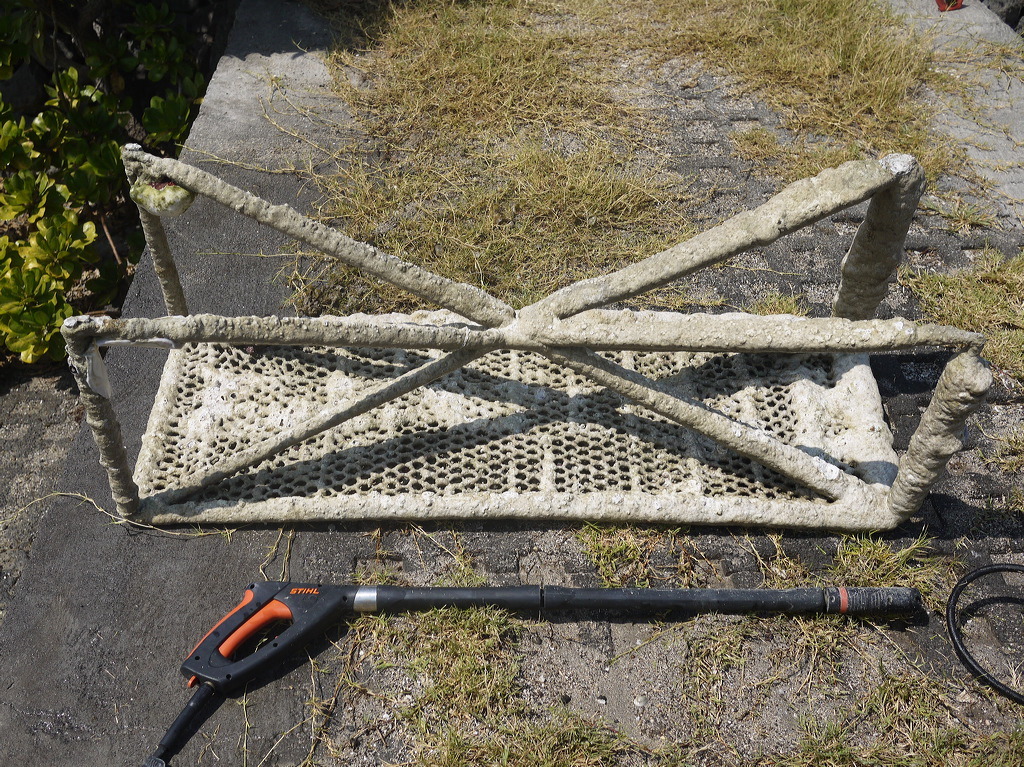
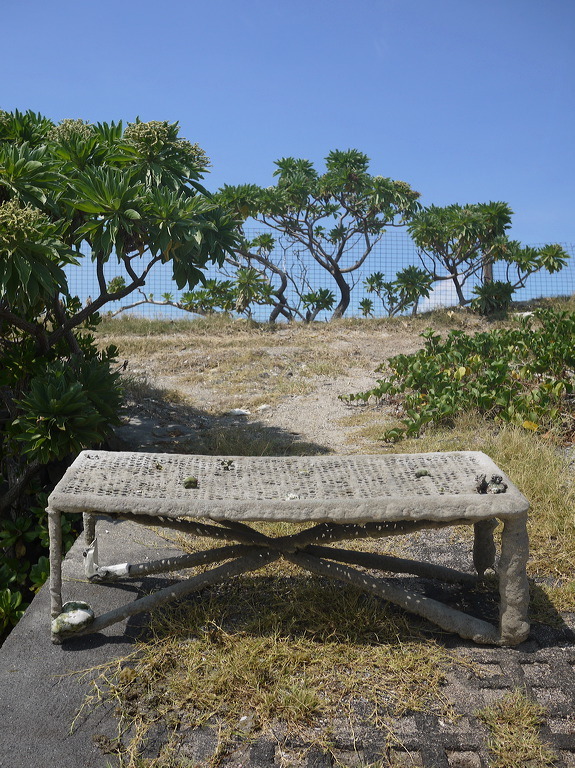
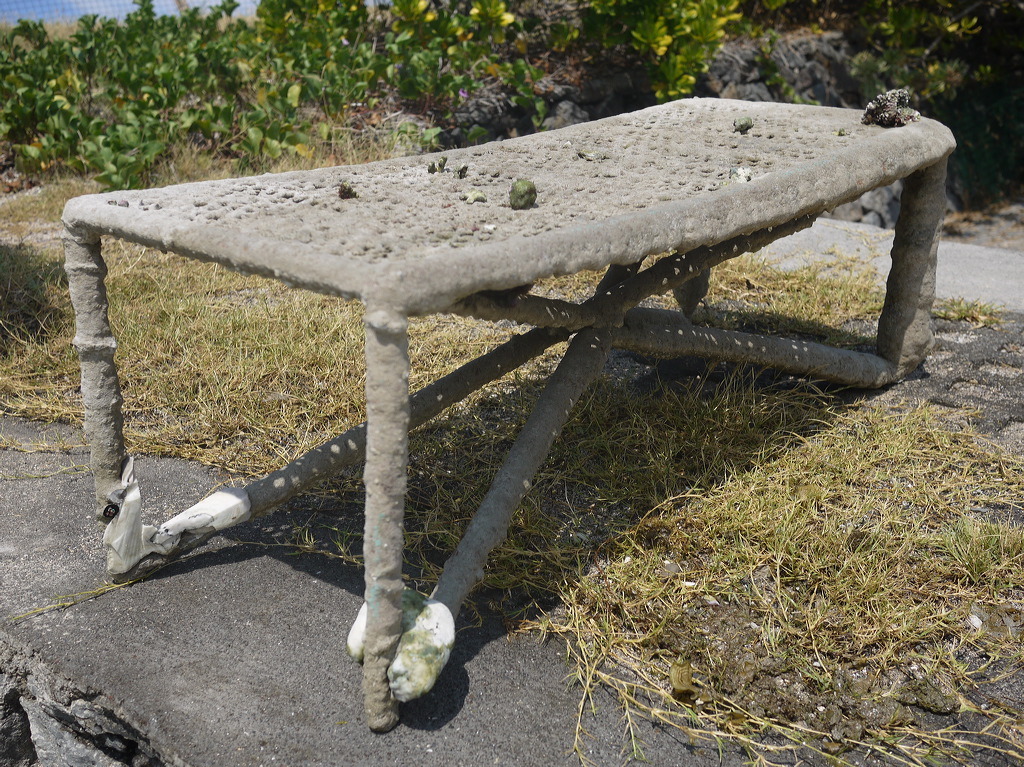
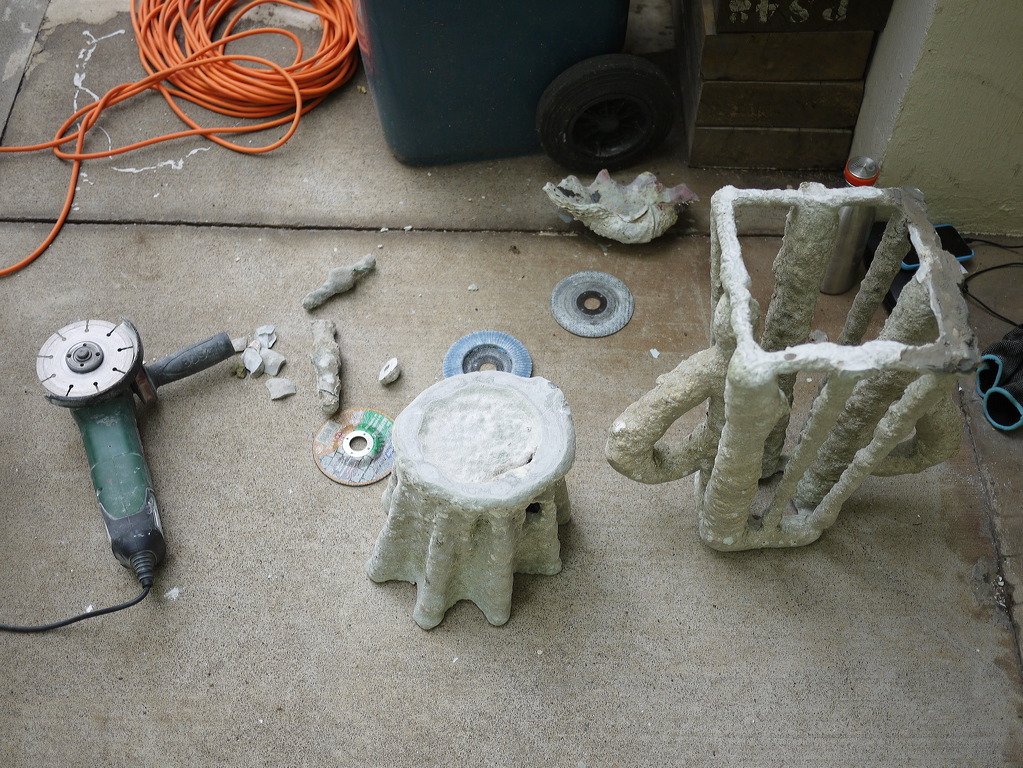
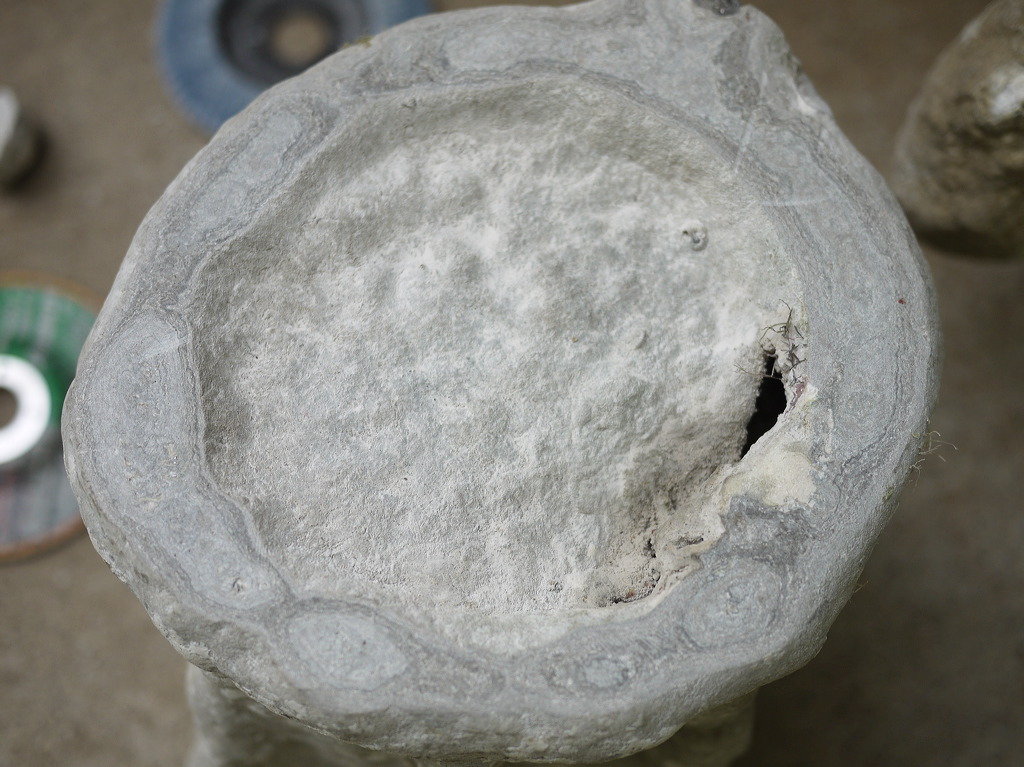
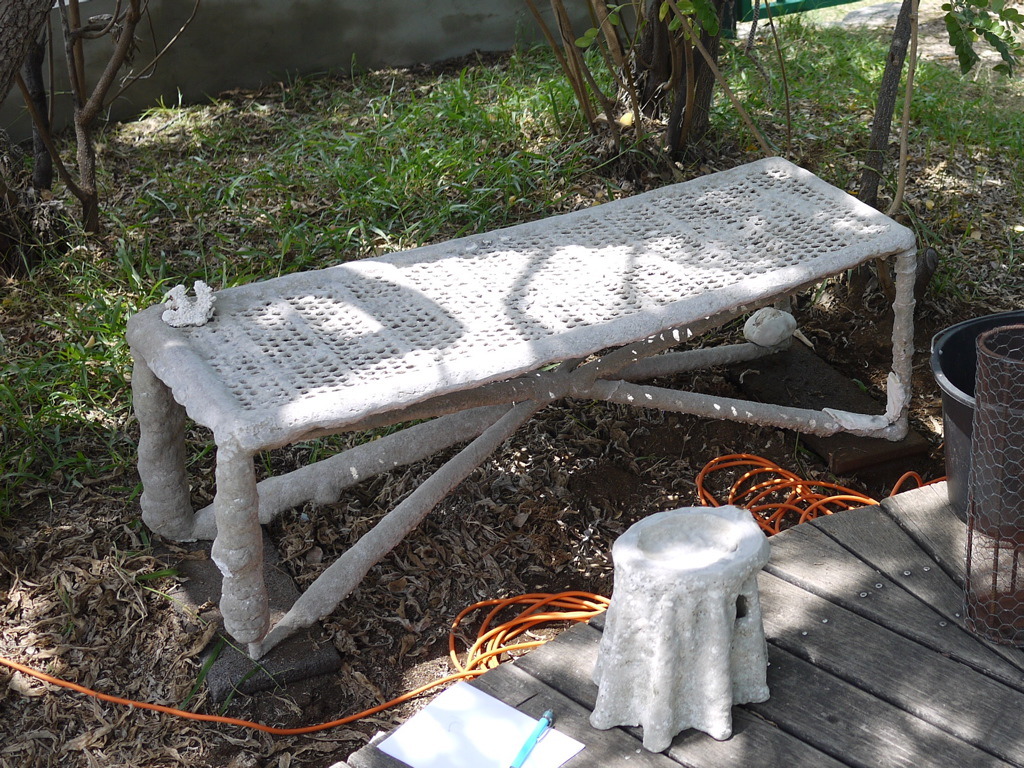
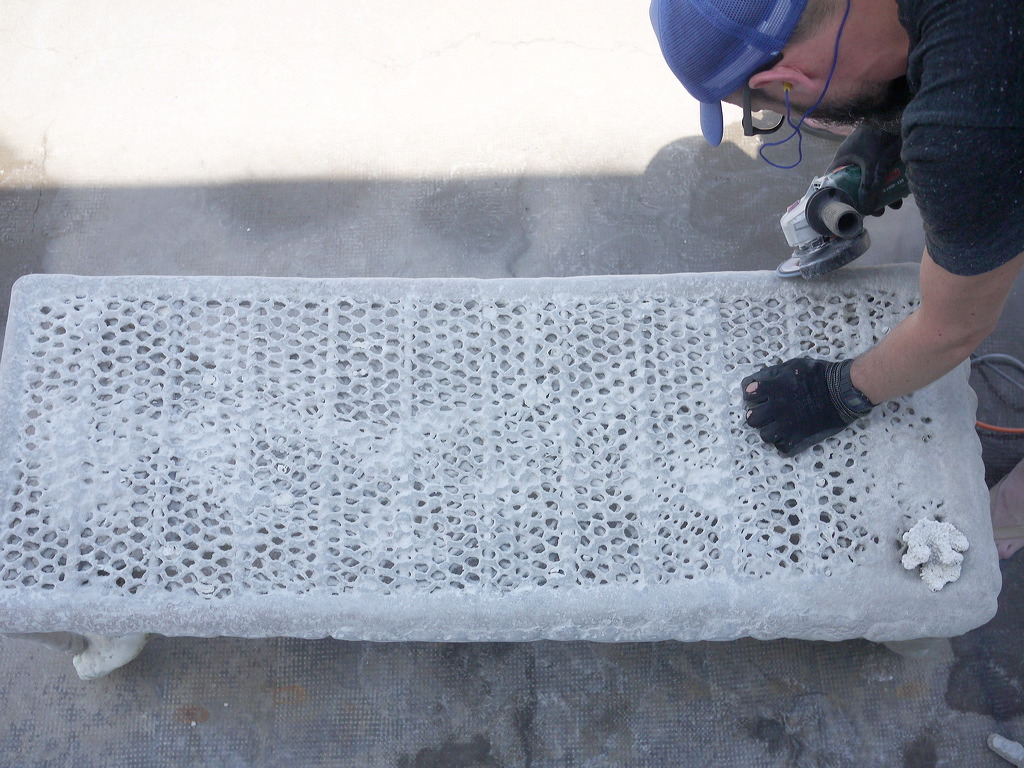
The bench prototype made at ESA Réunion and immersed in the Kelonia basins in November 2016 was taken out of the water. After cleaning and sanding, the bench is operational, functional and ultra resistant. Let’s launch the series.


#


MINERAL ACCRETION FACTORY #2

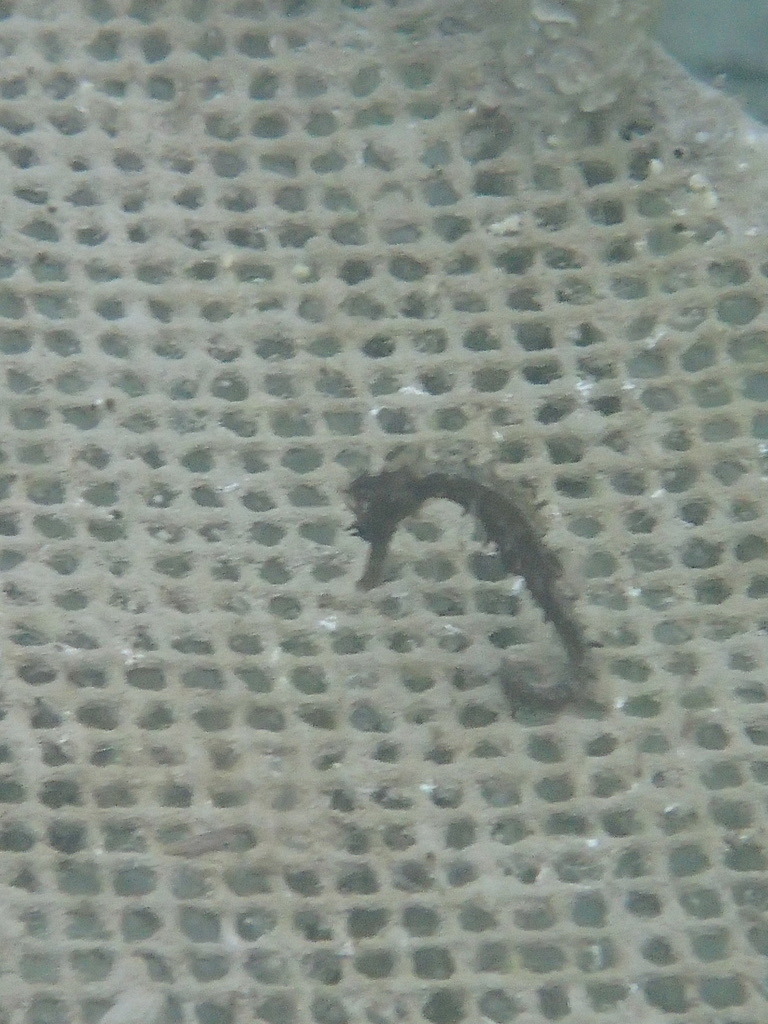
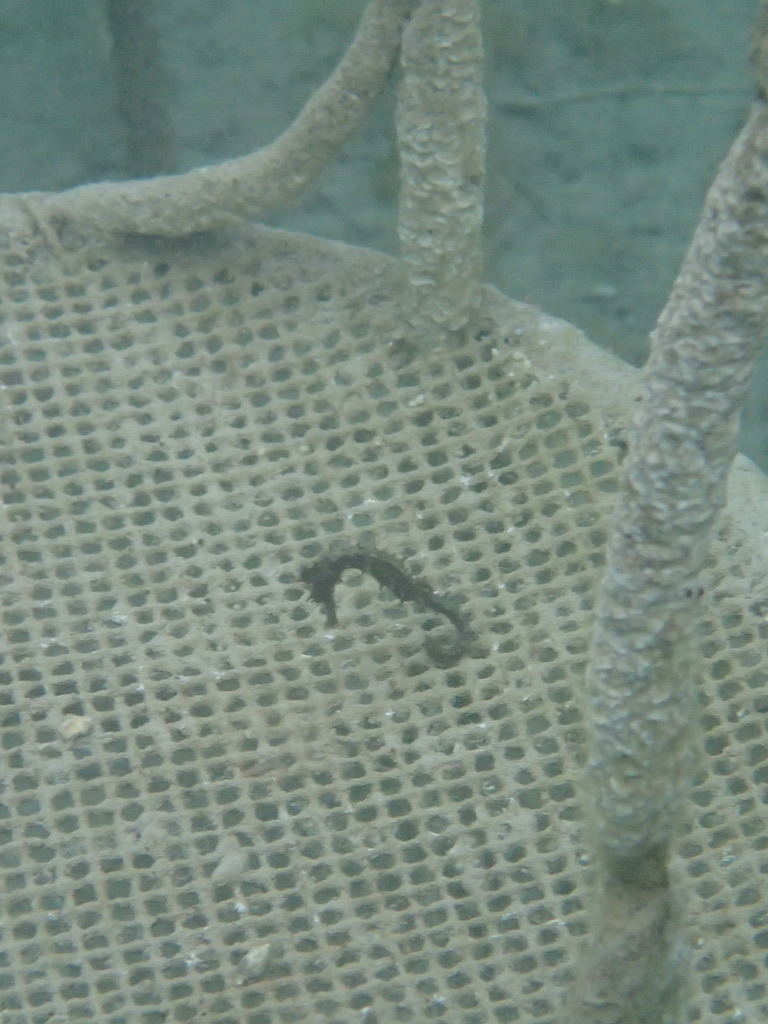
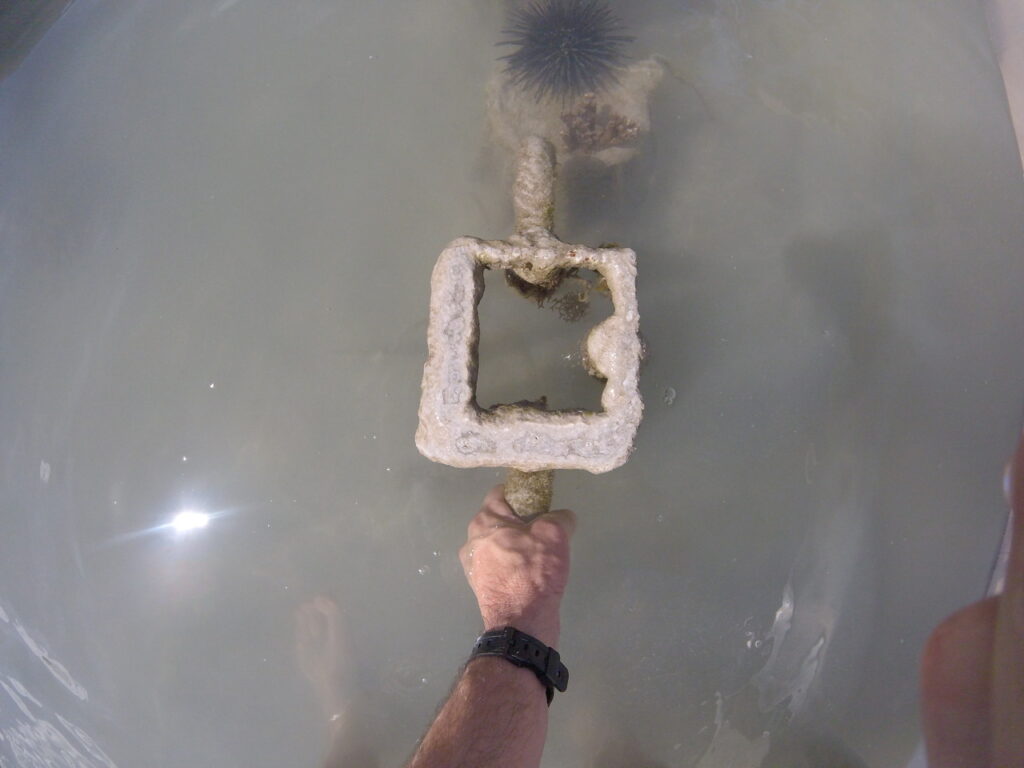
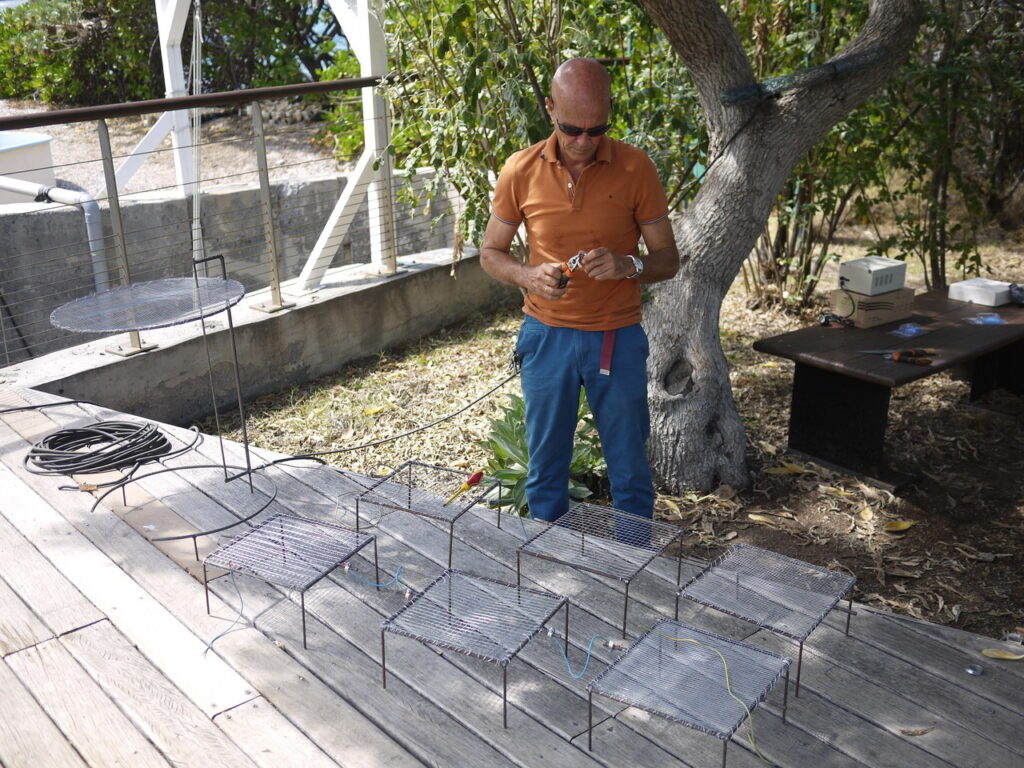
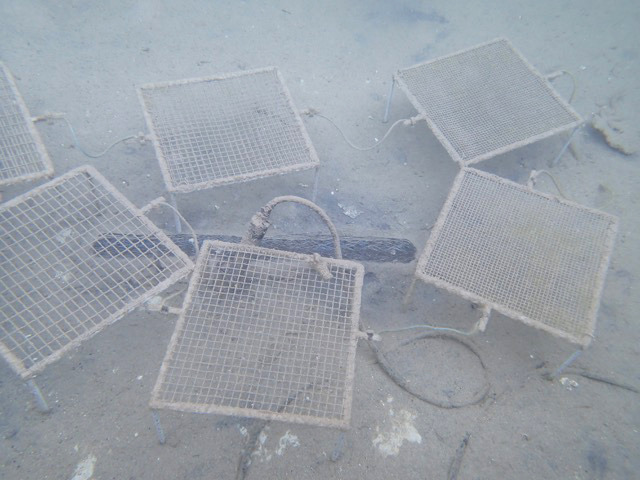
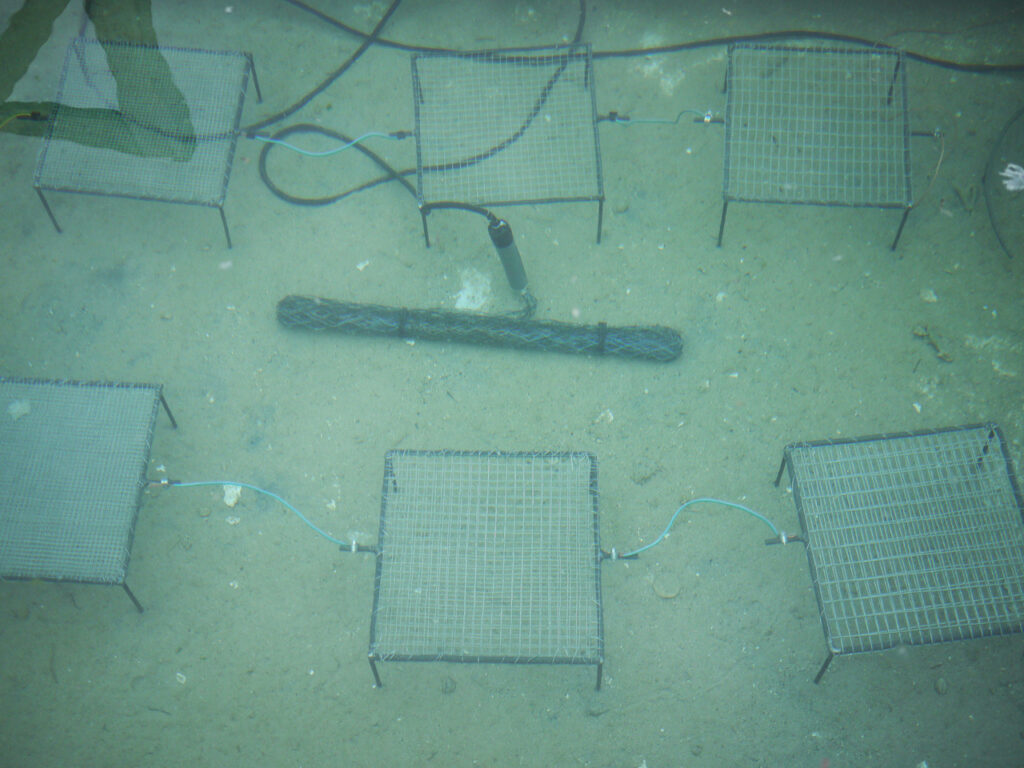
Un an après le première immersion à Kelonia, état de lieux de l’avancée de l’accrétion. Elle est plus solide que prévue et de bonne tenue. Nous avons effectué un premier test de rectification des surfaces. Le résultat obtenu est positif. L’aspect est de bonne facture. Dans le cadre d’un workshop mené au sein de l’ESAR, avec les étudiants nous avons réalisé des éprouvettes dans le but d’observer comment se développe l’accrétion selon les types de grillages utilisés. Ces éprouvettes on été immergées. L’accrétion a commencé.